| Author |
 Replies: 10 / Views: 1,341 Replies: 10 / Views: 1,341 |
|
|
Valued Member
United States
194 Posts |
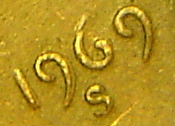
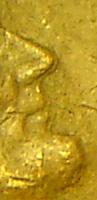
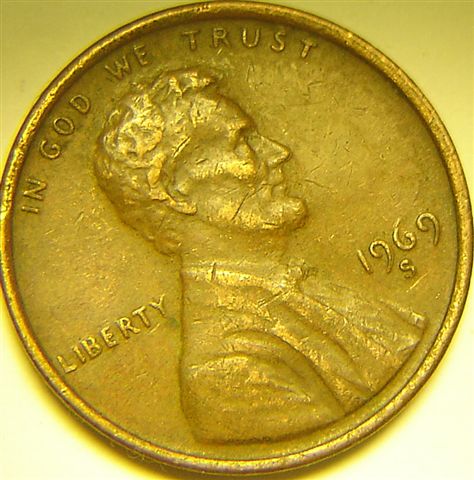
I know this isn't the "real 1969 DD" but I found it myself and pretty happy to have actually found a DD coin! Us newbies are easily entertained! Just wanted to share and get some opinions about it. Poor Lincoln is pretty beat up and my camera skills suck, but I think he's a keeper anyway. I call him Abe 2 nose!!!  Image: Image:  1969.jpg 1969.jpg20.23 KB Image: 1969 DD face.jpg20.01 KB Having some trouble with the pix of the whole coin, maybe this will fix it! Image: 1969dd1.jpg51.94 KB Edited by Margaret
02/25/2006 4:10 pm
|
|
|
|
Pillar of the Community
United States
7123 Posts |
|
|
Valued Member
 United States
194 Posts |
Metalman So Abe2nose has a sibling!  I am not an error collector but have a bunch of pennies I am sorting through (husband had them out in the garage for the last 12 years, 28 lbs worth) so I decided to just look for some of the more common dates with errors. It is tedious, but fun when I find something. I have started a new box of flips marked "error's & weird stuff." Any idea on what would remove some verdigris without damaging the coin? About 10% of the coins have verdi on them and a few are nice minor error's. Thanks. Margaret |
|
Pillar of the Community
United States
7123 Posts |
Hi Margaret
There is nothing that will remove it without damaging the coin !!
But I will recommend that you seperate them out of the others , it will spread !!
But hey their still worth a cent, turn them in at the bank !
Rick
|
|
Forum Dad
 United States
24225 Posts |
Hey Margeret, Just an FYI... # in file name = very bad.That's why your pic wouldn't work. I deleted all but one of the failed attempts from the server and fixed the last file name and your post.  |
|
Valued Member
United States
194 Posts |
Thank you Bobby, I couldn't figure out for the life of me why that one pix wouldn't load.  Sorry to have caused you any trouble! And thanks for the fix. Metalman, okay, off they go to the change pile. I didn't realize it could spread. I have enough of them with verdigris on them for a happy meal at Micky D's! Margaret |
|
Forum Dad
United States
24225 Posts |
quote:
Sorry to have caused you any trouble!
No trouble. I am Forum Dad. I leap over bad file names in a single bound! [:p] [:p]
|
|
Pillar of the Community
United States
7629 Posts |
I think we have some terminology confusion here...if your use of "DD" means "doubled die," then your statement that you "haven't found 'the 1969 DD' but you've found a real DD anyway" is incorrect. What you have found is Machine Doubling and has nothing to do with hub doubling, AKA doubled dies. Machine Doubling is actually a VERY common occurrence on Lincolns dated 1968-1970 and is completely void of any premium value. I know there's at least a certain level of excitement over having found a cent with doubling on it, but this particluar example is not the doubling you're looking for that warrants excitement. |
|
Valued Member
United States
194 Posts |
Coppercoins Thanks for the clarification. I have spent a fair amount of time on Ken Potter's site trying to learn the difference, but I still couldn't tell the difference between Mechanical Doubling or hub doubling and a few other types. It appears to take a very good eye and whole lot of knowledge to make the distiction. Someday maybe I might figure it out! The excitment of finding any coin that is not ordinary is fun, I'll probably continue to go through these coins, I am learing a little as I do. I have found several that have some toning and odd color to the planchet that I am just saving because they're different. Some have doubling on only the reverse "one cent" and some have what appears to be letters pushed off their intended mark. I'm not sure what's worth saving. What would be a good book to help me identify these type of errors? As I said earlier I am not an error collector but can't seem to stop myself from looking now that I started! Thanks for all the help! |
|
Valued Member
United States
363 Posts |
Hello Margaret. A book that I like which covers all series of U.S. coins is "The Cherrypicker's Guide to Rare Die Varieties" by Fivaz and Stanton. They give pretty in depth explanations of the different classes of doubling that are possible, and explain how to tell the difference between Machine Doubling and true doubled dies. I believe Vol. I of the fourth edition just came out. I have the 3rd edition which is comprised of just one volume. It's not too expensive! |
|
Valued Member
Australia
65 Posts |
|
| |
Replies: 10 / Views: 1,341 |
|










 1969.jpg
 1969 DD face.jpg
 1969dd1.jpg

 Posted 02/25/2006 7:42 pm


