Seeing images of a doubled die and a normal die will help you more:
Wheat cent obverse:

Note the width of these devices compared with the normal example.


Note these devices are taller compared with the normal cent.

Wheat cent reverse:
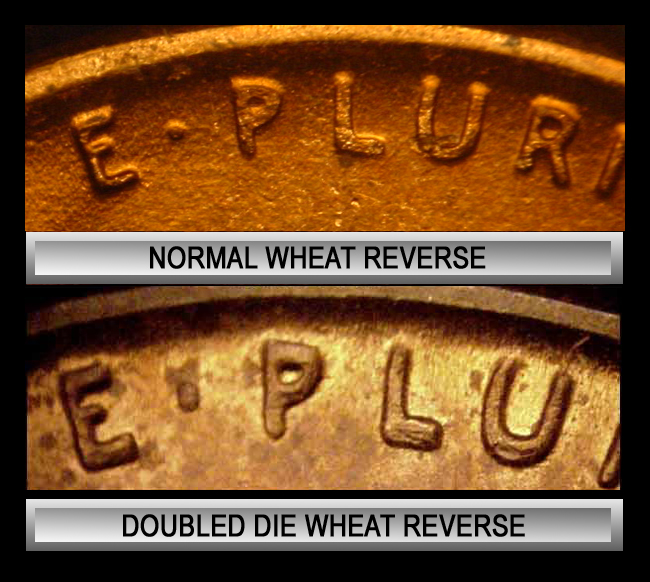
Note the dots are egg shaped?
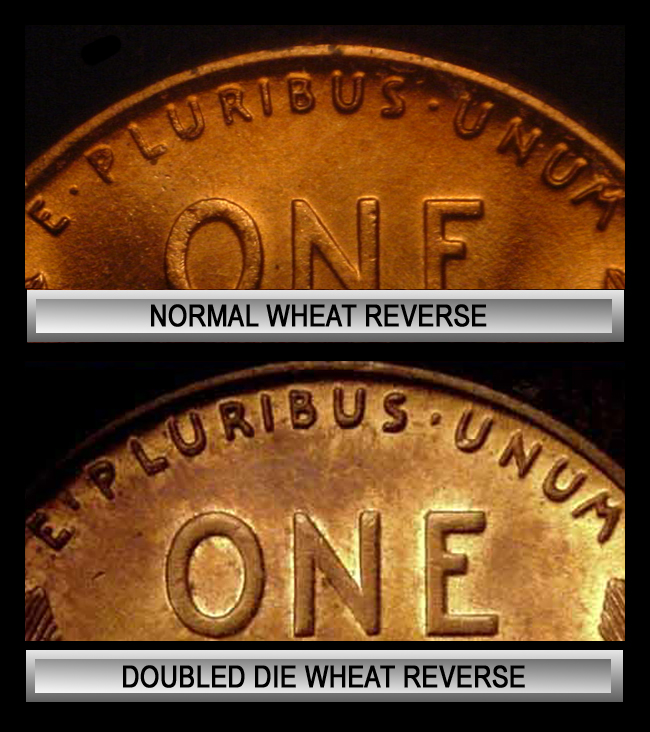
Note the devices are enlarged taller/wider depending on the location of the device.
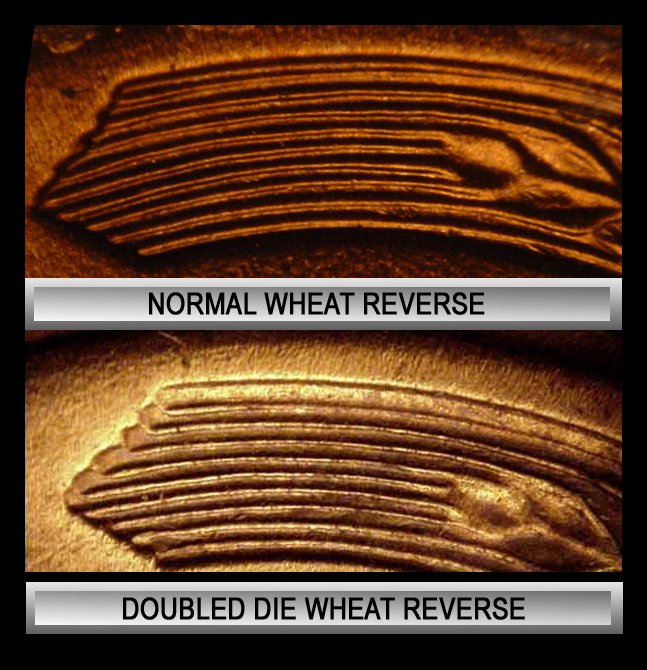
Note the wheat lines are thicker on the DDR.
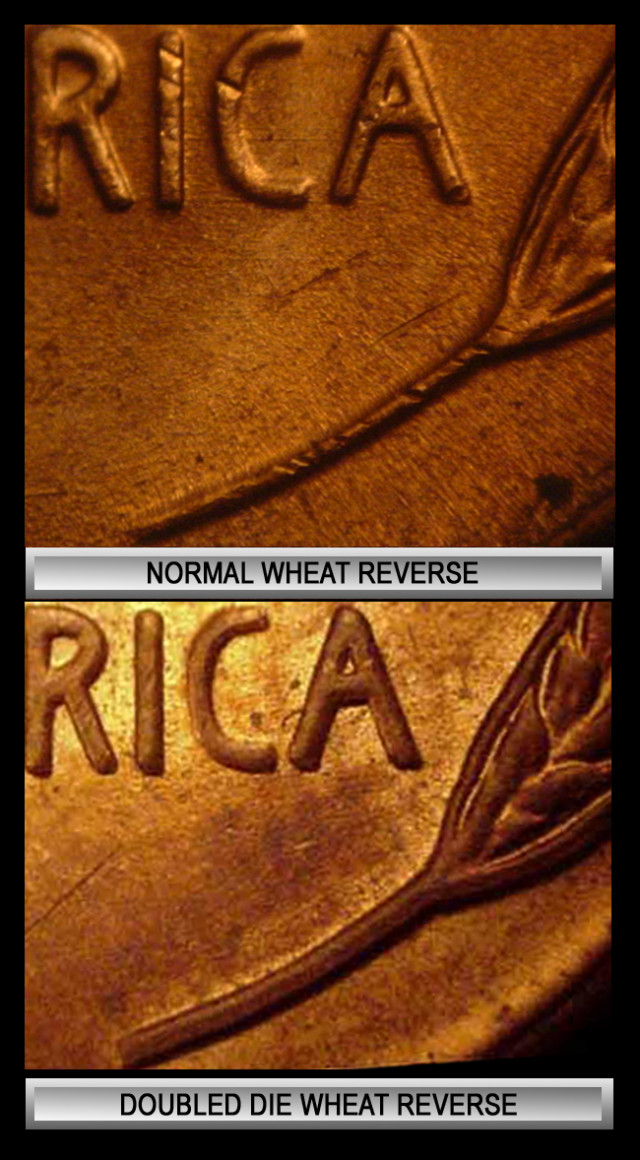
Note the DDR devices are thicker, even on the wheat stems on the bottom of the design.
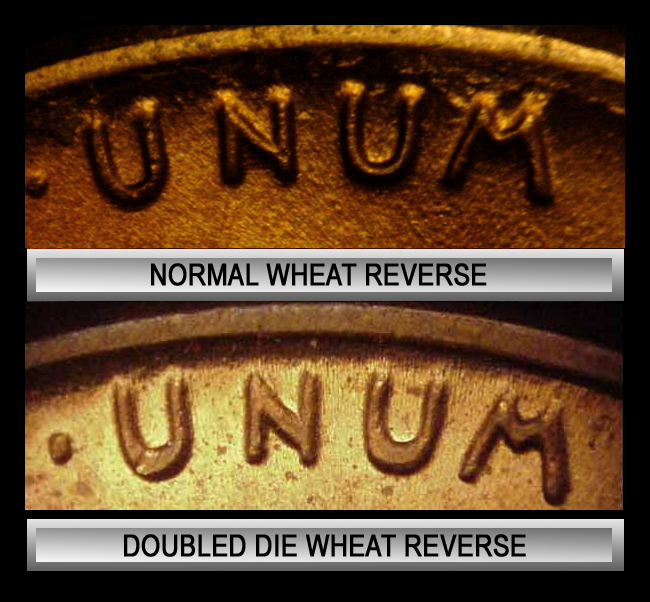
Note the 'U' Is thicker on the lower loop of these devices?
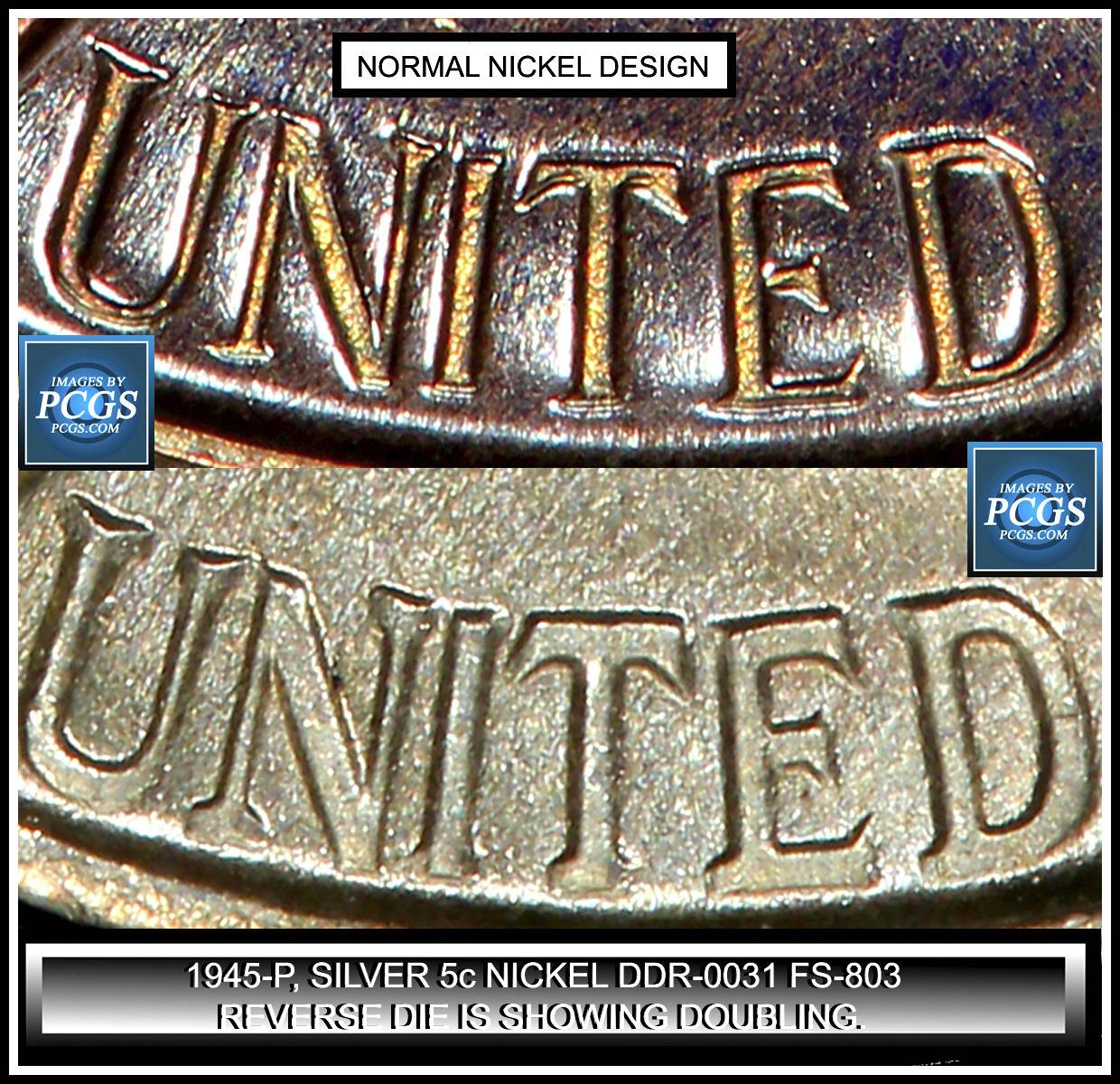
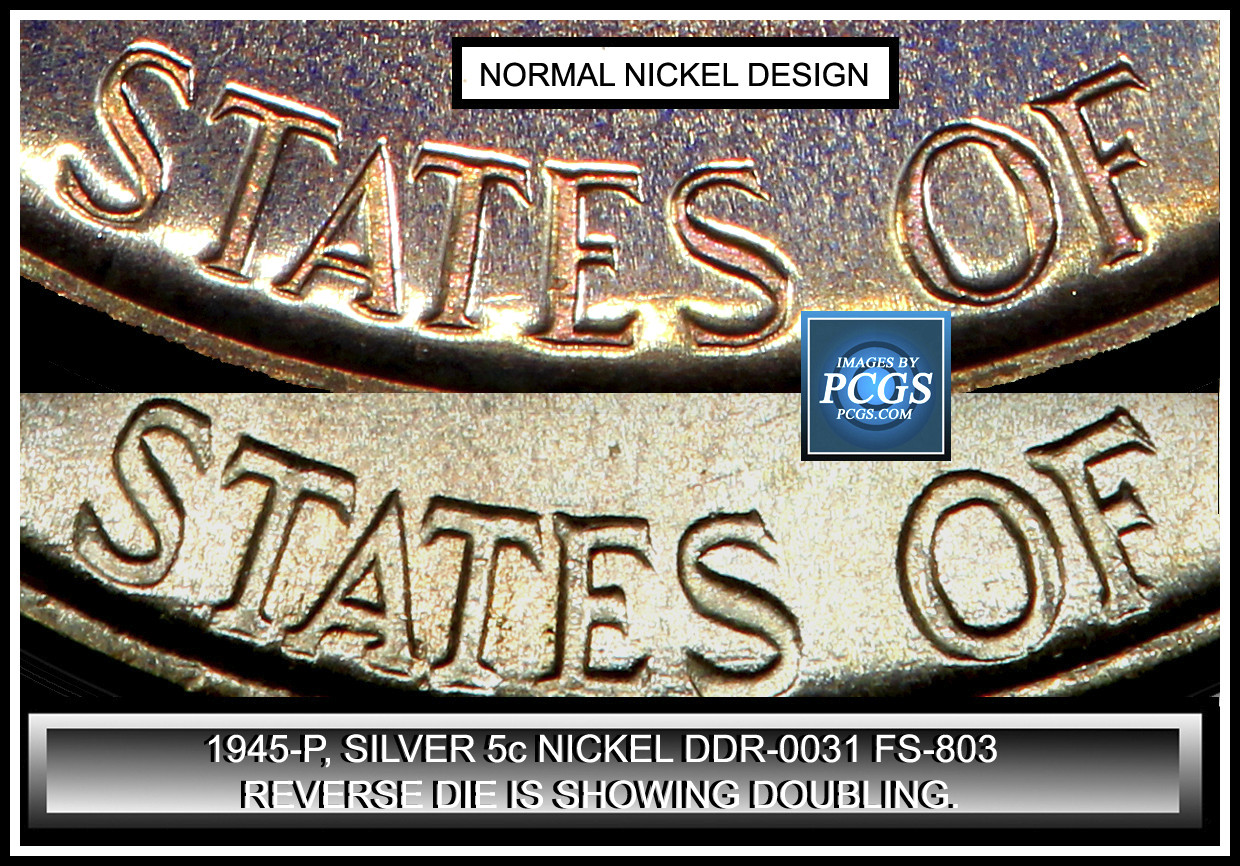
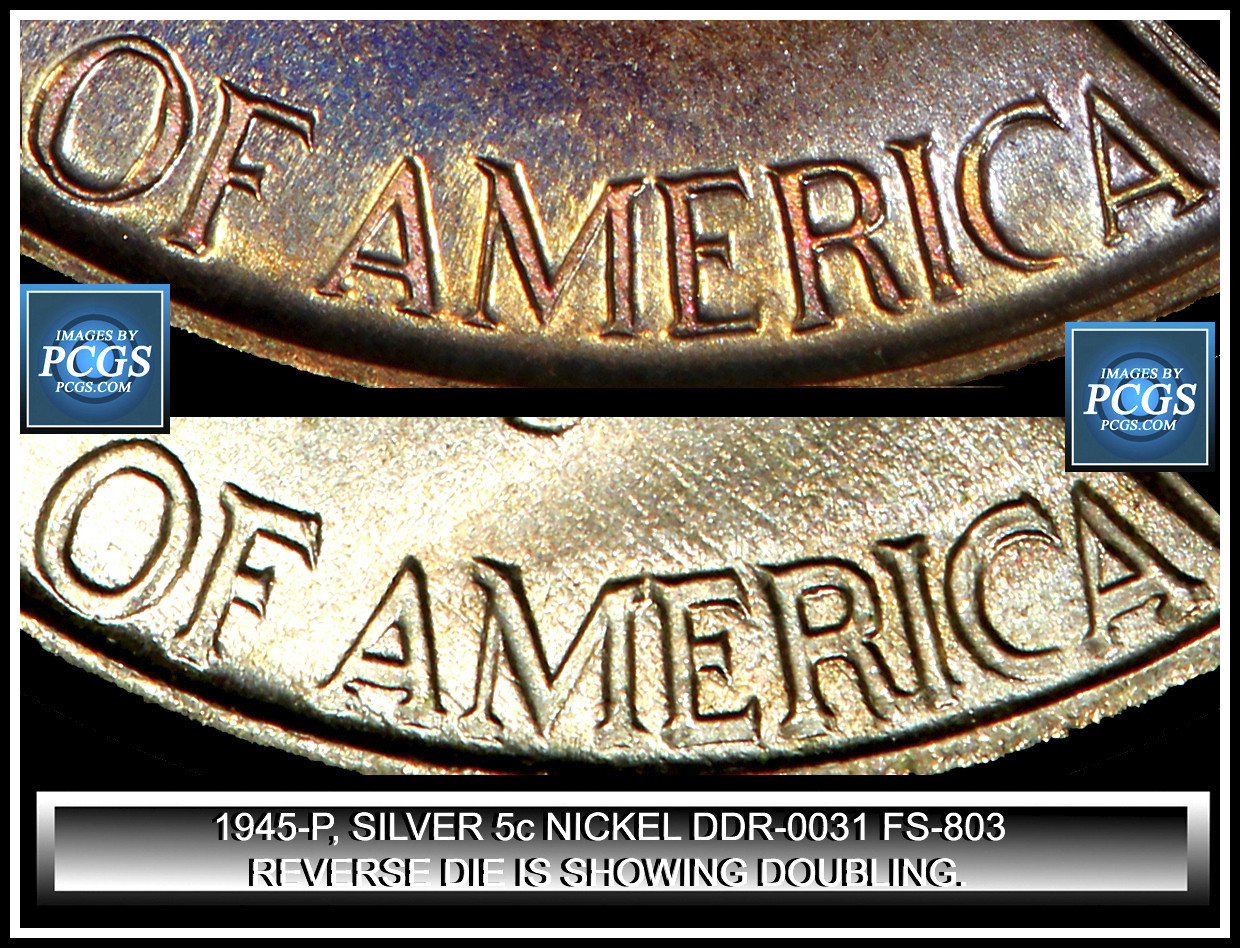
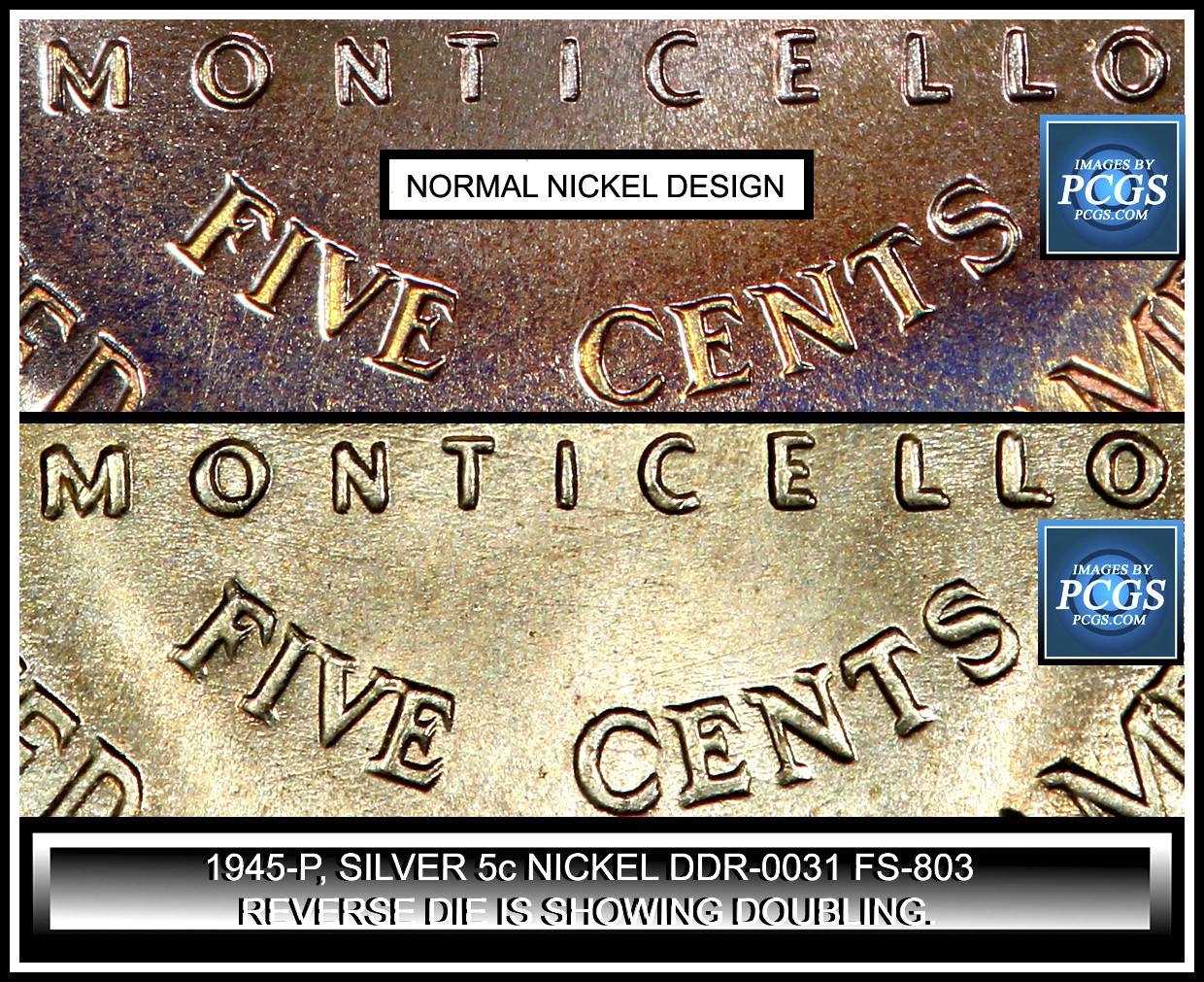
Nickels Obverse :
On the top image, note the bottoms of the devices:
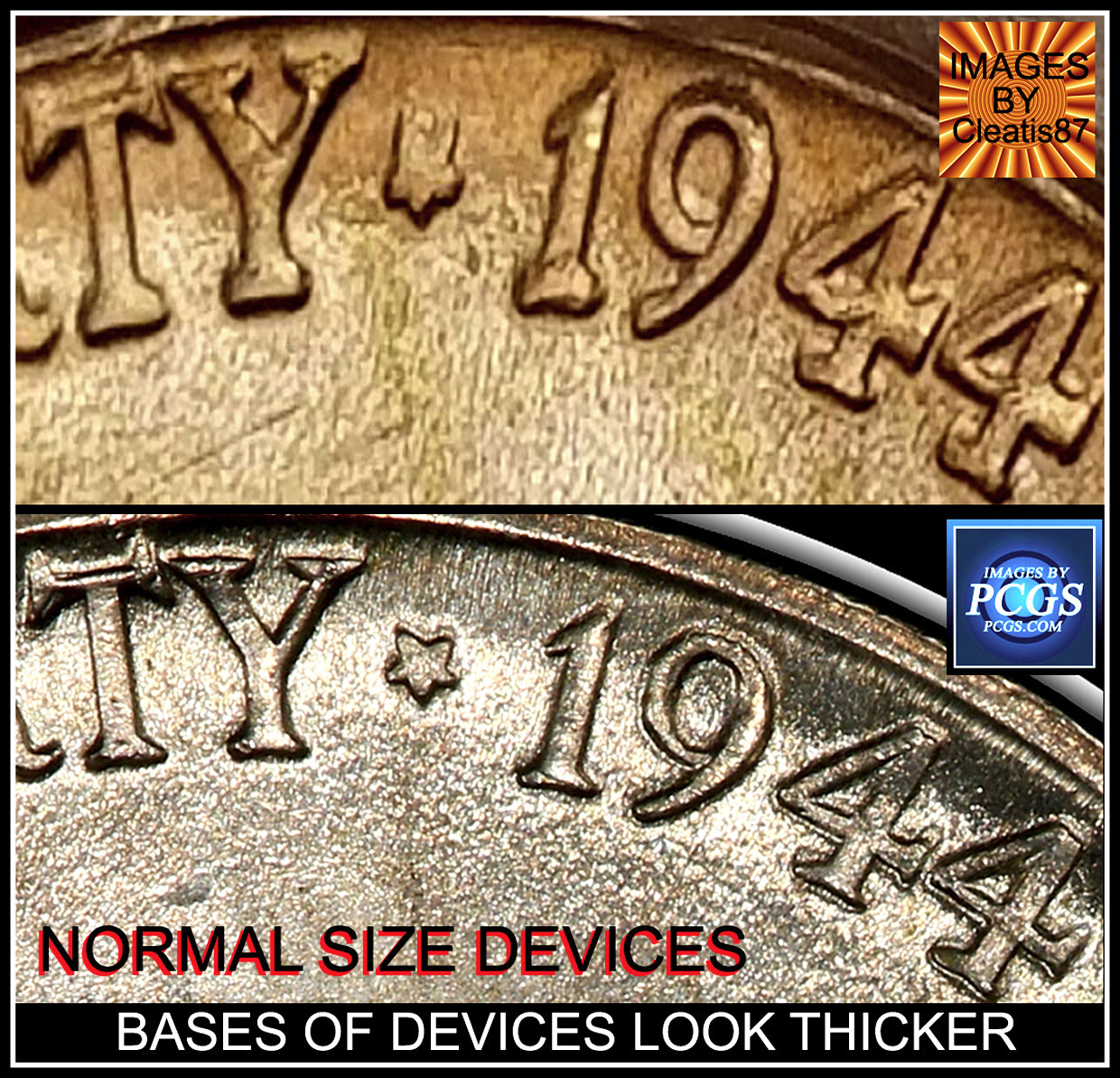
They are thicker. That is a DDO.
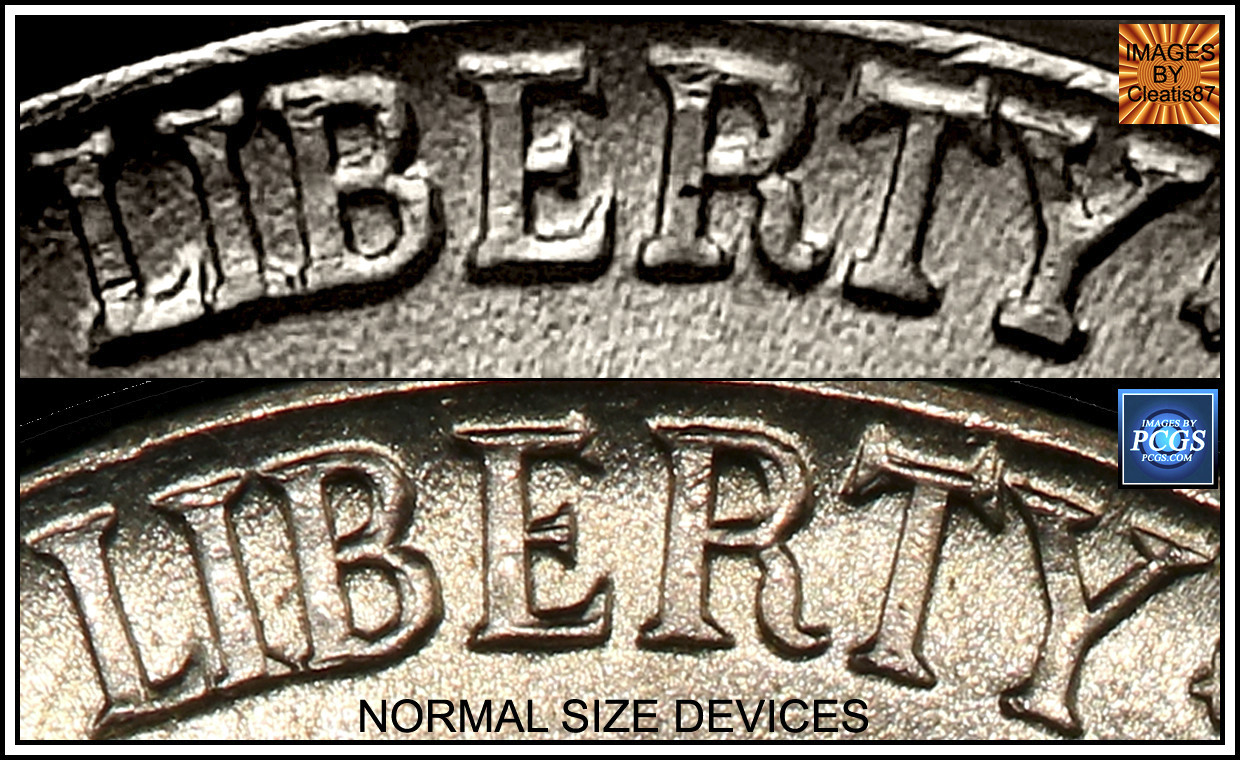
Nickels DDR:
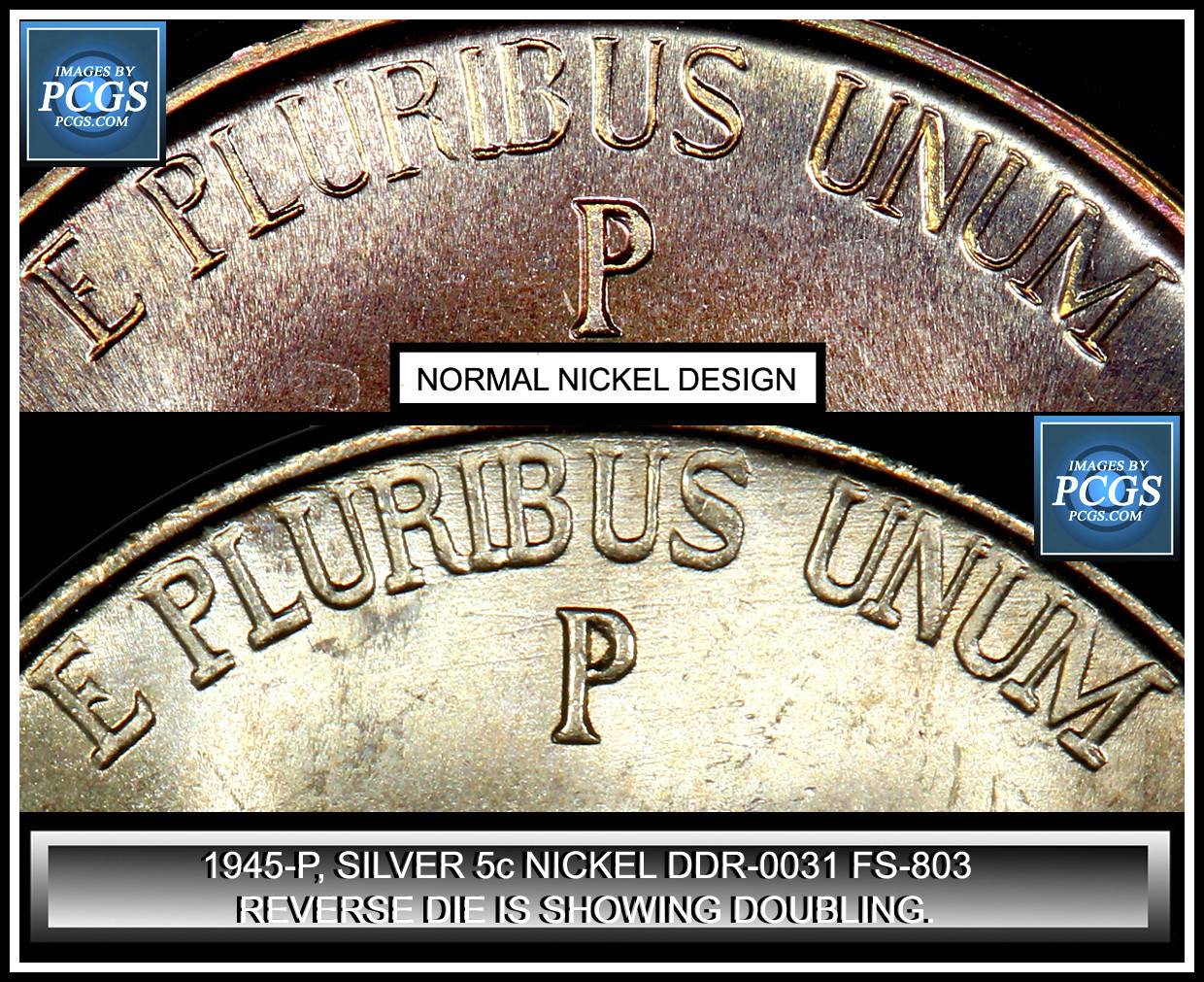
Note the lower part of the devices on the DDR are taller?
Dimes DDO:On the dimes the Doubled dies were different on certain series than on others:
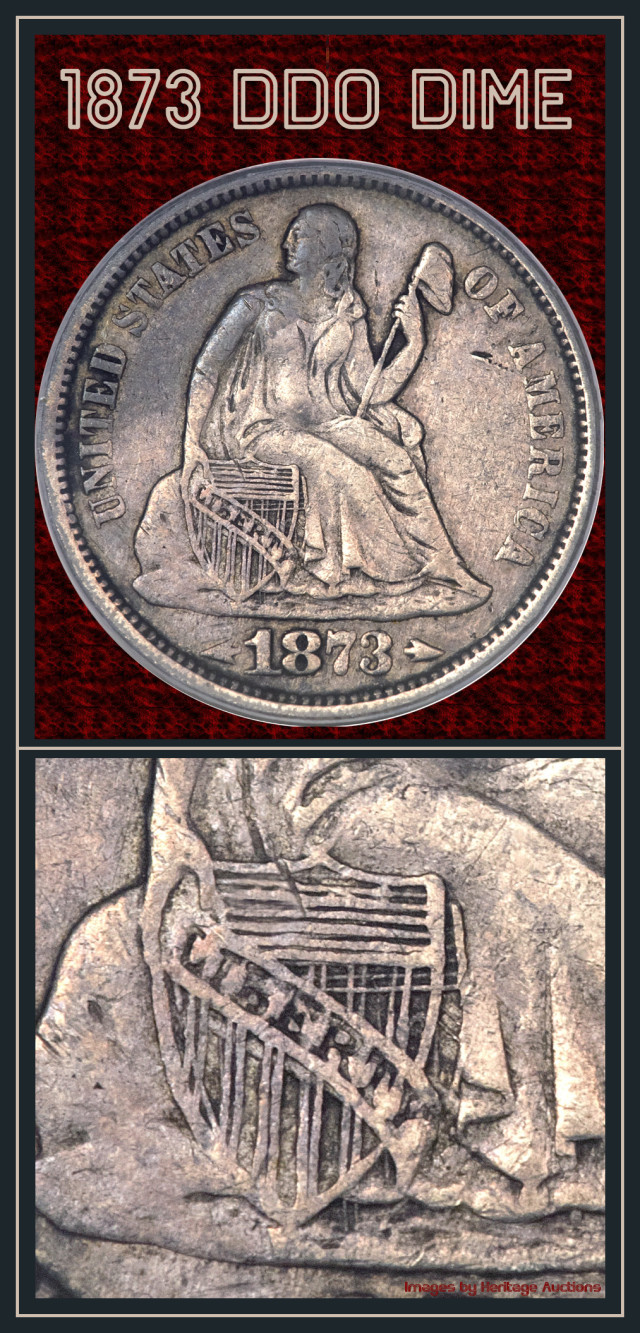
Note the shield is doubled, while the rest of the design was normal? That was because the die creation then was different than they are today. On this one the central area of the design was one part of the hub process, while the letters/number (devices) were added later either one at a time, or in a gang of devices like a single word. The same is true for the current dies as well, they keep changing. Back in the 18-19th centuries, each die was a different design because of the process then. Then in the early 20th Century the design changed to a single hub to add the devices to the coin in a single step. That removed a lot of issue of the past, but it doesn't end there. The process changed again in the late 1980/1990's until today. So the doubled dies also changed.
Back to cents, they change over was gradual and the
DDO's were different. The devices went from having notching on the devices to distorted devices. So keep in mind the locations of the doubled dies also changed.
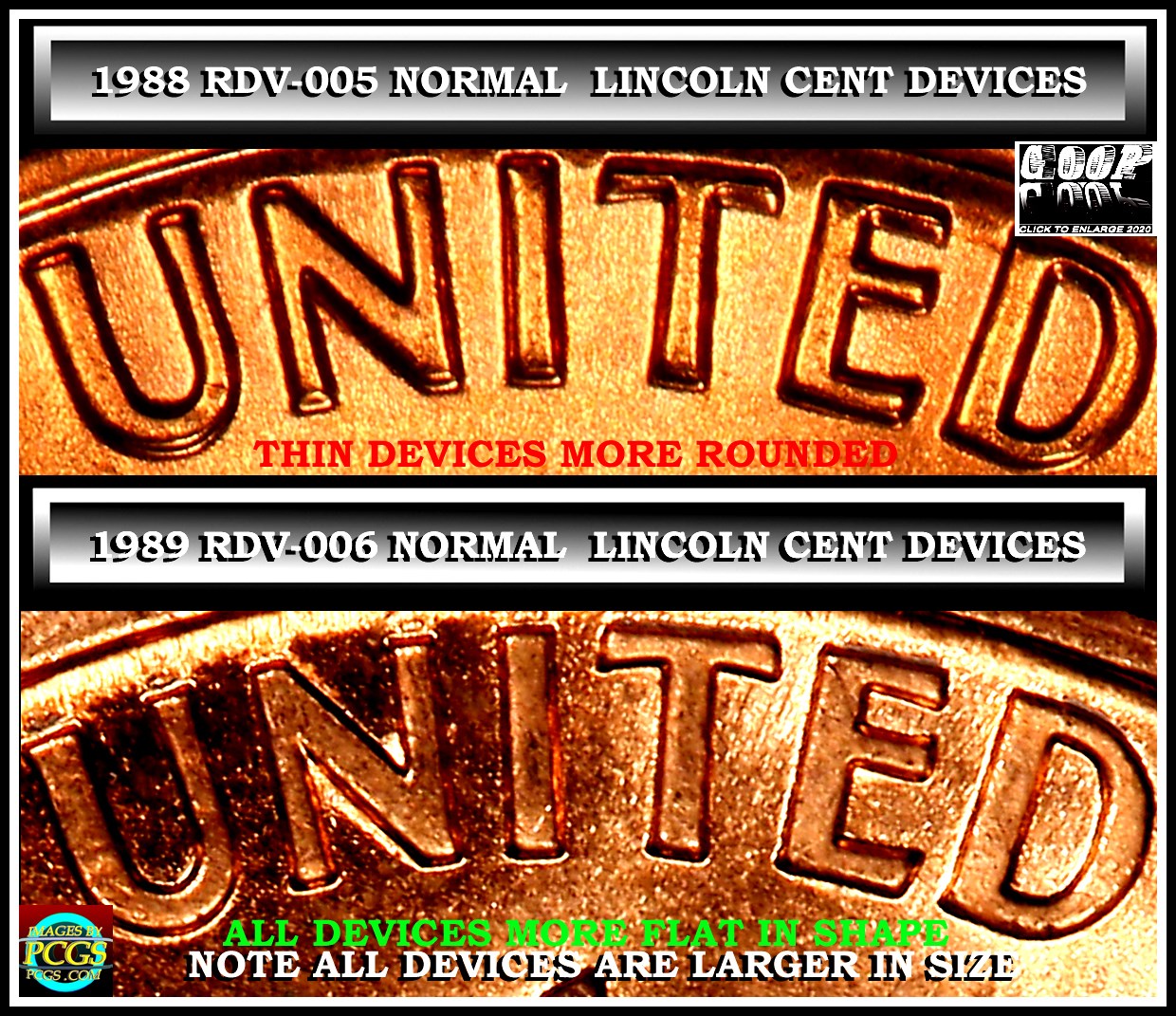
Cents of the later 1980's on the obverse:
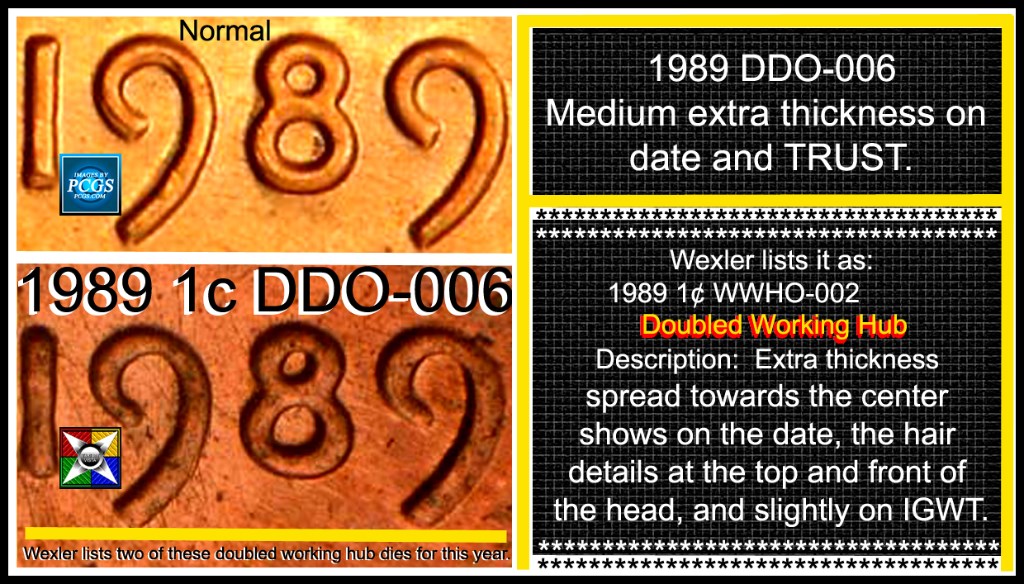
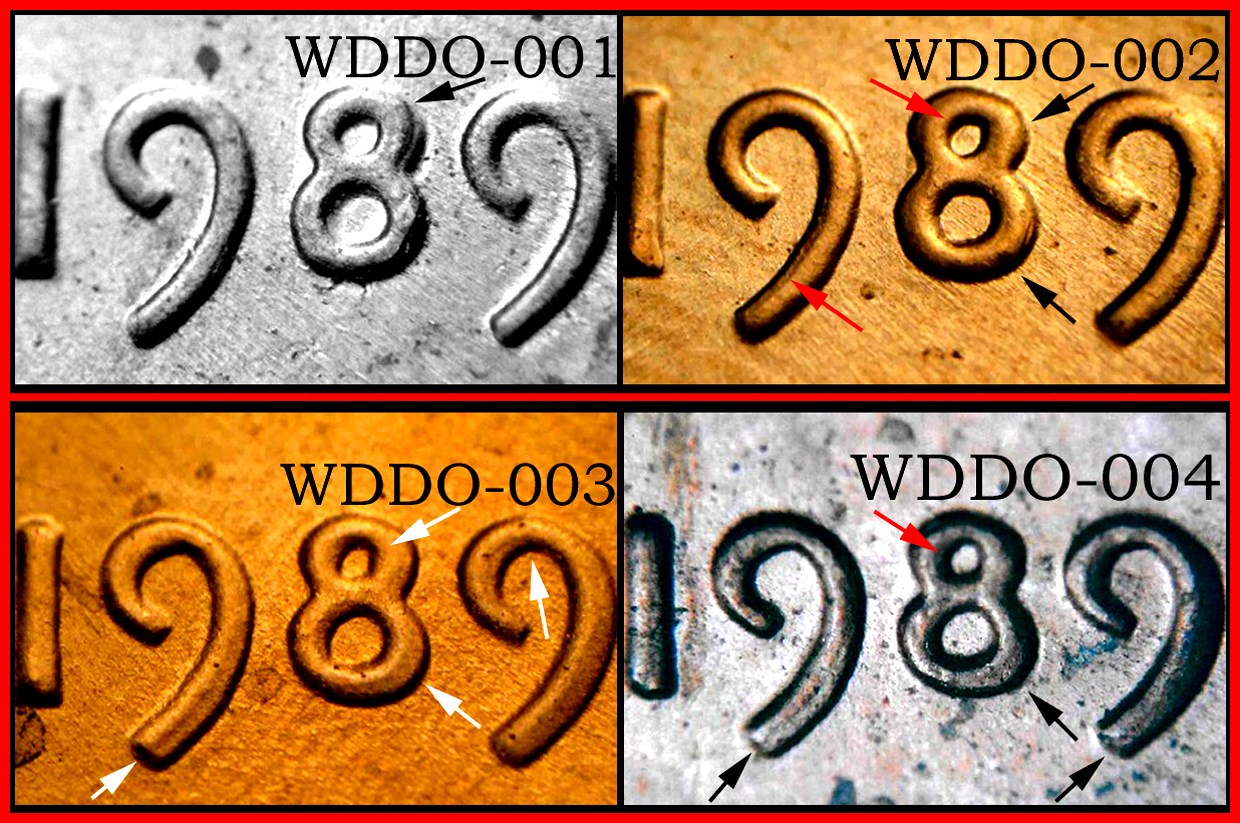
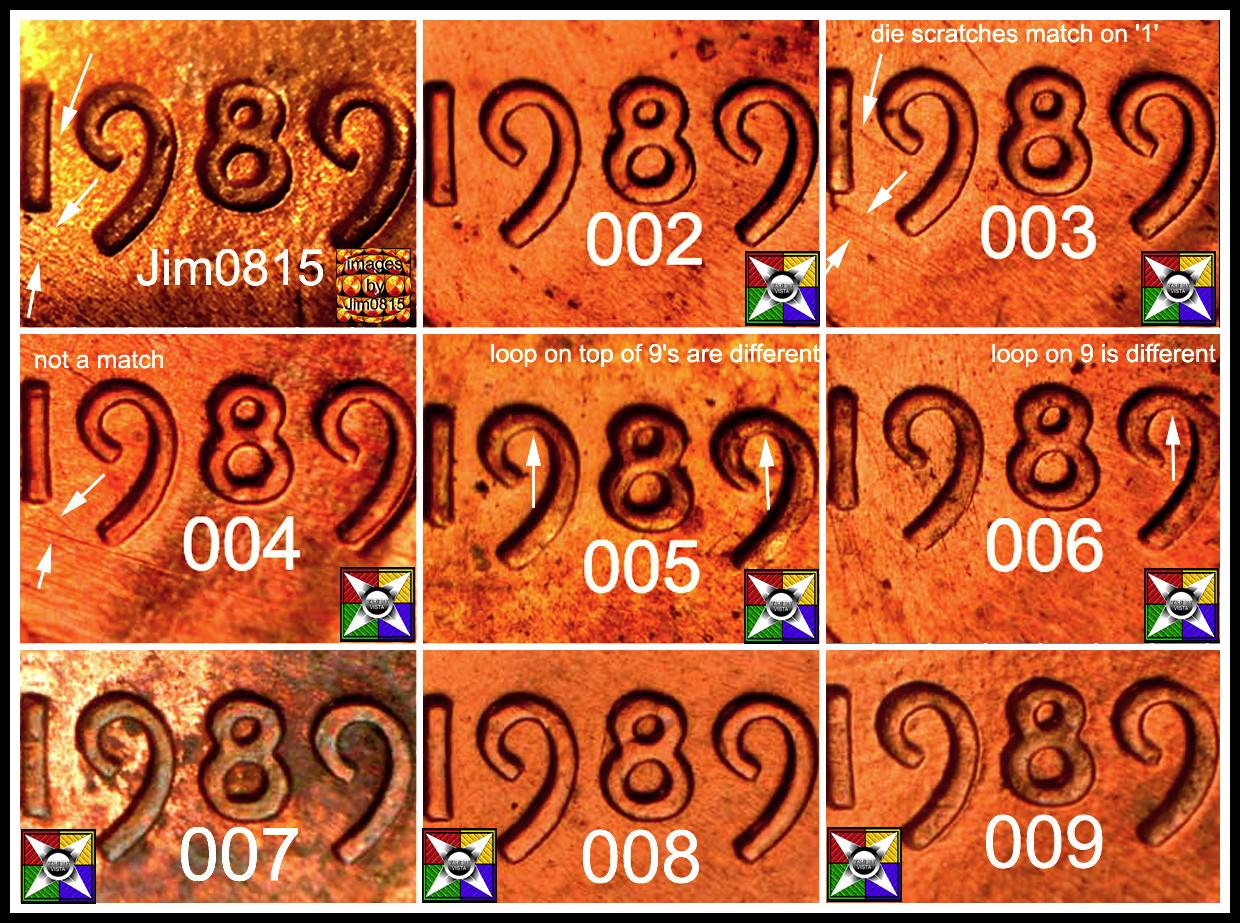
Note how each of these have a different number on them? Those are different doubled dies noticed on that year. (And all may not even be present that we added to this list year later.
On the cent reverse starting in the 1996 era till 2008, the doubled dies were no longer on the outside edges of the devices, by more towards the centers of the design.
Commonly referred to as bar cents.
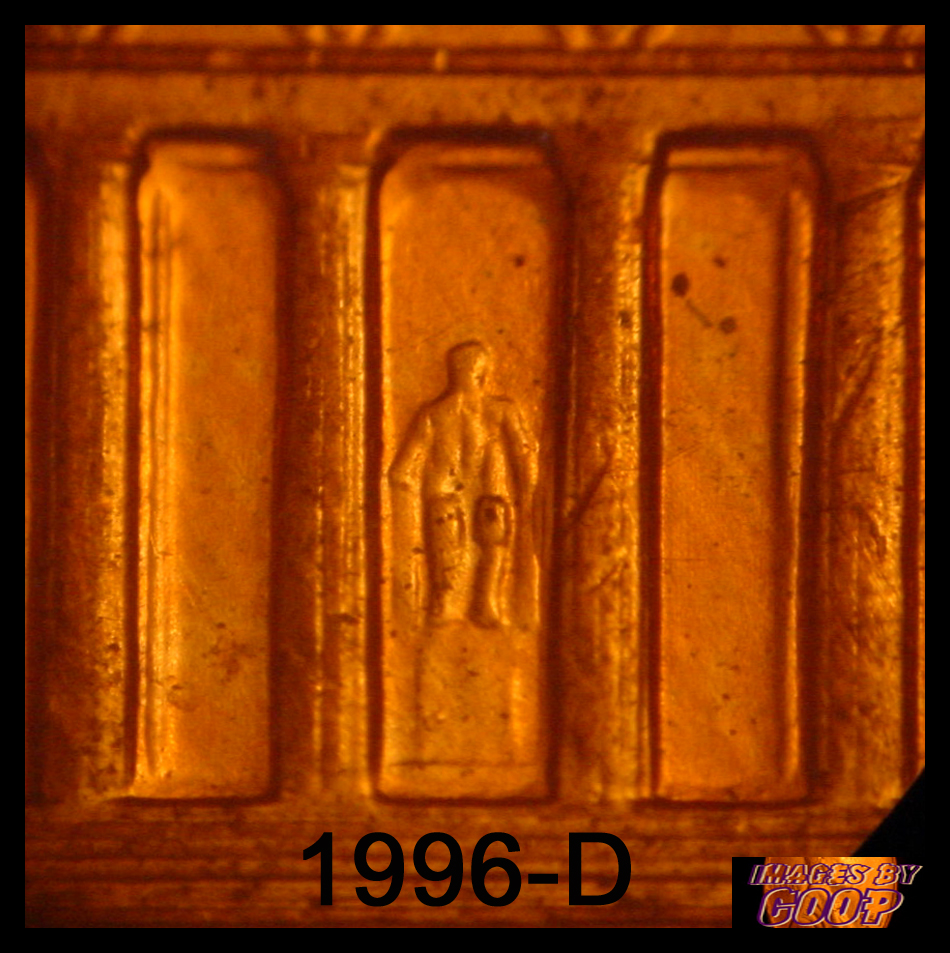
The were located in the center bay of the memorial on either the 6th or 7th column. The locations could be strong/weak, long/short in size of even copying the design twisted a bit:
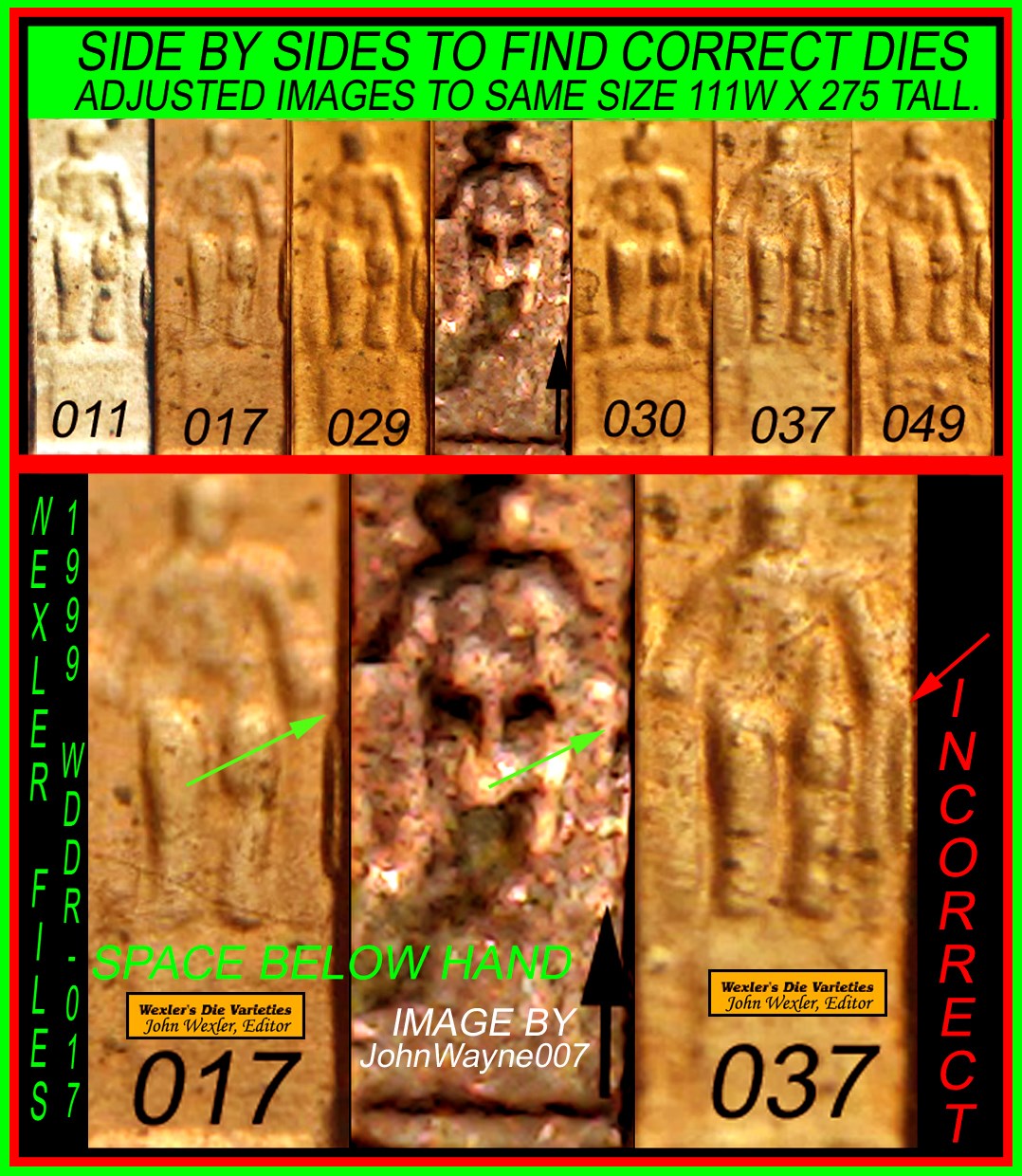
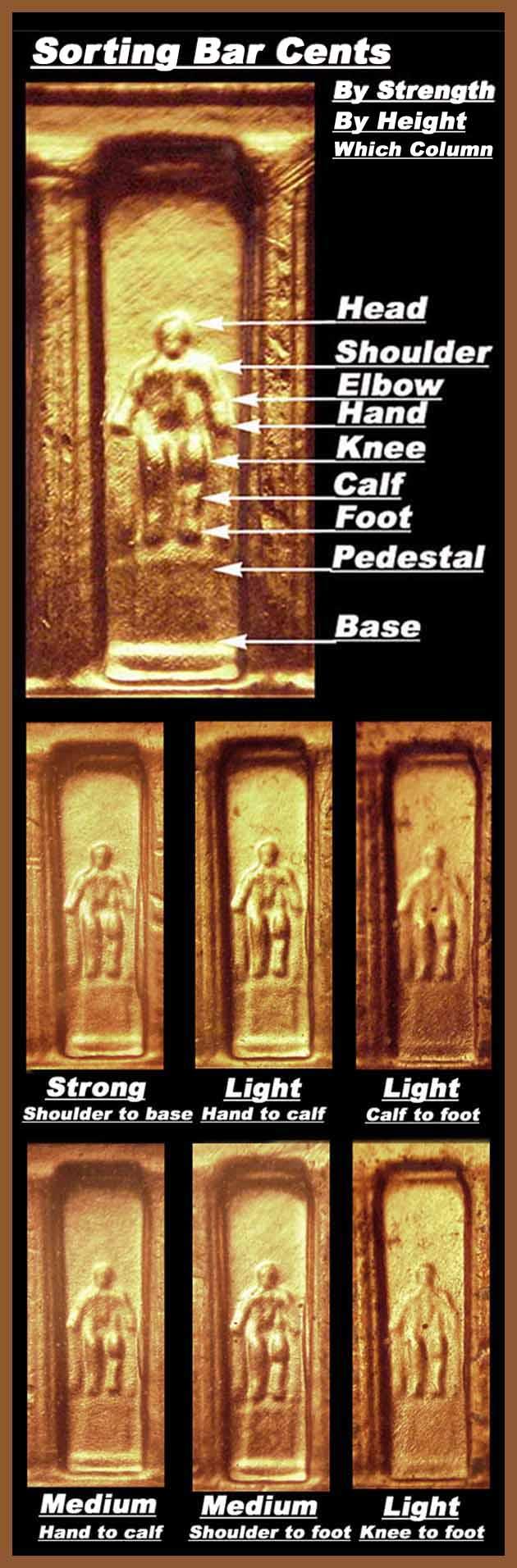
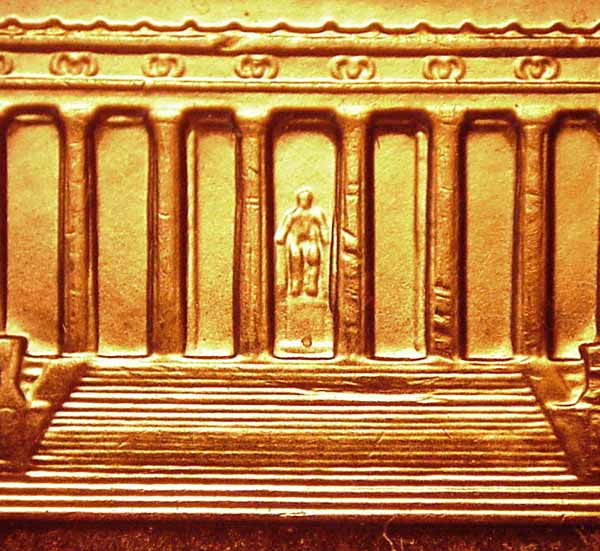
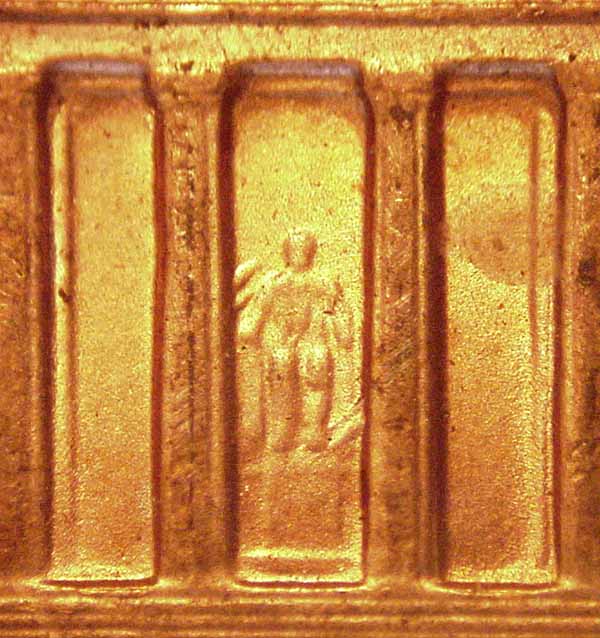
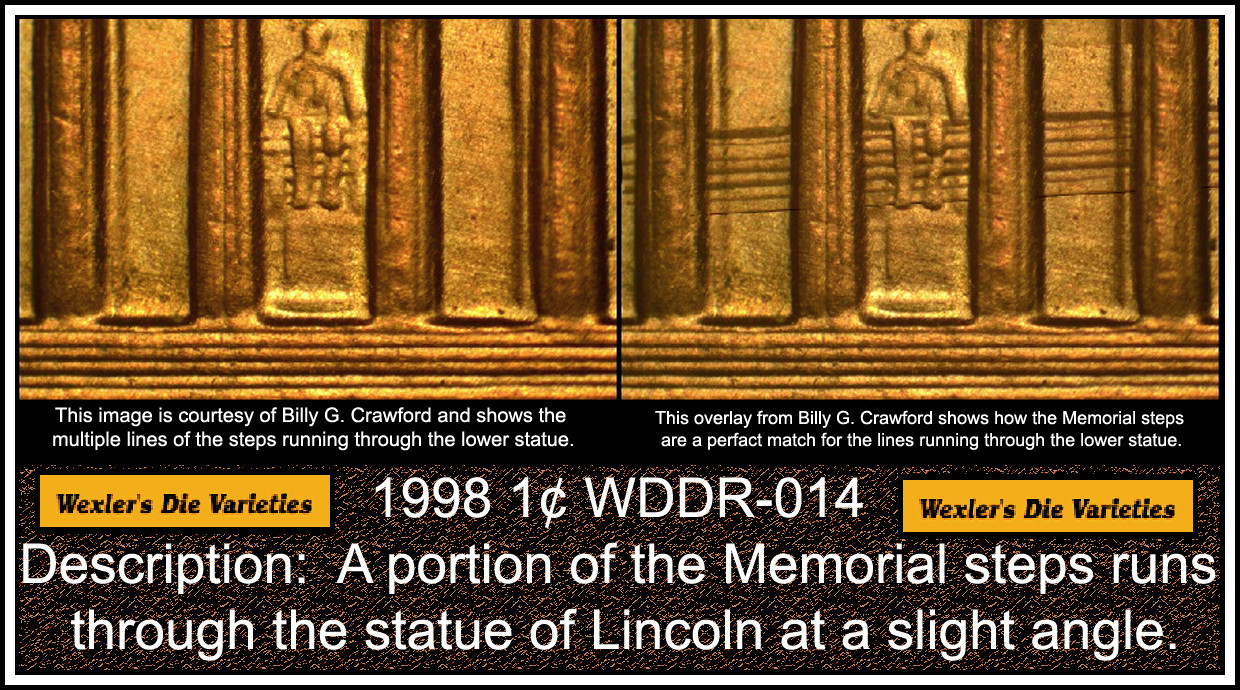
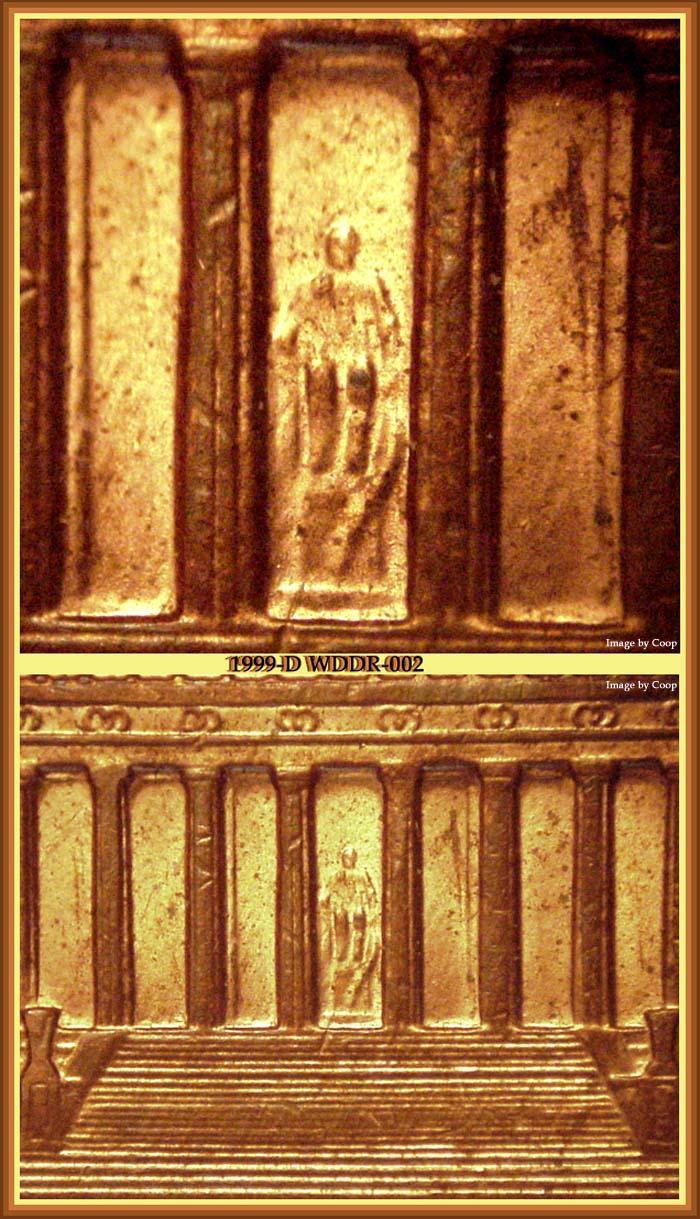
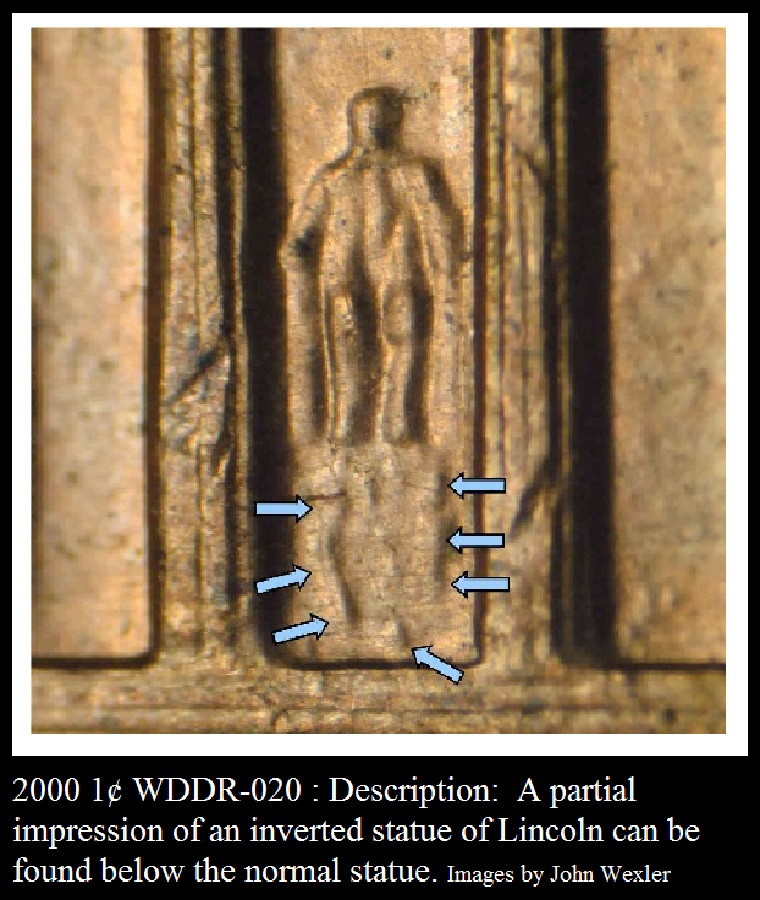
As mentioned this change was because of the different die creation. This affects not just cents, by all denominations. While this looks like a lot of information it is probably just 1% of what to learn about. So the best advice? Look at the sites and check to seen what was known in a certain year. Then you you have a better idea, what to look for during a time period. Even looking will show what to look for, but each year could have 8 different things that could happen during the dies creation that is a different type of doubled die:
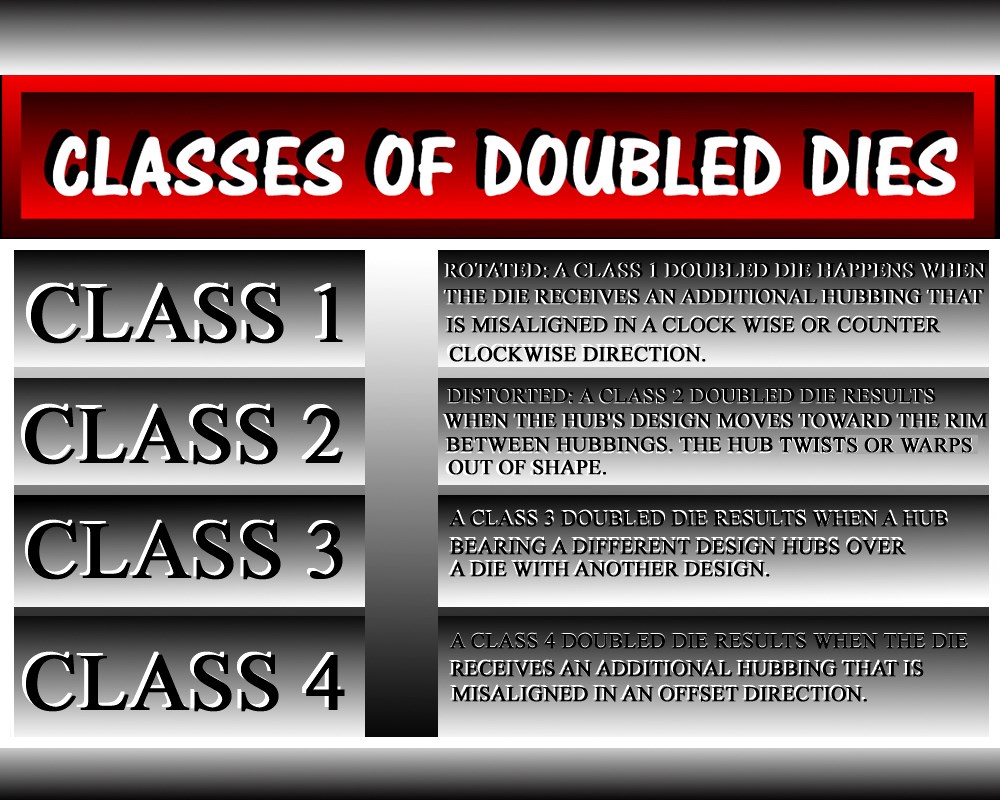
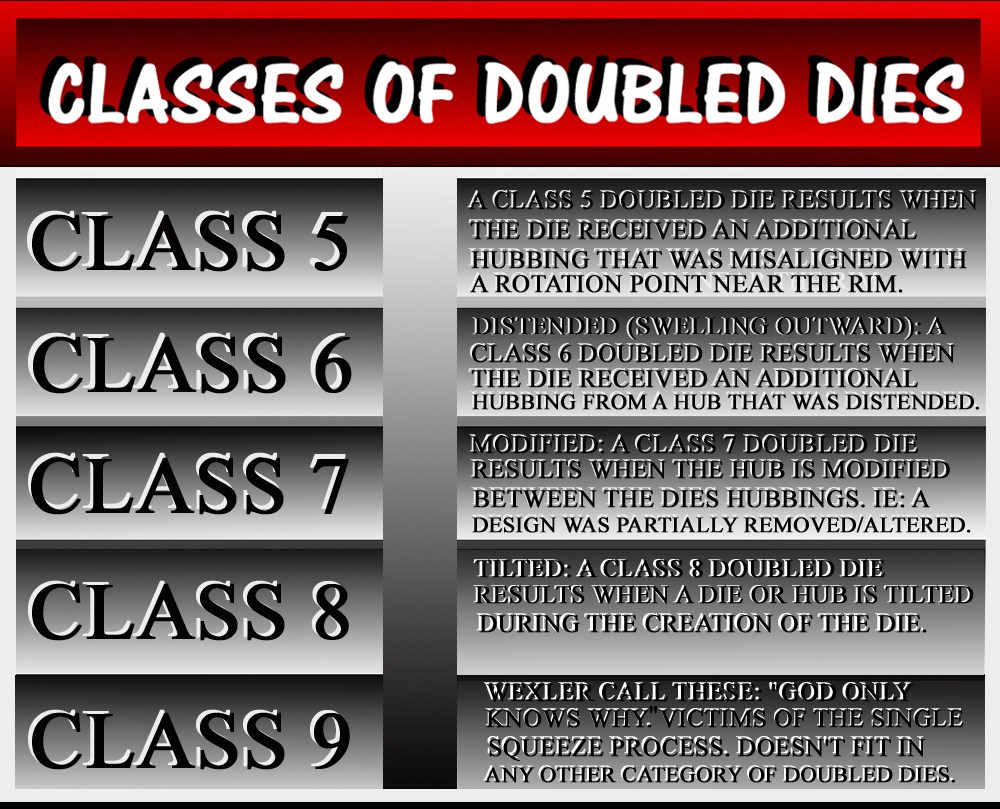
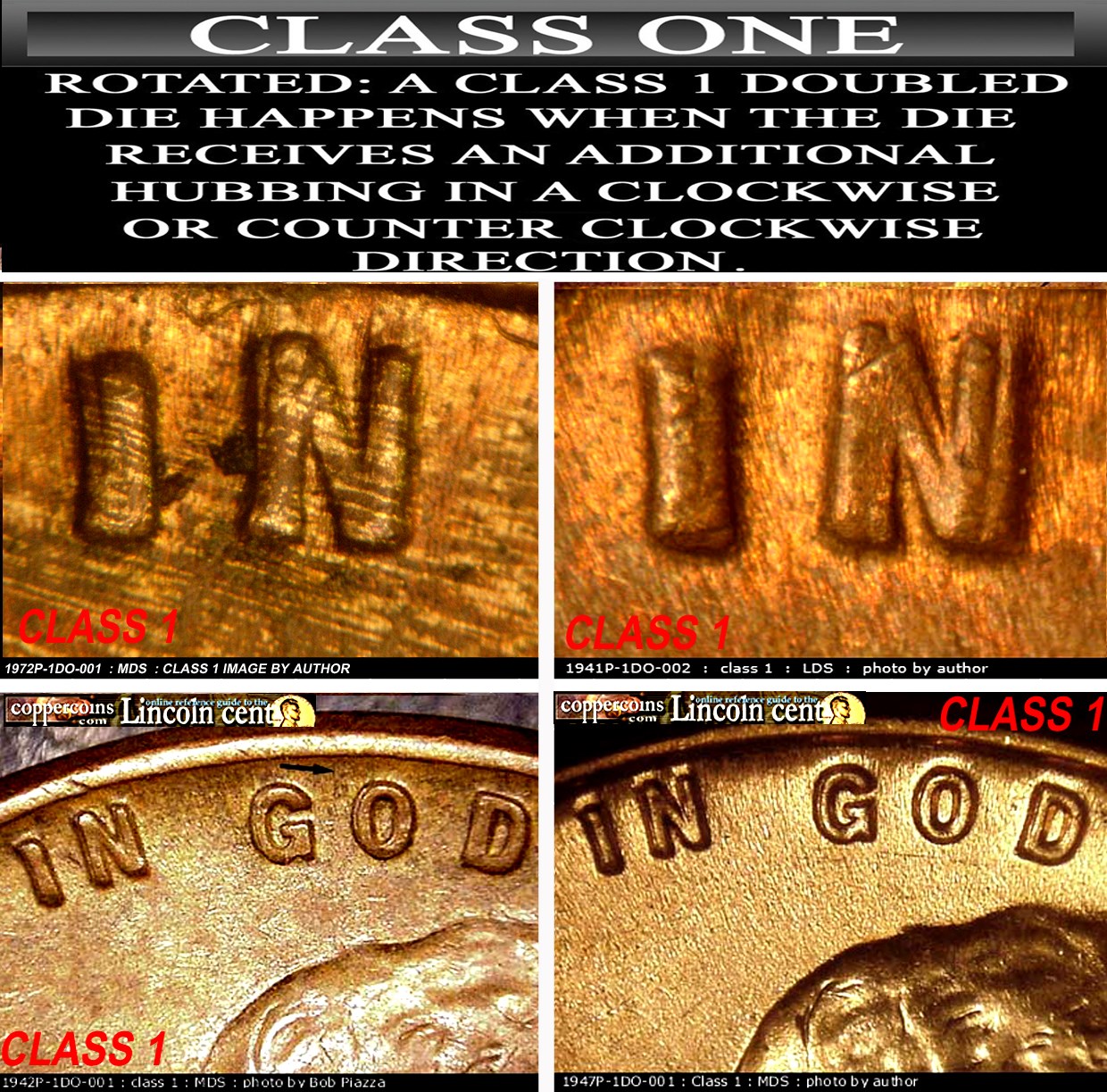
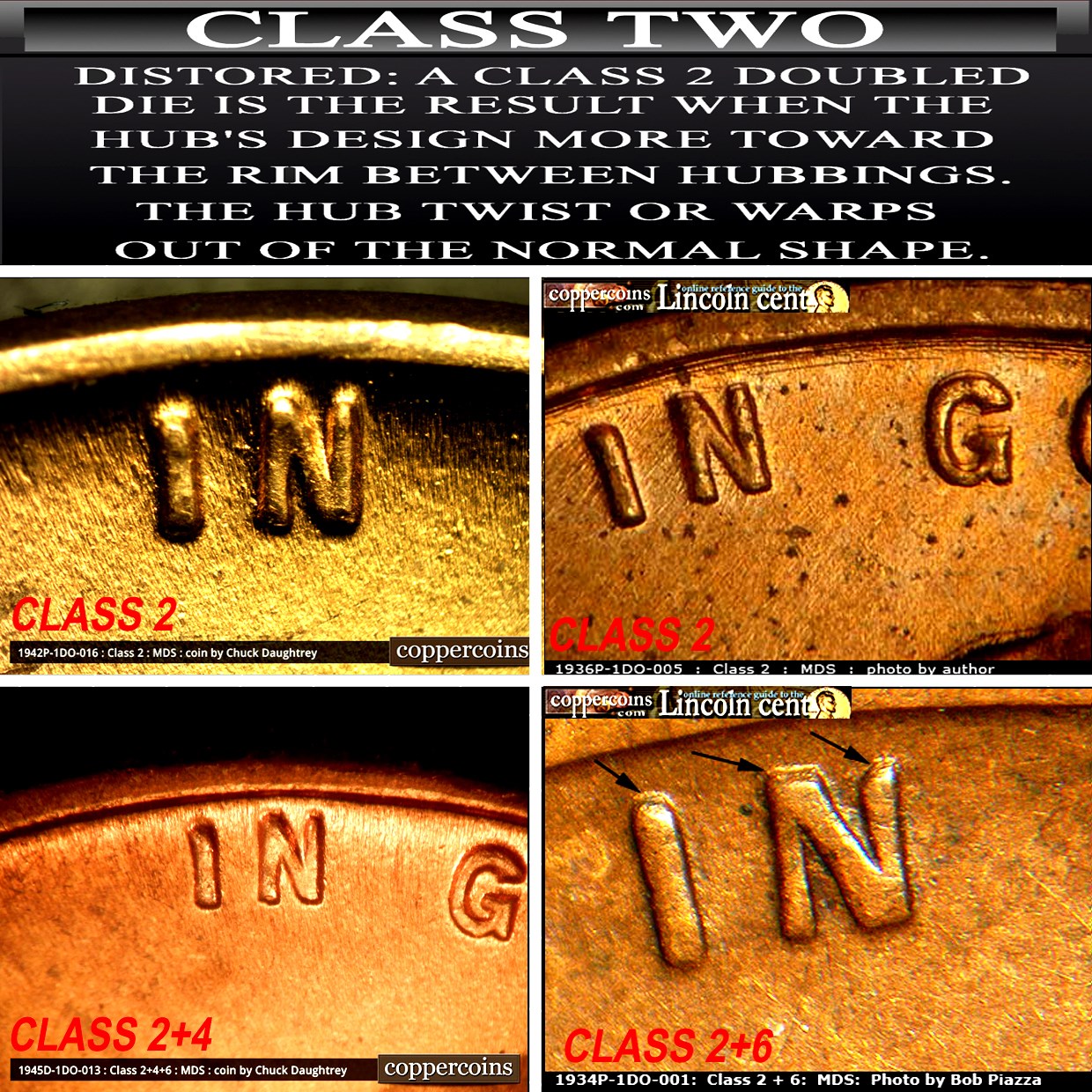
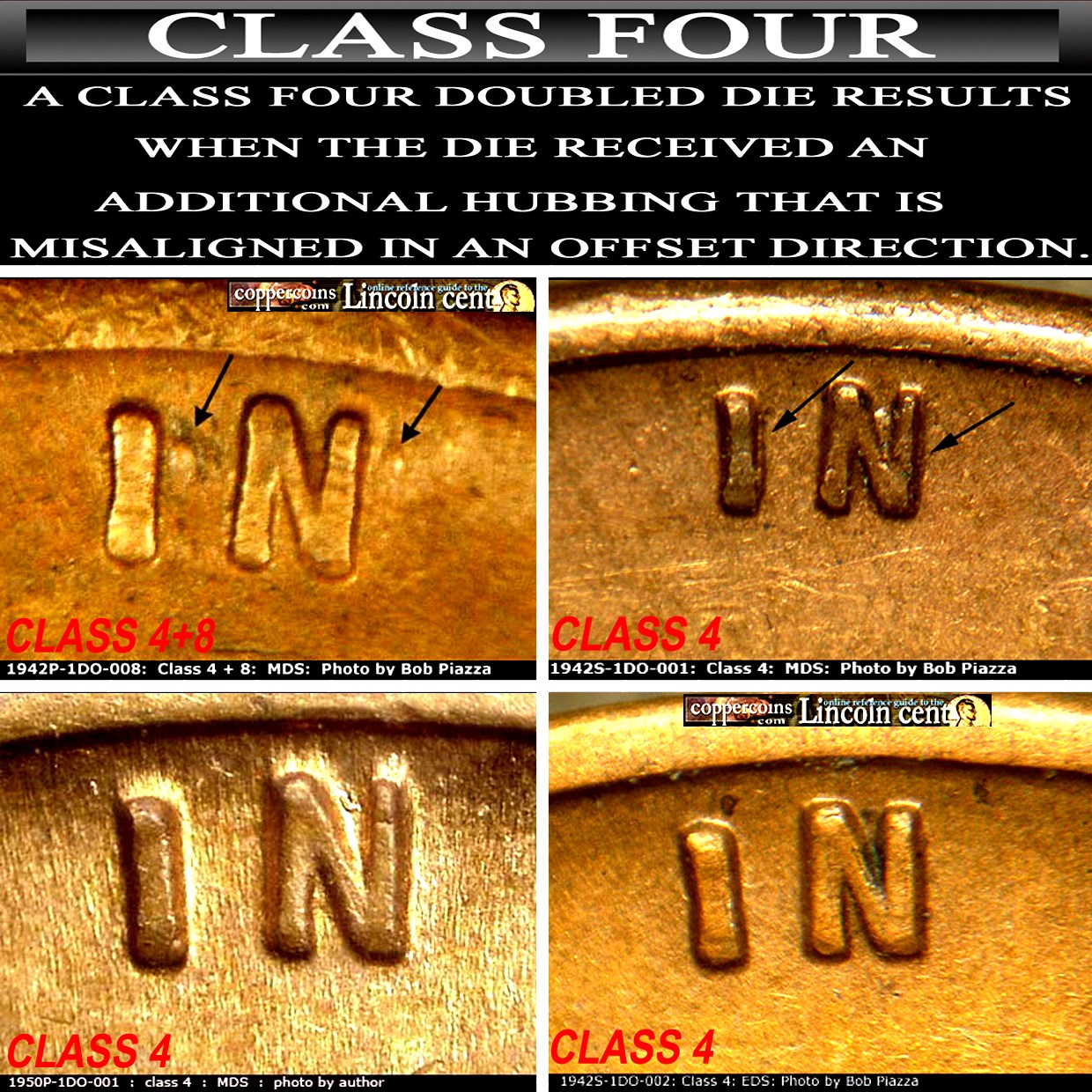
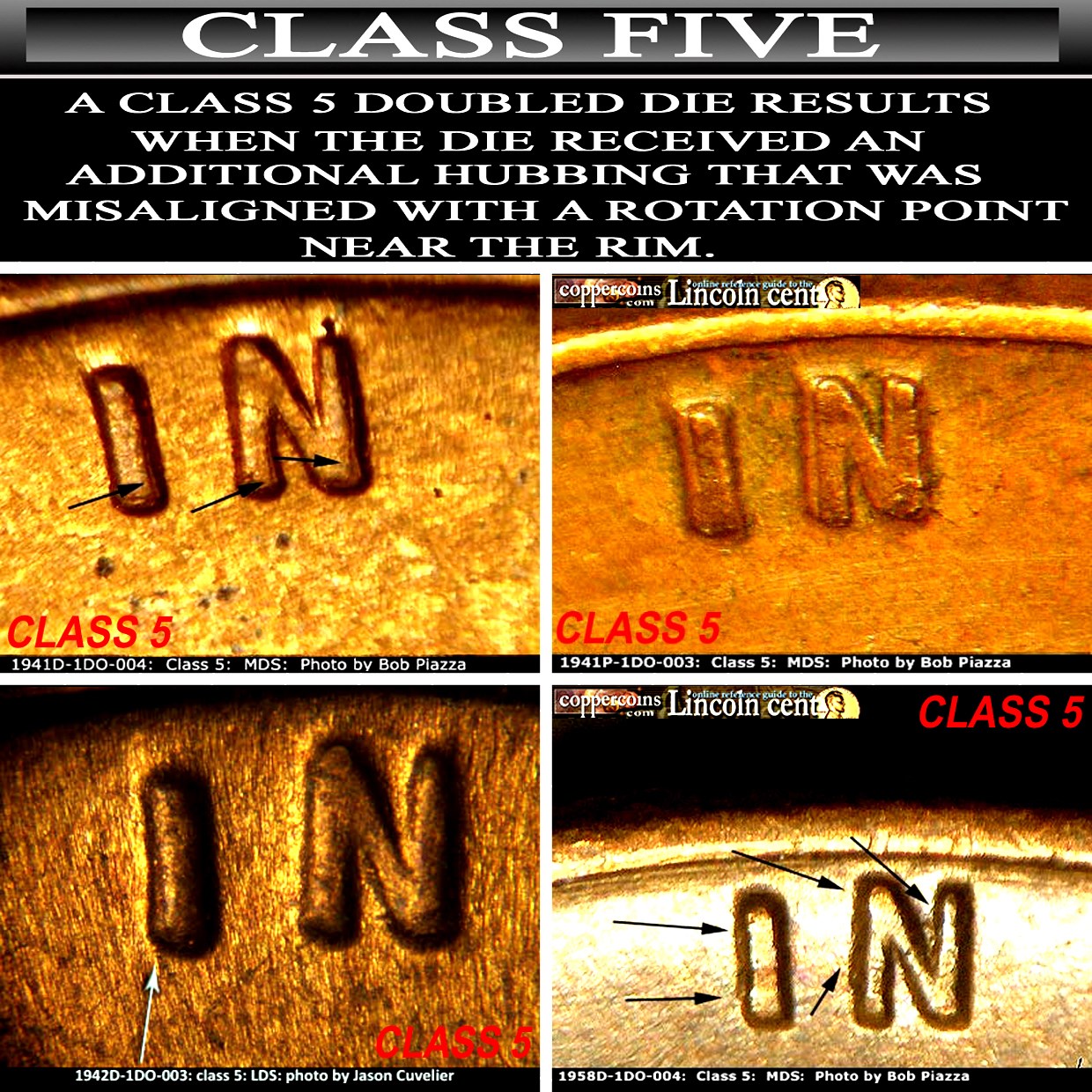
Well looking at them one at a time will again help to know what to look for on these:
Class one:
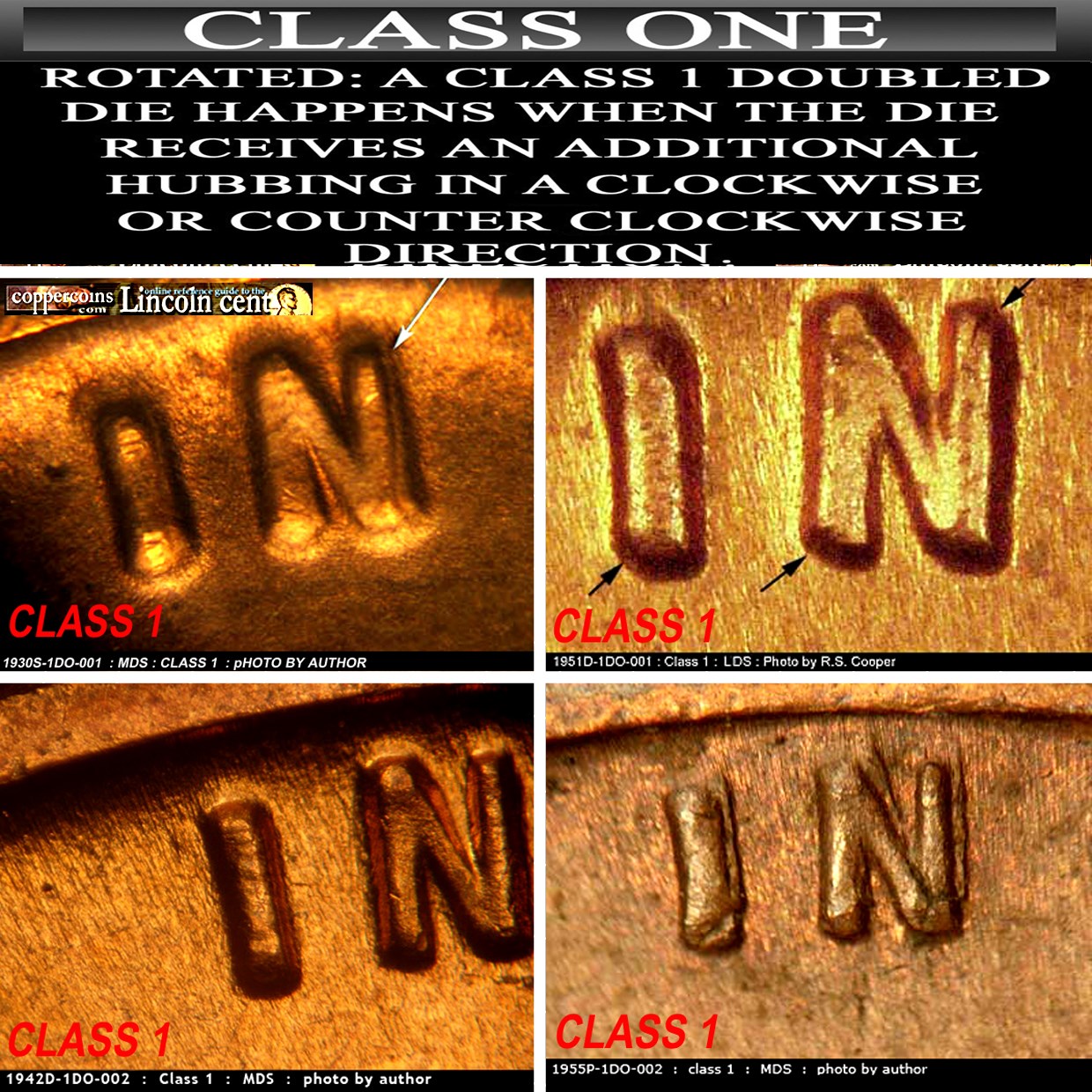
Class two:

Class three (none listed yet on this series:
Class four:
Class five:
Class six:

Sorry this is as far as I got to far on this project. But I posted them to show that there is a difference of how the die was created, what caused the issue. We are probably up to 2% now. But this thread is getting longer by sentence. So I'd better stop here, for now. (110 images)
CoopHome:
Seeing a doubled die compared with a normal coin is just the start of your education of doubled dies. 






 Posted 07/02/2021 11:04 am





