| Author |
 Replies: 14 / Views: 1,187 Replies: 14 / Views: 1,187 |
|
|
Valued Member
United Kingdom
59 Posts |
Hi guys U recently bought an Antoninianus fairly cheap. Below are 2 pictures of the same coin. I won't say at this stage which is the before and which is the after as I'm curious as to which of the 2 states the coin is in (if you had to pick 1) would be preferable to you. Sadly there are significant scratches at the bottom of the bust which were there when I received the coin. Cheers Jay 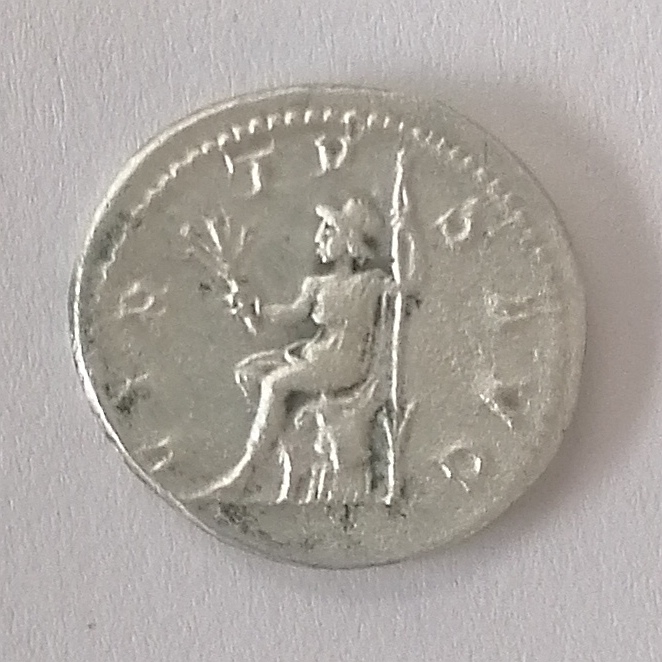 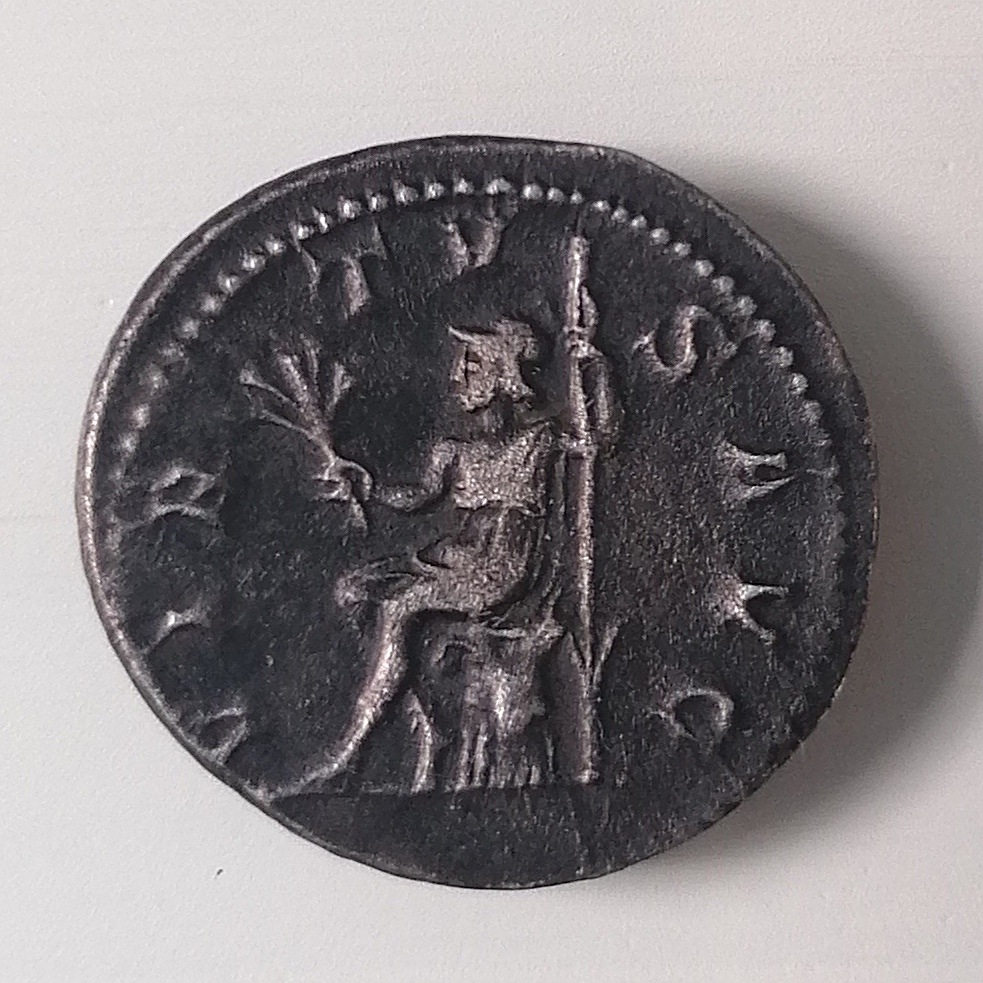 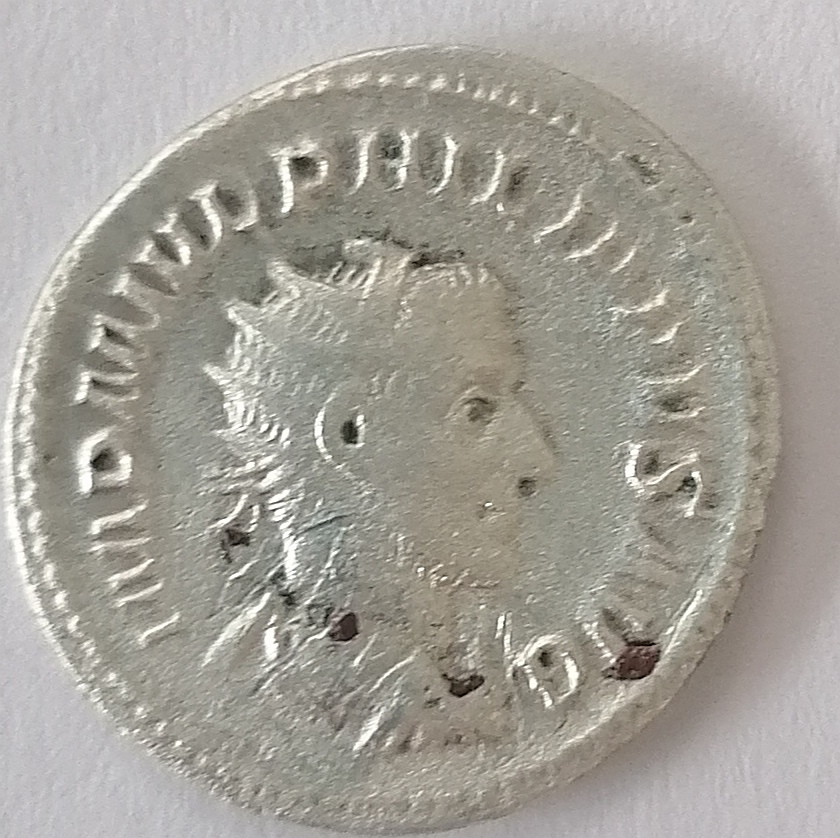 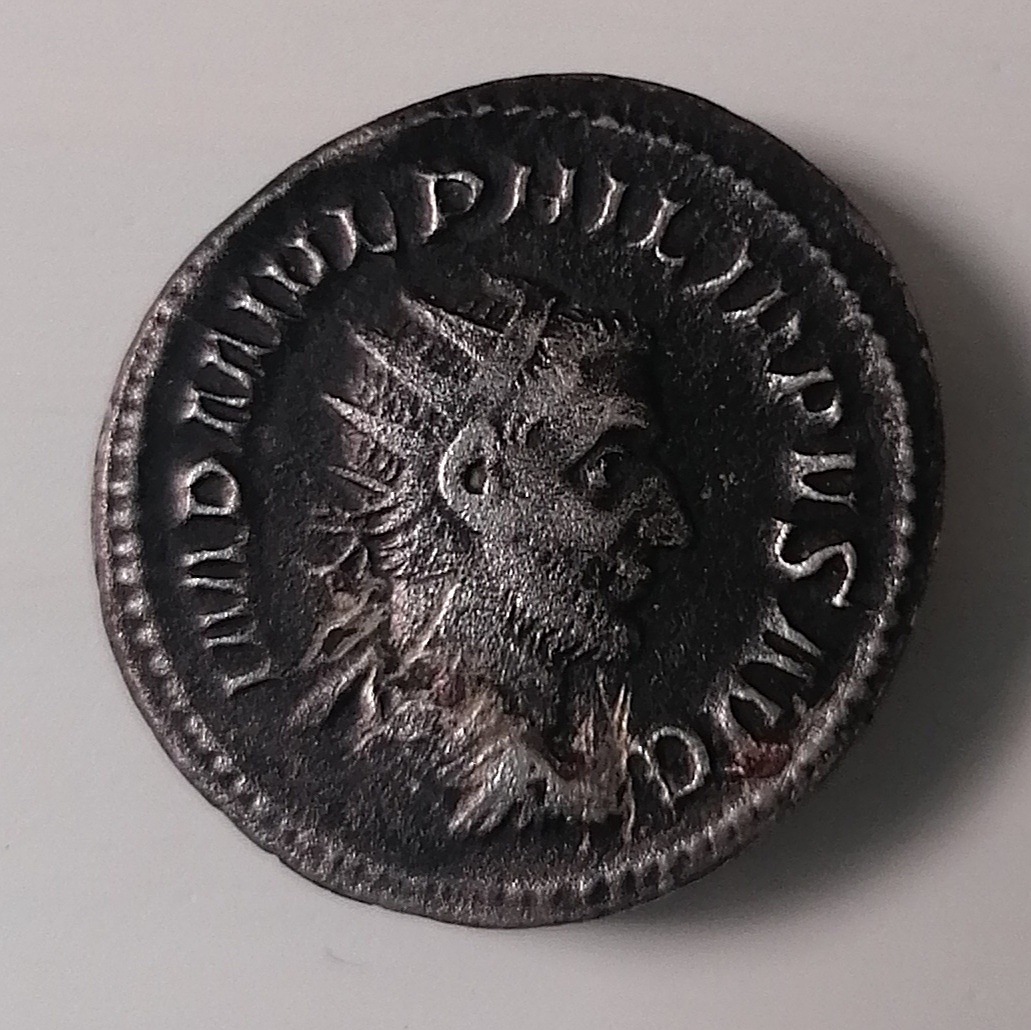
|
|
|
|
Pillar of the Community
United States
7066 Posts |
Like most admirers of ancient AR's, I prefer to see some toning rather than over cleaned surfaces. In this case, I do wish that the tonal contrast (on the toned version) between the fields and devices was a bit more subtle. There are, I believe, ways to speed up "natural" toning, as opposed to applying products. Not sure what work was done here, and in which direction.  |
|
Pillar of the Community
United States
616 Posts |
Agree with Bob 100%. Both are extremes that hurt the eyes.
|
|
Valued Member
 United Kingdom
59 Posts |
Hi Bob So the 1st picture where the item was bright silver due to over cleaning was how I purchased it received the coin. Like you I prefer natural toning so have been exploring options to find the best way of achieving this. I am not a fan of applying fake patinas, or tone paint at all. After research and practice on total slugs its seems when it comes to silver the best way to speed up natural tuning is by placing the coin in bleach. It only takes 30 session to 2 mins and you can see it darken before your eyes so you can take it out and rinse it off once it achieves a shade your happy with. The 2nd part of this process applies to all silver coins inc those naturally toned or those retoned using the bleach technique, which is to use a white eraser just like the pencil erasers on the top of your pencil. The eraser is gently rubbed over the areas of the coin you want to lighting, scale back or even remove the toning from. This works well because it hits the raised points of the coin so the effect its the same ad natural wear on a toned coin. I agreed about the toning on the coin above been to dark. I wanted to blend in the dark dots (seen in the brightly cleaned pictures) and work back from there. Below are 2 further pictures are using the reader to further lighten the coins toning. Cheers Jay 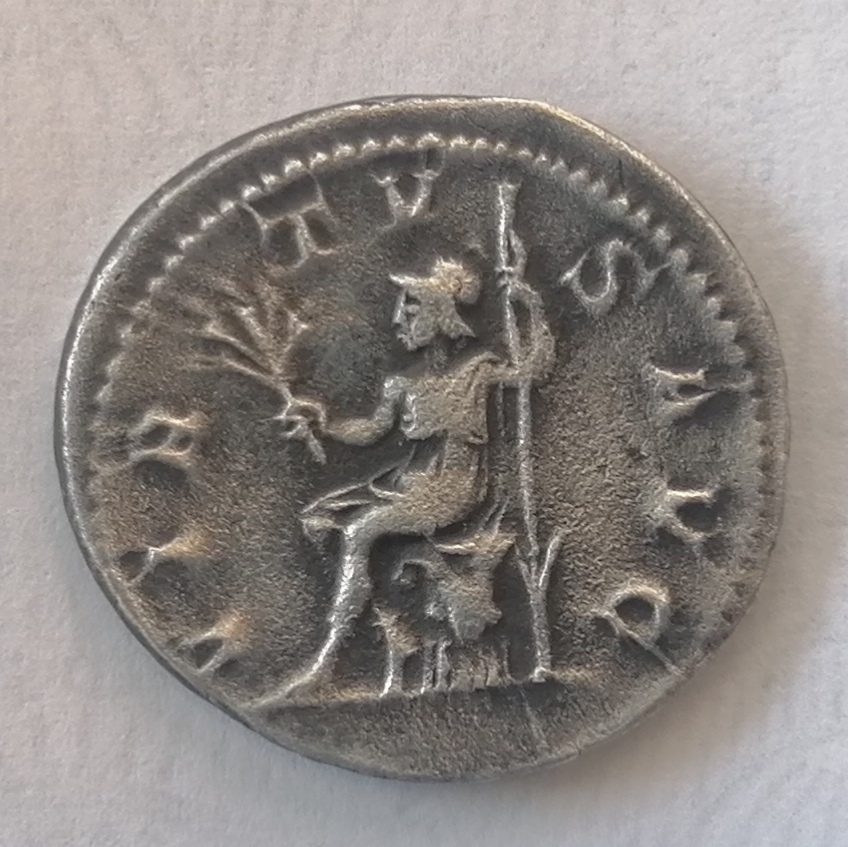 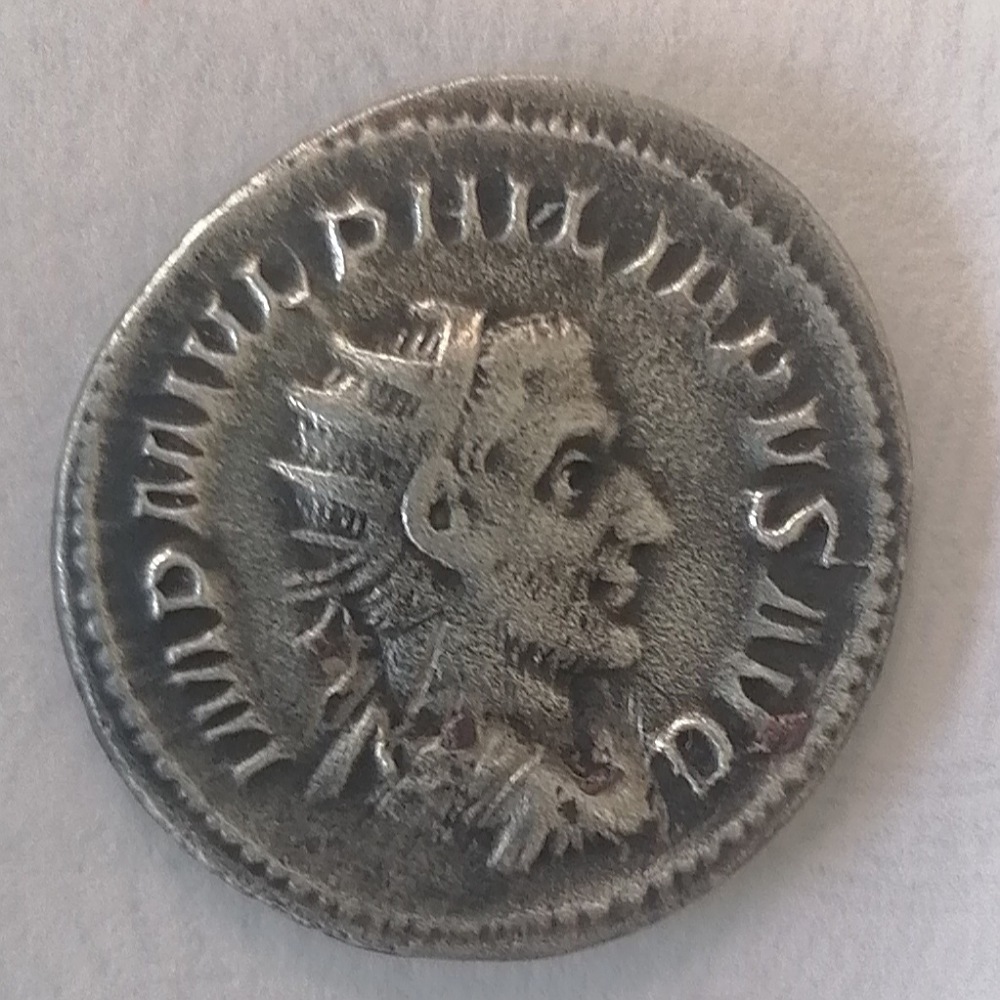 |
|
CCF Advertiser
 United States
1311 Posts |
Interesting. Sometimes people over clean a pure bronze low end coin in like a rock tumbler and they all look bright copper then they do something chemically to tone them back. I am not saying that is correct but they are starting with a uniform material is what I am pointing out. If the original Roman coin was not silver pure, but an alloy in which the Romans themselves made it look very silver by chemically treating the coin to remove surface copper atoms and thus creating the illusion of a much higher percent silver then the coin really was, you are in real unknown waters if you try anything chemically as you could lose the surface. The truth is if you own the coin you can do with it what you want. I had a buyer recently want to return a coin that was missing a letter and he thought that it was not real and after much discussion online with forums found out it was just a Byzantine mint issue. But the point I kept making to him was I always take the coins back but he over cleaned off the patina then wanted to return it. He did not understand it was odd to send it back so changed and pointed out an artist can do whatever they want. I agreed that was true and you can do whatever you like as well to your coins and in some cases you might enhance the value and the work you are doing shows you are quite interested in giving the coin the best look it can have for future generations. But it was no longer what I sold him in my opinion anymore.
|
|
Pillar of the Community
United States
1120 Posts |
Bleach  Never knew that trick. For over cleaned silver, I've always boiled a few eggs and hung the coin in a sealed jar. There you have it, natural toning thanks to the sulfur in eggs. |
|
Pillar of the Community
United States
7066 Posts |
Quote:
For over cleaned silver, I've always boiled a few eggs and hung the coin in a sealed jar. There you have it, natural toning thanks to the sulfur in eggs. Yep, I've heard of this one a number of times before. |
|
CCF Advertiser
United States
1311 Posts |
Travelcoin:
We don't put coins in PVC because the chlorine is a real problem with bronze. Bleach has a lot of Chlorine and using on pure silver is one thing, but were the Philip antoninianus coins even 50% silver? The rest has to be something that reacts with bleach so this could be an issue later on. I don't know for sure of course and the coin looks fine now, but that is what I was talking about with a coin the Romans enhanced the silver content of the surface of. If they even did in this case, there are probably a huge variation of coin silver percentages to consider.
|
|
Moderator
United States
34476 Posts |
Current condition is my preference too.
"If you climb a good tree, you get a push."
-----Ghanaian proverb
"The danger we all now face is distinguishing between what is authentic and what is performed."
-----King Adz
|
|
Valued Member
United Kingdom
59 Posts |
Quote:
Current condition is my preference too.
Did you mean the final result Spencer? To travelcoin the sulpur release to create natural toning via the eggs and jar method also works great I just find the bleach dip method easier to control and less fiddly. Note the toning is the same as a natural toned coin i.e. it does rub of come away in your hands. The only way to remove it it gradually via the white eraser which is how I came to final result. Or bsck putting it bsck into foil, hot water and baking soda (which is how people and taking the tuning off in the 1st place). Jay Jay |
|
Pillar of the Community
 Spain
2752 Posts |
This hasn't been mentioned yet but I'm interested in whether the coin is for your own collection?...In which case if your happy with the result (The last photos you posted are aesthetically more pleasing) so everyone to their own.
But if it's for re-sale its quite unethical and would need to be described as enhanced/altered etc in its description....Just my opinion!
|
|
Valued Member
United Kingdom
59 Posts |
Quote:
This hasn't been mentioned yet but I'm interested in whether the coin is for your own collection?...In which case if your happy with the result (The last photos you posted are aesthetically more pleasing) so everyone to their own.
But if it's for re-sale its quite unethical and would need to be described as enhanced/altered etc in its description....Just my opinion!
Hi yes I can confirm the coin is for my collection. I agree with your opinion with anything that's fake, replica etc when it comes to coins inc fake toning paints which can come off on people's hands fake green patina paints etc. However I do feel this case is somewhat different because the toning is exactly the same as natural toning caused by the same chemical reactions. Silver will react when exposed to ozone (a highly reactive and unstable form of oxygen), hydrogen sulphide, and some other chemicals. The most common cause of toning, tarnishing, or discolouration of silver is hydrogen sulphide, which can and does occur naturally in many atmospheric conditions. Depending on the coins location and storage will dictate the levels of sulpur its exposed to in the surrounding atmosphere so the toning may occur over months, years or even decades. It's why coins in old collections are sought after as the toning has been become balanced and appealing after many years out of the ground. The bicarbonate soda simply strips off any toning on the surface of the coin but it doesn't interact with the silver in anyway. This is how those who want a shinny silver look achieve this. Many Ancient coins are sold having had this done previously as we all know this tends to devalue the coin. The bleach soak or hang the coin in a jar of eggs technique releases much higher concentrations of sulpur than found in the atmosphere in a short window of time, however its the same chemical processes exactly just rapidly speeded up. Finally a white eraser allows you to remove any toning from the raised areas of silver coins gradually to allow a more aesthetically pleasing finished and removes the need to carry the coin around in your pocket for however long to cause the toning to wear off the raised parts. I'll say this most big sellers and dealers have used these techniques for many many years. So you really have no way of knowing if that really nice toning on your silver denarius was caused by the atmosphere, storage conditions over years mixed with some good luck or if the above processes were used. I personally won't pay what's sometimes a huge premium for aesthetically pleasing toning on a Silver Ancient coin knowing what I know. Cheers Jay Edited by jaymassive79
07/16/2021 1:56 pm
|
|
CCF Advertiser
United States
1311 Posts |
Jay:
In response to: "I'll say this most big sellers and dealers have used these techniques for many many years."
Respectfully, no we don't. And I am not going to intentionally ever turn a noble zero oxidation state silver atom to a plus one ion in a salt and then erase some of the silver ions to dust to the floor of my house. Either way a declarative statement that most big sellers and dealers do this would have to be backed up with evidence so at the very least you might have said, in your opinion only you suspect most large sellers and dealers do that. CNG and Roma Numismatics etc are not doing that as you can check the coin in a sale before and see it online often from sale to sale and that would be noticed. And when I said no "we" don't I realize my 1200 sales this year so far does not at all make me a large dealer, so I'll say even a small dealer like myself in my case does not do that. That is strictly what a collector does I imagine and as I said before you own the coin and you are certainly able to do what you wish with it and yes you can enhance the look of your coins and I am sure your collection will sell just fine after you pass them on to your family and they end up auctioned by an auction house or even someone like me. Many coins I sell have cleaning scratches from past collectors and perhaps have gone through treatments like you did back in the 1960's 2 collectors ago. But when a dealer gets it we see it as inventory and pass it along as we got it.
|
|
Pillar of the Community
United States
1120 Posts |
Quote:
... for re-sale its quite unethical and would need to be described as enhanced/altered etc I agree, I once bought a coin and when I put some Renwax on it, off came the patina. Didn't make me feel all that great, but I hardly paid anything for it, so I kept it. A $15 lesson - not bad. At least with using a natural way of speeding up toning (eggs) it does not rub off - it's toning. I also bury over cleaned bronze coins, just dug up a few and they look great. Again, natural. Don't get me wrong, it does not duplicate a 1000 year old patina (nothing can do that), but it darkens the coins and brings out some highlights - green, red etc.. |
|
Pillar of the Community
United Kingdom
725 Posts |
I would feel happier with the over-cleaned coin. Almost all ancients have been cleaned so it's not like you have to worry about cartwheel luster. I would hope they only did what they had to do. Re-applying patina is just messing with it further. To be honest, I avoid coins with patinas that might be suspect.
I agree any treatments should be declared, no matter how 'natural' the processes are. 'Cleaned and re-patinated' at the very least. I often see coins described as 'cleaned but since re-toned.'
Anyone would complain if someone sold a modern replica without declaring it, arguing they used the same methods and alloys as an original. A reproduction patina is no different.
Edited by JohnConduitt
07/18/2021 08:01 am
|
| |
Replies: 14 / Views: 1,187 |
|







 Posted 07/14/2021 09:47 am





