| Author |
 Replies: 8 / Views: 1,122 Replies: 8 / Views: 1,122 |
|
|
CCF Advertiser
 United States
1318 Posts |
|
|
|
|
Pillar of the Community
United Kingdom
725 Posts |
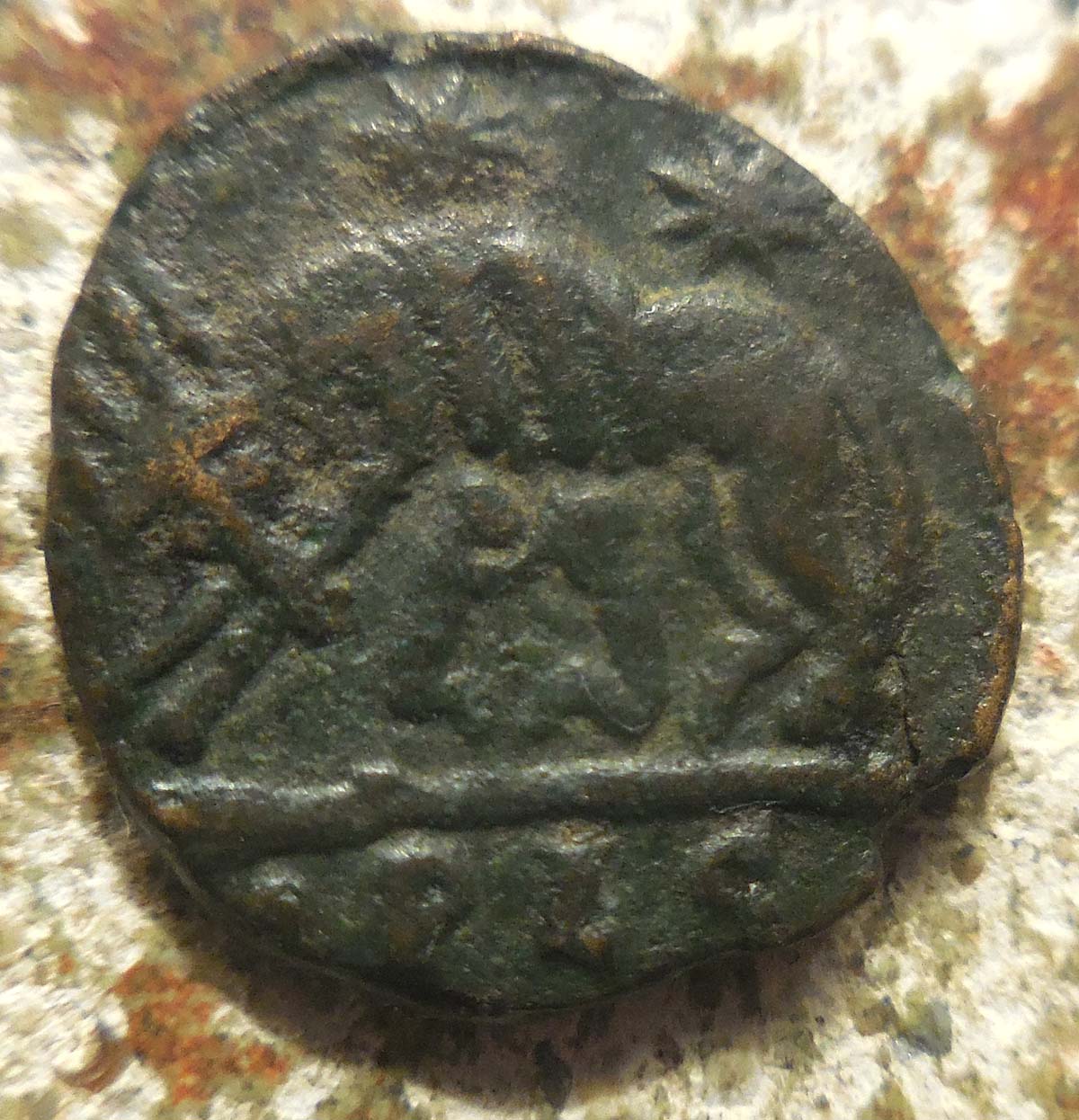
It would be a barbarous imitation.
|
|
CCF Advertiser
 United States
1318 Posts |
John;
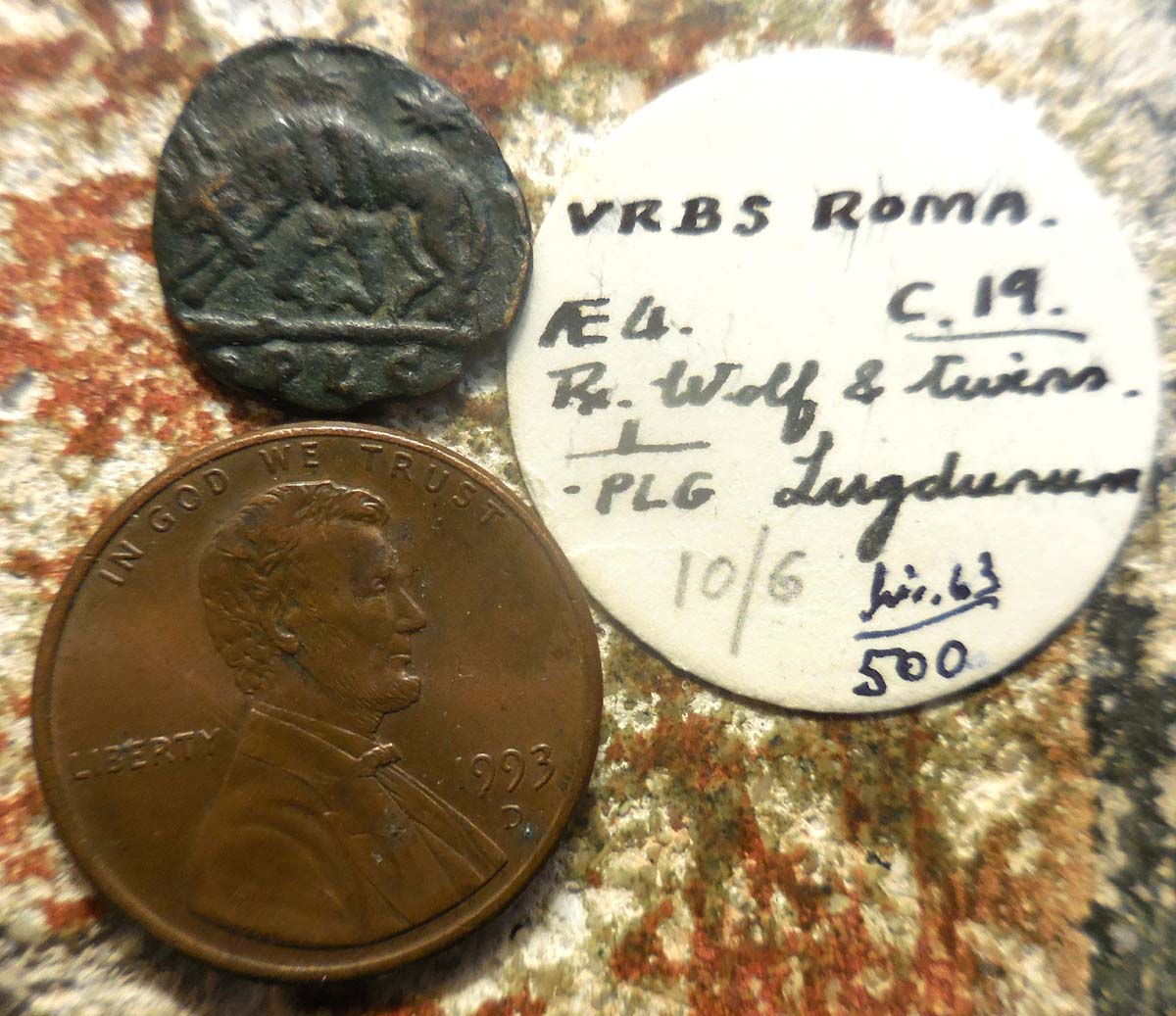
So if it was to pass for real currency, I am assuming unless they had a separate system and mimicked the Romans, why make it so darn small if it has to pass for real? Unless Bronze was hard to come by? That is a tiny die with a complete coin on it that they used.
|
|
Pillar of the Community
United States
1554 Posts |
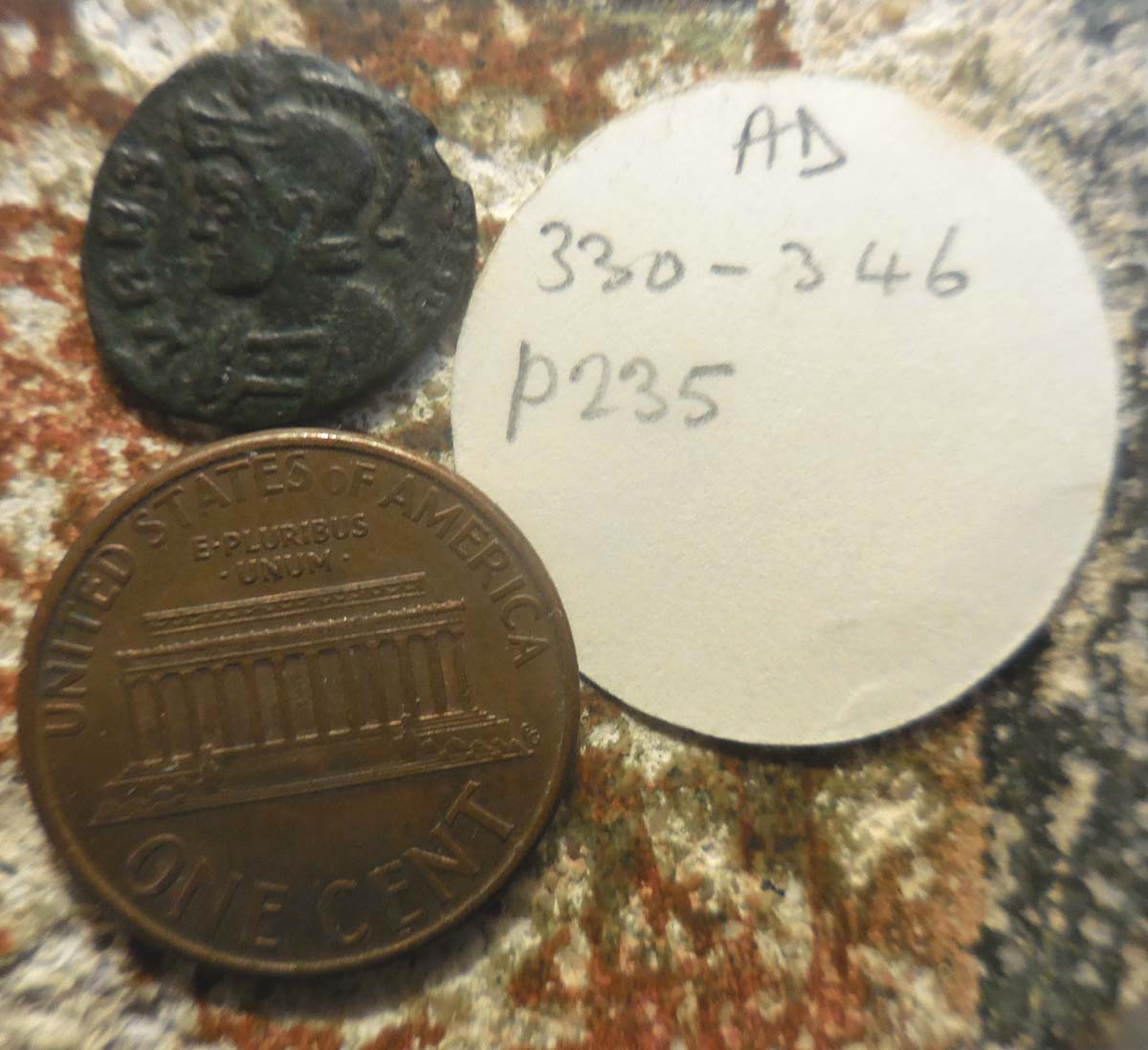
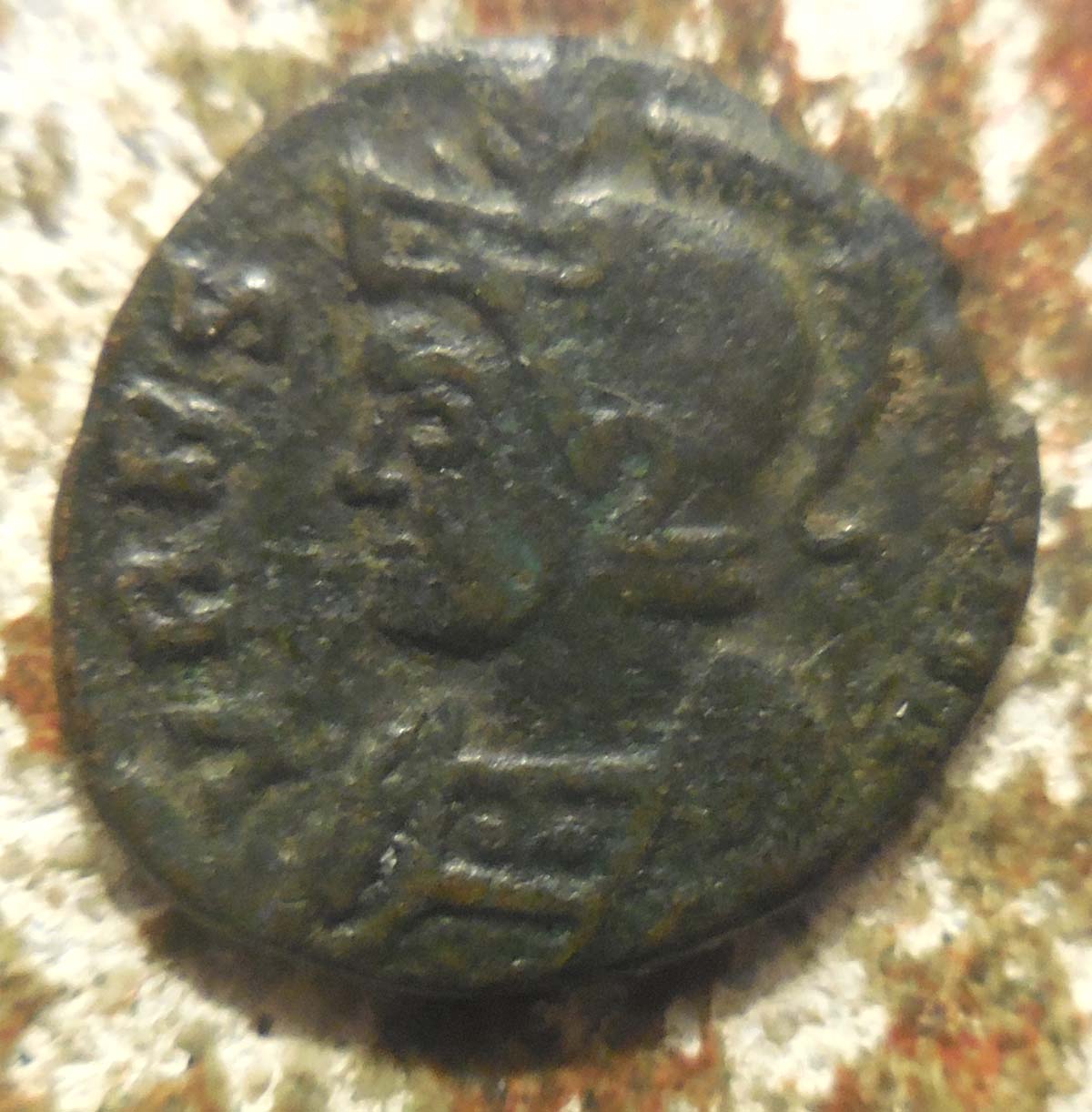
While "barbarous" is the usual term, coins such as the op are perhaps best understood as contemporary counterfeits or imitations, though modern concepts of "counterfeiting" are not always useful. Bear in mind that over the first three decades of the 4th century, the size of the official bronzes in circulation diminished steadily from the large Tetrarchic issues down to 17mm or so. Most folks would not have paid much notice when even smaller coins began to appear in the marketplace. Counterfeiting of the GLORIA EXERCITVS, VRBS ROMA and CONSTANTINOPOLIS types began shortly after their introduction and at close to official module, likely using demonetized Tetrarchic nummi and Constantinian centenionales as raw material. After the reform of 335 which introduced the smaller "single standard" GLORIA EXERCITVS, the module of the imitations declined over time down to tiny minimi. This is believed to be the result of successive recycling of the same raw material. The difference in number between the coins collected as raw material and the counterfeits produced represented the counterfeiter's profit margin. This wave of large-scale counterfeiting seems to have continued until the FEL TEMP REPARATIO reform of 348, which once again demonetized preceding types.
Edited by Kushanshah
07/30/2021 02:28 am
|
|
Moderator
United States
34539 Posts |
Great explanation @ks. Thx for helping me learn something today!
"If you climb a good tree, you get a push."
-----Ghanaian proverb
"The danger we all now face is distinguishing between what is authentic and what is performed."
-----King Adz
|
|
Pillar of the Community
United Kingdom
725 Posts |
Yes the reason they're so small is that they are not counterfeits, but 'imitations'. At certain times, perhaps of war or during a shortage of precious metals, the Roman Empire did not produce anywhere near enough coins to meet demand. Those areas at the periphery of the Empire in particular were left with nothing to trade with. So places like Gaul and Britain produced a lot of these. They melted down old worn coins, or whatever they could, to produce them, and didn't worry about the intrinsic value of the metal. In fact, the smaller the better. They weren't trying to fool anyone - it's just no-one had any coins of any sort, and so these were acceptable. A parallel would be the coinage crisis of the C18, when The Royal Mint under George III so failed to supply adequate coinage that private enterprises took to minting their own (Conder tokens) in vast quantities. Their tokens were clearly not meant to be official and no-one would've taken them to be official. At that time, it wasn't illegal to mint tokens as long as you didn't try to pass them off as official, so businesses were very open about this and used them as advertising opportunities. In the mid and late 300s, (and it may be relevant that the London Mint closed in 325/6), the Romans seem not to have been particularly concerned with clamping down either, probably because they had other things to worry about and couldn't meet demand anyway. In some cases, the imitations may even have been sanctioned by the local administration. Edited by JohnConduitt
07/30/2021 11:35 am
|
|
Pillar of the Community
United States
979 Posts |
4th century unofficial coinage may have been tolerated at a local level, we don't really know, but it was definitely not tolerated by the Roman government and was high treason and one punishment was "the consuming flames"
several laws relating to unofficial coins and dishonest mint workers have been passed down through the Codex Theodosianus. Sometimes there are two possible dates given and I have chosen to give only one.
9:21:2
Since some imperial minters are secretly and criminally engaged in the coinage of counterfeit money, all shall know that the necessity is incumbent on them of seeking out such men, that they may be tracked down and delivered to the courts, so that they may forthwith betray the accomplices of their deeds through torture and thereupon be sentenced to suitable punishments. (20 November 321)
9:21:3
If any person should mold a coin by false casting, We command that all his property shall be confiscated to the fisc and that he shall be punished with statutory severity, in order that such zeal for coining money may prevail only in Our mints. (6 July 326)
9:21:4
It was formerly established as law that, if money should be secretly stamped and coined on a farm or at a house without the knowledge of the owner, the fisc should vindicate to its own ownership the seat of the crime. Now it is our pleasure that a distinction shall be made, namely that if the owner dwells at a very long distance from the said house or landholding, he shall sustain no loss. (4 May 326)
9:21:5
A reward is offered to the accusers of any persons who can be found to be counterfeiters of solidi or who are brought before the public authorities by anyone for this crime. Such criminals shall be delivered to the consuming flames immediately and without delay. (18 Feb 343)
9:21:6
We have learned that some metal casters purge the majorina criminally and frequently, by separating the silver from the bronze. If any person hereafter should be apprehended in this trickery, he shall know that he has committed a capital crime. Also those persons who furnish the use of houses and lands to counterfeiters must be punished by the delivery of their property to the imperial largesses. Of course, Our Clemency must be informed of the names of such persons. (12 Feb 349)
9:21:9
Those persons guilty of making false money, who are commonly called counterfeiters, are held liable to the criminal charge of high treason. (27 June 389)
|
|
Pillar of the Community
United Kingdom
725 Posts |
Quote:
4th century unofficial coinage may have been tolerated at a local level, we don't really know, but it was definitely not tolerated by the Roman government and was high treason and one punishment was "the consuming flames" Yes we're certainly not talking about coins minted in Rome. These were coins produced locally for local use. As far as the Roman government goes, however, often the emperor in Gaul wasn't even recognised across the Empire, let alone the coins. How much the authorities in Gaul did about imitations is self-evident. |
|
Pillar of the Community
United States
1122 Posts |
John and Victor  |
| |
Replies: 8 / Views: 1,122 |
|












 Posted 07/29/2021 11:22 pm


