You ever wonder about the grunge covering your dirty coin roll hunting hands? I am just geeky enough to ponder such things. So, I did a little experiment after working through some
Kennedy halves. It relates to several topics that might be of interest to some, and total bores to many others.
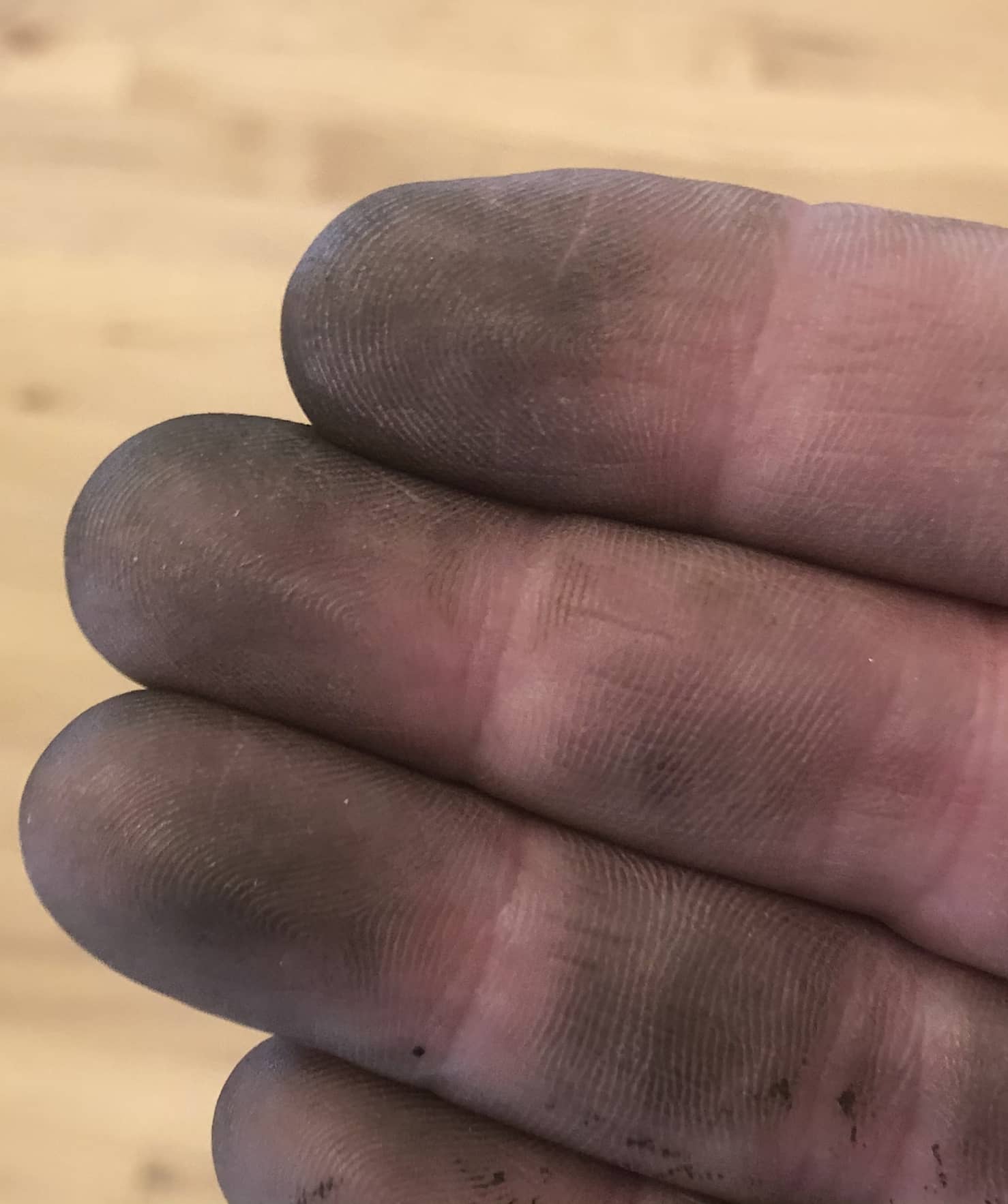
First, the grunge on my hands:
Second step was to obtain a fairly concentrated solution of the grunge. To that end, I put some vinegar (weak acetic acid) in a sandwich bag and proceeded to rub my fingers together in it. That alone wasn't completely removing the oily feeling grime, so I added some rubbing/isopropyl alcohol (soap would have worked, but I was trying to keep the chemistry of the solution simpler, and the alcohol would not directly participate in the chemical reactions to come). I then added a bit of chloride via ordinary table salt. The result was this greenish gray solution:
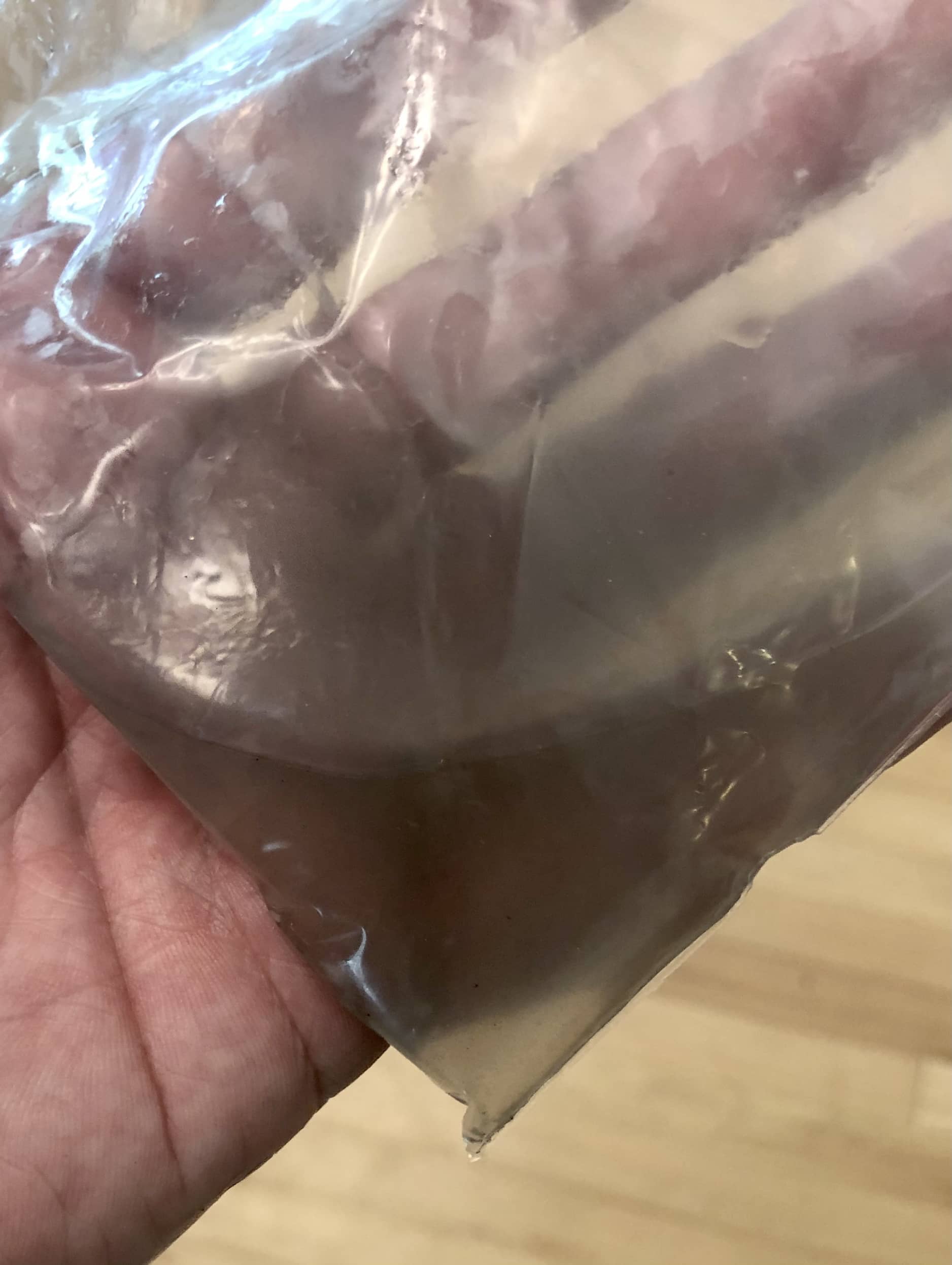
The green color suggested the presence of dissolved copper and/or nickel ions complexed with chloride.
I also made a control solution with vinegar, salt, and rubbing alcohol. It was clear and colorless, as expected.
The third step was to add one zinc galvanized roofing nail to each solution and wait a few hours in a variation of the classic high school science experiment. The result:
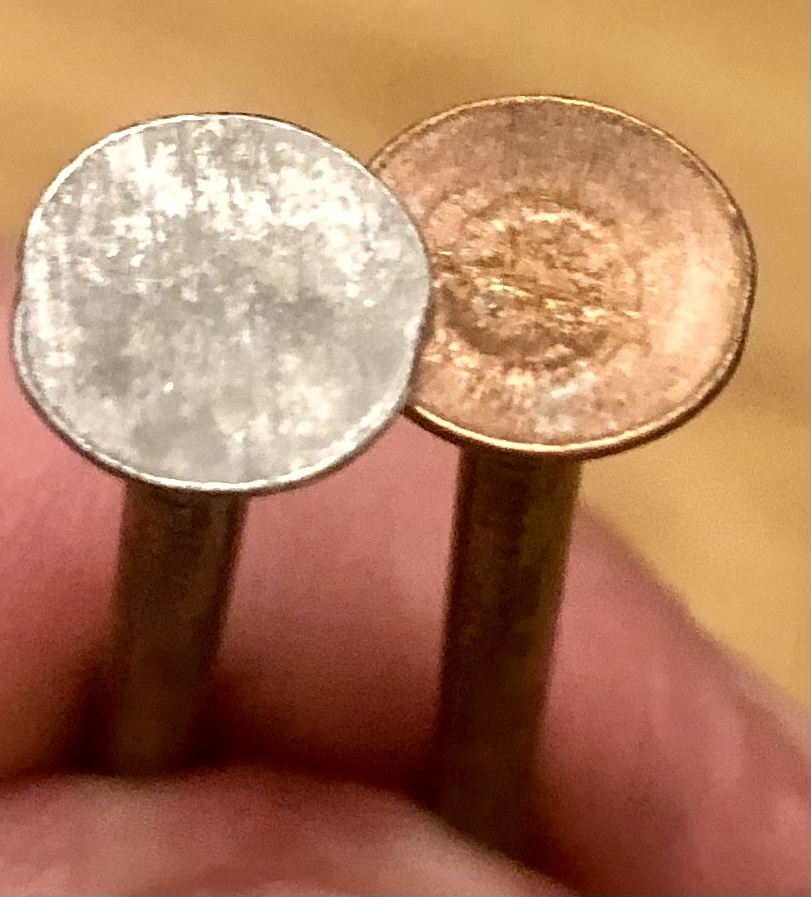
The nail on the left, the control, was not visibly affected. The one on the right was nicely plated with metallic copper.
This should give one pause if you snack or drink while searching through coins. I don't know about copper and nickel, but while many metals are necessary as trace elements, too much can be toxic. Just a thought.
So, what about the effect of this solution on coins? While clad coins can have a missing clad layer, on this forum, we see a lot of coins claimed to be missing clad that can be ascribed to environmental staining, toning, or corrosion. I think that people get confused because they are recognizing a legitimate metallic copper surface in many cases, which isn't really a stain, but it is damage formed from environmental exposure. One explanation is the plating of copper from a solution of copper corrosion products, and I wanted to explore this with another experiment. (Another option is dealloying, which is outside the scope of this experiment.)
I started by adding a recent date quarter to each solution and waited a few hours. Nothing happened, so no pics. Something might have occurred on a longer time scale, but I wanted immediate gratification. So, I chose two zinc
LSC's as sacrificial anodes to get some quick, yet realistic results. I took a pocket knife and lightly scraped some of the copper off along the rims to expose a little zinc as these were new and undamaged. I then placed them on top of the quarters, but to one side.
The reasoning for the addition of the cents was that by exposing the zinc, the zinc will oxidize (corrode) while the requisite reduction reactions would reduce copper ions to metallic copper onto anything with electrical contact with the zinc.
A few hours later, from the coin roll hunting grunge solution came the gratification:
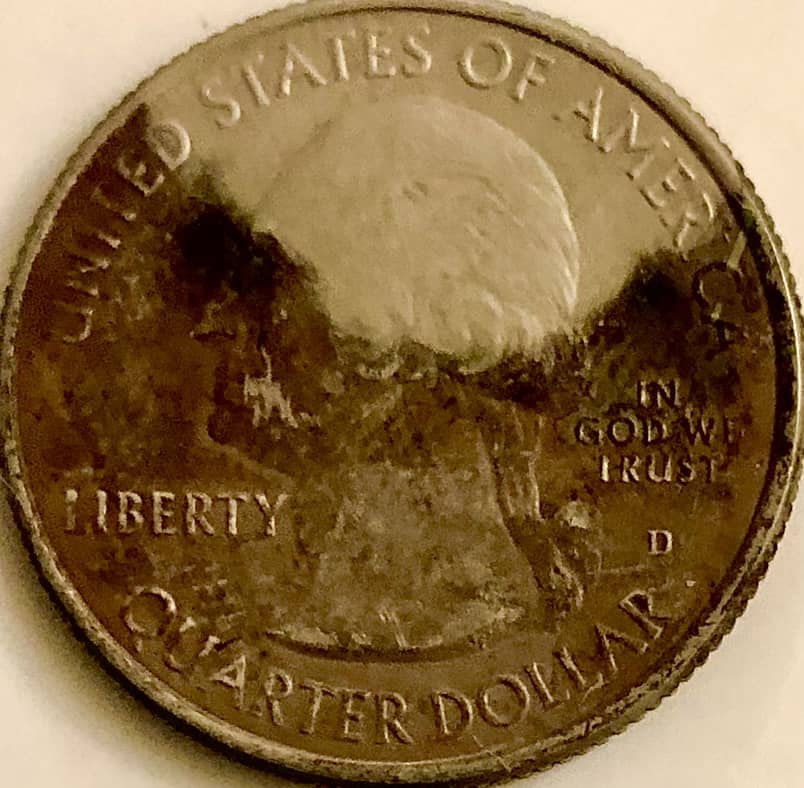
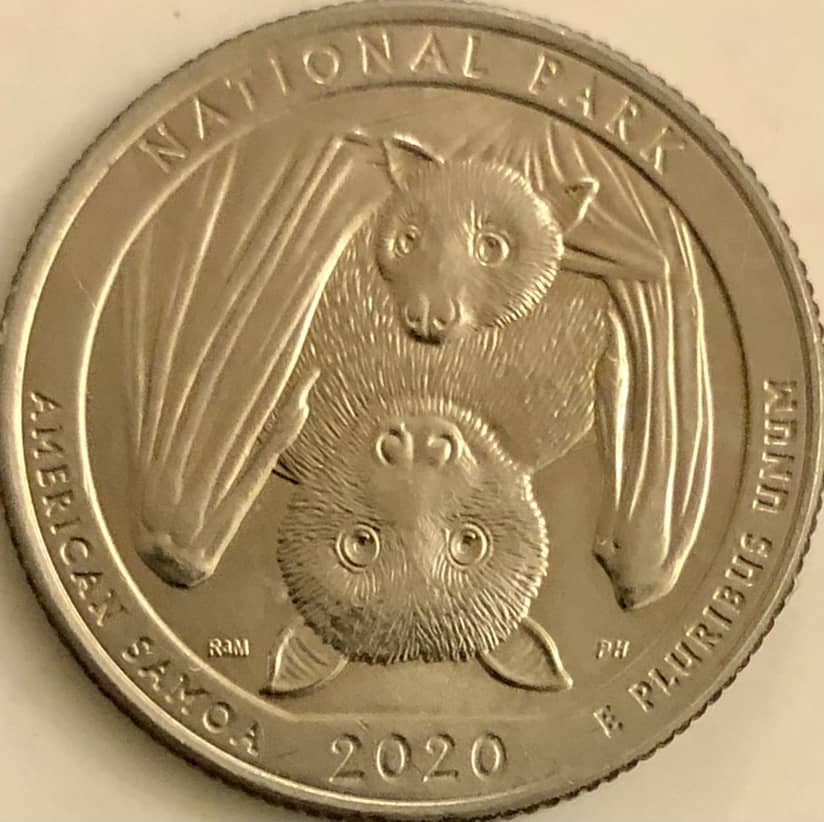
I should repeat this to validate my assumptions about the effect of the damaged cents, but I got my copper deposit albeit weak. It looked better before I tested adhesion by vigorous rubbing on my denim pants leg. The telltale sign of the plating job is that it rubbed off at the high points. Notice that the area covered by the cent did not plate, leaving an unplated patch. Also, the reverse of the quarter was unaffected. This is likely a consequence of diffusion limited transport of copper ions to those surfaces as I had it laid flat with the reverse side down against the bag. It answers the question some have of how the coin might be damaged on only one side or area even though the whole thing was submerged in the same solution.
The main ingredients in this experiment included a mild acid found in foods, chloride from table salt, water from the vinegar, and corrosion products or metal fines from circulated coins. Yes indeed, electrochemistry could occur in nasty cup holders!
Questions or comments are welcome. Most of this doesn't really matter much to experienced collectors, because
PMD is
PMD regardless of the cause, and I figure most people here have enough sense to wash their hands before eating and to not abuse coin dip, but maybe there is something interesting in here for you!










 Posted 09/09/2021 02:44 am


 .
.


