| Author |
 Replies: 23 / Views: 2,481 Replies: 23 / Views: 2,481 |
|
Bedrock of the Community
United States
11932 Posts |
Edited by numismatic student
09/09/2021 11:07 am
|
|
|
|
Pillar of the Community
United States
4680 Posts |
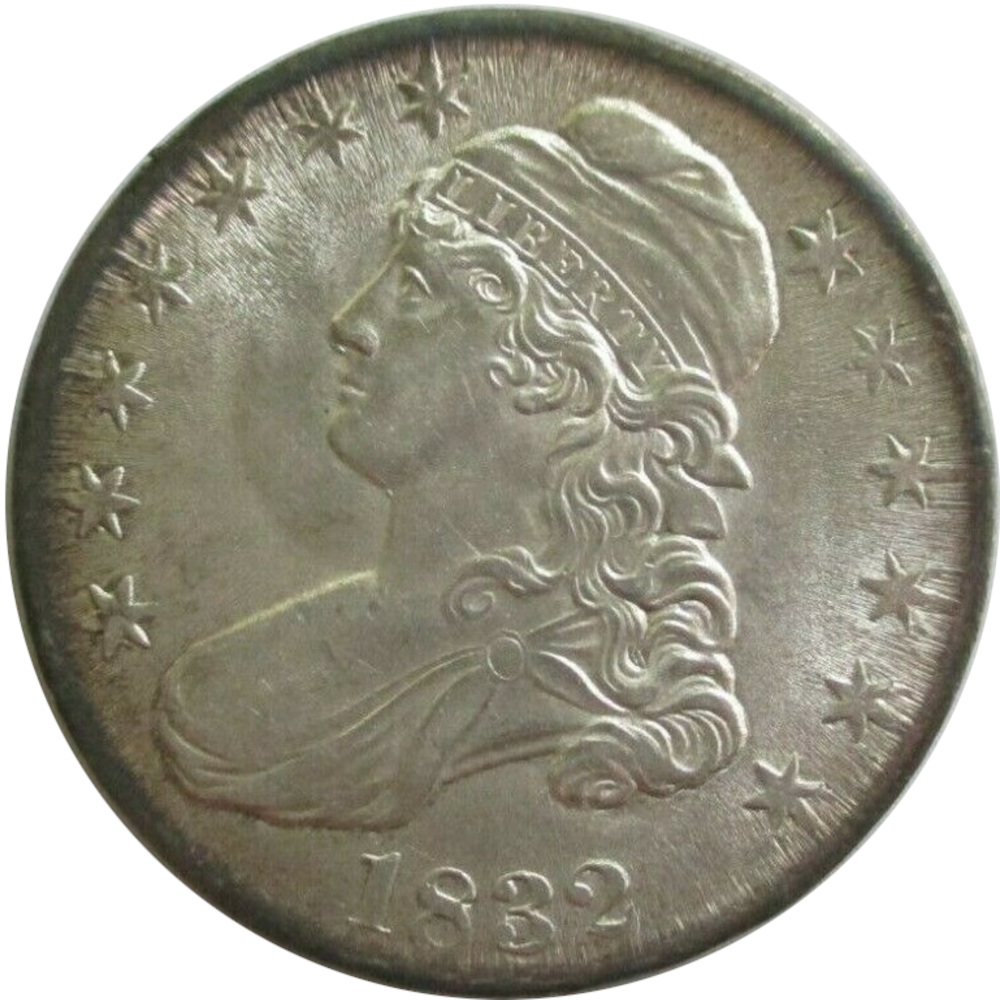
In hand pics might reveal more, I'm at AU58-MS62. Priced high at AU, did well in MS.
|
|
Pillar of the Community
 United States
5691 Posts |
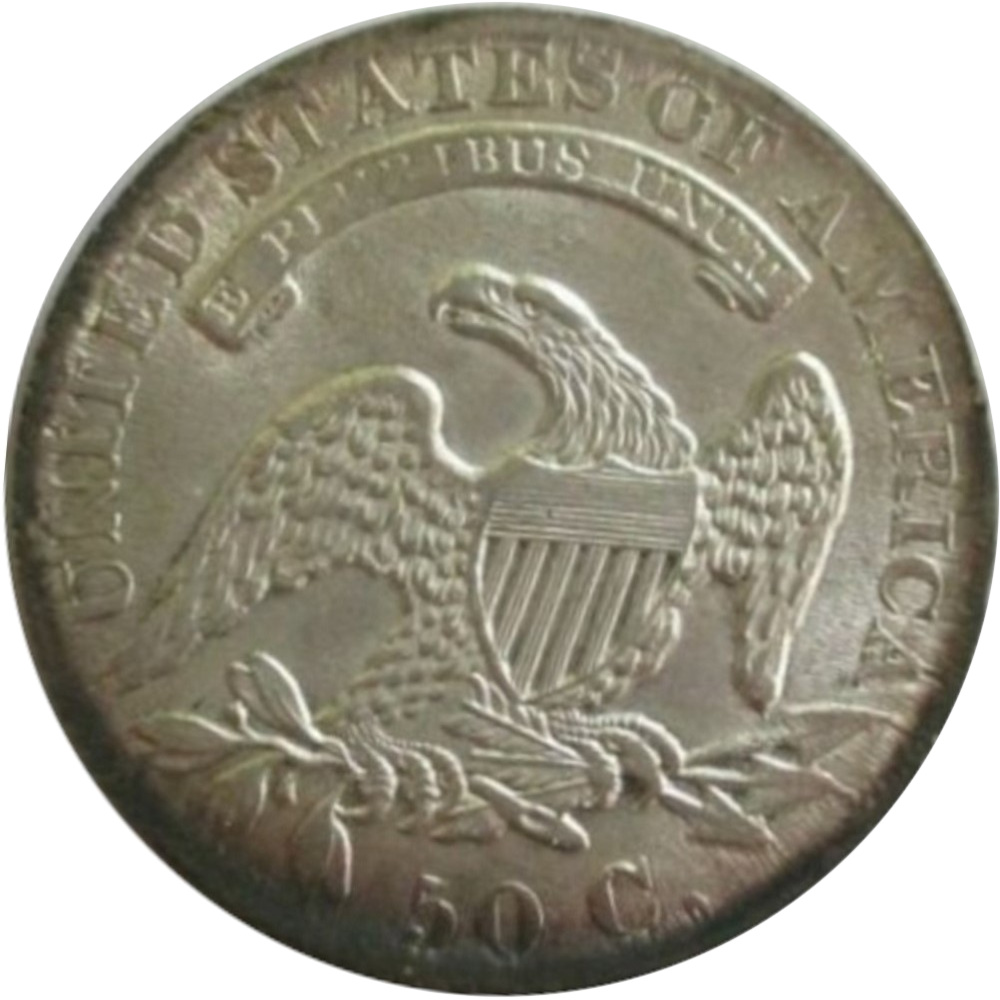
I'd say AU-58 or possibly low MS. The photos aren't focused enough to determine if it's mint state. And I believe it's an O-113a.
|
|
Pillar of the Community
United States
3848 Posts |
It's an O-113a. Pictures could be hiding some rub, I'll say AU-58.
Suffering from bust half fever. Want to learn how to attribute early half dollars by die variety? Click Here: http://goccf.com/t/434955Shoot me a PM if you are looking to sell bust halves. |
|
Bedrock of the Community
 United States
11932 Posts |
Thanks for the help with the attribution  |
|
Pillar of the Community
United States
614 Posts |
Thats not a bad deal if it comes back MS, capped busts are pricey :)
|
|
Bedrock of the Community
United States
18766 Posts |
Nice Coin! tough to grade when you get near MS. AU58 or MS62. conservatively i'll go with AU58
|
|
Pillar of the Community
Canada
857 Posts |
|
|
Pillar of the Community
United States
1788 Posts |
AU58 based on blurry pics
|
|
Pillar of the Community
United States
2869 Posts |
|
|
Pillar of the Community
United States
5209 Posts |
What are the scratch-like marks at K4-5 and K10-11 on the obverse? Ignoring these, I agree with AU-58. Might even get a "+".
|
|
Bedrock of the Community
United States
11932 Posts |
What you refer to as scratch-like marks are called mint strike metal flow lines. If the die surfaces are better polished, like in the case of later 19th century Morgan dollars, the flow lines are finer and harder to see, but create the ridges that that produce the cartwheel luster in silver dollars. In the early 19th century, mint dies were not as finely polished and the die alloy was not as hard thus earlier dies created more prominent flow lines. Flow lines, like the ridges that cause luster to appear in Morgan dollars, are indications of an uncirculated coin. These mint flow lines, which are coarse ridges caused by metal moving under the pressure of the strike, rub away rapidly as the coin is handled in circulation. For more info, see here: https://www.coinbooks.org/v21/esylu...1n32a16.htmlEdited by numismatic student
09/10/2021 8:54 pm
|
|
Pillar of the Community
United States
614 Posts |
Wow, I just learned something, this place is like college, except it's free and you actually remember what you studied.
|
|
Pillar of the Community
United States
5209 Posts |
Quote:
What you refer to as scratch-like marks are called mint strike metal flow lines. Thanks for the explanation. And why do some of the stars seem to be trunked to the edge of the coin? |
|
Bedrock of the Community
United States
94367 Posts |
Pics don't throw enough light on the surfaces to see details clearly. No grade.
|
|
Bedrock of the Community
United States
11932 Posts |
The Overton-113a variety with the (a) designation indicates that this is a late die state of the 113 die pair. As such, when bust half dollar dies became worn, in general they tended to create a strike impression on the coin that exhibited an elongation of the stars toward the edge or rim. The distance between the stars and the rim as well as the distance between the stars and lettering is small, and proportionally smaller in larger coins. These small areas between voids in the die surface were prone to not holding their shape or outright cracking or breaking off, especially when die alloys were not as hard and durable after many thousands of impressions.
The mint was forced to create harder and more durable dies in the middle of the 19th century right before the Civil War when harder copper-nickel coins were introduced that wore and broke existing dies very quickly. The advances made then out of necessity benefited softer gold and silver striking and production from that point forward.
Also dies were much more expensive before the industrial revolution, so the Mint tried to use failing and failed dies long beyond their useful life. Elongated stars are characteristic of early bust coinage in particular, although other series and denominations show this, usually less prominently.
Edited by numismatic student
09/10/2021 10:27 pm
|
| |
Replies: 23 / Views: 2,481 |









 Posted 09/09/2021 10:27 am





