| Author |
 Replies: 14 / Views: 2,007 Replies: 14 / Views: 2,007 |
|
|
Pillar of the Community
United States
1080 Posts |
While we all know that Canada, and particularly Prince Edward Island, pretty much cornered the market on tokens featuring the legend "Ships Colonies & Commerce," it may surprise some to learn that there was a predecessor to Breton 995-1002...but it circulated only in England. So, in case it might be a first look for some of you, I just thought I'd share with my fellow Canadian token collectors here my earlier Ships Colonies & Commerce token, the RR British silver three-shillings piece issued in 1811. I'm not aware of any earlier appearances of that legend on a coin or token, although I'd certainly be grateful to be learn of any that predated this one. In their 2010 Galata "Token Book" (the unnumbered one), the Witherses write: "These tokens were sold to traders desperate for change, to be used by anyone who would accept them. All are anonymous." Not Local: Dalton 2, Davis 2. (11.5g, 35 mm)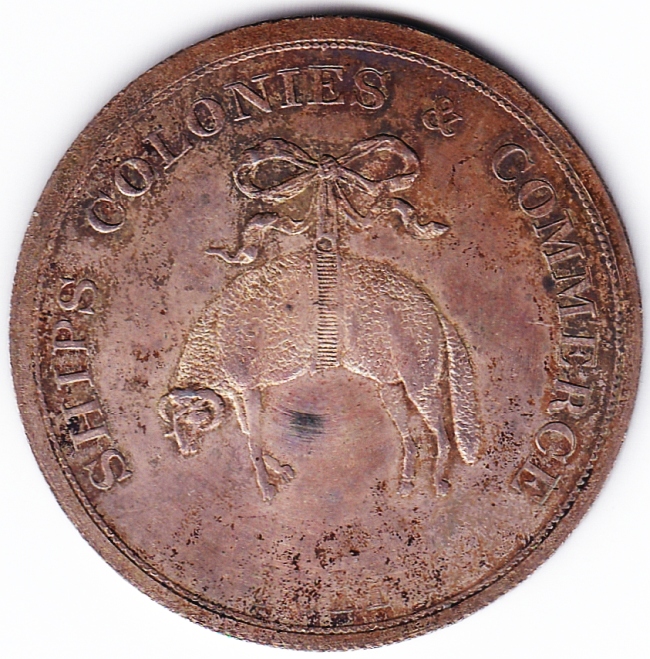 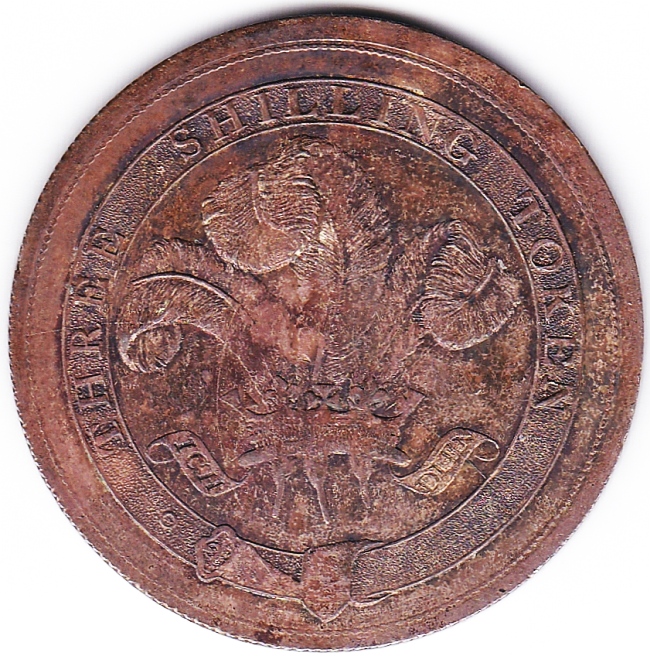 Edited to add: See discussion below on the imagery of Golden Fleece used on tokens, including Newfoundland's. Edited to add: See discussion below on the imagery of Golden Fleece used on tokens, including Newfoundland's."If everything seems to be under control, you're just not going fast enough."
--- Mario Andretti
Edited by daltonista
10/05/2021 10:21 am
|
|
|
|
Pillar of the Community
 Canada
9912 Posts |
Interesting.
Thanks for sharing.
"Dipping" is not considered cleaning...
-from PCGS website
|
|
Valued Member
Canada
64 Posts |
Very interesting.
Would this token was also the prequel to the Rutherford Brothers tokens?
|
|
Moderator
 United States
198004 Posts |
Fascinating!  |
|
Pillar of the Community
 United States
1080 Posts |
Quote:
CAmint wrote: Would this token was also the prequel to the Rutherford Brothers tokens? Not by a long shot, CAmint. The order of the Golden Fleece was founded by mainland European royalty the 1400's, and among its earlier English knights were Edward IV and the Henrys VII and VIII. The association with Newfoundland dates back to the 1620's and the first English settlements there. The Golden Fleece started showing up on tokens not long after it was incorporated into the city seal of Leeds in Yorkshire. It was the mid-1600's when Obediah Webb's farthing is known to have circulated around Dursley in southern Gloucestershire. This may have been the Fleece's numismatic debut, but since so many of the 17th-century tokens are undated, we'll probably never know for sure. Gloucestershire, Dursley: Williamson 74.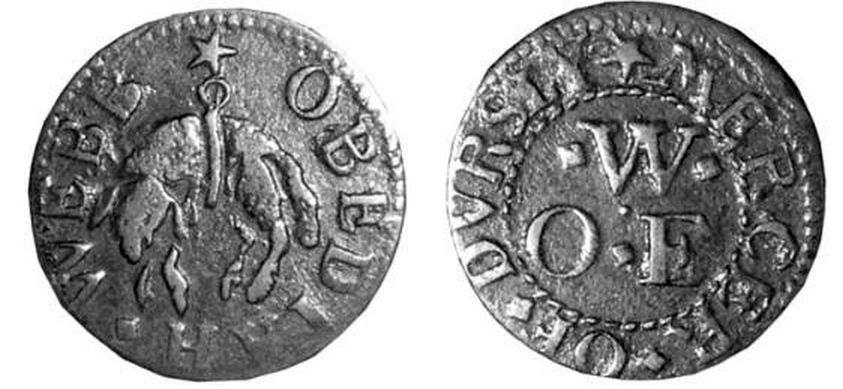 I'm no expert on 17th-century British tokens, but I can report that Webb's token wasn't the only one that featured the famous suspended sheep, which no longer invoked the ancient Knights of the Golden Fleece, but by then had instead evolved in exonumismatic imagery to symbolize the woolen trades -- drapers, clotheirs, tailors, mills, etc. Those of us who collect the 18th- and 19th-century tokens of Britain, however, have seen plenty of examples, especially from these locales: Cambridgeshire, March Kent, Brookland Lancashire, Rochdale Lincolnshire, Louth Norfolk, Norwich Nottinghamshire, Arnold Somersetshire, Bath and Dunkirk Yorkshire, Leeds Wiltshire, Staverton "If everything seems to be under control, you're just not going fast enough."
--- Mario Andretti
|
|
Valued Member
Canada
64 Posts |
Thank you again for this very good information. The world of token collecting is quite fascinating! I personally find it interesting to learn about the tokens origins and how some designs were inspired by other tokens that circulated at that time in England. I assume that some Canadian tokens have also been influenced by French coins/tokens as well (other than the actual French colonies tokens that have circulated in New France).
|
|
Pillar of the Community
Canada
2786 Posts |
Great find I really like discovering 'cross-overs' here's a couple of the many I've come across relating to early Canadian tokens 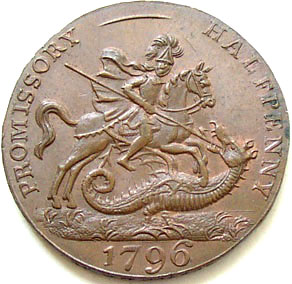 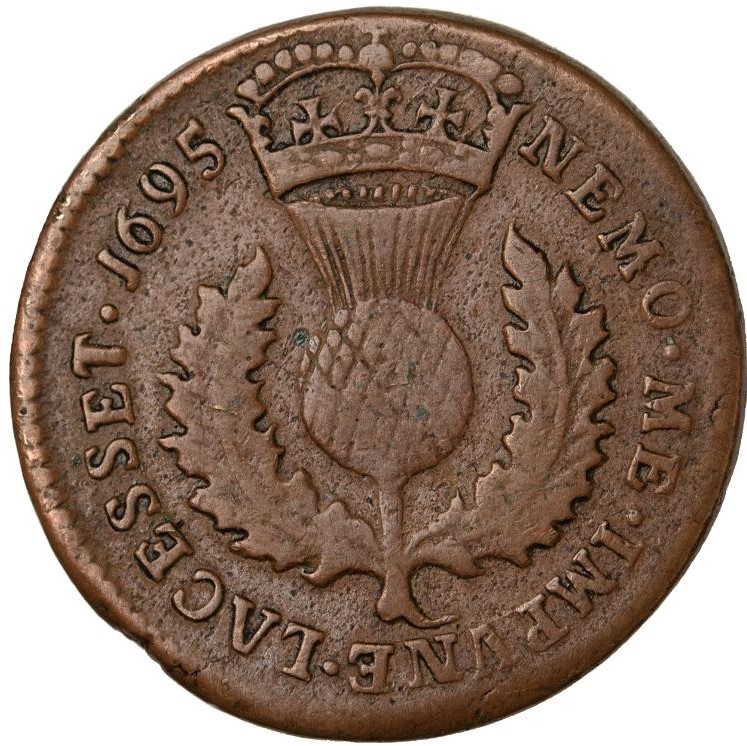 |
|
Pillar of the Community
United States
694 Posts |
@daltonista and @wade
Those are very neat pieces. Thanks for sharing.
|
|
Pillar of the Community
Canada
2786 Posts |
china 1920 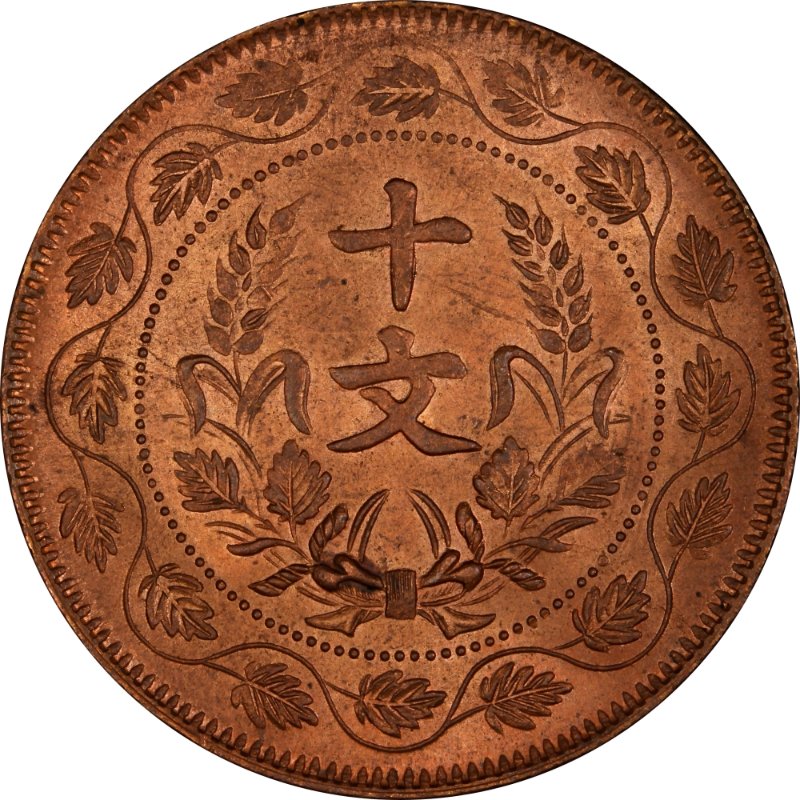 |
|
Pillar of the Community
Canada
5667 Posts |
From last photo ... maybe they are oriental "maple" leaves?
|
|
Pillar of the Community
Canada
2786 Posts |
oriental maples  |
|
Valued Member
United States
179 Posts |
Great specimen, and a great story to go along with it!
It would appear that the silver shilling is the first appearance of the slogan on any token or medal. At least that is also what Faulkner concludes in his book Imperial Designs (2019). There are apparently 3 silver tokens that share the same SHIPS COLONIES & COMMERCE reverse cataloged as Not Local 7 and 2, and Somerset 7 by Dalton (1922) in The silver token-coinage mainly issued between 1811 and 1812.
I find it ironic that the next appearance of "ships, colonies, and commerce" on any token would originate in the United States as Lees 1, minted by Wright and Bale of New York City!
|
|
Pillar of the Community
United States
1080 Posts |
Quote:
Blargish wrote: It would appear that the silver shilling is the first appearance of the slogan on any token or medal. Thank you, sir! Just a minor point of confusion, I guess, as I'm not able to figure out which shilling you (or Faulkner) are referring to. I've got the Not Local D2, which prominently features the SHIPS COLONIES & COMMERCE legend, but that's an 18d token. Here's mine: Not Local, Eighteen Pence silver token, 1811. Dalton 7, Davis 6. RR.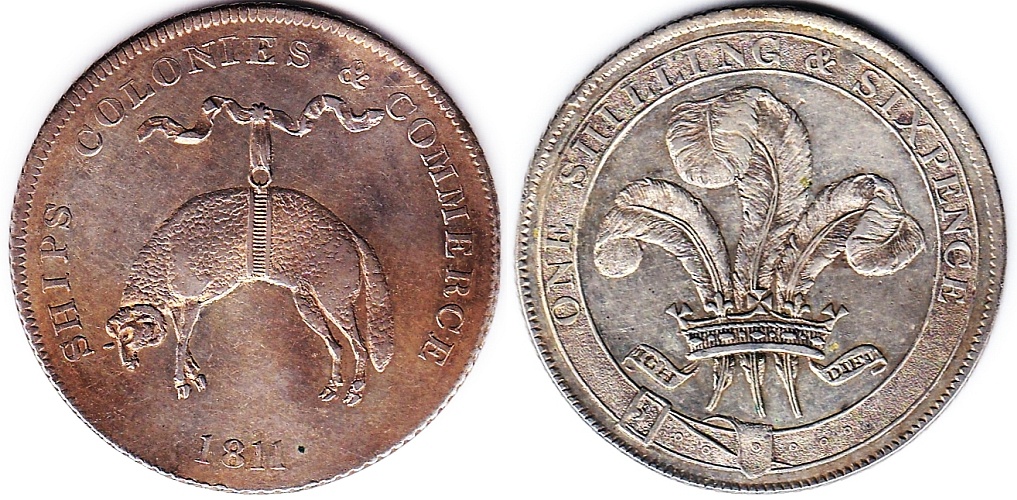
Meanwhile, that Bath D7 4/- token is evidently hyper-rare. I can't find a single example of one changing hands at auction in the last 15 years or more. "If everything seems to be under control, you're just not going fast enough."
--- Mario Andretti
|
|
Valued Member
United States
179 Posts |
Whoops, the way I worded it was cause for confusion. Faulkner makes no comment on which of the three pieces came first, only noting that the first appearance of Ships Colonies & Commerce "on a token or medal would appear to be on three 1811 dated English silver tokens." (p. 20) and he illustrates the same Not Local D7 variety that you show.
Do you happen to have an image of the Bath token?
|
|
Pillar of the Community
United States
1080 Posts |
Quote:
blargish wrote: Do you happen to have an image of the Bath token? This scan of my original Dalton catalog is the best I can do. I've now searched back to 2009 and still can't find an instance of this token in any auction catalogs, Coin Archives, Newman Portal, etc. Interestingly -- and I've been unable too find any explanation for this -- the Bath 4/- tokens were the only issues of that denomination in the whole 1811-1812 series. 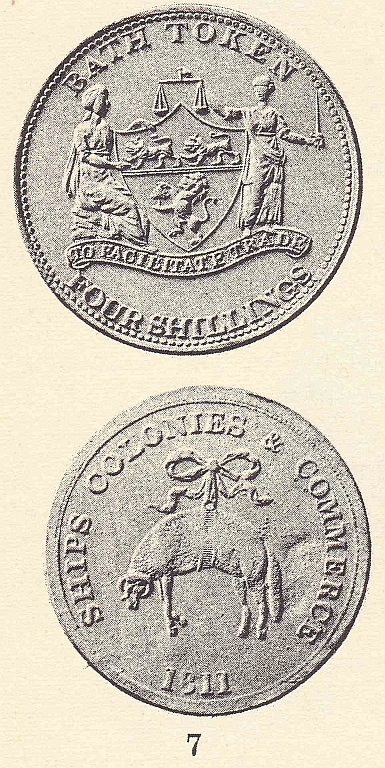 "If everything seems to be under control, you're just not going fast enough."
--- Mario Andretti
|
| |
Replies: 14 / Views: 2,007 |
|




 Posted 10/05/2021 07:22 am





