| Author |
 Replies: 11 / Views: 1,225 Replies: 11 / Views: 1,225 |
|
|
New Member
United States
49 Posts |
|
|
|
|
Pillar of the Community
United States
1086 Posts |
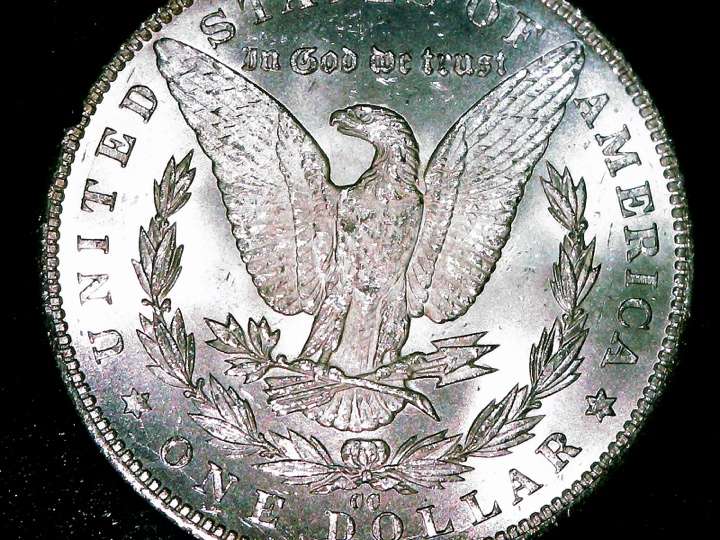
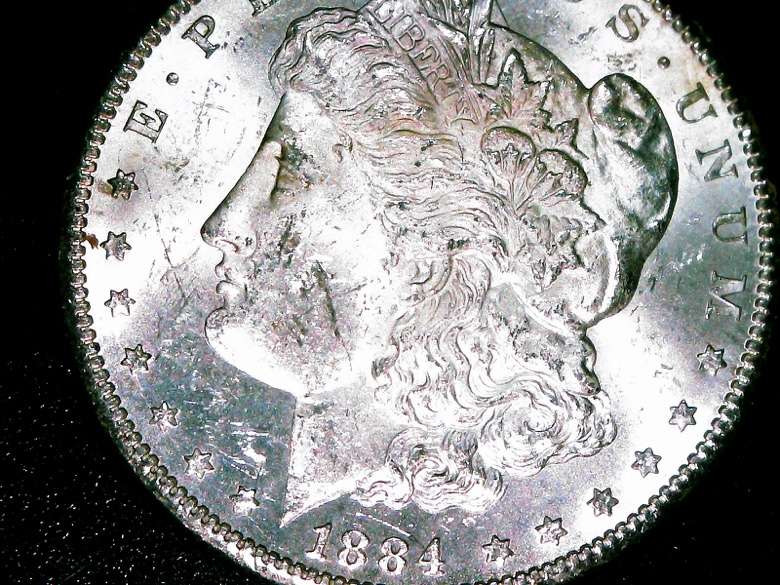
Probably an MS-60, maybe an MS-61
|
|
Bedrock of the Community
Canada
21854 Posts |
Quote:
Can anyone tell me a little more about this coin.
What is it you want to know? Grade, value, quantity, history etc. |
|
Pillar of the Community
United States
1672 Posts |
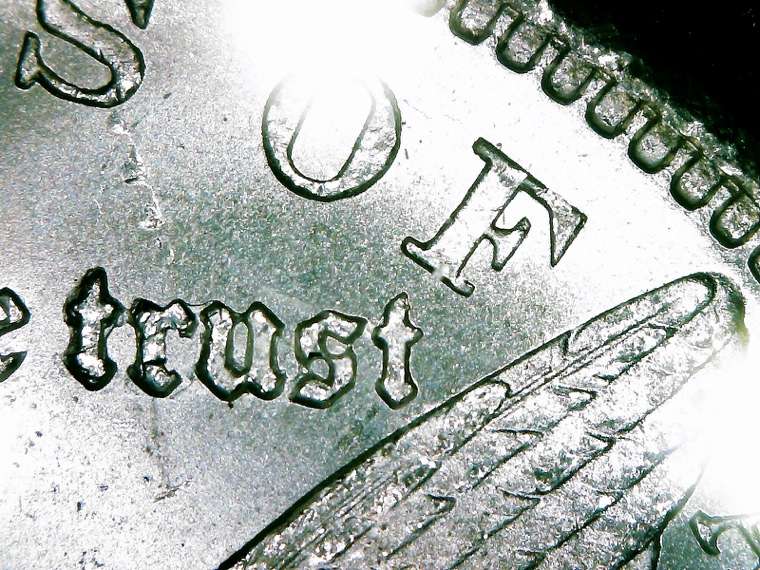
Is that green on there? Might be pvc contamination, that would need to be taken care of.
|
|
New Member
 United States
49 Posts |
JimmyD - I would like to know all of that information
Icutler - How would I go about doing that. its in a closed case it comes with a slip and box. I don't want it to get damaged.
|
|
New Member
United States
49 Posts |
@jimmyd - what happened to my other post?
|
|
Bedrock of the Community
United States
94367 Posts |
I'd grade this MS-60.  to the CCF! |
|
Pillar of the Community
United States
3720 Posts |
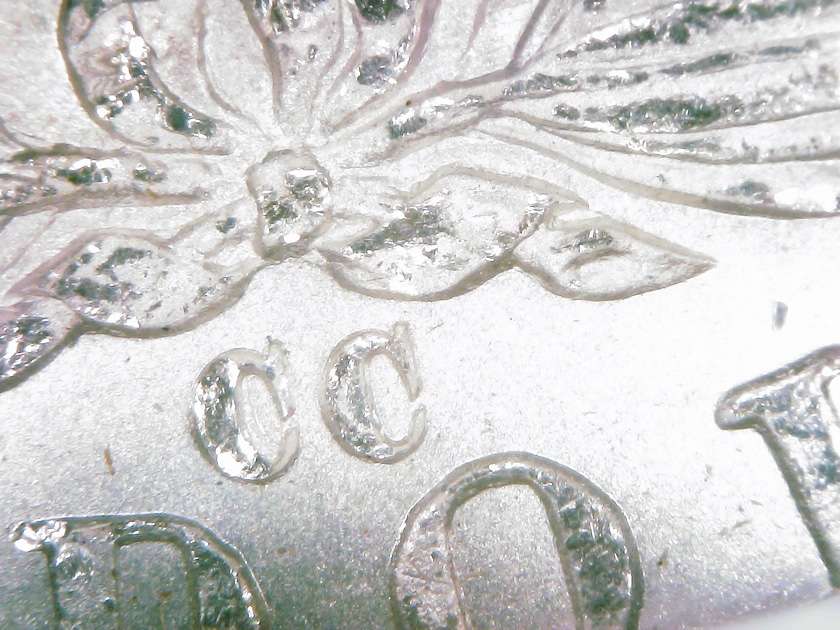
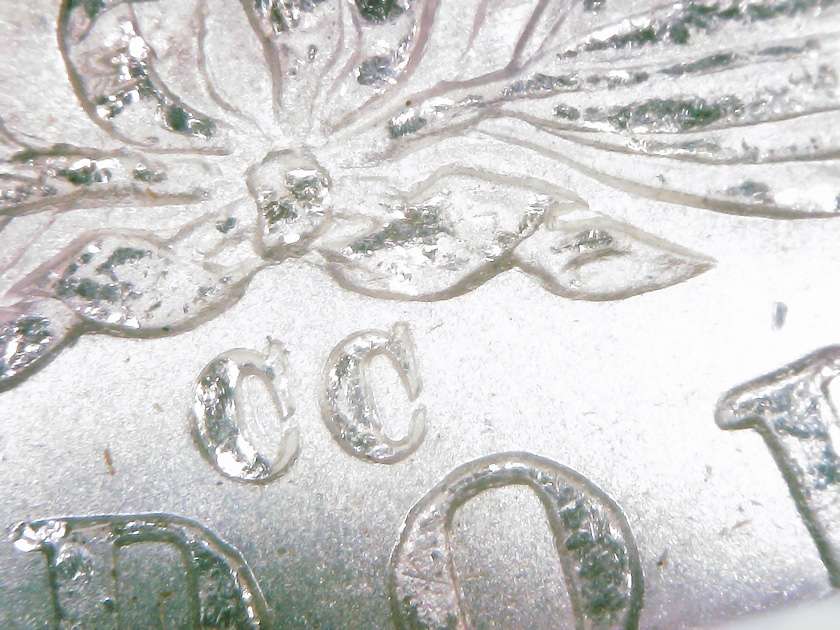
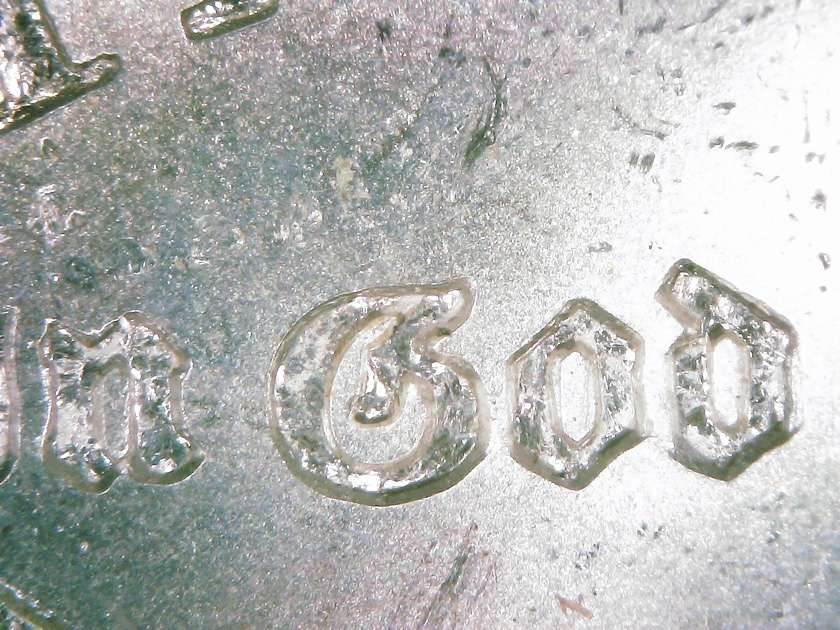
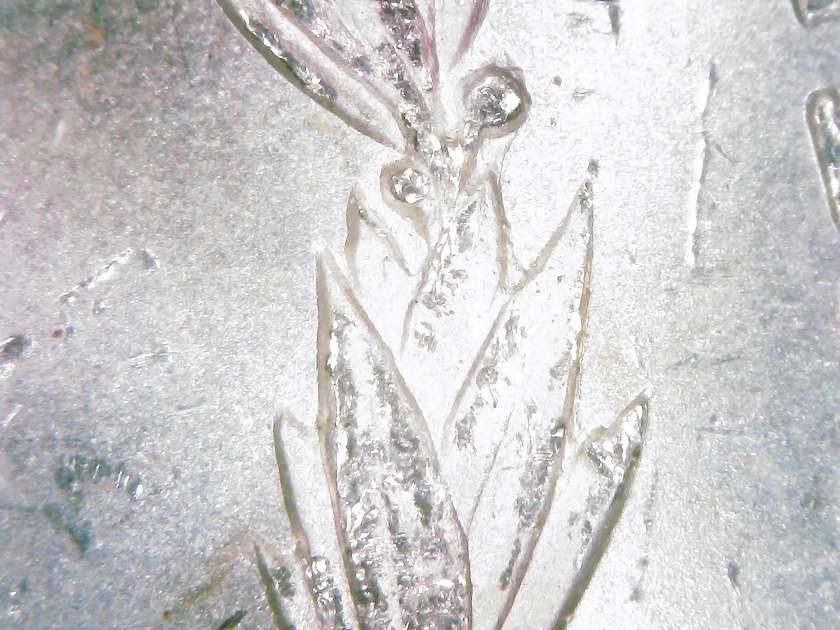
First, Your coin was minted at the Carson City mint. There were 1,136,000 of the 1884-CC dollars minted, and most of the surviving coins were sold in the General Services Administration (GSA) sales in the 1970s. That is very likely the holder your coin is in, and the cardboard sleeve that accompanies the holder. The coin is worth more in the holder than if it is removed. The coin you have is pretty rough. The dings and scratches are "bag marks," from when the coin was stored in the mint and then in federal reserve banks in canvas bags of 1,000 coins. The bags were handled roughly and stored in all kinds of different environmental conditions over the 90+ years until the individual coins were sold. Grading is done on a numerical scale. Circulated coins range from 1 to 58 on the scale (not every number is used). Uncirculated coins range from 60 to 70 on that scale, with higher numbers reflecting coins in better condition. Your coin likely is MS-60 or MS-61 ("mint state" is the "MS," and means uncirculated), which is still an uncirculated coin, but with heavy scratches, scuffs, and dings. There are different die varieties of the dollars. This is probably TMI, but your coin is 1884-CC VAM-7A. That refers to the variety number. The link will show a much higher grade example of your coin. For coin geeks like me, the obverse of 1884-CC VAM-7A was used for the "superfake counterfeit" 1884-S that NGC discovered a year or so ago. Edited by fortcollins
10/06/2021 7:41 pm
|
|
Bedrock of the Community
United States
17884 Posts |
Quote:
Might be pvc contamination, Well they didn't use PVC at the CC mint in 1884. They didn't use PVC in the canvas bags the coins were stored in from 1884 to 1972. There is no PVC used in the GSA holders. SO I would say it is highly unlikely that it's PVC residue. |
|
Pillar of the Community
United States
4846 Posts |
The green color is likely an exposure issue or something, doubtful that the coin actually has a green hue.
I agree that the coin is MS-60, the luster is quite strong so it may get a +, but the obverse is severely baggy, so I can't imagine it will get any higher than 60.
|
|
Pillar of the Community
United States
6428 Posts |
This is possibly the lowest-grade GSA CC Morgan I have seen. The typical coin from the GSA sale grades MS-63 or 64. This one has many distracting contact marks and scuffs. Perhaps it came from the bottom of a mint bag that was moved around a lot. MS-60 or 61 (at best) seems appropriate. Still worth $200+ in today's market.
|
|
Pillar of the Community
United States
3848 Posts |
I'll give it an MS-61. I've seen that average GSA CC's grade at about an MS-62, so low grades aren't uncommon.
Keep the box, note, and coin in the case intact. These CC's are commonly found in these holders. The holder doesn't damage the coin so it is safe to keep it contained. The market has been hot for these lately, and this one is worth about $300.
Suffering from bust half fever. Want to learn how to attribute early half dollars by die variety? Click Here: http://goccf.com/t/434955Shoot me a PM if you are looking to sell bust halves. |
| |
Replies: 11 / Views: 1,225 |
|









 Posted 10/06/2021 5:08 pm





