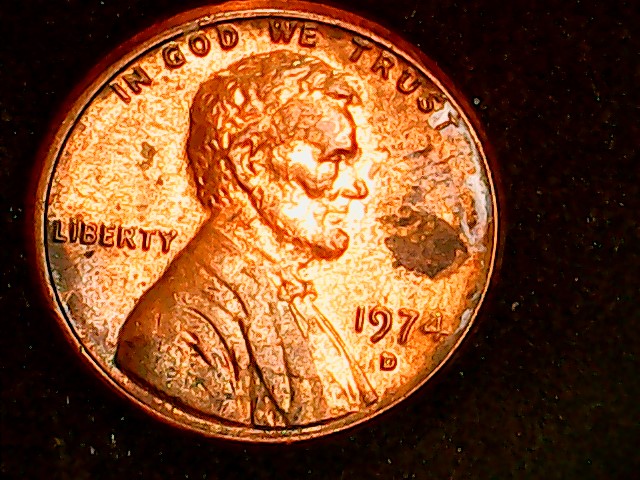
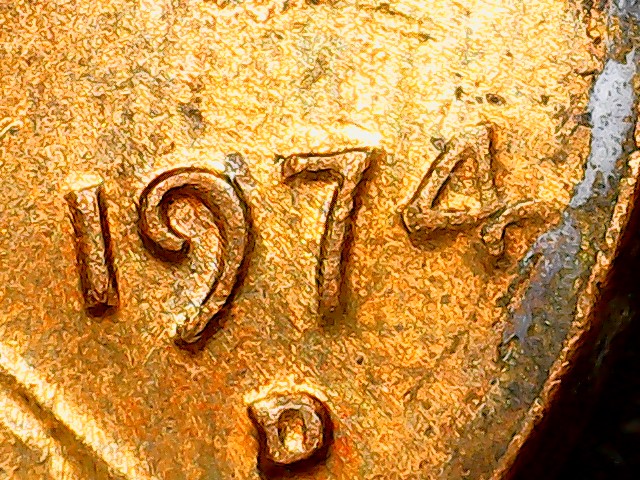
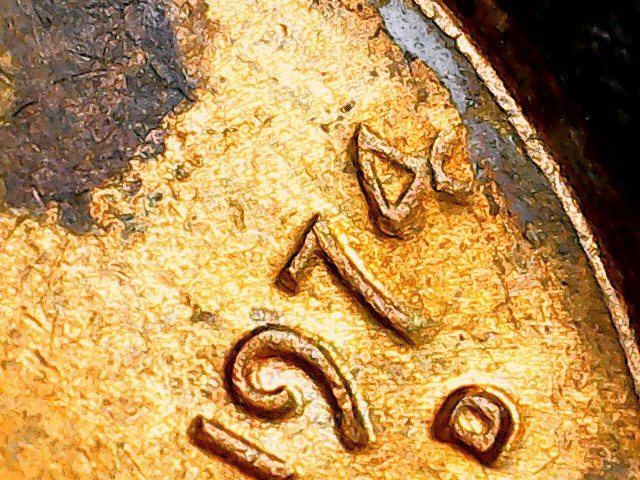
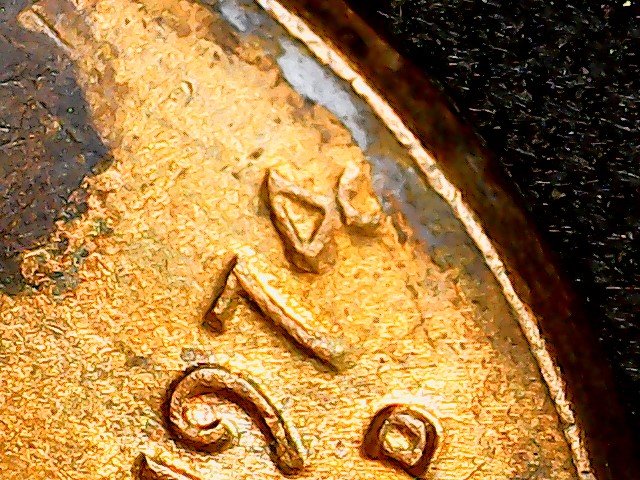
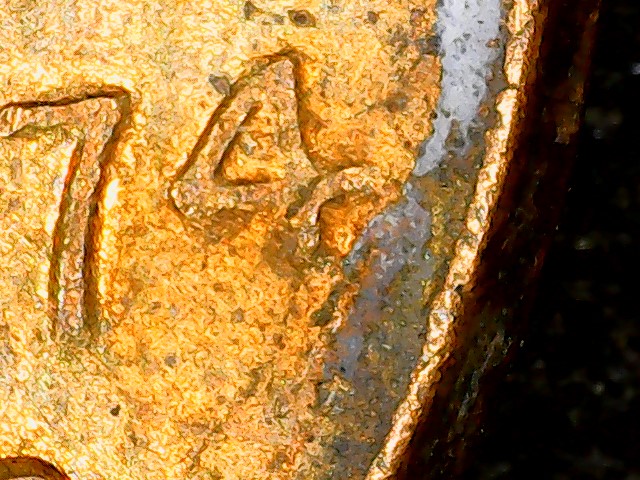
So they question your probably wondering about is this: "Why are they so sure that it is not a '9'? But your probably afraid to ask?
Well today the design on coins having nothing added to the design. Like a had stamp pad stencil, it only strikes what is on the die. The whole design is added in a single step, then transferred down the line. I refer this as the chain of command:
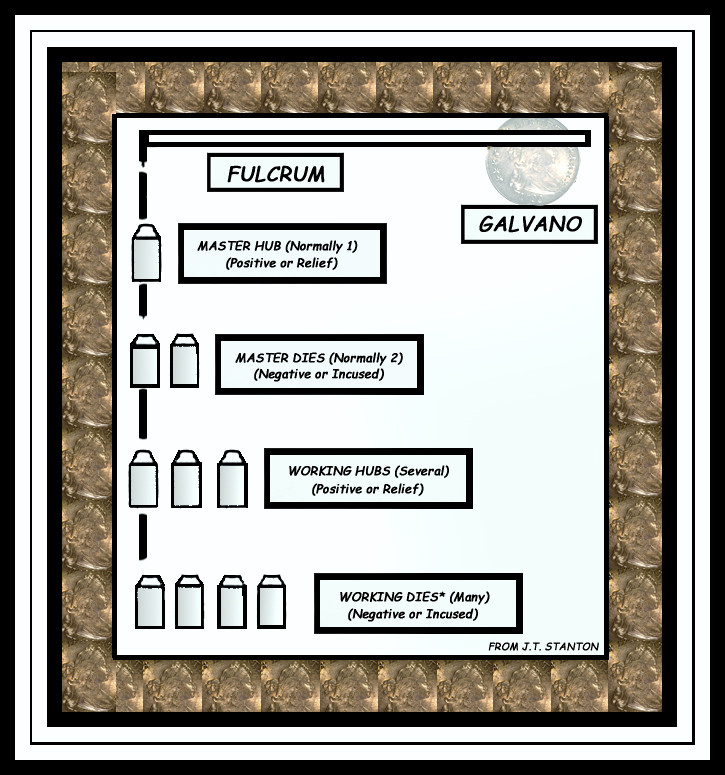
Note at the top on the right side, you will see where the design is made on a template. this in the past of transferred to the 'Master Hub'. Do you see it on the upper area of the image? Note how many of these are made. Only one. So this design is transferred down that chain to the next step? The 'Master die'. Note that usually only two of these are created. Then it is transferred down to the 'Working Hub' where many are created and on down to the 'Working dies' where a many times more of these are created from the "Working hubs'.
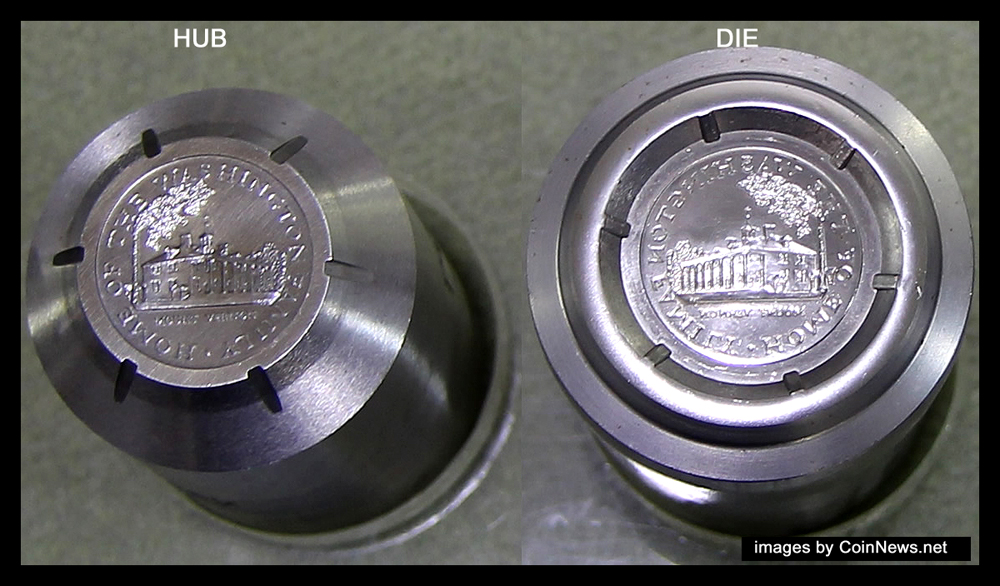
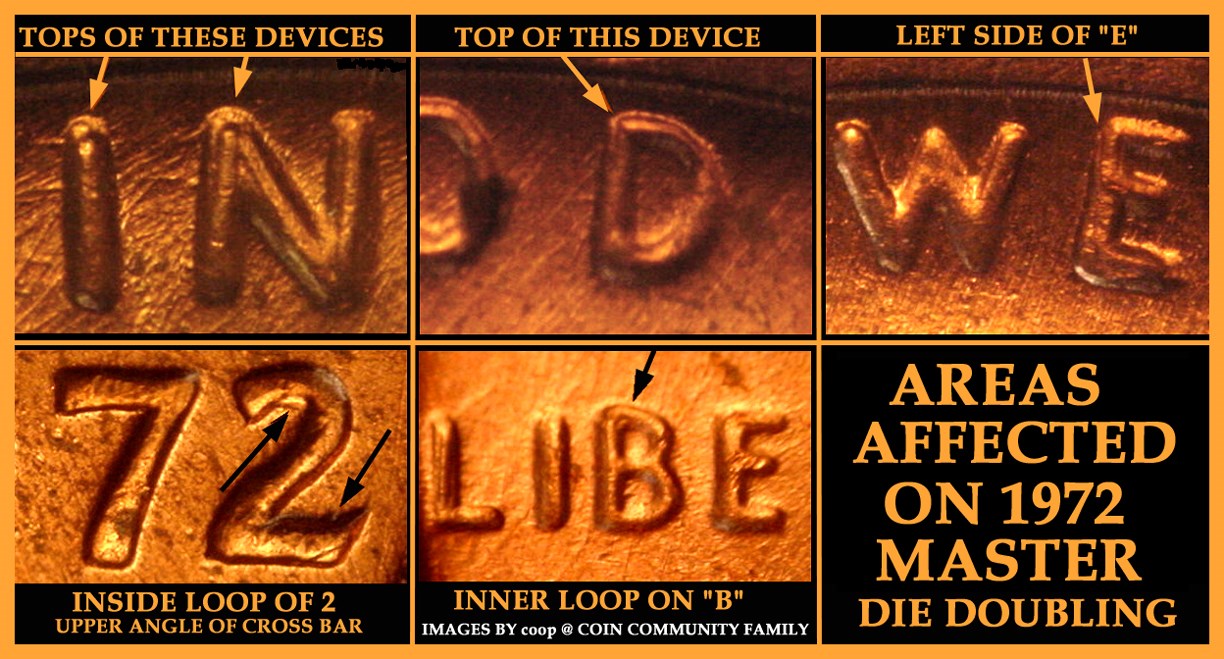
So what happens on the first step of the 'Master hub' (a positive like a coin) will occur through the whole coinage for that denomination. Any flaw/design will be delivered to the next step. So all coins that year will be affected of that denomination. All the designs should be like this key example. On the second step, we see the term 'Master die'. What is the difference between a die and a hub? Hubs designs are positives. Meaning they look like the final coin. Devices are raised like on the coins. The bust and the reverse design is the highest points on the hub. But on the dies, note they are call negatives? A negative is just the opposite. The highest point on the die is the fields. So on the die, anything lower into the die will be raised. The deeper the recess, the higher it will be on the coin. On the die you will see a gutter around the outside edge of the die. This is used to create the rim on the coins. Because it is lower on the die, it will be higher than the fields. In fact all the devices that are raised on the coin will be deeper into the die. They are pressed into place by a hub. So when you think hub and die, They are opposites. So if the 'Master die' has a flaw, 50% of the coins passed down the chain of command could be affected. Half if the coinage would have the same issue. This happened on the 1972 cents.
So this design is passed on down to the 'Working hubs' (+) and 'Working dies' (-).
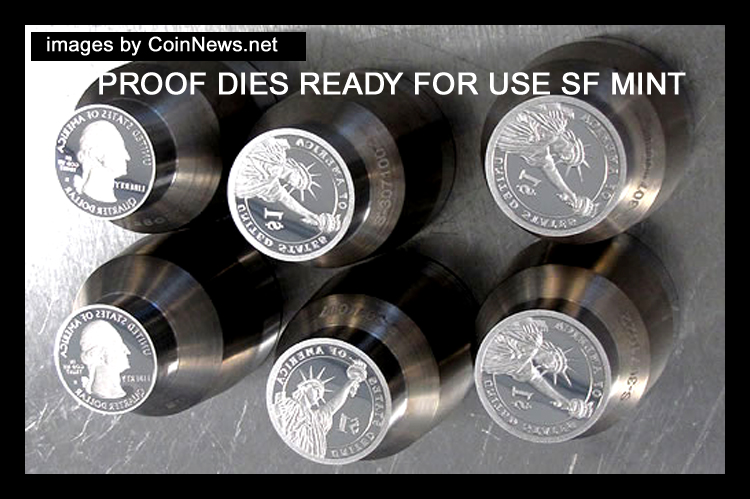
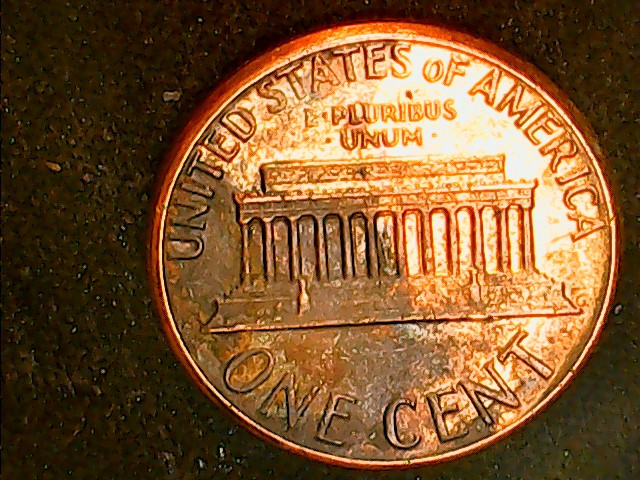
All the same designs are passed down, but when something is created can affect a portion of the 'Working hubs' and 'Working dies'. Thus 'Master dies', 'Working hubs' 'Working dies' can be affected. This on and on. But A single digit/device will not be added, without having all the other devices added on down the line. So to have a single device added to coin does not happen today. It is damage to a coin or die or hub that can alter. But not a single device, they would all be affected. But on a coin only one is damaged. The one that you have. It was normal when struck. Altered in circulation. But why are we convinced it is not a device. With the previous information, we know it can't happen this way. Not on today's coinage. (In the past it could, and did. But we will discuss this another time)
CoopHome:
Why can a single device not happen on a coin today? What is the chain of command?Edited by coop
10/07/2021 8:04 pm












 Posted 10/07/2021 11:17 am


