| Author |
 Replies: 12 / Views: 1,298 Replies: 12 / Views: 1,298 |
|
|
Valued Member
56 Posts |
|
|
|
|
Bedrock of the Community
United States
10635 Posts |
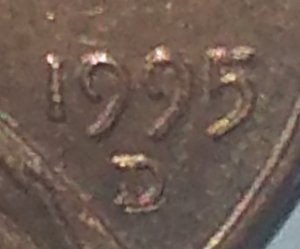
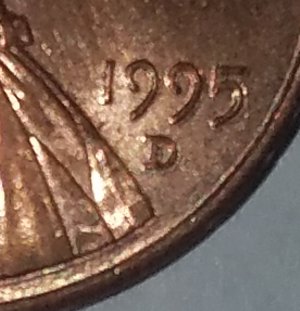
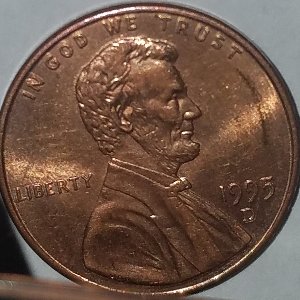
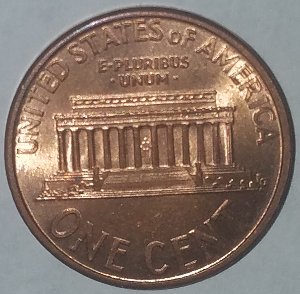
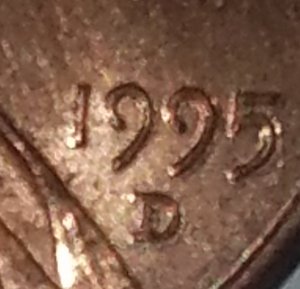
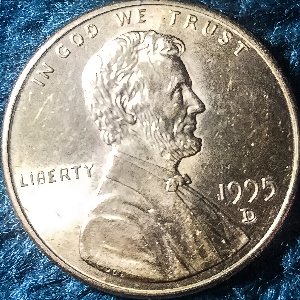
Please, no screen shots. They are too pixelated. Use you phone's camera and zoom in 5 or 6X, which is plenty for our use. And always show us the entire coin, both sides, please so we can help you better. Thanks.  |
|
Valued Member
 56 Posts |
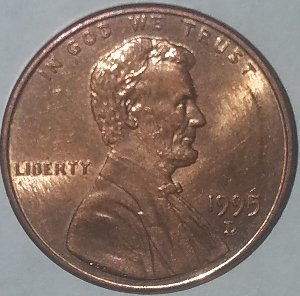
My phone sucks, it's hard to get a clear picture let alone 1 of up close but ok I'll try again. (Spent like an hour trying earlier)
|
|
Pillar of the Community
Canada
3328 Posts |
Could not be a RPM as they stopped hand pressing them in 85 I believe, as for a DDO I'm not sure from these pictures. Edit: sorry 85 was for proof coin 89 door business strikes Edited by Wrekkdd
10/14/2021 2:09 pm
|
|
Pillar of the Community
United States
509 Posts |
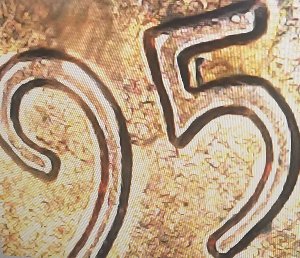
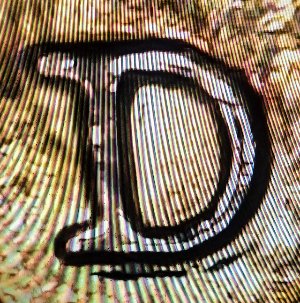
There are not going to be ANY RPM's on any coins from 1990 to the present. Handpunching RPM's stopped in 1989 and the year after the MM became part of the Master Die Design and were not punched by hand any longer thus eliminating the possibility of any future RPM's. There is however a known 1995-D doubled die obverse but I can't tell anything from your pics, too grainy.
|
|
Pillar of the Community
United States
509 Posts |
I was typing when you were typing Wrekd....lol
|
|
Pillar of the Community
Canada
3328 Posts |
Lol I get that a lot:p thanks for the correction though:)
|
|
Valued Member
56 Posts |
|
|
Moderator
 United States
56855 Posts |
|
|
Valued Member
56 Posts |
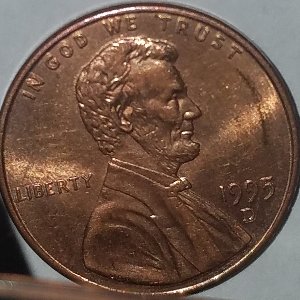
So that's a no? What's the lines under and to the side or the d? And I guess I'm sti confused with how to spot dd. Ughhh
|
|
Pillar of the Community
United States
509 Posts |
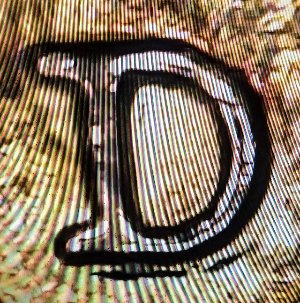
The 'lines' adjacent to the D mm, on the surface or field of the coin, is what is called Die Deterioration Doubling and has most likely caused split plating issues. Your Cent has a zinc core and a very thin copper plating on top of the zinc core. As the die ages it begins to distort the devices, typically in a direction towards the rim of the coin, and as a result it can stretch the thin copper plating causing it to 'split' apart thus the term "split plating". As a result, the zinc core emerges from under the thin copper plating and begins turning into what is referred to as zinc rot. Hope this roundabout explanation helps you understand. Edited by Bumpkin
10/14/2021 3:07 pm
|
|
Valued Member
56 Posts |
Bumpkin, I understand that that does happen and how, I just dont understand how to tell the difference. This new hobby that I started to like is quickly starting to make me mad haha. I have about 200x 1940 to 1949 mix mm I was about to go threw next now idk when I want to do that haha any tips for that year range?
|
|
Moderator
United States
56855 Posts |
|
| |
Replies: 12 / Views: 1,298 |
|







 Posted 10/14/2021 2:03 pm