| Author |
 Replies: 6 / Views: 1,232 Replies: 6 / Views: 1,232 |
|
|
Bedrock of the Community
United States
11963 Posts |
This shows the prevalence of 18th century Spanish colonial coins well into 18th century U.S. commerce. And the concern men had with losing their hair even hundreds of years ago. Baltimore, USA, silver token, HOUCK'S / PANACEA / BALTIMORE counterstamp (ca. 1836) on a Mexico City, Mexico, bust 2 reales of Charles III, 1786 F(M), rare, NGC AG details / damaged. HT-143; Brunk-H-779. Full XF counterstamp on an About Good host coin that's unlisted in either Brunk or Rulau. Jacob Houck was a Baltimore-based merchant who sold a "medicine" he created "solely from vegetable matter" that claimed to cure numerous diseases ranging from the mild (Heart Burn, Loss of Appetite) to the deadly (Small Pox, Yellow Fever). NGC #5964205-002. 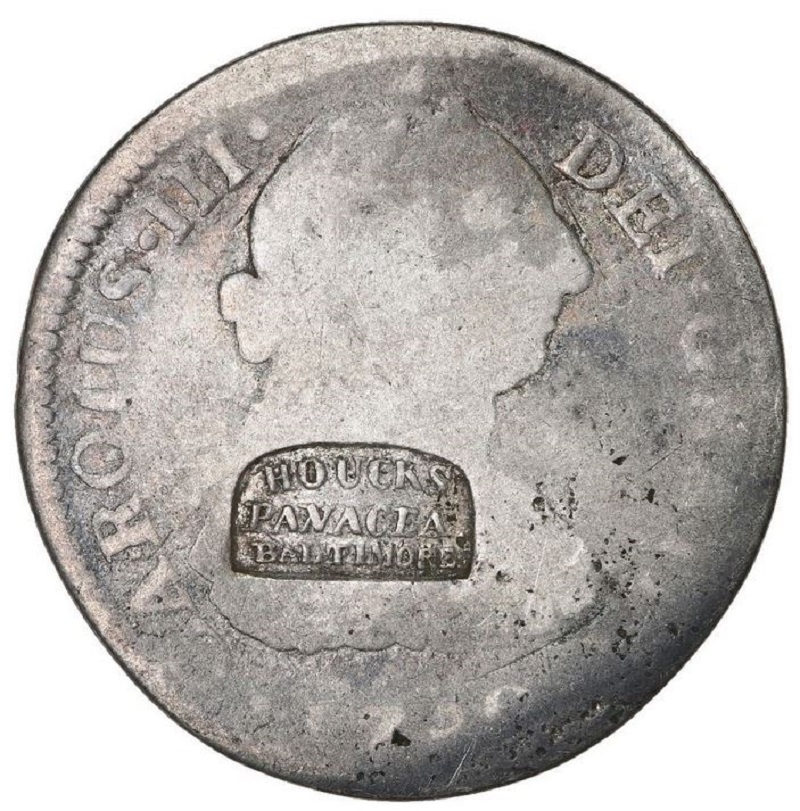 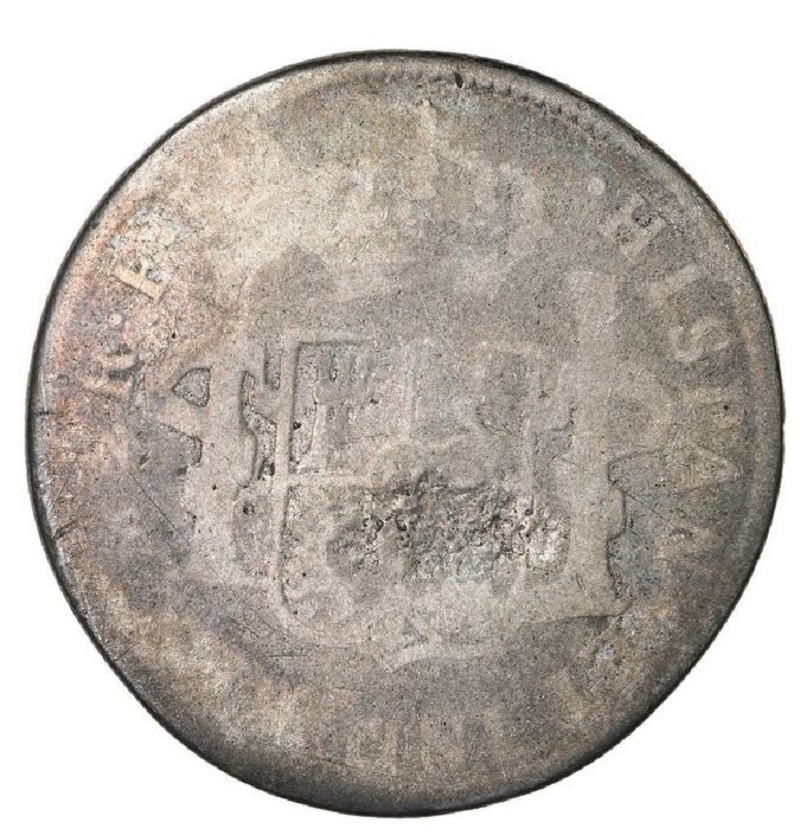 New York City, USA, silver token, USE / L. MILLERS / HAIR / INVIGORATOR / N.Y. counterstamp (ca. 1848-51) on a Mexico City, Mexico, bust 1 real, Charles III, 1786 FM, rare, NGC AG details / damaged. Brunk-694; Rulau-M-NY-582I. Louis Miller was a New York City hairdresser who sold his own concoction that purported to "restore gray hair, prevent baldness, remove scurvy and dandruff, and beautify the hair." Bold XF counterstamp on an About Good host coin with clear date and assayer, test cut on edge at 6 o'clock. There are several varieties of counterstamp from L. Miller because each part is a separate punch; this particular type is quite scarce. NGC #5964205-001. 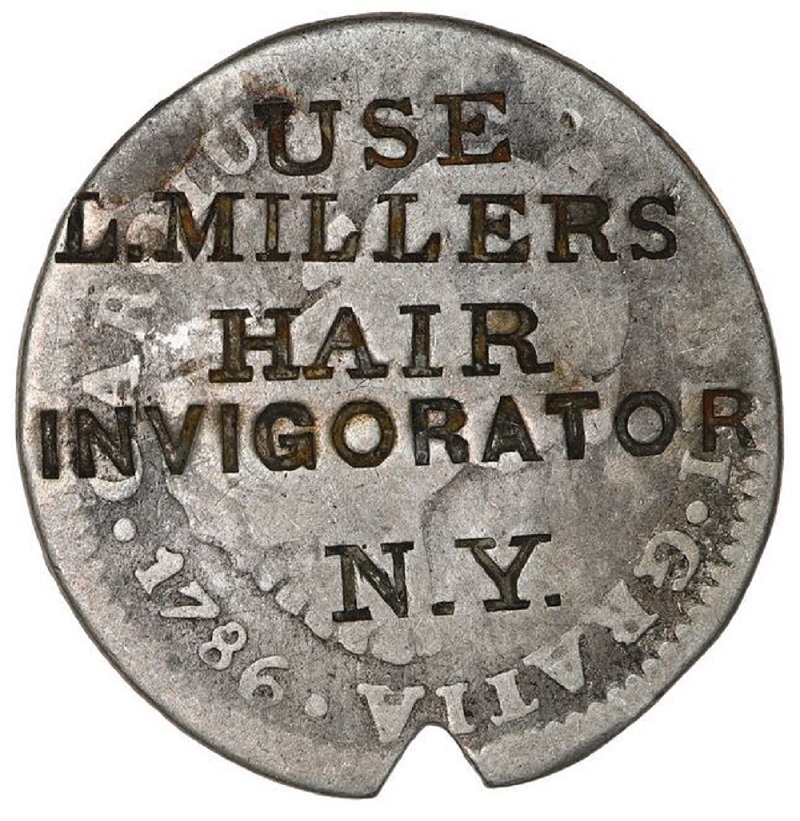 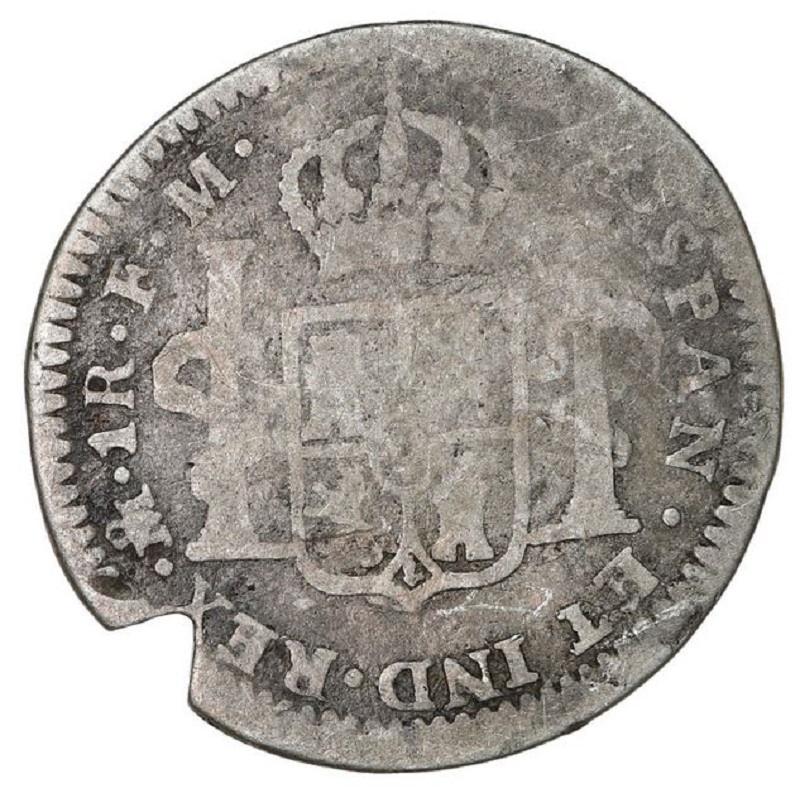 Edited by numismatic student
11/03/2021 12:21 pm
|
|
|
|
Moderator
 United States
194606 Posts |
Very nice!  |
|
Pillar of the Community
 United States
6514 Posts |
Coming from someone here with quite the receding hairline those are pretty cool. Thanks for sharing.
Check out my counterstamped Lincoln Cent collection: http://goccf.com/t/303507 |
|
Pillar of the Community
United States
4431 Posts |
The Houck's c/s on a two real piece is a very desirable host coin for this merchant. Great example!  I suspect that many collectors don't realize the extent to which U.S. merchants and the economy at large depended on Spanish coinage; especially so, prior to the Civil War when they were legal tender. When the war broke out, hard money was being hoarded, AND the 1857 coinage act had rendered world coins unacceptable, stateside. The merchants were, in effect, between a rock and a hard place. It's no wonder that so many forms of alternative currency appeared during the war years .... tokens, scrip, encased postage, counterstamped coins with altered denominations; most of which served as a merchant's IOU. Here's my specimen on an 1828 Bust half, followed by a bottle and an advertisement .... 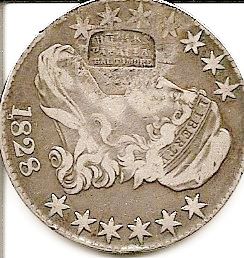 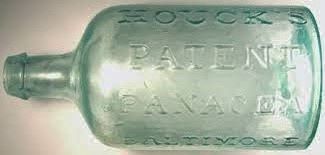 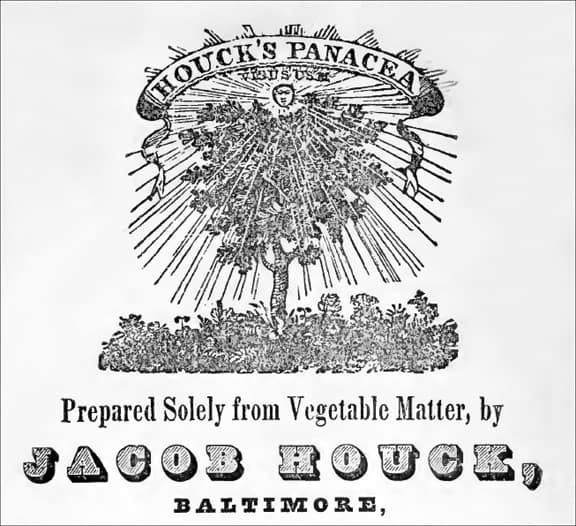 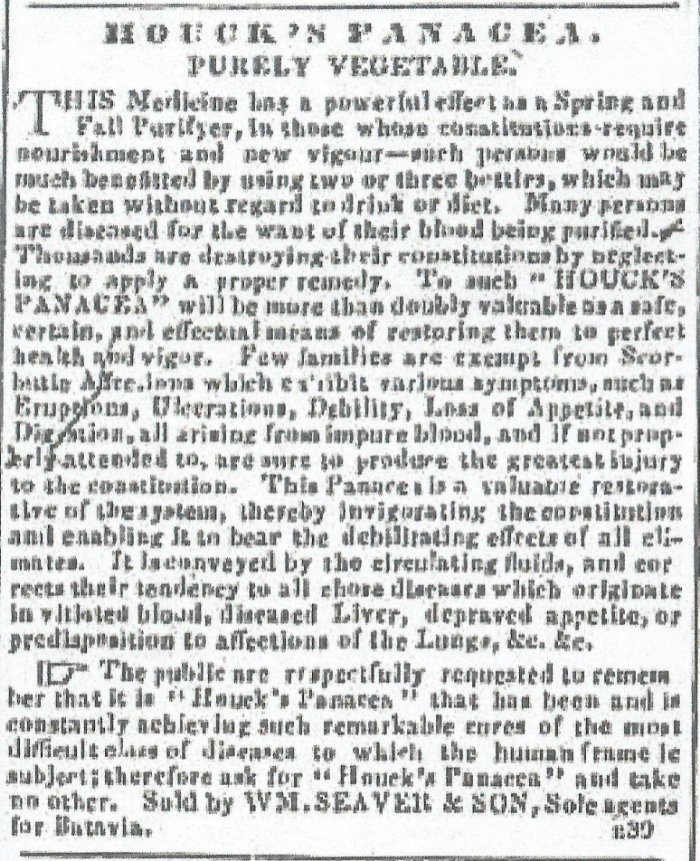 Edited by ExoGuy
11/03/2021 6:39 pm
|
|
Pillar of the Community
United States
5887 Posts |
Super cool! I really do love early counterstamps and you've got a great one with a nice backstory here. Really enjoying all of your posts recently NS!
-CH27
Collector of U.S. Coins, Varieties, and Colonial Coinage
|
|
Bedrock of the Community
 United States
11963 Posts |
|
|
Pillar of the Community
United States
4431 Posts |
Thanks fr pointing that auction out, NS. I'm guessing the Houck's c/s on the two real host will top a grand and may approach twice that amount. I'm guessing that the Miller c/s won't fetch any bids; this, given a high, I think, $300 minimum.
|
| |
Replies: 6 / Views: 1,232 |
|







 Posted 11/03/2021 1:49 pm





