Looks like when the die was fresher, it went through
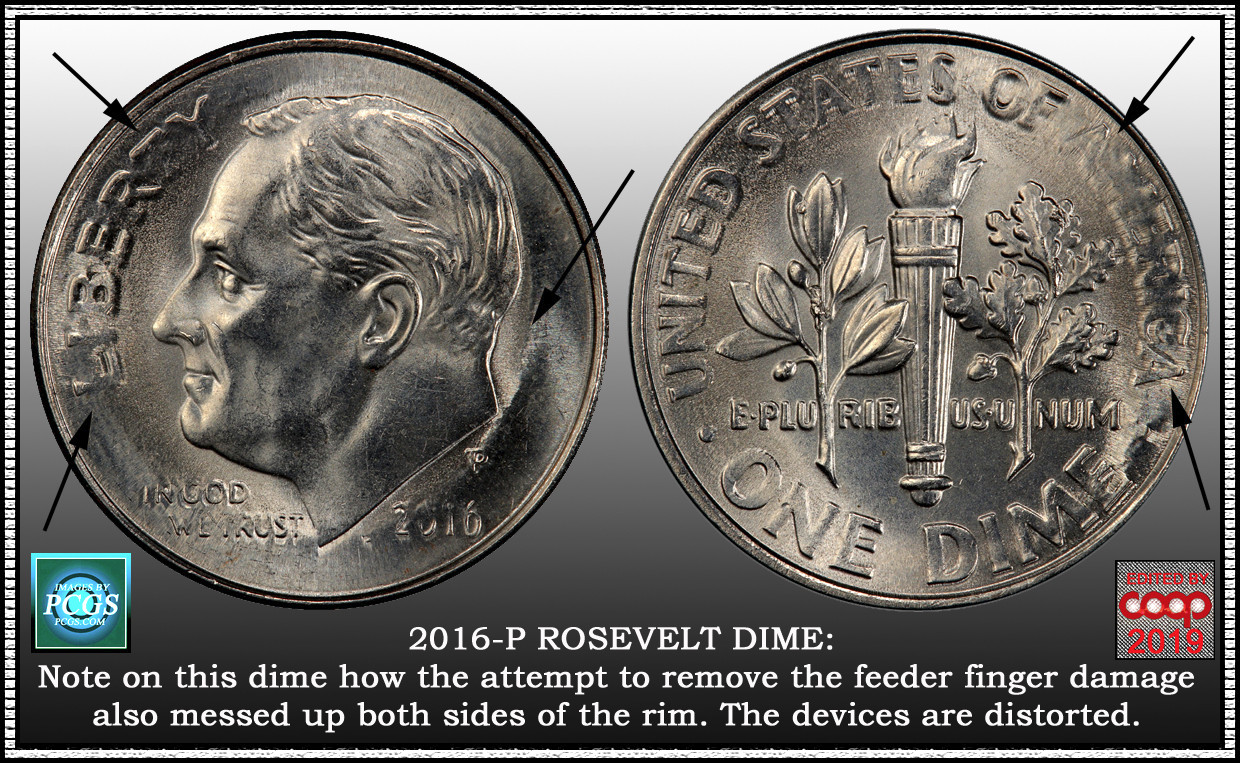
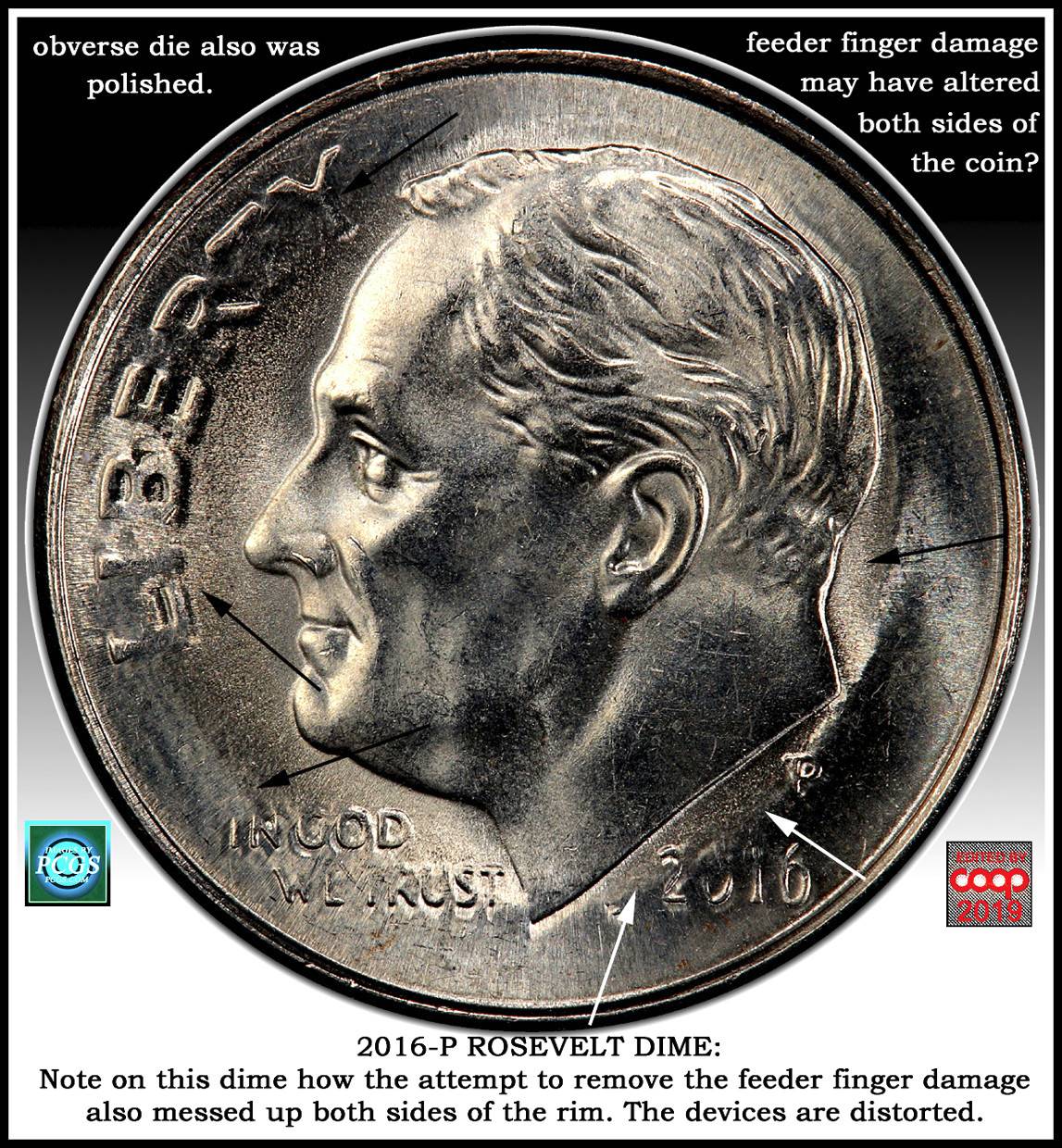
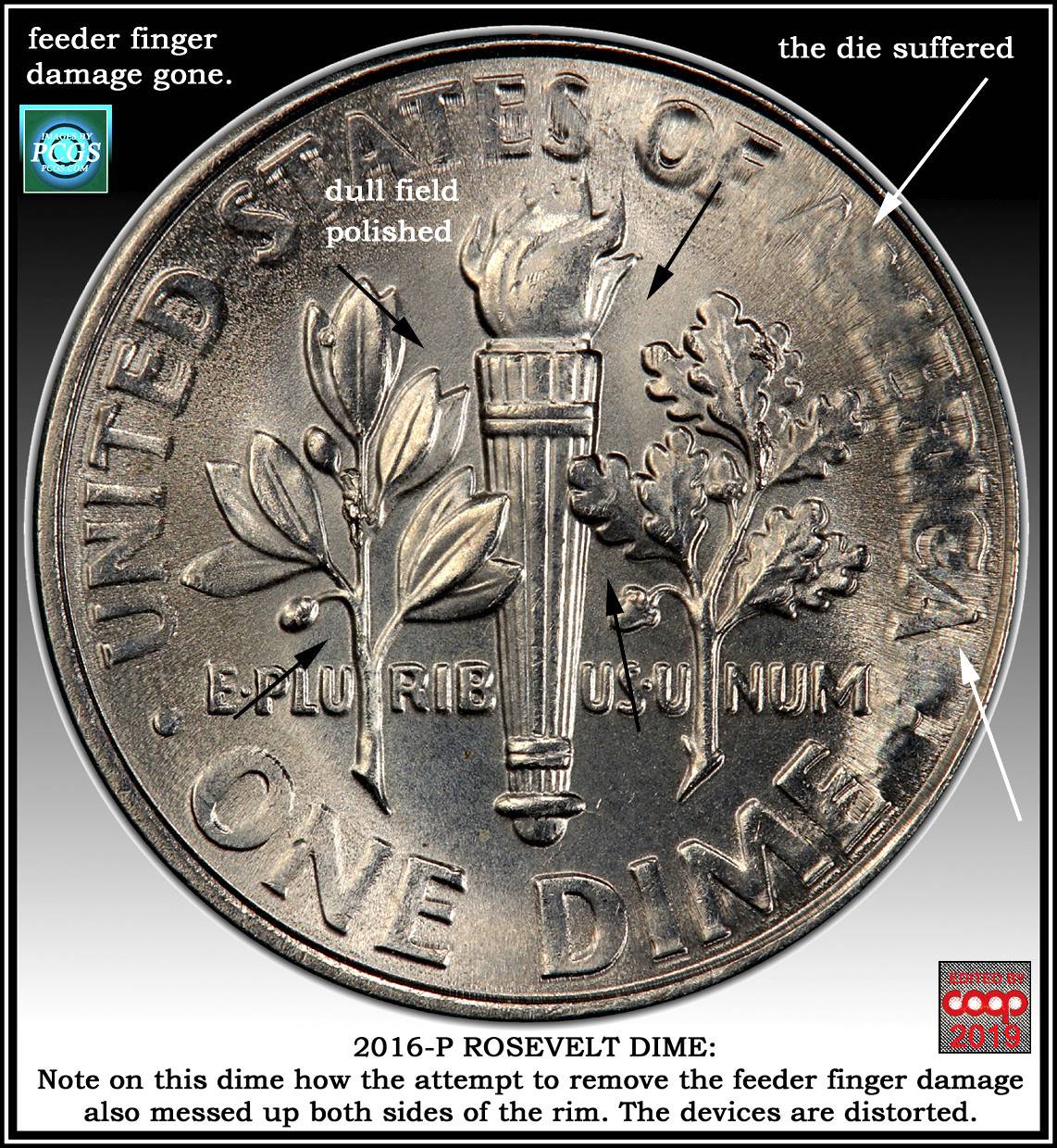
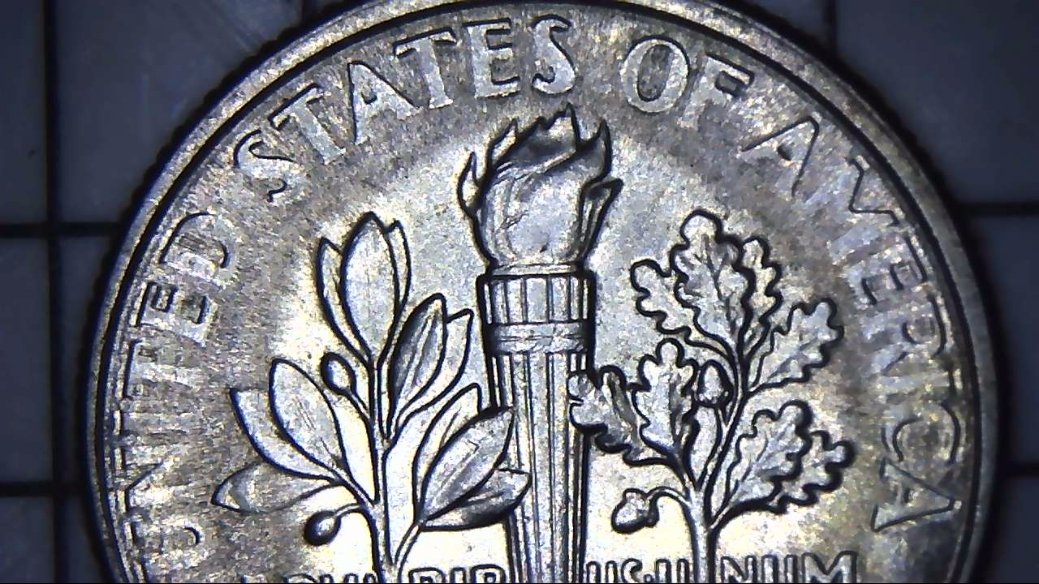
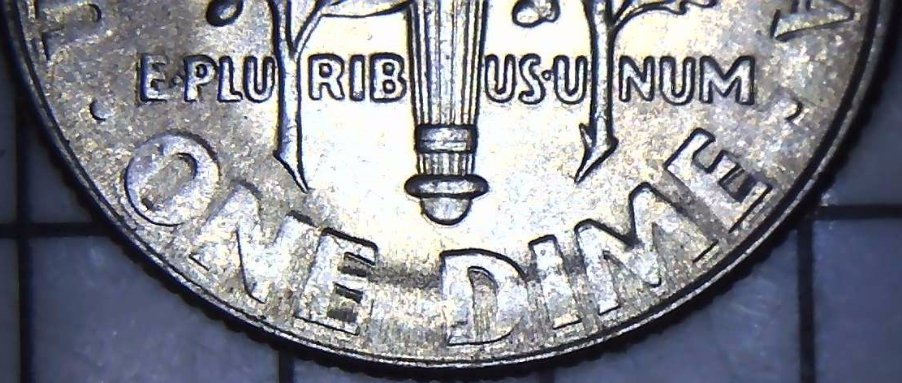
Feeder Finger Damage. The polishing to restore the die to remove the die event, reduced the fields on the devices on the obverse and reverse. Since then the die was used to strike a lot more dimes. Thus the die flow lines, the weakness of the obverse devices and the flat appearance of the field on the torch area on the reverse. Just an aging die. It has no premium for the events it went through. But examined in this light of information, we now know what die events the die that struck your dime when through during it life, before striking your coin. Just noticed
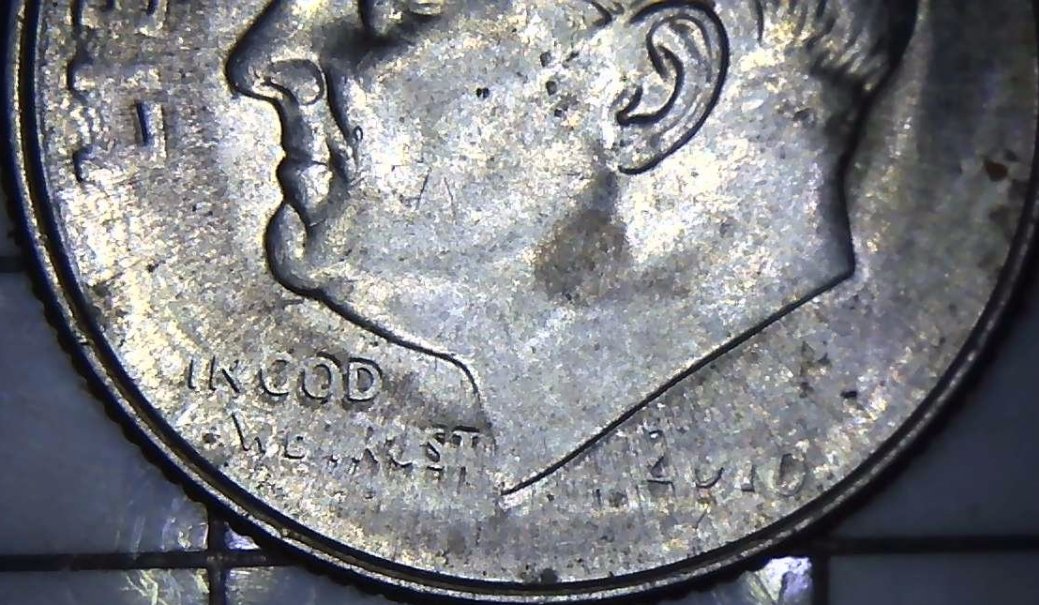
Machine Doubling on the ONE DIME area. So you have a coin to save for an educational subject for a new collector. A lot going on educationally, but no premium for the coin. Your future students can benefit on this coin to show the different die events and striking issue, that adds no premium to the value of the coin. If we had seen the bridge of the nose, that area would also have been affected. Just how much depending on how much
Feeder Finger Damage happened to the die. This die at one point in its die, may have looked like these die events.










 Posted 11/23/2021 09:19 am


