| Author |
 Replies: 15 / Views: 1,666 Replies: 15 / Views: 1,666 |
|
|
Pillar of the Community
United States
6196 Posts |
This seems to be a popular date for lamination errors, and here is another. 1956-D Lincoln Wheat cent mint error - lamination loss 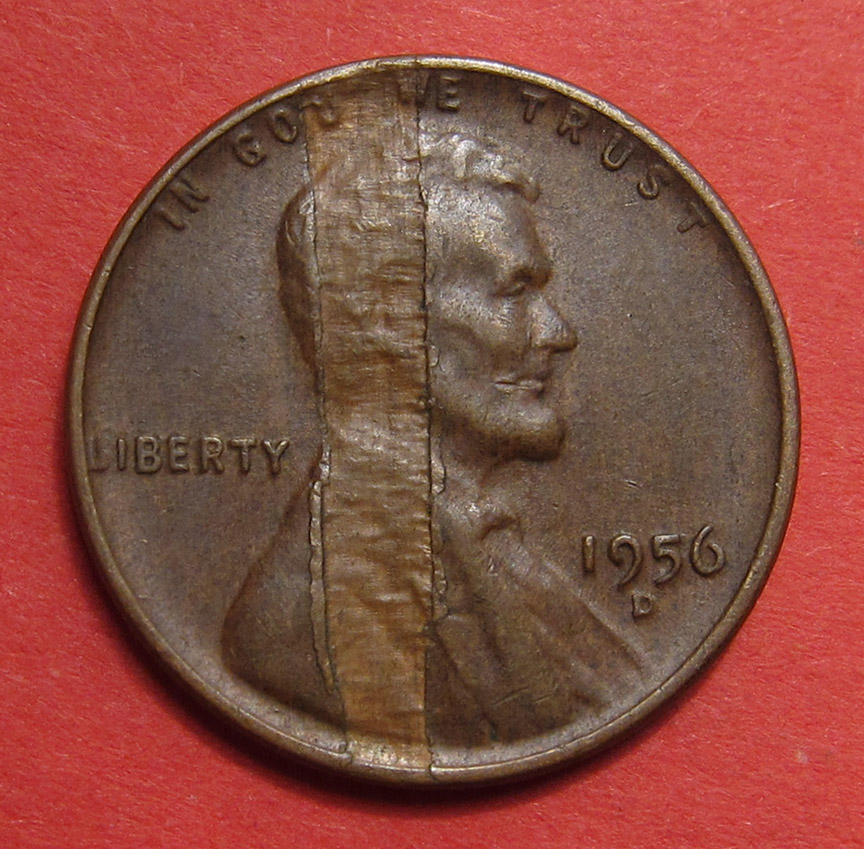 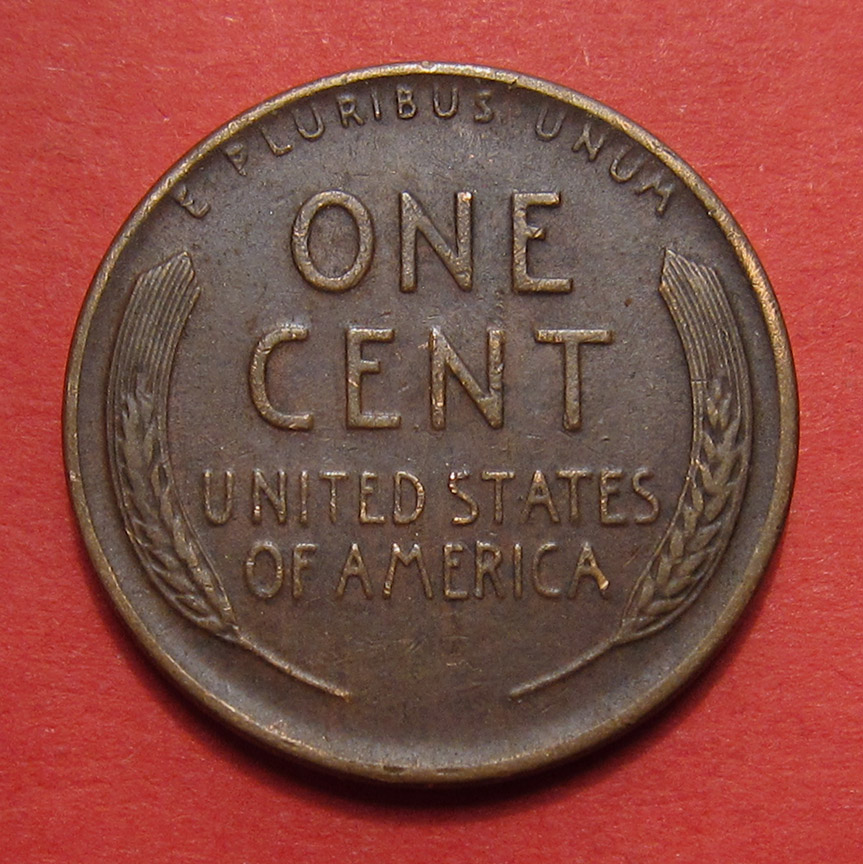 |
|
|
|
Pillar of the Community
United States
5887 Posts |
Now that's a killer lamination. I like that there isn't any other lamination issues anywhere else to distract from the main one. Certainly a coin with nice eye appeal.
-CH27
Collector of U.S. Coins, Varieties, and Colonial Coinage
|
|
Pillar of the Community
Canada
6244 Posts |
Yes nice. Correct to say year with ex-foliations due to the composition.
I like. Right side perfect strait for ex-foliations. Damage bottom is a little narrow to rich what we say the perpetum-nobile in ex-foliations (means upper and bottom cross the coins with same dimension.).
Edited by silviosi
12/23/2021 12:03 am
|
|
Moderator
 United States
56855 Posts |
Just wondering, why is the lam area lighter in color? John1  |
|
Pillar of the Community
United States
1173 Posts |
Super nice example, thanks for sharing.
|
|
Pillar of the Community
United States
1086 Posts |
|
|
Bedrock of the Community
United States
94367 Posts |
Whoa mama!  |
|
Moderator
United States
34562 Posts |
@john, I wonder if the lam peeled away from the coin after some number of years of circulation. In that case, this "fresh" metal under the lam would be less oxidized and could be lighter in color. We see this when dried glue is on a coin for many years and then is finally removed. Just my hypothesis though.  "If you climb a good tree, you get a push."
-----Ghanaian proverb
"The danger we all now face is distinguishing between what is authentic and what is performed."
-----King Adz
|
|
Moderator
United States
56855 Posts |
Glue would have a "tight bond" to the metal, and I would think a lam would not. John1 |
|
Pillar of the Community
United States
2408 Posts |
Good question John1. Good answer Spence.
|
|
Moderator
United States
34562 Posts |
Yes good point. Any other ideas? Lam caused by incomplete mixing of metals to make the copper alloy and the strip under the lam is, for example, a little zinc-rich compared with the surrounding metal?
"If you climb a good tree, you get a push."
-----Ghanaian proverb
"The danger we all now face is distinguishing between what is authentic and what is performed."
-----King Adz
|
|
Bedrock of the Community
United States
62064 Posts |
Talk about appealing? (a peeling pun)
|
|
Moderator
United States
107680 Posts |
I wonder if that lam was continued onto other adjacent planchets then they were stamped out of the rolled out stock...
|
|
Bedrock of the Community
United States
62064 Posts |
What ever size that was cold rolled on the stock material would be the length of it. It was pressed on the cooled metal in varying thicknesses. Thus the mark on the lower bust area. The peel may been a different color, thus the two toned affect on the coin. (or cam off in one piece. It would have been worth a lot more attached to the coin depending on how it came off. If in one chuck, more value for both pieces. Having the peel would have been real nice also. 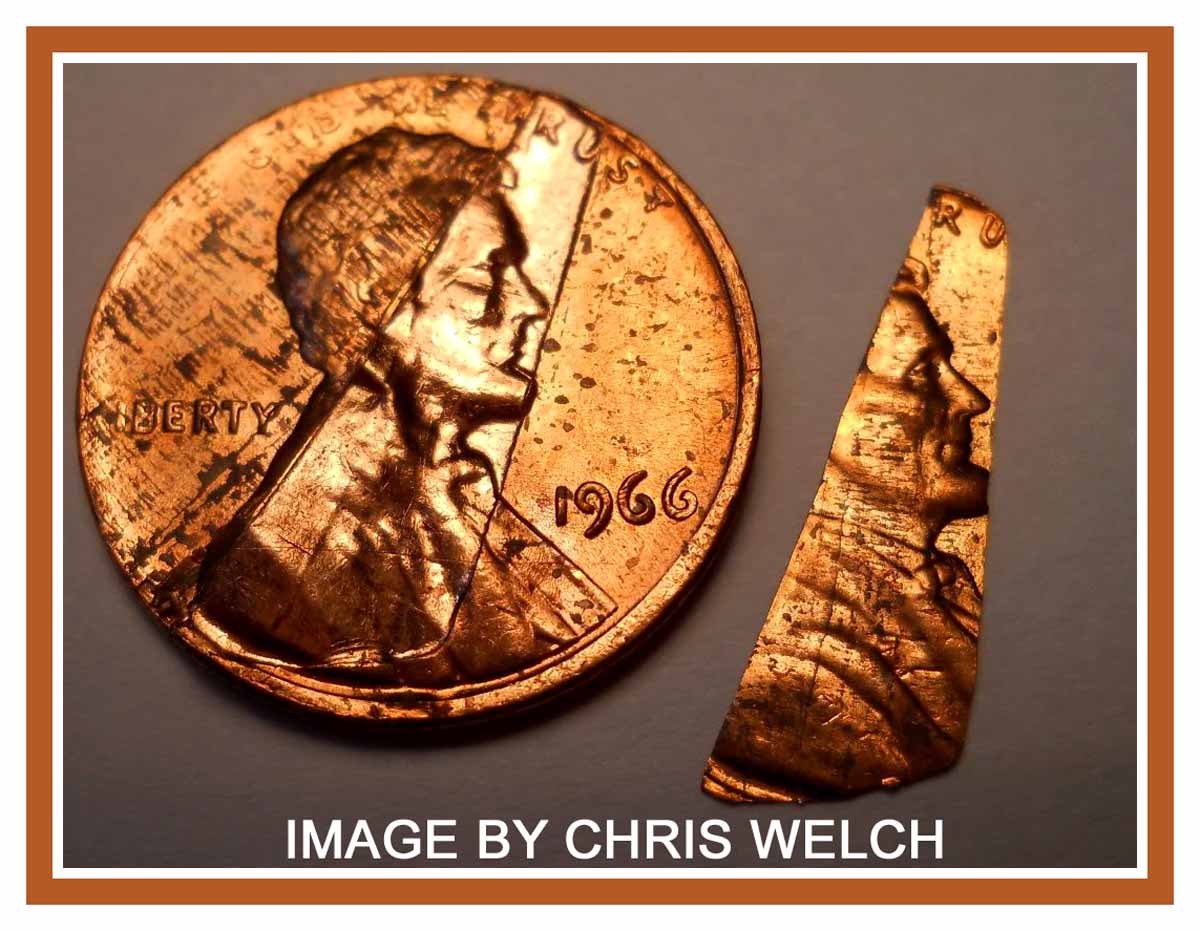 |
|
Pillar of the Community
United States
1204 Posts |
Cool coin TB. Great Lam. I think it came off later.
|
|
Pillar of the Community
 United States
6196 Posts |
Thanks for all the interesting comments! My opinion is that the coins lost the lam bit at some time after being released from the mint, but before it was pulled from circulation. That said, the lam came off because of differences in the metal layers, sort of, so easily could have been a slightly different allow underneath. Also, the surface smoothness of a lam surface is "slicker" than the regular coin surface so could be that whatever was causing the toning on the coin just wasn't sticking to the lam surface.
|
| |
Replies: 15 / Views: 1,666 |
|










 Posted 12/23/2021 12:02 am


