| Author |
 Replies: 13 / Views: 842 Replies: 13 / Views: 842 |
|
|
Pillar of the Community
United States
6157 Posts |
|
|
|
|
Bedrock of the Community
United States
10635 Posts |
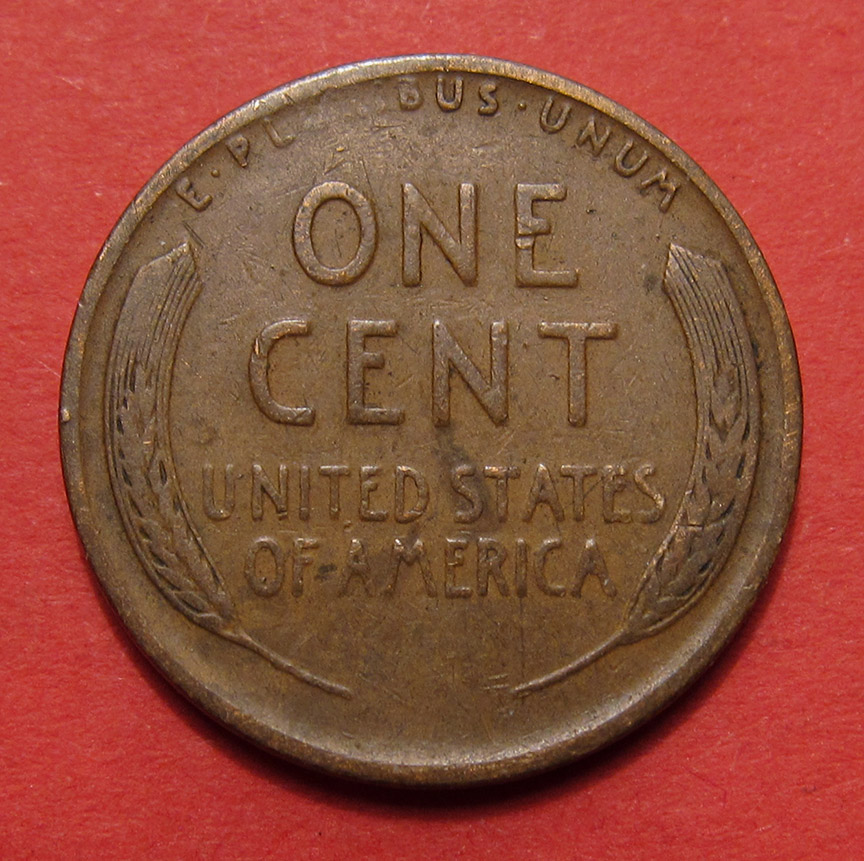
Yeah, not in the best shape, but still, a very nice Cud!  |
|
Pillar of the Community
Canada
6244 Posts |
Cud like Cud. I will like to know some opinions why missing letters on "pluribus"? It is a curiosity for me. Cud's it is not my field.
|
|
Pillar of the Community
 United States
6157 Posts |
The chip on the die that makes the Cud show up sucks up all the metal in that area during the strike so there is a weakness created on the reverse opposite most all Cuds of any decent size. |
|
Pillar of the Community
Canada
6244 Posts |
Agree with your description.
Question:? why the annealing in this case it is not deformate?
|
|
Pillar of the Community
 United States
5839 Posts |
Quote:
Question:? why the annealing in this case it is not deformate? I'm not sure about anyone else but I don't really understand the question Silviosi. "Annealing" is the process of heating the blank planchet before being struck by the dies, correct? For those not familiar with Italian I found this example of it's use in English: "Deformate"- LINK- https://www.linguee.com/italian-eng...formate.html "Le immagini registrate possono risultare deformate, o il soggetto può apparire circondato da un colore inesistente. it.leica-camera.com The recorded image may appear distorted, or subjects are surrounded by a color fringe. Looking at this example of the translation above and your question, what is it you are asking about being distorted (deformate) in relation to the annealing process? My apologies if I misunderstood your question. PP55 Words of encouragement are one of the major food groups.
We need to consume them regularly to thrive and grow.
|
|
Bedrock of the Community
United States
19415 Posts |
|
|
Pillar of the Community
United States
1086 Posts |
|
|
Moderator
United States
34511 Posts |
@sil, each planchet has a specific amount of metal in it prior to striking. In the usual case, that amount of metal will fully fill up the dies and all the details are imparted from the dies to the planchet. When a chunk of a die is missing along it's edge, a Cud Is formed. This extra metal has to come from somewhere and therefore it is very common to see an area of weakly struck details directly opposite to a Cud. As a general rule, the bigger the Cud, the weaker the details on the opposite side. Hope this helps. "If you climb a good tree, you get a push."
-----Ghanaian proverb
"The danger we all now face is distinguishing between what is authentic and what is performed."
-----King Adz
|
|
Bedrock of the Community
United States
94367 Posts |
|
|
Pillar of the Community
Canada
6244 Posts |
Thanks to anyone. Like I say :I do not study the Cud's (not yet) with the respect that is planchet part. |
|
Pillar of the Community
Canada
6244 Posts |
With respect to all. Sorry for use of the word annealing instead of rim (in time I was full absorb by a annealing topic. About the word defrormate. It is legit word in english and come from deformation definition Quote:
the action or process of changing in shape or distorting, especially through the application of pressure. Thanks to all. |
|
Pillar of the Community
United States
1204 Posts |
Nice find TB. Silviosi, the outside edge of the rim is from the upsetting mill on the blank, the inside rim is created by the die. In the area above the missing letters is soft and not sharp, so I think it was effected by the Cud. |
|
Pillar of the Community
United States
6157 Posts |
Thanks for all the great comments! It's interesting that quite a few errors can actually be validated by looking at the other side of the coin. Kind of why the board asks people to post front and back of coins, so things can get figured out the first time without needing more photos later.
|
| |
Replies: 13 / Views: 842 |
|










 Posted 12/23/2021 02:07 am





