| Author |
 Replies: 11 / Views: 1,027 Replies: 11 / Views: 1,027 |
|
|
Pillar of the Community
United States
5240 Posts |
|
|
|
|
Bedrock of the Community
United States
19549 Posts |
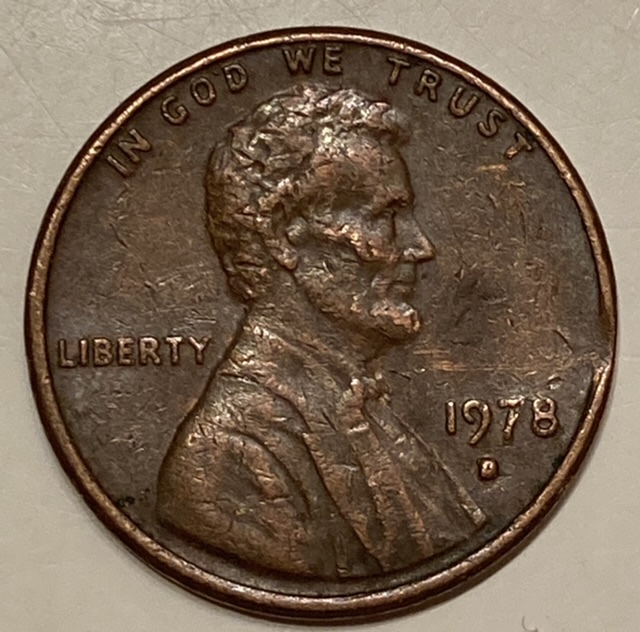
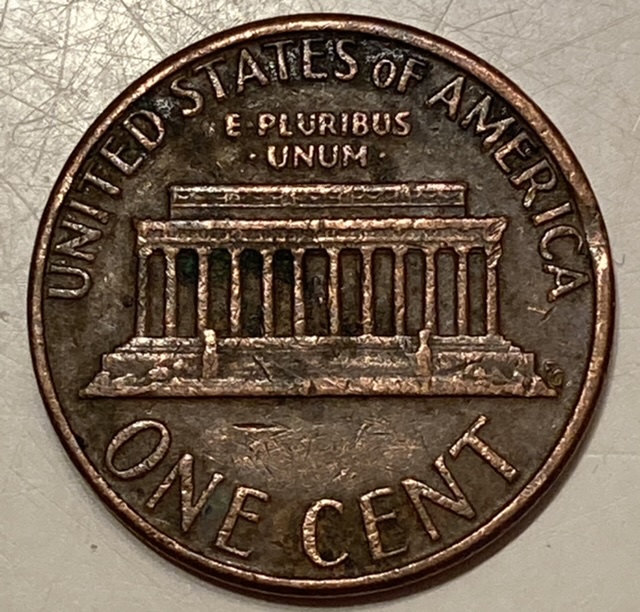
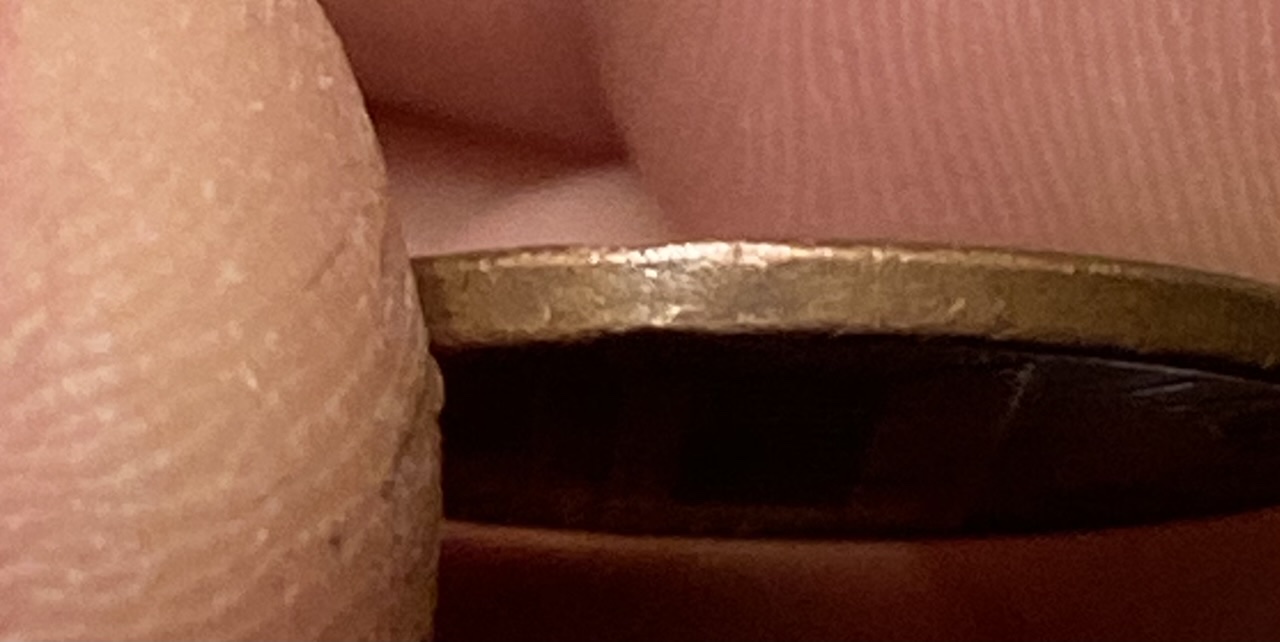
What I'm seeing doesn't appeaser to have classic Blakesley characteristics. Just my opinion. Others will be along to weigh-in.
|
|
Moderator
 United States
56855 Posts |
Looks like PMD to me. John1  |
|
Pillar of the Community
United States
4422 Posts |
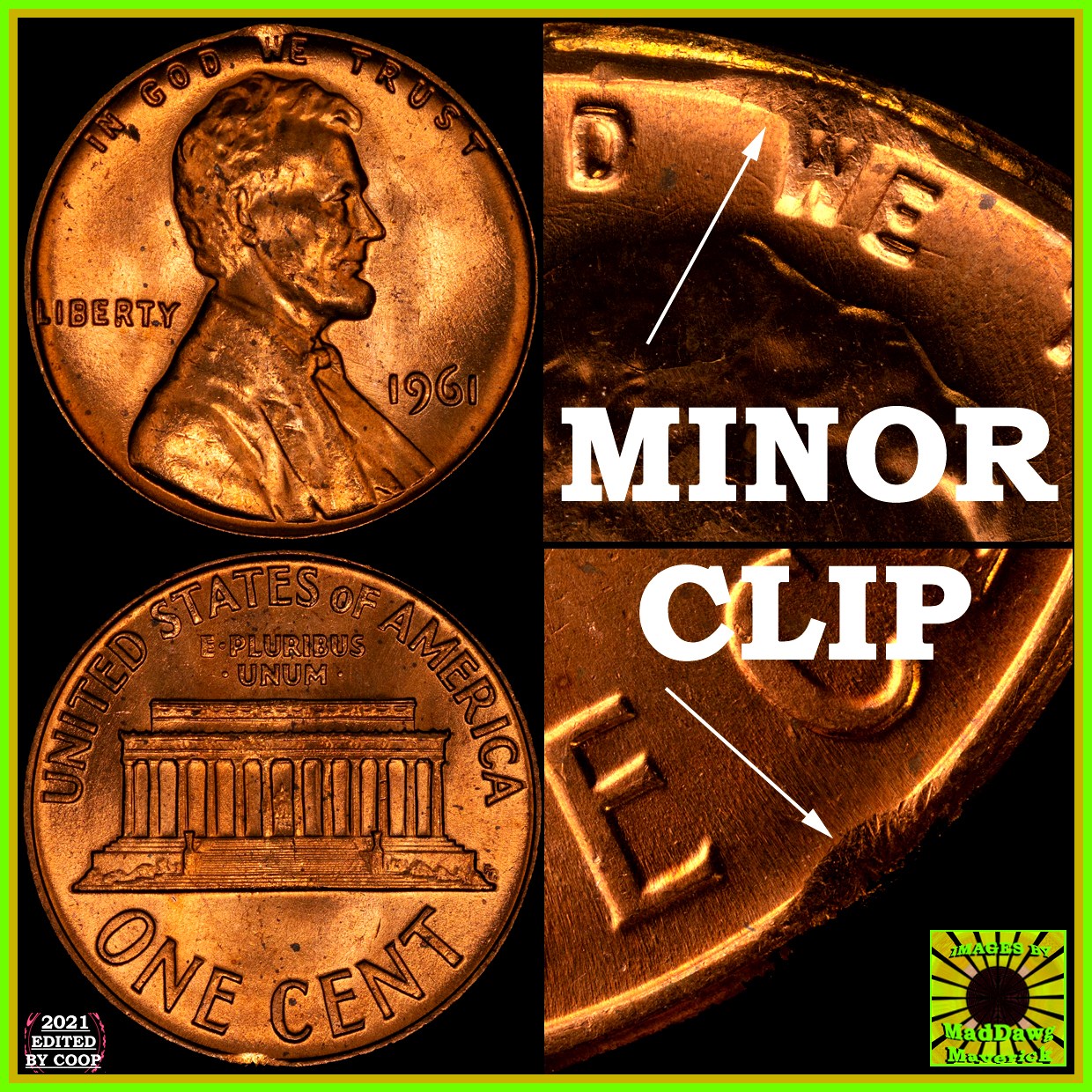
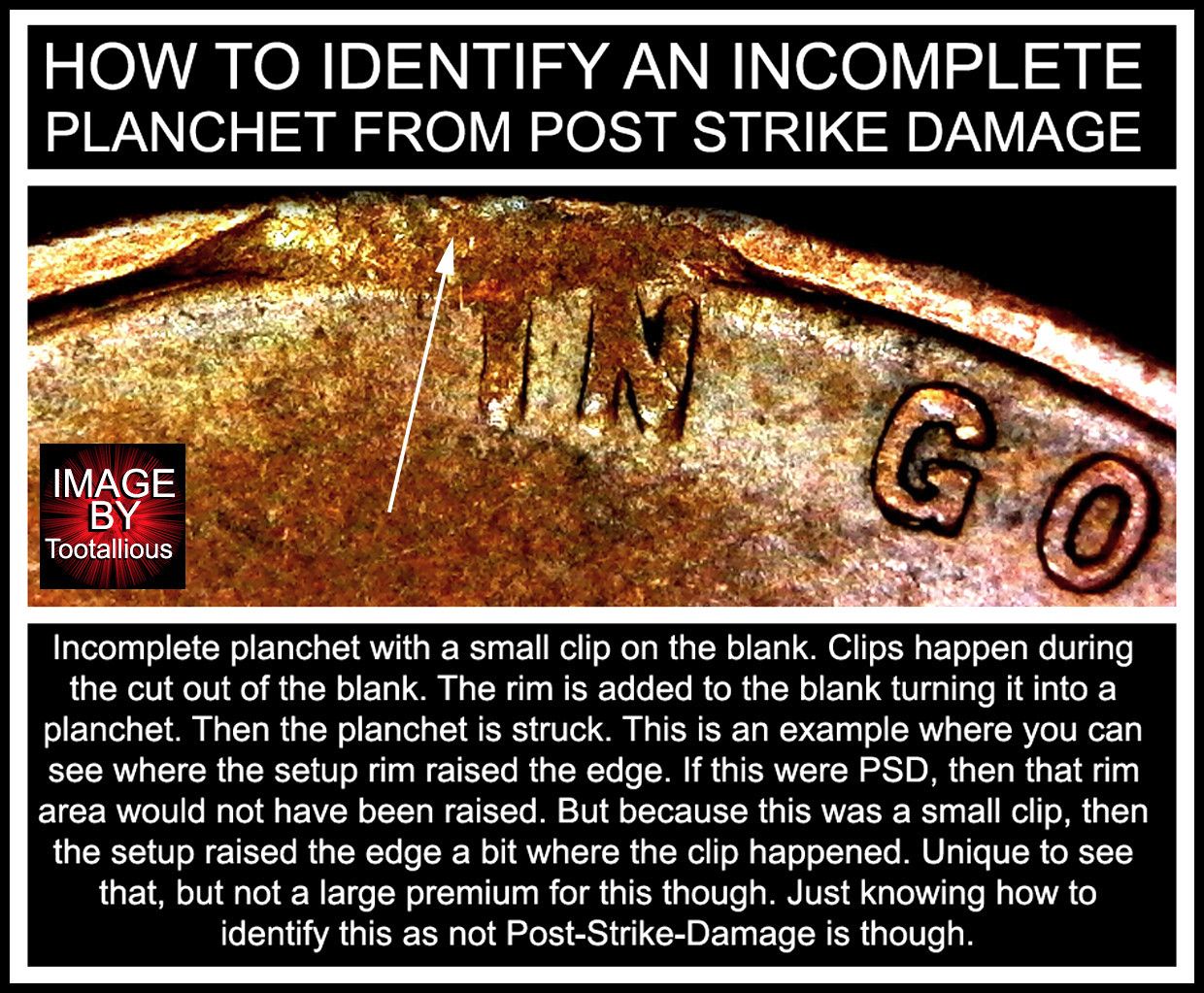
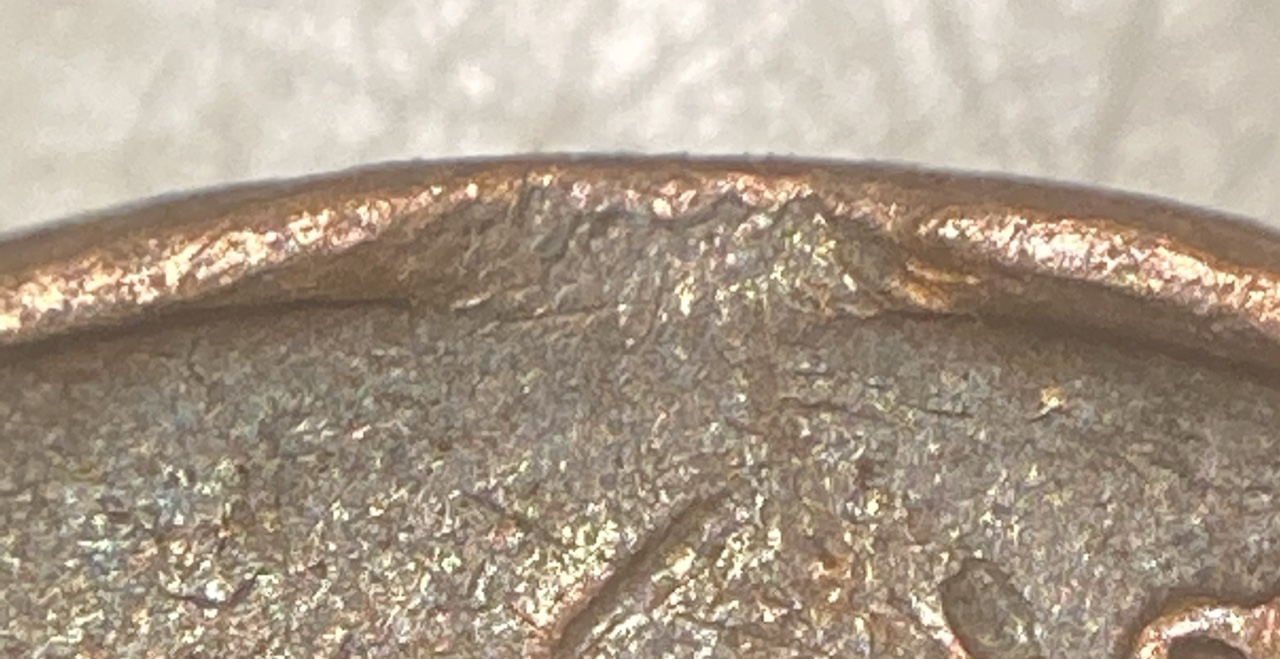
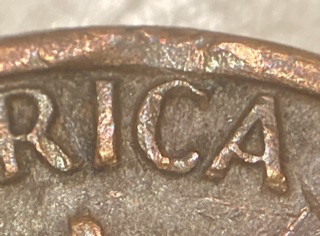
Hard to tell when it's that small, but that could be the clip itself. Just a small rim clip.
|
|
Bedrock of the Community
United States
62064 Posts |
|
|
Pillar of the Community
 United States
5240 Posts |
The thought never crossed my mind that this could be an actual clip itself. Interesting.
|
|
Pillar of the Community
United States
2752 Posts |
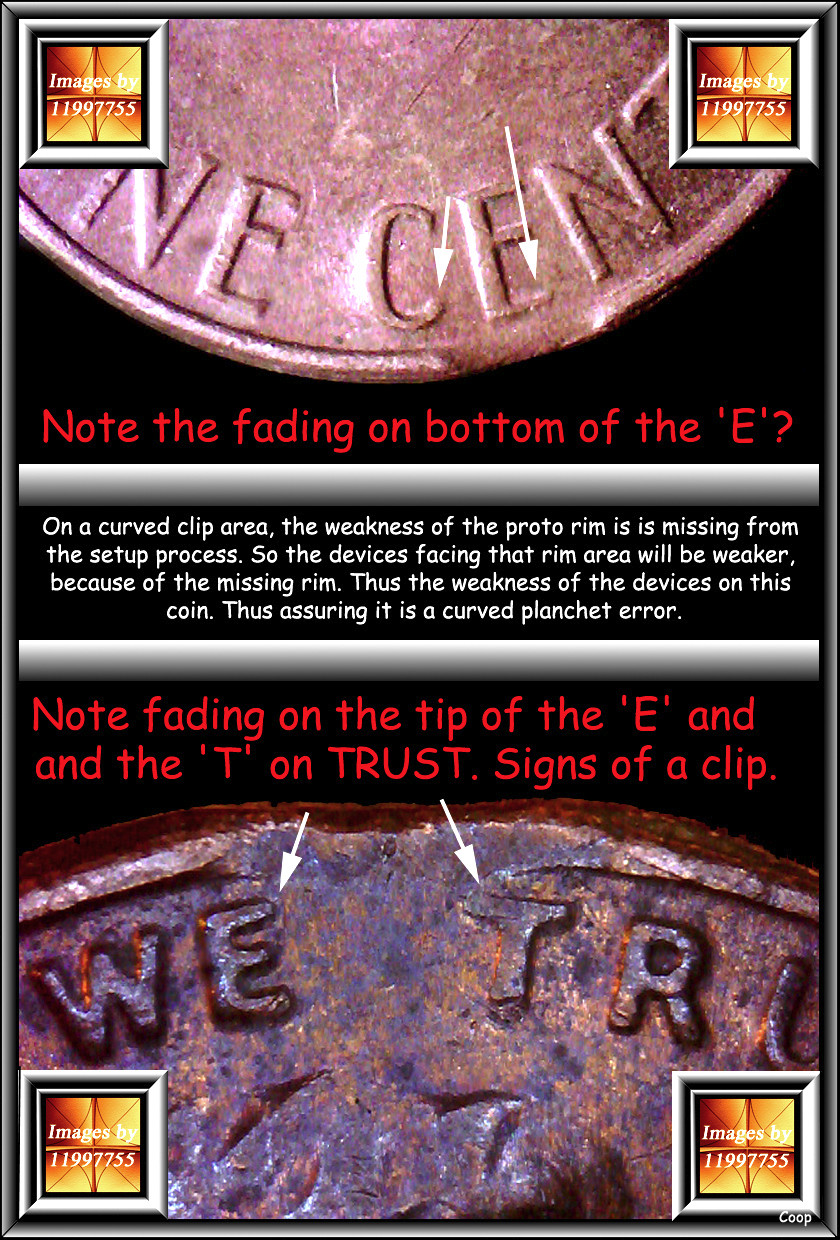
I agree with Coop that this is most likely a tiny clip. These are often referred to as "rim clips" or "disc clips". As the coin expands and pushes into the collar, the concave profile of the clip is erased, but there is insufficient metal to fill the dies' rim gutters. Hence the weakness.
Error coin writer and researcher.
|
|
Bedrock of the Community
United States
19549 Posts |
|
|
Bedrock of the Community
United States
62064 Posts |
Thanks Mike for your confirmation. Always appreciated here.
|
|
Moderator
United States
56855 Posts |
I am sticking with PMD,the damage extends from the rim to Lincolns chin. John1 |
|
Pillar of the Community
United States
5240 Posts |
John1, that is actually a scratch that doesn't even meet up to the rim and is not directly in line with the clip.
|
|
Pillar of the Community
Canada
6244 Posts |
Because you use the term Blakesley Effect I will give the explanation for better understand what COOP explain. Explanation of Blakesley Effect: The flattened area that occurs opposite the 'clip' on incomplete planchet coins. On very large clips many times it is not show.
|
| |
Replies: 11 / Views: 1,027 |
|












 Posted 01/05/2022 12:38 pm