

 Posted 02/09/2022 8:32 pm


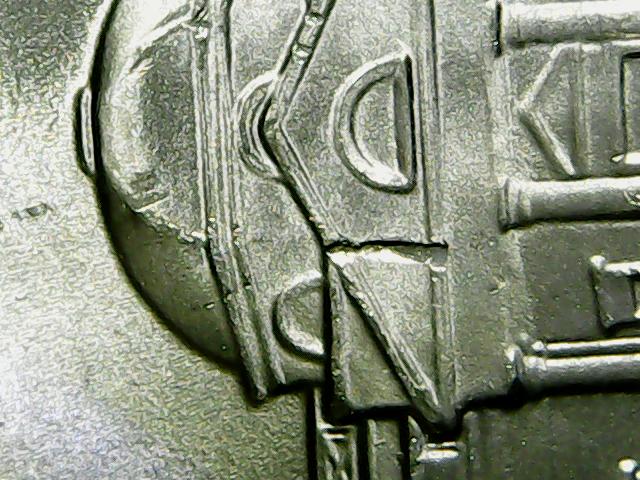
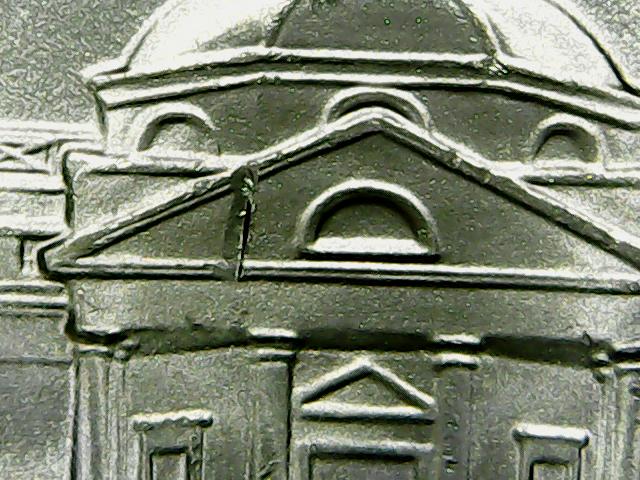
looks like another coin smashed into it.
Collecting since 1972. Learning from then on
"Tell me and I forget. Teach me and I remember. Involve me and I learn." - Benjamin Franklin
7070 type set coin count: 51/76 Uncirculated American Silver Eagles My American Silver Eagle Proof Collection Sacagawea Dollars Innovation Dollars
Eisenhower-Dollars Kennedy-Half Dollars Washington-Quarters Roosevelt-Dimes Buffalo-Nickels 1938-2005 Jefferson-Nickels Lincoln-Cents
"Tell me and I forget. Teach me and I remember. Involve me and I learn." - Benjamin Franklin
7070 type set coin count: 51/76
Uncirculated American Silver Eagles My American Silver Eagle Proof Collection Sacagawea Dollars Innovation Dollars Eisenhower-Dollars
Kennedy-Half Dollars Washington-Quarters Roosevelt-Dimes Buffalo-Nickels 1938-2005 Jefferson-Nickels Lincoln-Cents