| Author |
 Replies: 25 / Views: 2,473 Replies: 25 / Views: 2,473 |
|
Valued Member
United States
172 Posts |
Hey Everyone, I found this coin that appears to have a huge die crack across the reverse. It's just such a large crack and looks so different from the normal die cracks that I find that I wanted to get a 2nd opinion to make sure I wasn't missing something. Thanks for the help! 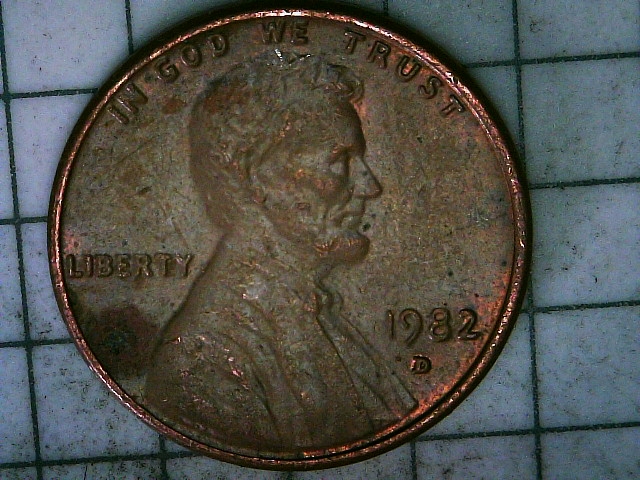 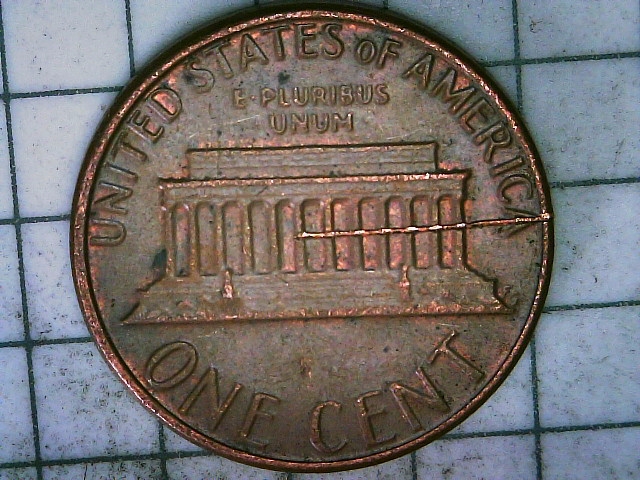 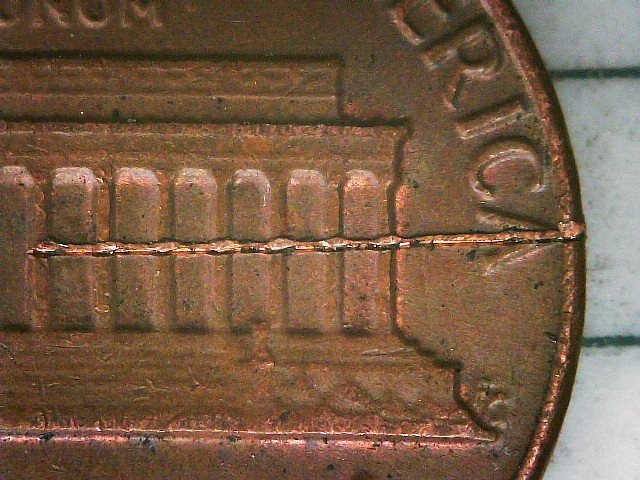 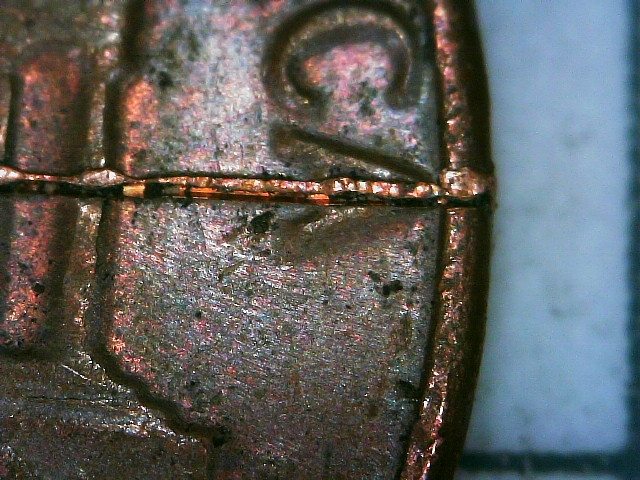 |
|
|
|
Pillar of the Community
 United States
7174 Posts |
Looks more like a scratch to me. Die cracks are almost never that straight.
|
|
Valued Member
 United States
172 Posts |
Thanks for responding. The 3rd and 4th pictures show that the area in question is metal on top of the normal design. I can say for certain that it's not a scratch.
|
|
Bedrock of the Community
United States
94367 Posts |
Often a deep scratch will force the displaced metal up above the surface, just a thought.  to the CCF! |
|
Bedrock of the Community
Canada
21854 Posts |
It is a deep scratch that has pushed the displaced metal upwards.
|
|
Bedrock of the Community
United States
19511 Posts |
That's what I'm seeing, a scratch with has displaced metal upwards.
|
|
Valued Member
United States
172 Posts |
Yeah I hear what you're saying. It's just that there's a significant amount of raised metal. To cause that much raised metal there would need to be an equally deep gouge where all the metal came from and it doesn't appear to exist. 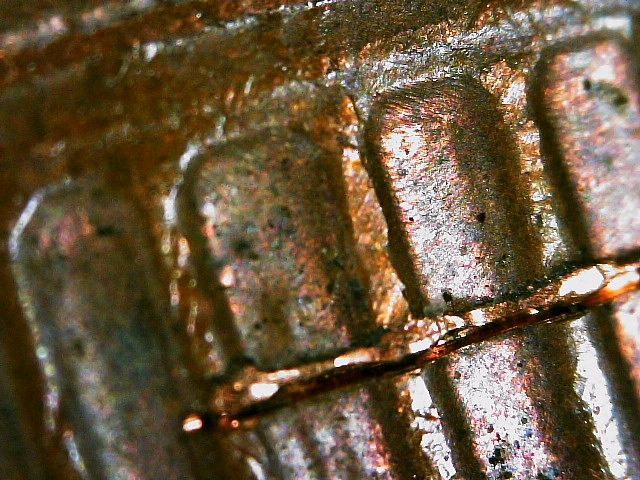 |
|
Bedrock of the Community
Canada
21854 Posts |
A die crack would not have raised areas in the columns like a deep scratch would.
It would be more consistent.
|
|
Valued Member
United States
172 Posts |
Well it looks like it's time for me to admit that I was wrong. I practically put the coin inside my microscope to try and get as close a view as possible and I now see the gauge. It looks like the gauge is partially filled with some dirt/grime which is why I wasn't seeing it initially. Thanks you all for taking the time to view the pictures and write up your thoughts! 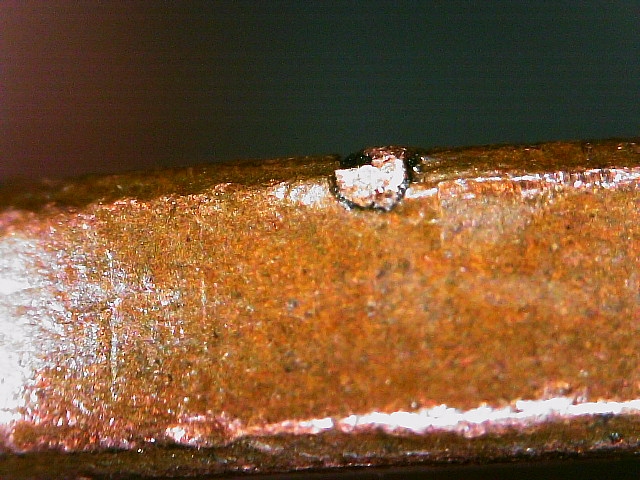 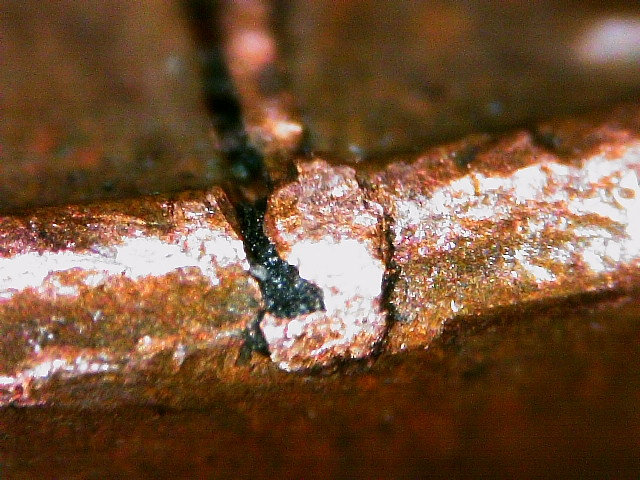 |
|
Pillar of the Community
Canada
6244 Posts |
To me seem to be and wire there. Or maybe before the this struck was some strakes trough an wire who let the mark in the die and then develop an small Cud on the rim. Hope COOP will chime on this, between the colums the wire or what it is has the design curve's of the die. Just an hypotheses. |
|
Valued Member
United States
275 Posts |
|
|
Bedrock of the Community
Canada
21854 Posts |
silviosi
It is not a Struck Through. A Struck Through would not have a raised area.
|
|
Bedrock of the Community
United States
94367 Posts |
Hey. we love stuff like this!
|
|
Pillar of the Community
Canada
6244 Posts |
Thanks Jimmy. I made an hypotheses not an constant. I thinking that an before this struck was some coins struck on iron wire which will let marks on the die face and then struck this-one. Thanks to clarify me on this, it is not my expertise. I was thinking of some tests we do 'it on this direction and all the dies after 4 to 5 strikes has the mark of wire on the surface and the edges crack and detach. Was just an idea and an probability theorem.
@Coin Me too I like to see and analyze different opinions and reflections. Good stuff to learn from or remember.
Edited by silviosi
03/10/2022 7:05 pm
|
|
Valued Member
United States
172 Posts |
The side view did catch my eye since it almost looks like a different piece of metal is jammed into the coin. Is there a chance it's a retained strike through wire with the wire still lodged into the metal? I know it's not ultra common but it has definitely happened to other coins. Here's one example: http://goccf.com/t/64166 |
|
Pillar of the Community
Canada
6244 Posts |
@CRH nice reflection, thanks for link. Hope we come to an conclusion.
|
| |
Replies: 25 / Views: 2,473 |







 Posted 03/10/2022 5:30 pm





