Here's a tip for coin identifying: let Google be your friend. If a coin has readable text on it, simply type that text into Google. Because it's 99.99% certain that you aren't the first person to find one of those coins, and who has then gone onto the Internet looking to identify it.
Even if the text is written in another alphabet, Google can be surprisingly helpful - just type in the English letters that the text most closely resembles. For example, typing "Apaxmai" into Google will tell you that a coin with that word on it is from Greece, even though it actually says "drachmai" in Greek. Of course, this trick doesn't usually work for "Chinese" script, or other alphabets that look nothing like Latin/English.
There are also phone apps you can use, like "coinoscope" - it's as simple as pointing your phone camera at a coin, and the app tries to identify it for you. The AI in those apps is surprisingly good these days.
Once you know a country, date and denomination, you can then go onto a coin database website like Numista, worldcoingallery or NGC to find out more specific details about your coin, and searching for it on completed sales on
ebay will likely turn up helpful indicators as to its value.
Of course, feel free to keep asking questions on the forum - as we all know, the Internet isn't infallible. It's especially unhelpful if you happen to encounter a replica or counterfeit, or (as you've already noticed) some weird token or medal that nobody else on the Internet has seen.
Don't say "infinitely" when you mean "very"; otherwise, you'll have no word left when you want to talk about something really infinite. - C. S. Lewis












 Posted 03/21/2022 8:33 pm


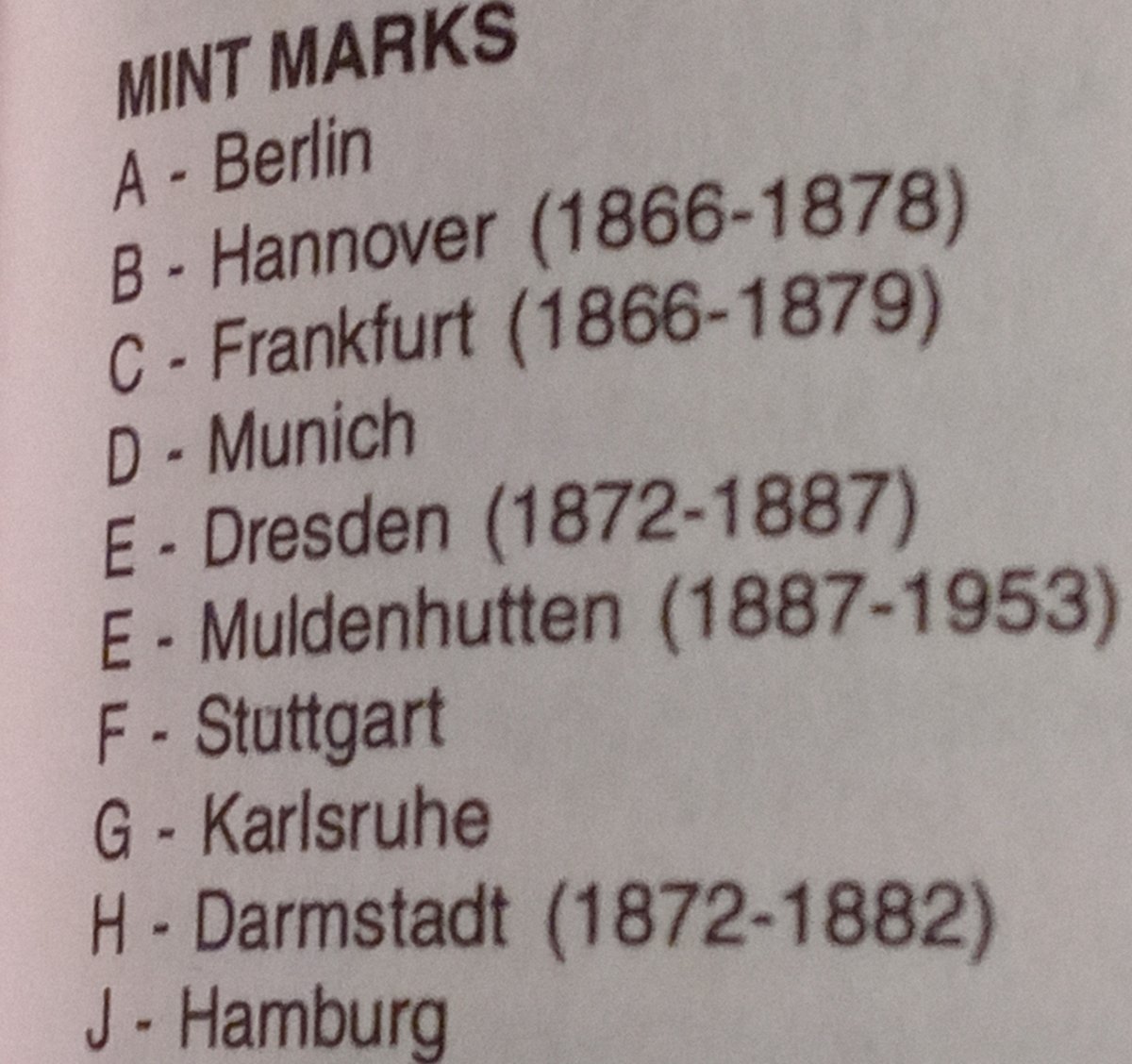
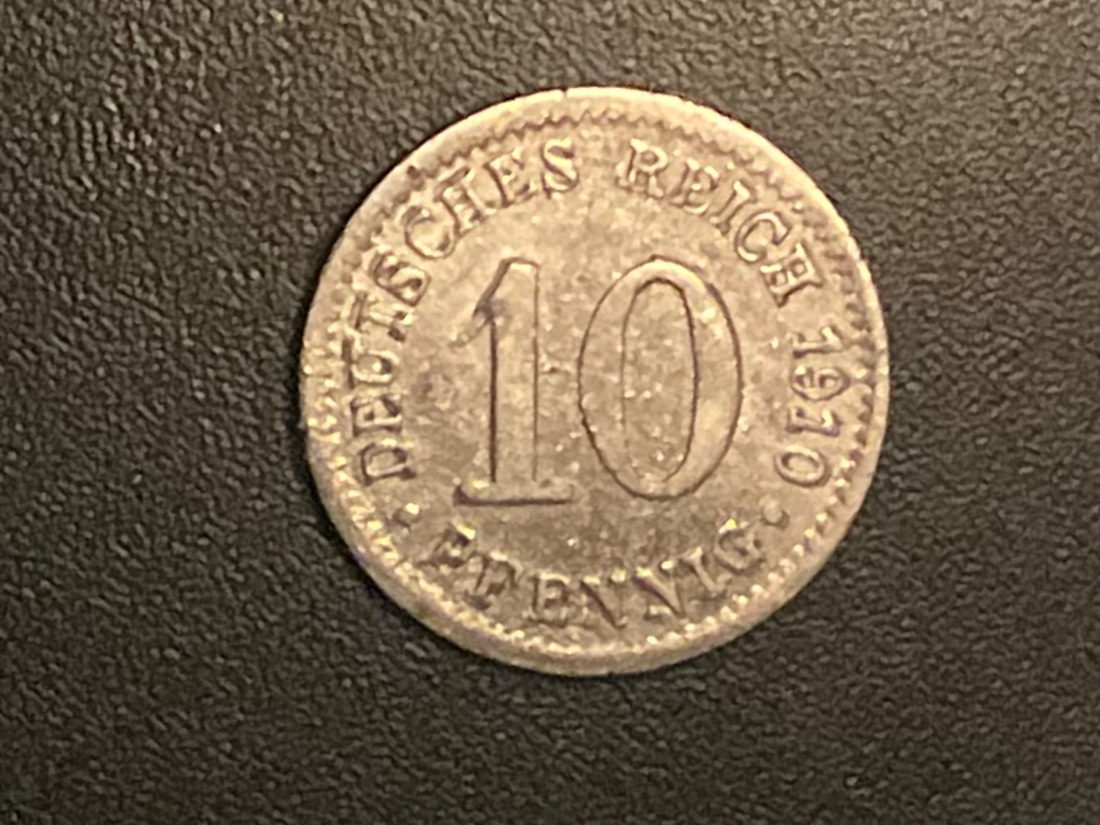
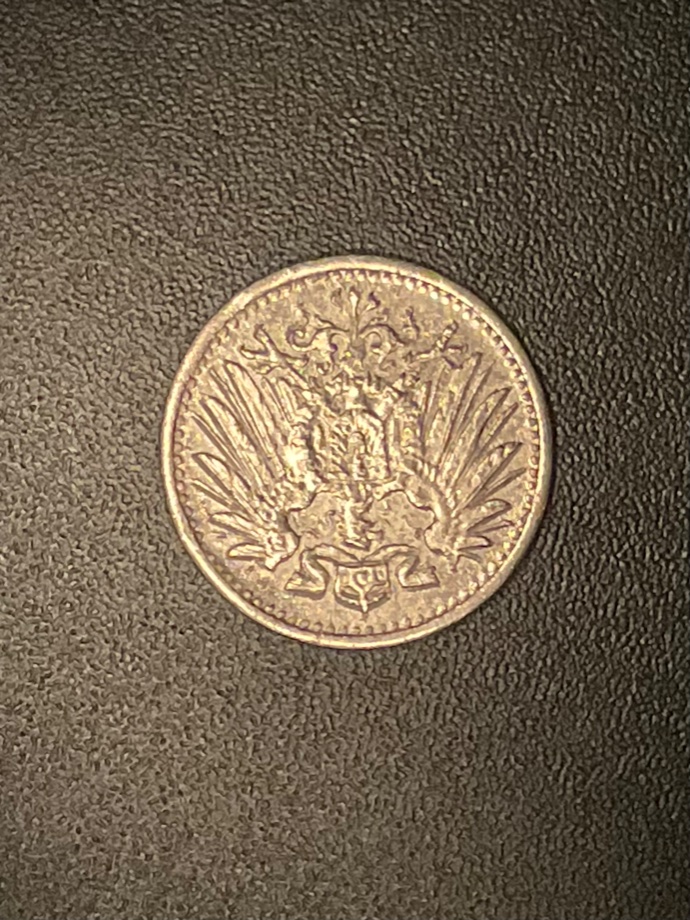
 ) 10 pfennig. The mintmark is on the reverse on both sides of the eagles tail feathers near the rim. The German mints used letters like in this photo so I don't have to type all these out
  .
.