| Author |
 Replies: 9 / Views: 1,062 Replies: 9 / Views: 1,062 |
|
|
Pillar of the Community
Canada
6244 Posts |
Hi anyone, the title is from the 2x2. The BIG thing is it is coat coin. Possibilities: 1. Mint essay? 2. Die test physical proprieties coin? 3. Pattern? I have those three options. I know is coated (cladded is main the plating is an subdivision of the cladding). Specs: 3.08 gr, diameter -0.5 mm, XRF= 95% Cu, 2.7 Zn and 2.3 AL. Mention: Al Zn alloy is equal with steel in hardness and was use frequently for the production of the die due to hardness, and proprieties of elasticity and caloric which is better then steel. Question: Has someone know about those three points I put first? The mint answer to my letter that they do not disclosure the internal archive if not request by law-enforcement agencies. What I know is at one point cause of the metal price, Eva Adams ask test on Aluminum coins. Second is the coating could not be plating by electro this alloy could not be deposit electromagnetic. On the photos you can see that the flow strike traces are there (if plated after dissipate and also the stairs traces) and also compare with an Nickel clad halve. Then the "arica" the letters are really strange. Full coin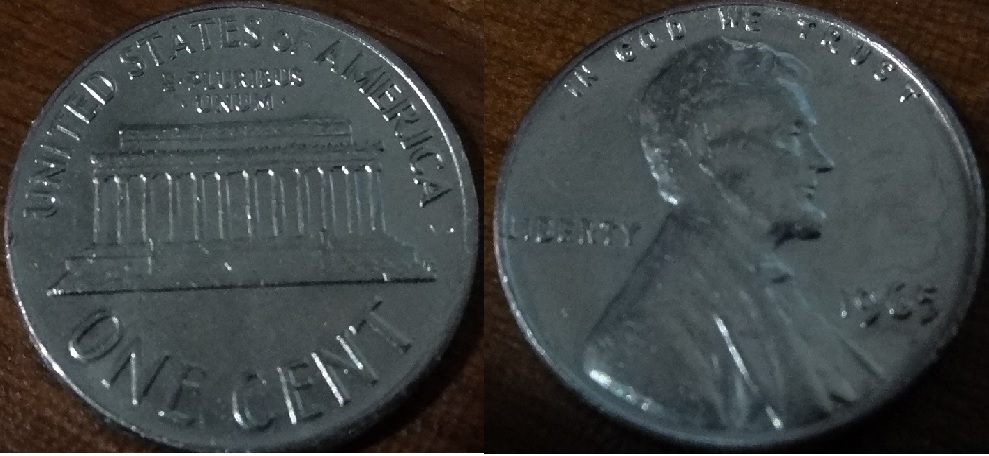 This coin versus Nickel coin This coin versus Nickel coin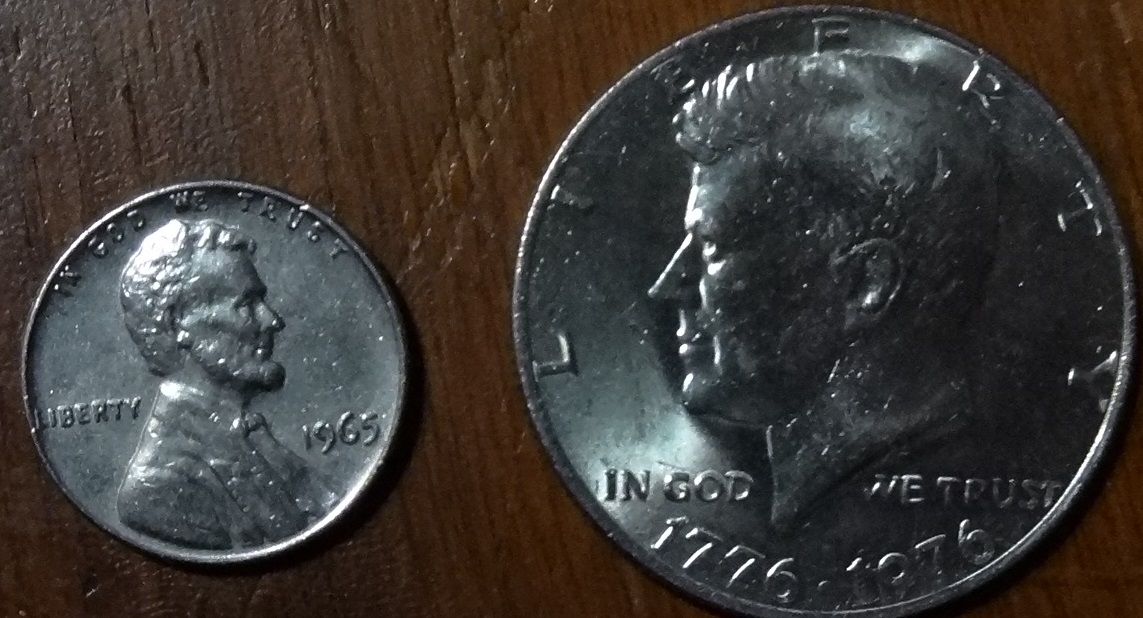 AMERICA AMERICA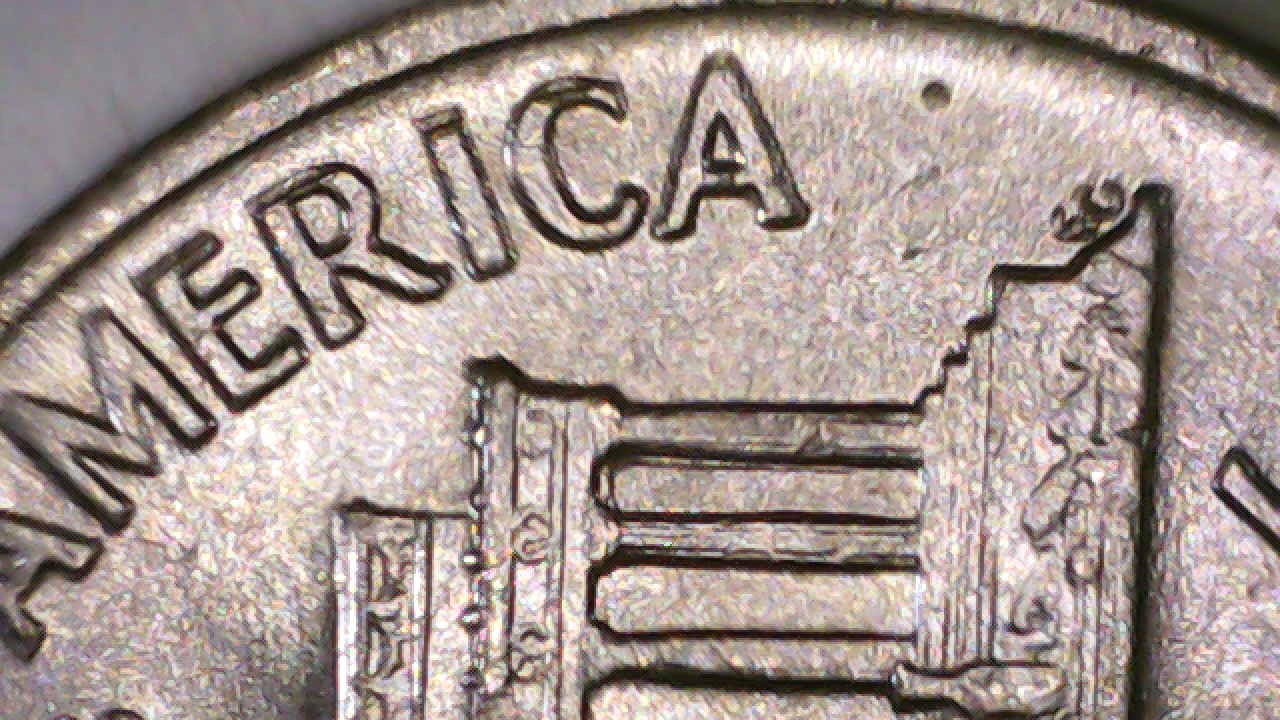 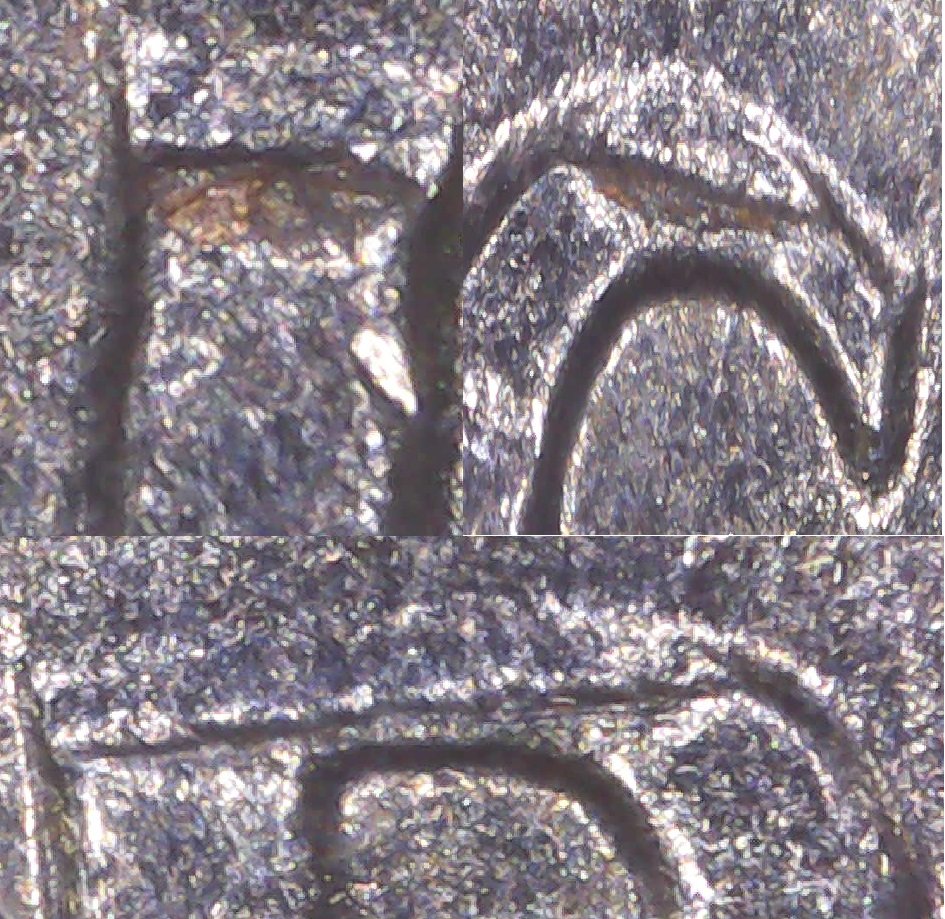 Flow strike traces Flow strike traces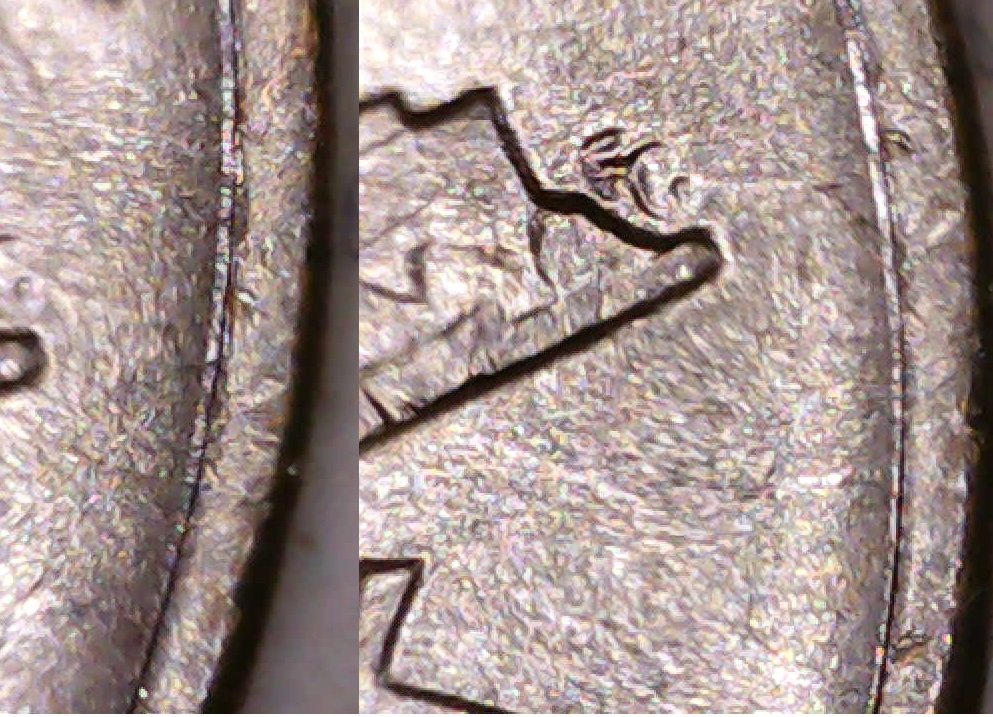 Is more to say but enough for the moment. Thanks to all. |
|
|
|
Moderator
 United States
56855 Posts |
Did the U.S. mint produce any foreign coins that year for other countries? John1  |
|
Pillar of the Community
 Canada
6244 Posts |
No in 1964 and 1965 US do not mint for any foreign coins. Here is the resume of foreign coins struck by US mint 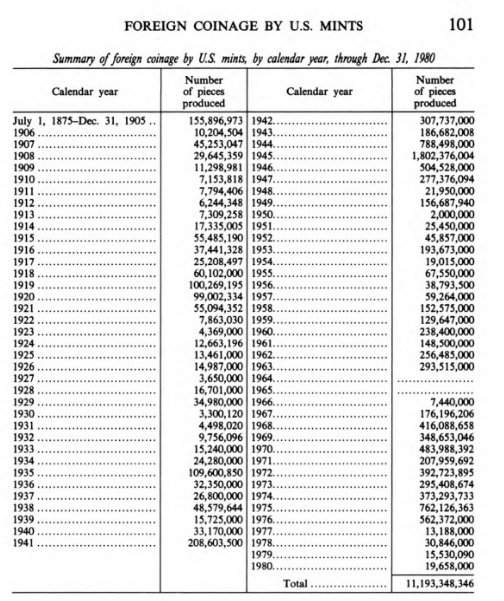 |
|
Pillar of the Community
United States
6196 Posts |
There are a couple ways to plate copper with aluminum, although true that electroplating likely will not work and I think most of the ways to do it would require a company like Alumiplate to do the work. My guess is the coins is a standard alloy +/- 95% cu 5% tin and zinc, plated with aluminum. I don't think the alloy the mint used was overly accurate, as we see endless examples of woodies and other alloy issues, so your XRF results could be reasonable for an aluminum plated coin.
|
|
Pillar of the Community
Canada
6244 Posts |
Thanks TROP, but why was plated before strike? I have database of more close years about the mint tests of different alloys, but not before 1975.
|
|
Pillar of the Community
United States
1335 Posts |
I have some that look like that, they are chrome plated form some one in a bumper plant, but could be something like that. 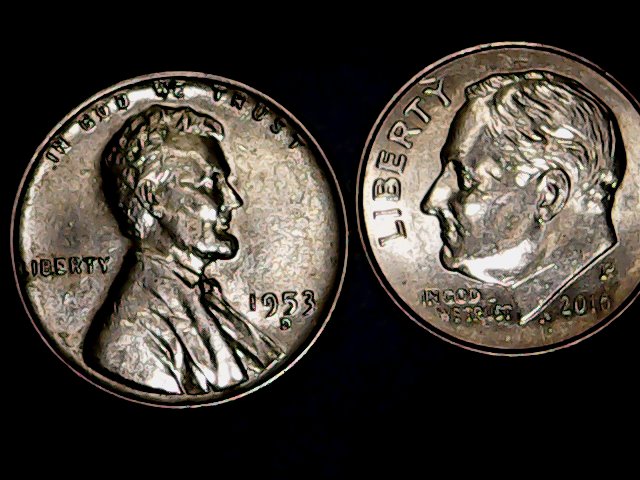 Edited by cookiemonster
03/27/2022 09:11 am
|
|
Pillar of the Community
United States
5879 Posts |
Quote:
but why was plated before strike? How can you be certain it was plated before the strike? The top of AMERICA looks like MD to me. Quote:
I have some that look like that, they are chrome plated ... The metal composition from the XRF analysis shows aluminum in the coin (no chromium). Words of encouragement are one of the major food groups.
We need to consume them regularly to thrive and grow.
Edited by Petespockets55
03/27/2022 09:22 am
|
|
Pillar of the Community
Canada
6244 Posts |
Quote:
How can you be certain it was plated before the strike? I am not certain, I presume is because is missing coating on I and C, where you confirm it is an MD. Second reason it is because in general when a coin is coated after strike we will see some parts of the design fulfill with material, which this coin do not have. Examples and the most parts of the coin fulfill with coating are letters A, S and in case of the cent the stairs disappears with others parts of the details of the design. Other think is this 3-O-OW+VIII wrote on the 2x2. Is CONECA? For me is a mystery. I do not find the Mint report for this year to the congress to know the coins metal test. I find only from 2012 till 2020. Edited by silviosi
03/27/2022 12:31 pm
|
|
Bedrock of the Community
United States
62064 Posts |
Weight will tell you more as to normal/off metal than guess work. Cent on a struck dime: 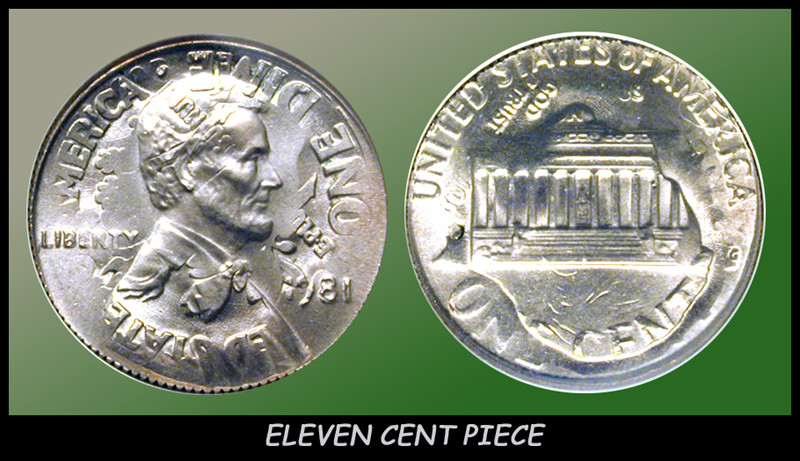 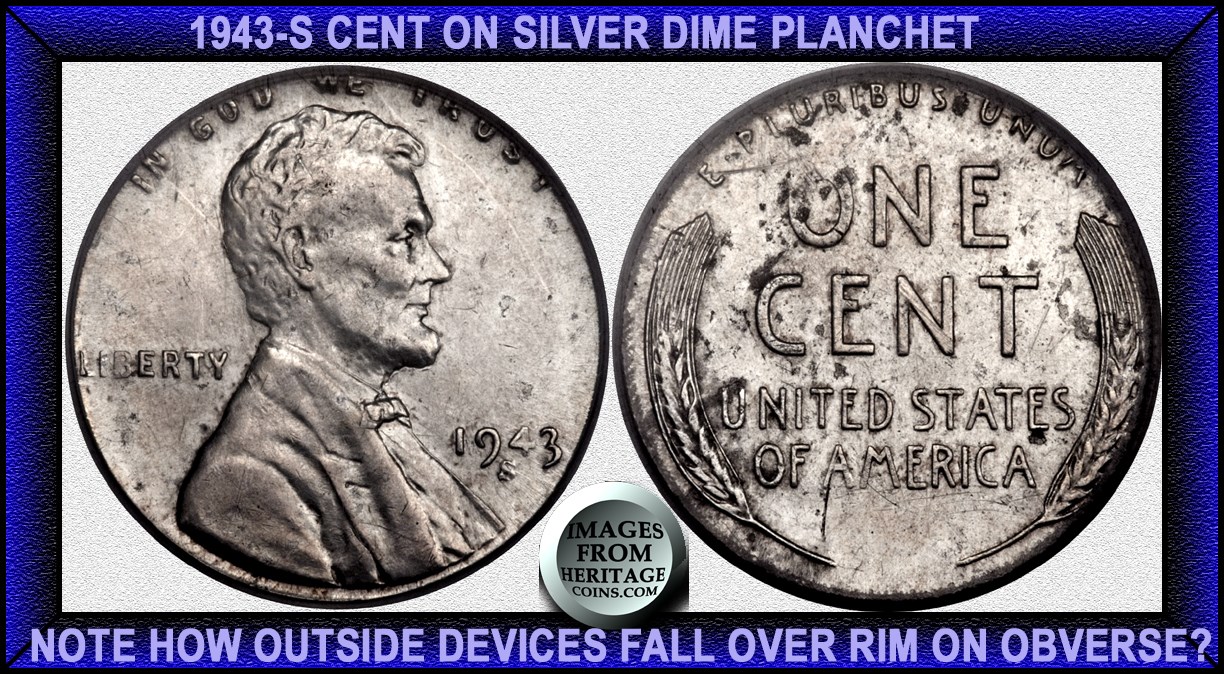 Note where the devices fall on this strike of a cent on a dime planchet. (weight will be the weight of the image planchet) Mule strike cent and dime reverse: 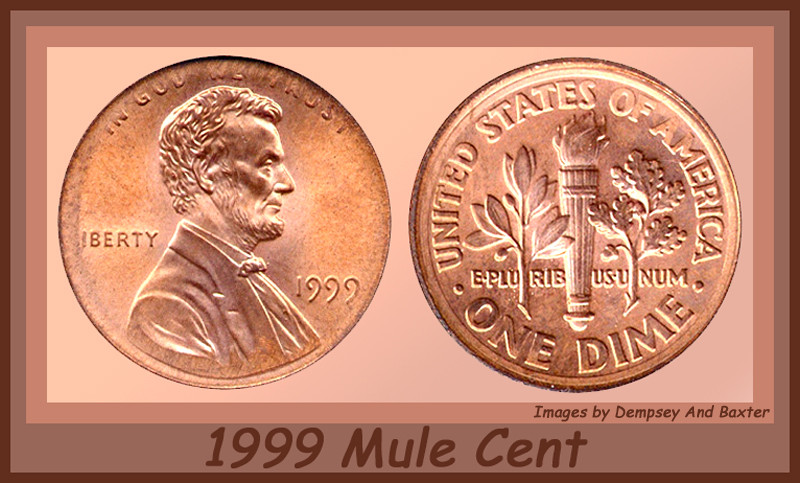 Mint assisted error: 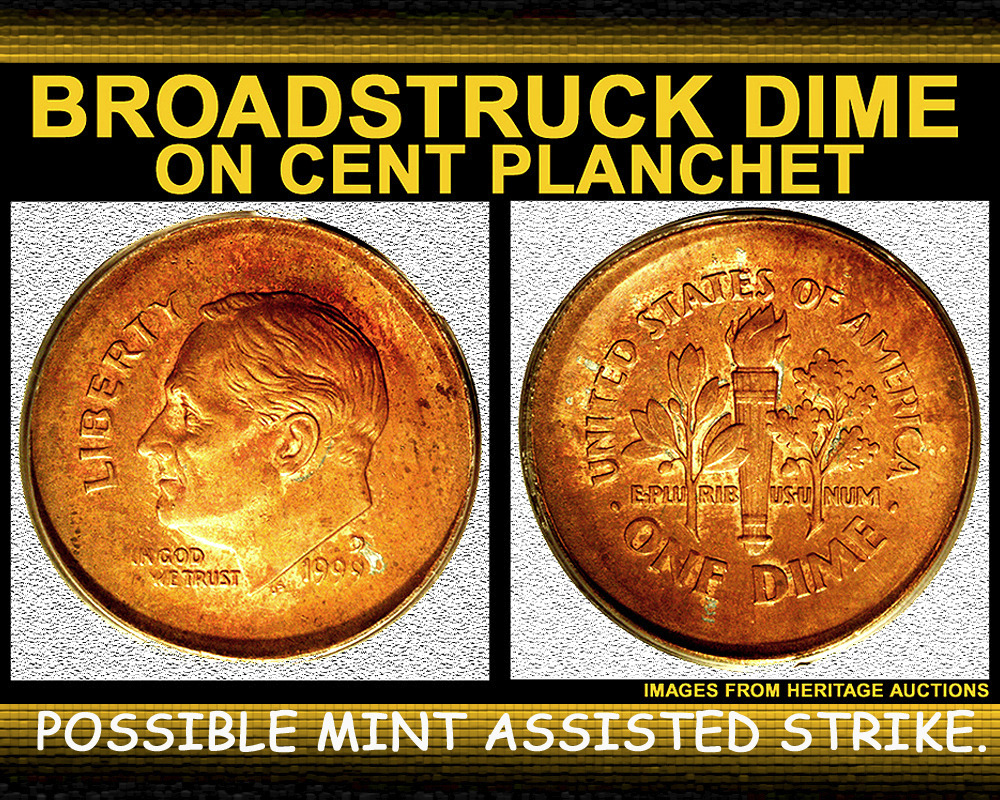 This planchet would not fit in the batch (too large), so it was probably mint assisted to create this coin. |
|
Pillar of the Community
Canada
6244 Posts |
Thanks for opinion COOP.
You give me some darkness, LOL.
1. The weight it is between cent and dime.
2. Possible Assisted Mint Strike.
My reflection: If the planchet was cut with dime cutting and go on an cent press with cent collar, the diameter of the coins will be in parameters of expanding and will fit with the thickness which is less 0.01mm.
Second: It is some how you partially confirm me that this coin could be a testing coin. They (Mint) always test the die from the point of view of elasticity, internal heating, material resistance's, force strike expansion and dilatation. Mention is that they(Mint) use different alloys or alloys configurations for this.
Appreciate any input.
|
| |
Replies: 9 / Views: 1,062 |
|







 Posted 03/25/2022 2:29 pm





