| Author |
 Replies: 15 / Views: 1,450 Replies: 15 / Views: 1,450 |
|
|
Valued Member
United States
99 Posts |
Hi. I found this nickel coin roll hunting and obviously it stuck out like a sore thumb. I've never seen one as bad as this. Could this be alot of grease or a real worn die? Thanks I just like to know what I'm looking at. I actually enjoy the real science behind coins like this. The ripple effect just seems physically impossible. 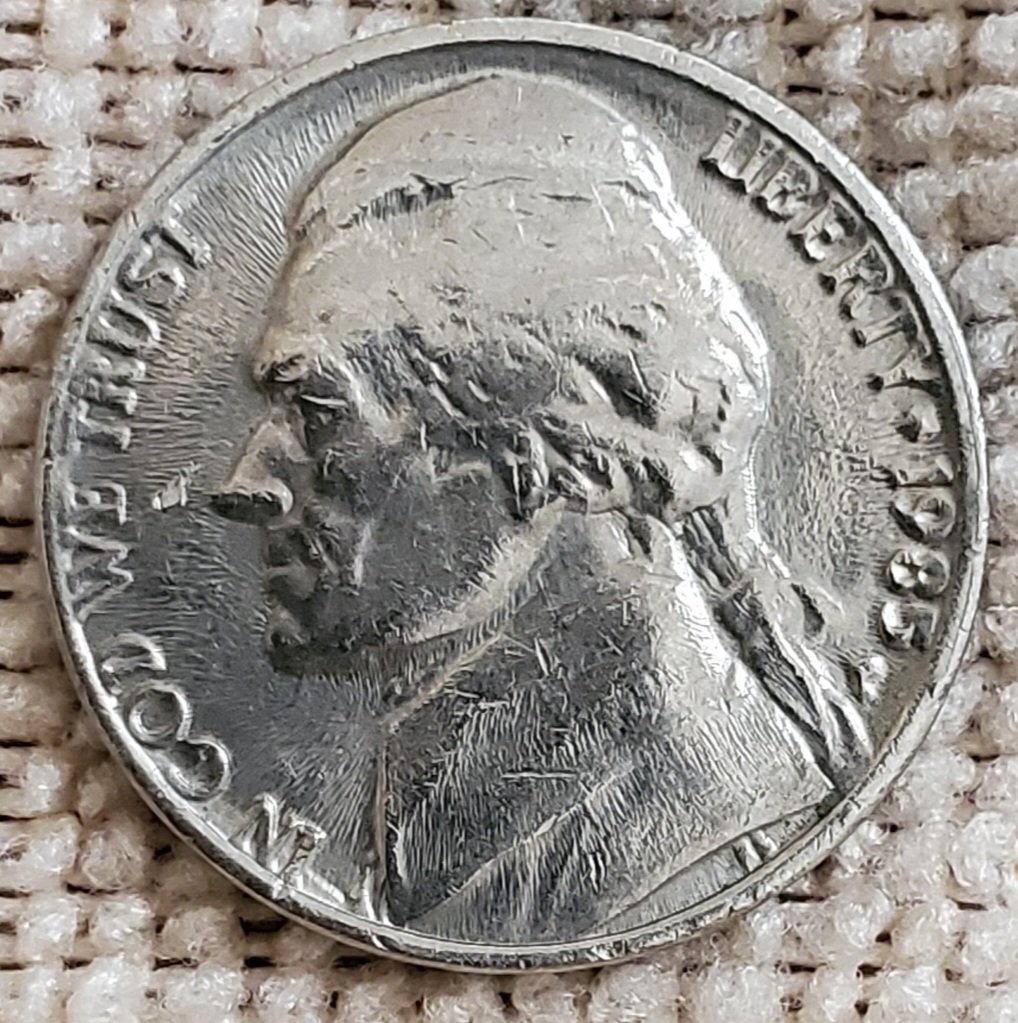 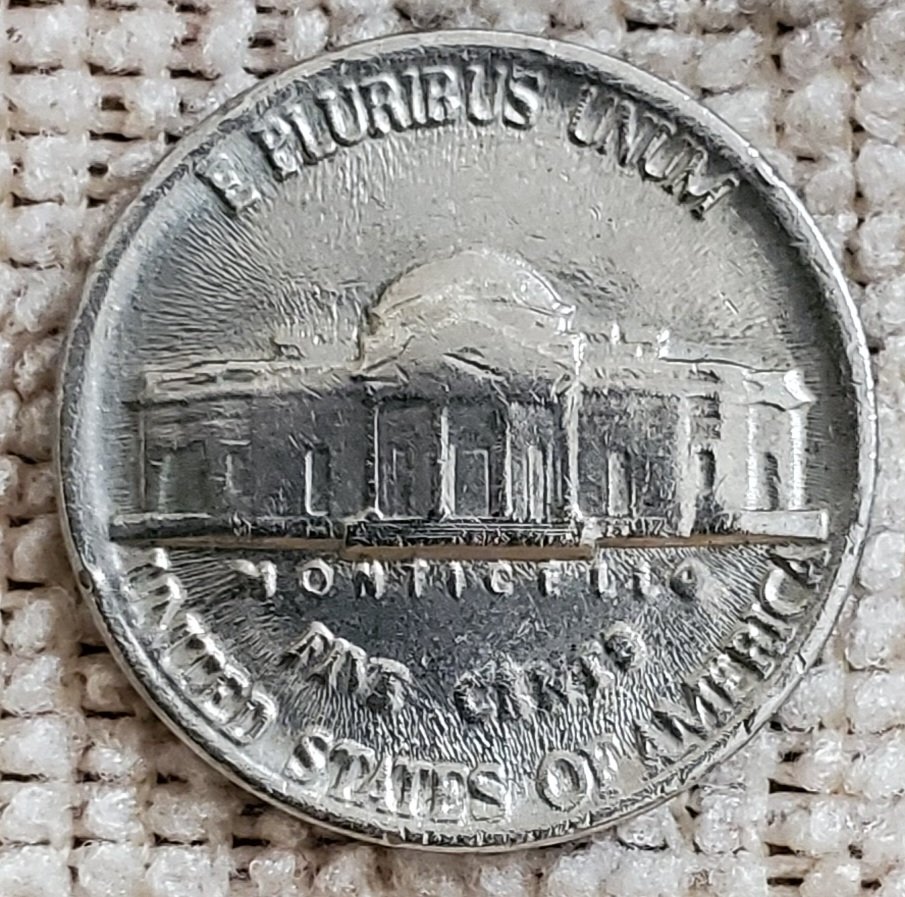 |
|
|
|
Pillar of the Community
United States
3207 Posts |
the "orange peel" look is from a very late die state, that's a fairly nice example, might be worth keeping just for that, but realize overworked dies were common during that era
|
|
Valued Member
 United States
99 Posts |
Thanks. I appreciate it. So the die gets so worn down that it develops pathways for the metal to flow under the extreme pressure of the strike? Interesting. I have seen many minor examples on dimes from the 1980s. Never a nickel this orange peeled.
|
|
Pillar of the Community
United States
3207 Posts |
during use, the die gets worn by the planchets, preferentially in certain areas, and with time that wear amplifies into the orange peel look on the die as well as any coins it makes
Edited by nick10
03/25/2022 4:20 pm
|
|
Pillar of the Community
 United States
7174 Posts |
Sometimes they run the dies to death, them run them some more.
|
|
Pillar of the Community
United States
586 Posts |
Quote:
So the die gets so worn down that it develops pathways for the metal to flow under the extreme pressure of the strike? Essentially, yes. It's not physical wear on the face of the die, but rather when the die strikes the planchet the energy from the strike is transferred laterally across the face of the die towards the rim. Over time, this causes the metal in the die to deform. In harder metals, like nickel, the result is more often what are known as flow lines forming on the die. Notice how the lines radiate out from the center of the coin? On softer coins, like cents, you'll actually see the designs themselves get pushed out towards the rim. This is called Die Deterioration Doubling and looks like a second or "shadow" device appearing on the coin. You've got a really cool example of really bad quality control at the mint. Frankly, the 1980's were not a era the mint should be proud of. Cents, nickels, dimes and quarters are all notorious for examples of badly overused dies. |
|
Valued Member
United States
99 Posts |
Thank you guys. HGK3 that was a great explanation. That was exactly what I was looking for.
|
|
Pillar of the Community
United States
2775 Posts |
Whats the weight? Thanks, Doug.
|
|
Moderator
United States
56855 Posts |
VLDS and a nice one. John1  |
|
Bedrock of the Community
United States
94367 Posts |
VLDS to the max! Great photography.
|
|
Valued Member
United States
99 Posts |
It's weighs a hefty 5.07g just a tick over what I imagined. Would those extra ripples be the cause?
|
|
Pillar of the Community
United States
7174 Posts |
The planchet weighs what it weighs, it can't gain weight after being punched out. Unless there is something struck into it.
|
|
Moderator
United States
106051 Posts |
wow nice radial flow lines from a very VERY tired die..
|
|
Pillar of the Community
United States
6845 Posts |
Looks like its plated to me  |
|
Valued Member
United States
99 Posts |
Ha. Sounds pretty dumb know that I think about it. Still the same amount of material.
|
|
Valued Member
United States
99 Posts |
I don't think it's plated. I just used a bunch of natural light to get the ripples to pop out. This is different lighting. 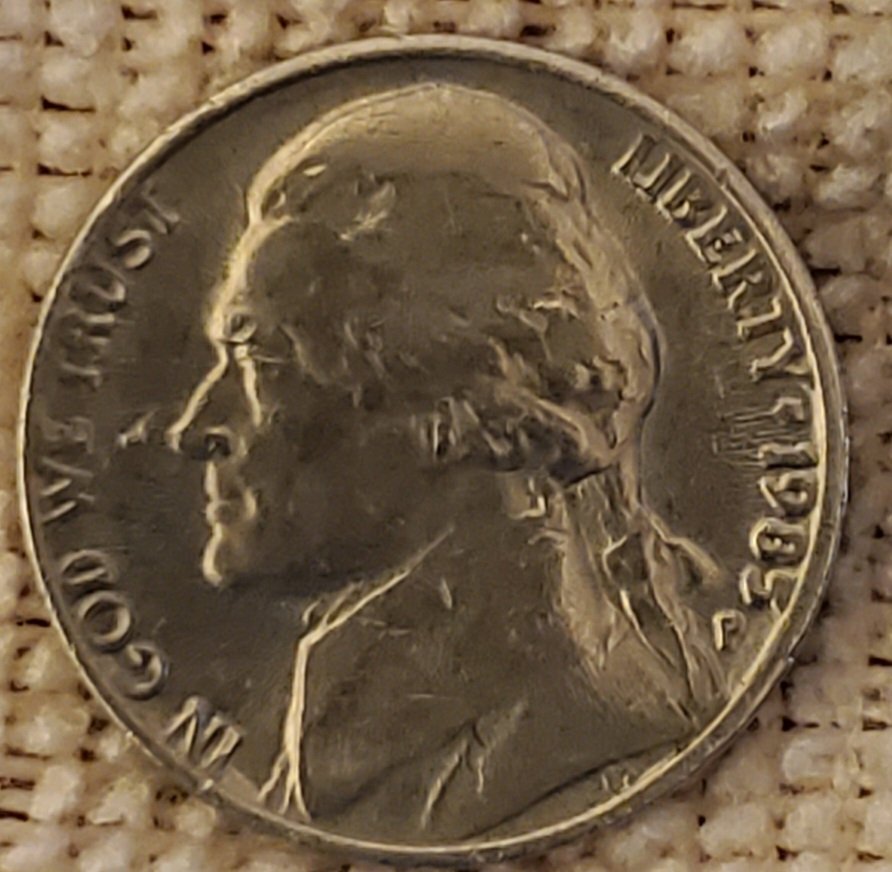 |
| |
Replies: 15 / Views: 1,450 |
|










 Posted 03/25/2022 4:05 pm


