| Author |
 Replies: 14 / Views: 1,984 Replies: 14 / Views: 1,984 |
|
|
Valued Member
United States
69 Posts |
I see there are a couple variations of this coin. How do I know if it's the rare one? Also do all of these coins come right side up front and back or do they do top to bottom like American coins? 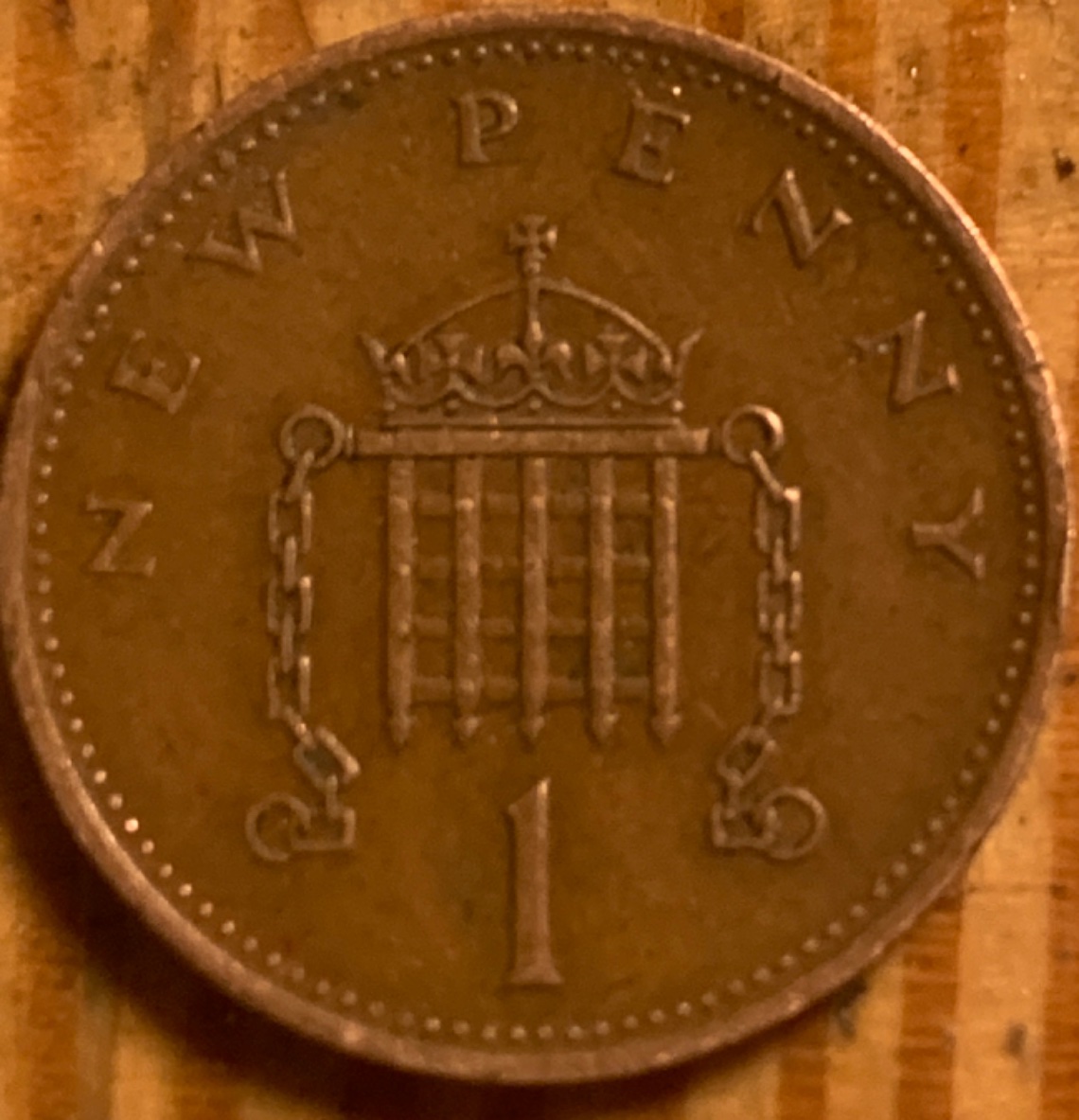 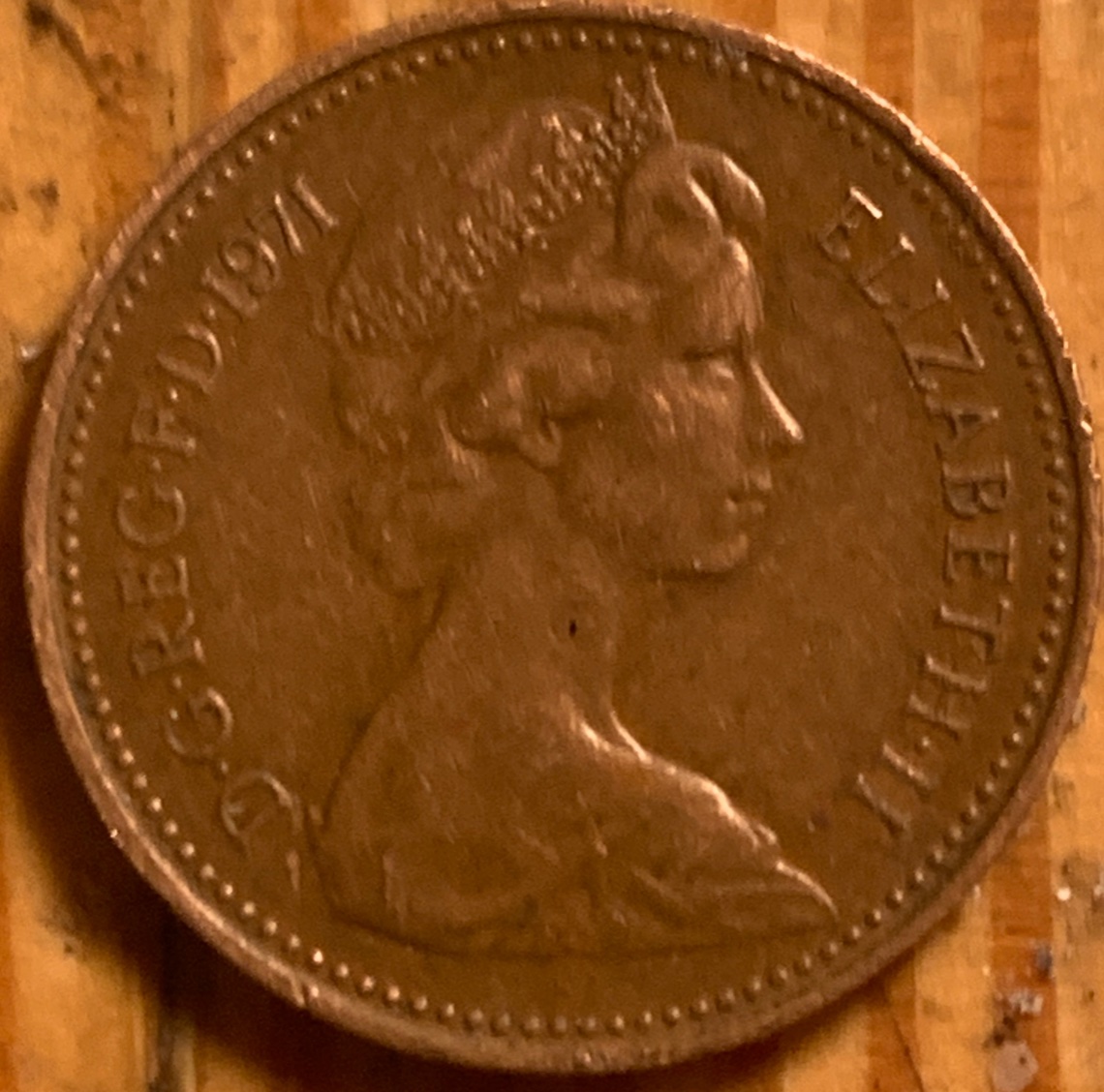 |
|
|
|
Pillar of the Community
 Canada
9903 Posts |
Not Canadian.
British.
"Dipping" is not considered cleaning...
-from PCGS website
|
|
Bedrock of the Community
Canada
21915 Posts |
Canadian coins say "CENTS"
UK coins say "PENNY"
|
|
Moderator
 United States
196326 Posts |
This topic was moved to the appropriate forum for the proper attention.  |
|
Valued Member
 United States
69 Posts |
I thought Uk was pence or pounds but thank you for moving it to the right forum. I'm still unsure what it is or how rare it is.
|
|
Moderator
United States
196326 Posts |
Pence is the plural of penny. One penny, two pence. |
|
Pillar of the Community
4628 Posts |
Its not rare at all, a viral ebay fad aimed at non collectors who think everything is rare and valuable. They minted over 1 billion of these coins in 1971. It's worth 1 penny British which is basically 1.3 US cents. It's not rare, its not an error, its a mega common coin. Your example is very worn and you can buy a mint set with a perfect one for a few dollars. Edited by Princetane
04/11/2022 2:51 pm
|
|
Bedrock of the Community
United Kingdom
18921 Posts |
It is the most common British coin ever issued. 1,521,666,250 were struck in preparation for the introduction of decimal currency on February 15, 1971. You can still easily find them in circulation in the UK and they are worth just face value. Even in Uncirculated condition they carry only a small premium as vast numbers were put aside at the time of issue or sold in sets of 'Britain's First Decimal Coins'. Quote:
Also do all of these coins come right side up front and back or do they do top to bottom like American coins? Some older British coins have the obverse upside-down in relation to the reverse (like US coins) but generally since about 1887 all British coins have the obverse and reverse the same side up. This is known as 'medal alignment' whereas US coins are struck with 'coin alignment'. Edited by NumisRob
04/11/2022 2:55 pm
|
|
Pillar of the Community
4628 Posts |
*** Redacted by the Staff ***
|
|
Bedrock of the Community
United States
19615 Posts |
Interesting conversation above--entertaining and educational.
|
|
Pillar of the Community
4628 Posts |
Sorry, I probably crossed the line there in that post.
But Knowledge is Power!
Maybe I can send the OP an uncirculated one for nothing!
|
|
Valued Member
United States
69 Posts |
Well the way I have been learning is from asking questions here and extreme amounts of reading. Thanks for the info. I'll toss the coin in my foreign collection.
|
|
Pillar of the Community
Australia
9841 Posts |
This coin is so common, that even here in Australia I have 40 spares of that coin.
|
|
Moderator
United States
196326 Posts |
Quote:
Well the way I have been learning is from asking questions here and extreme amounts of reading.  |
|
Pillar of the Community
United Kingdom
725 Posts |
|
| |
Replies: 14 / Views: 1,984 |
|






 Posted 04/11/2022 08:27 am





