| Author |
 Replies: 14 / Views: 1,258 Replies: 14 / Views: 1,258 |
|
|
Valued Member
United States
277 Posts |
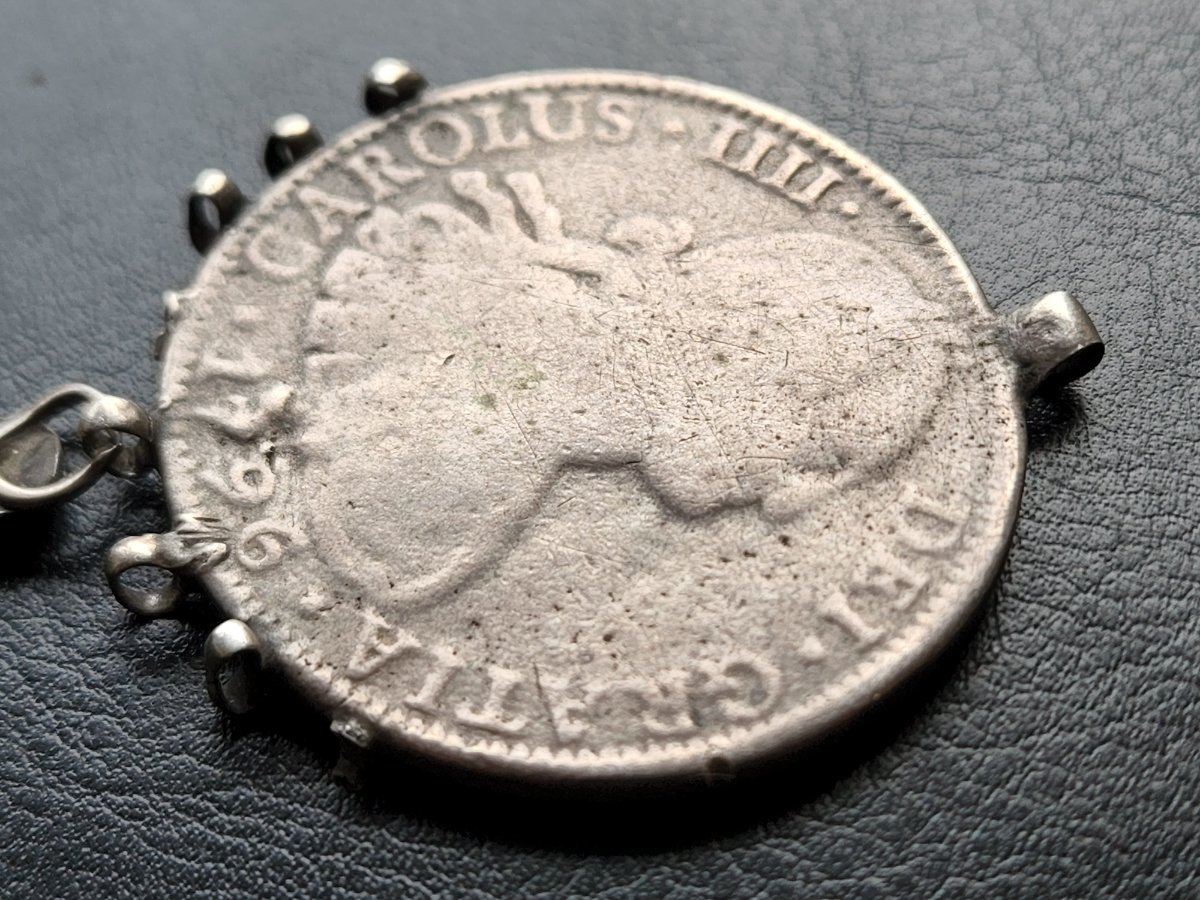
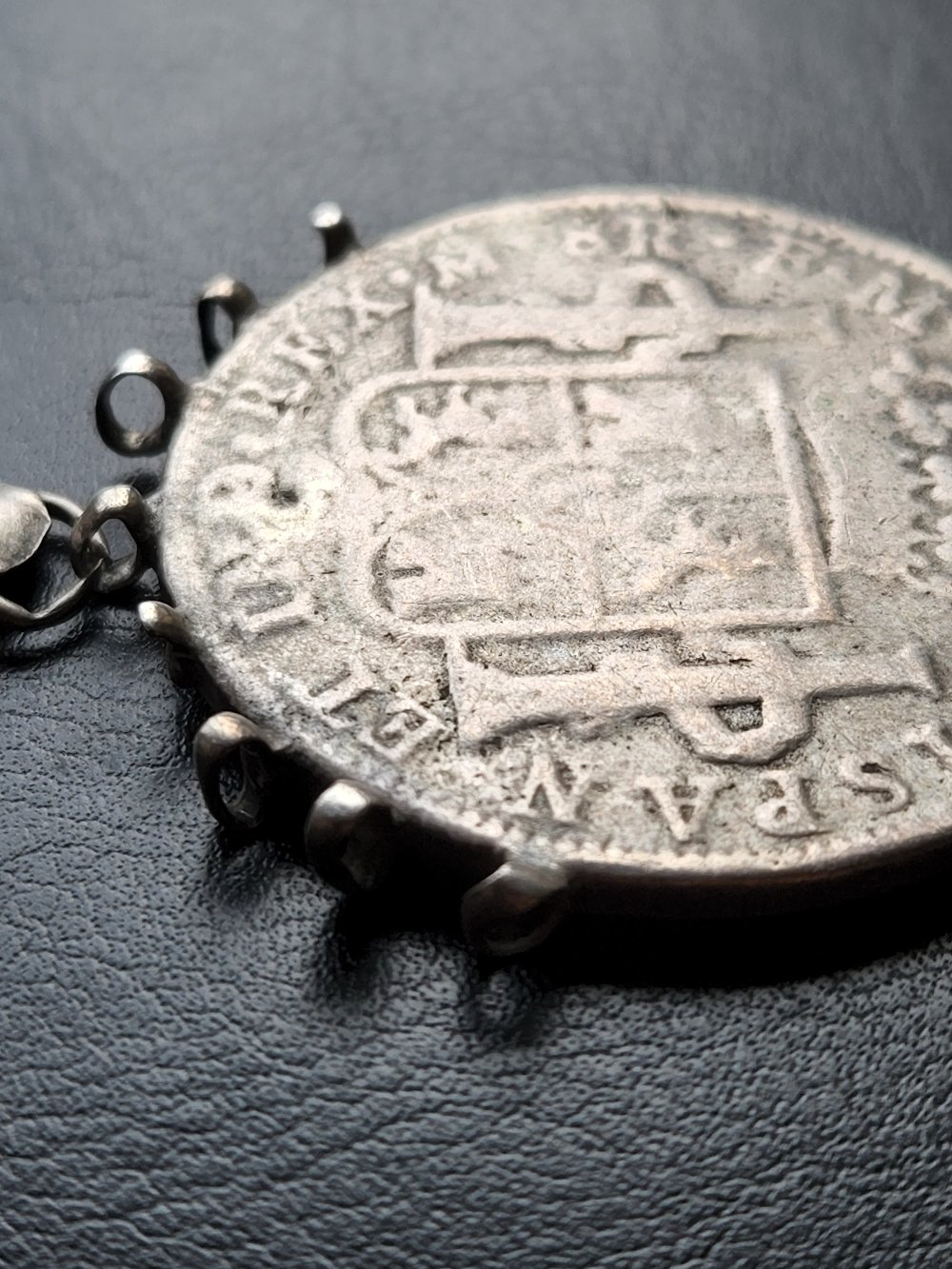
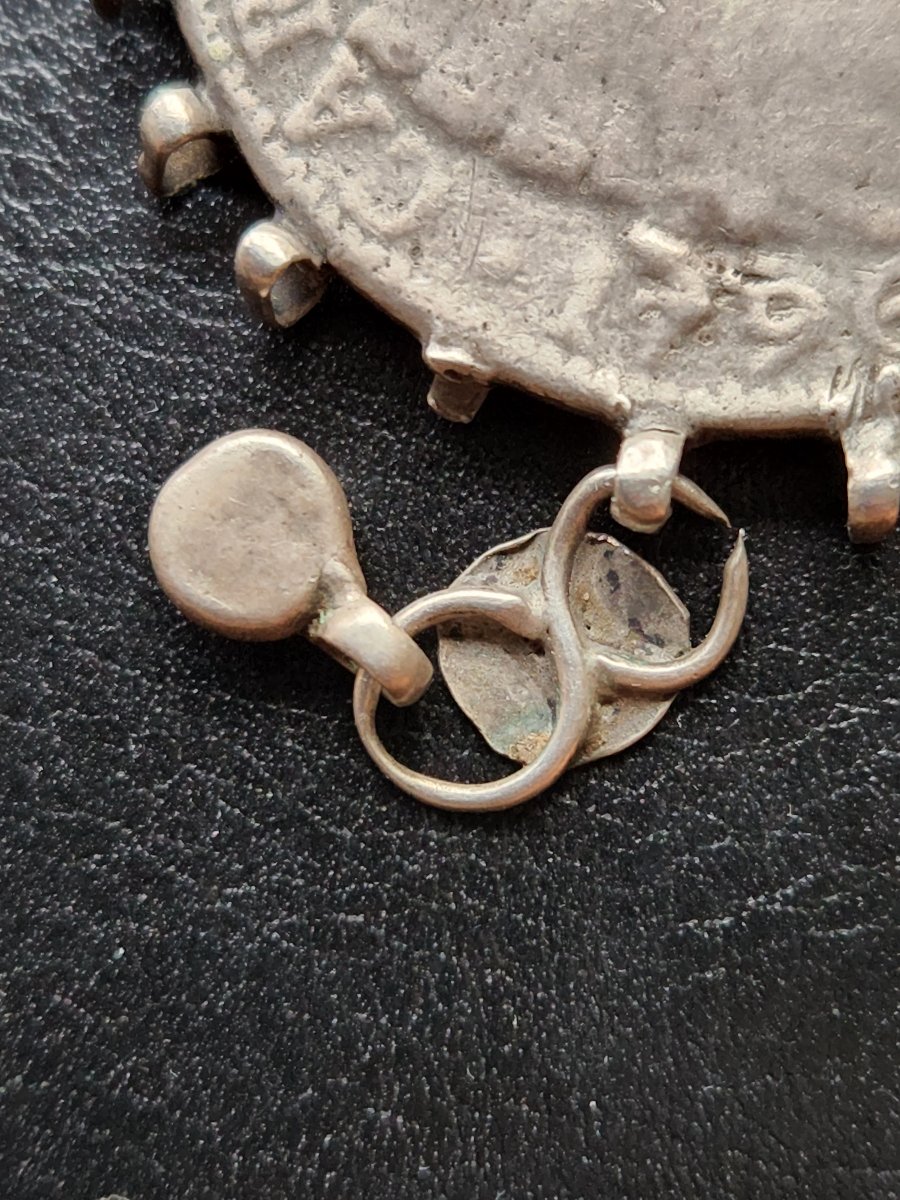
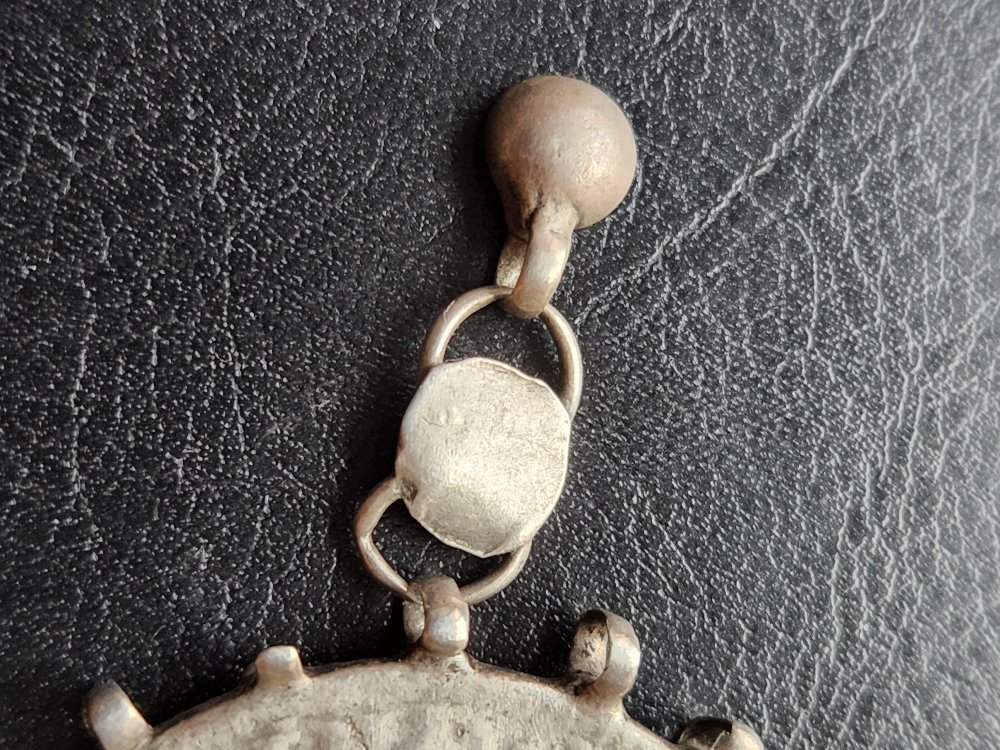
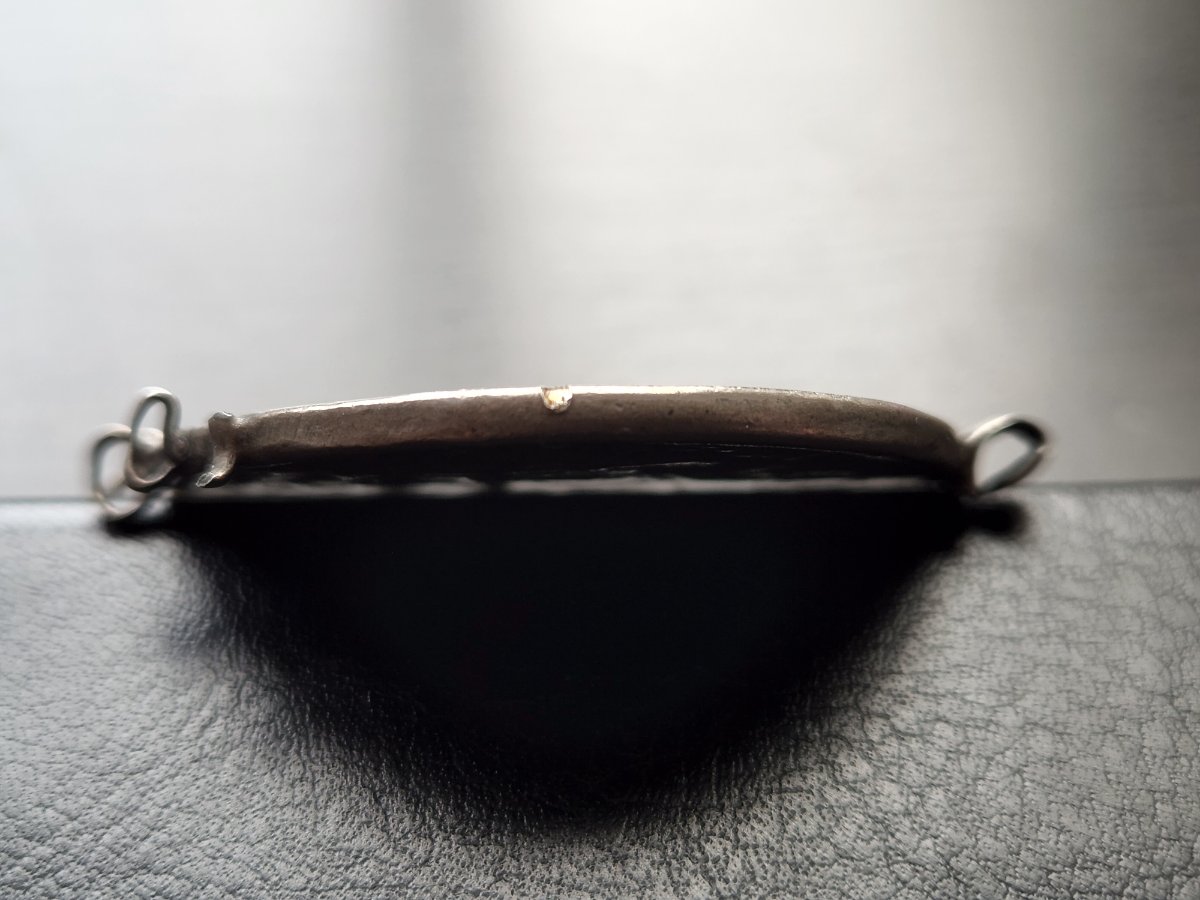
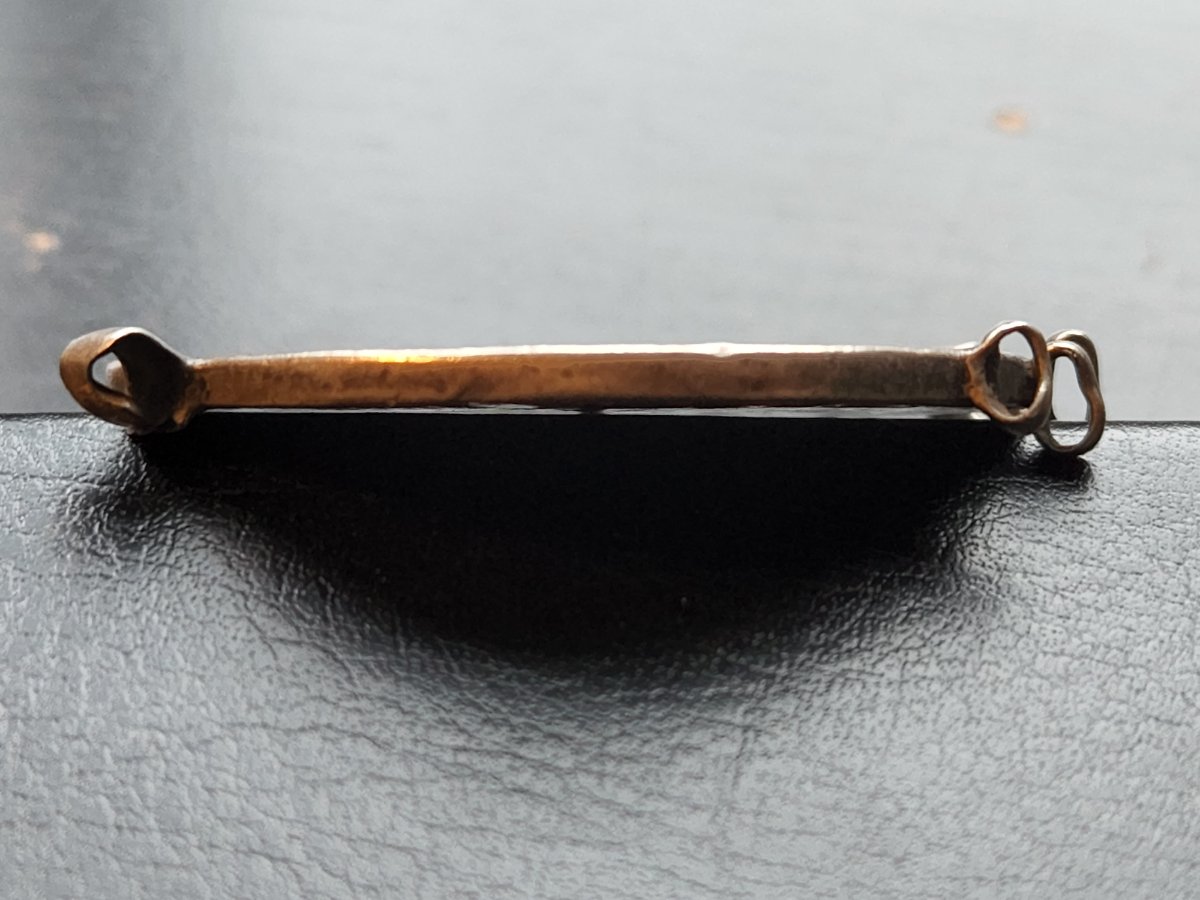
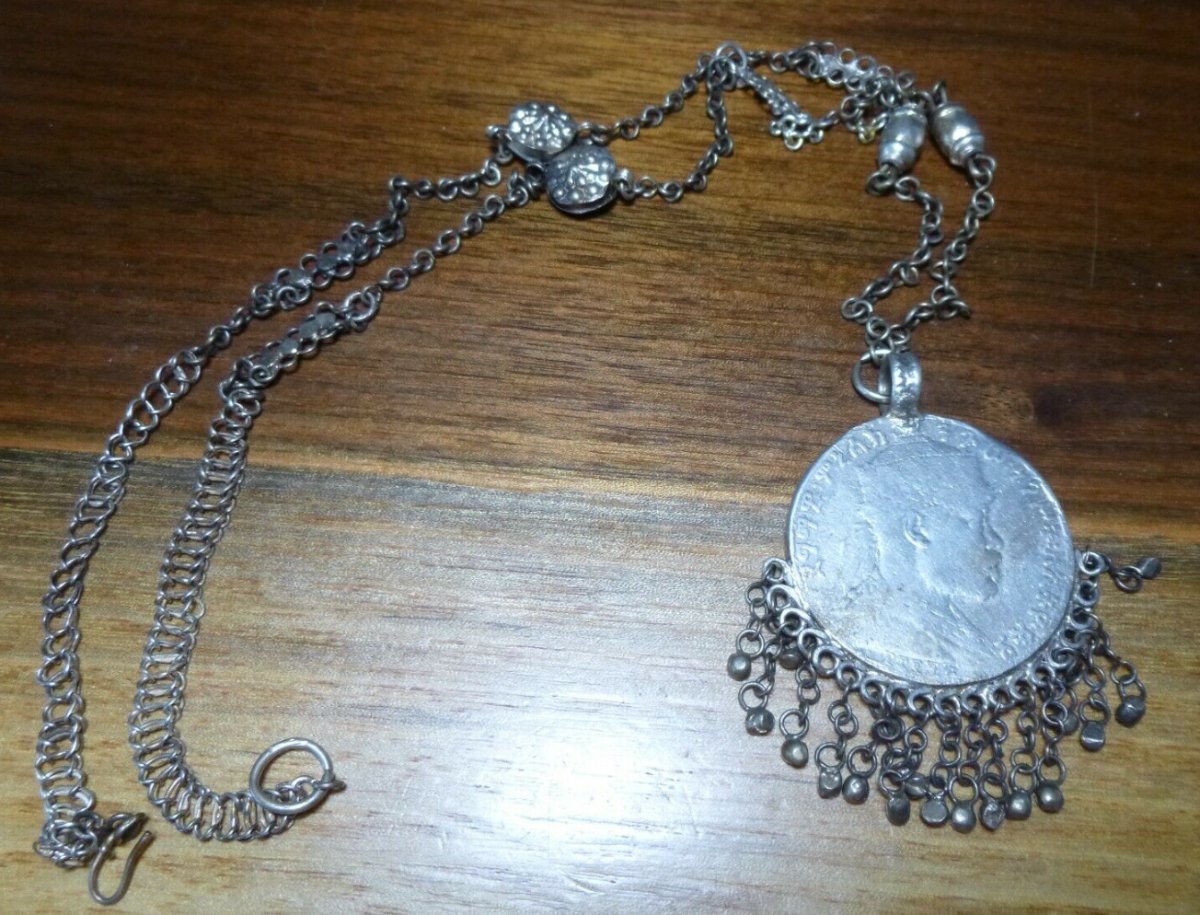
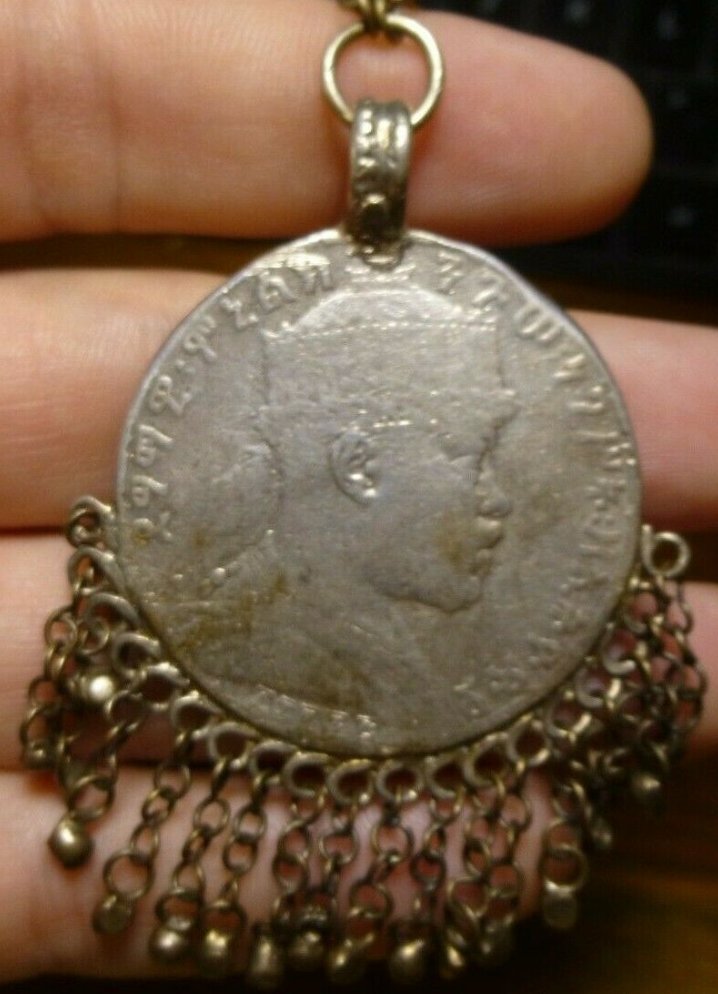
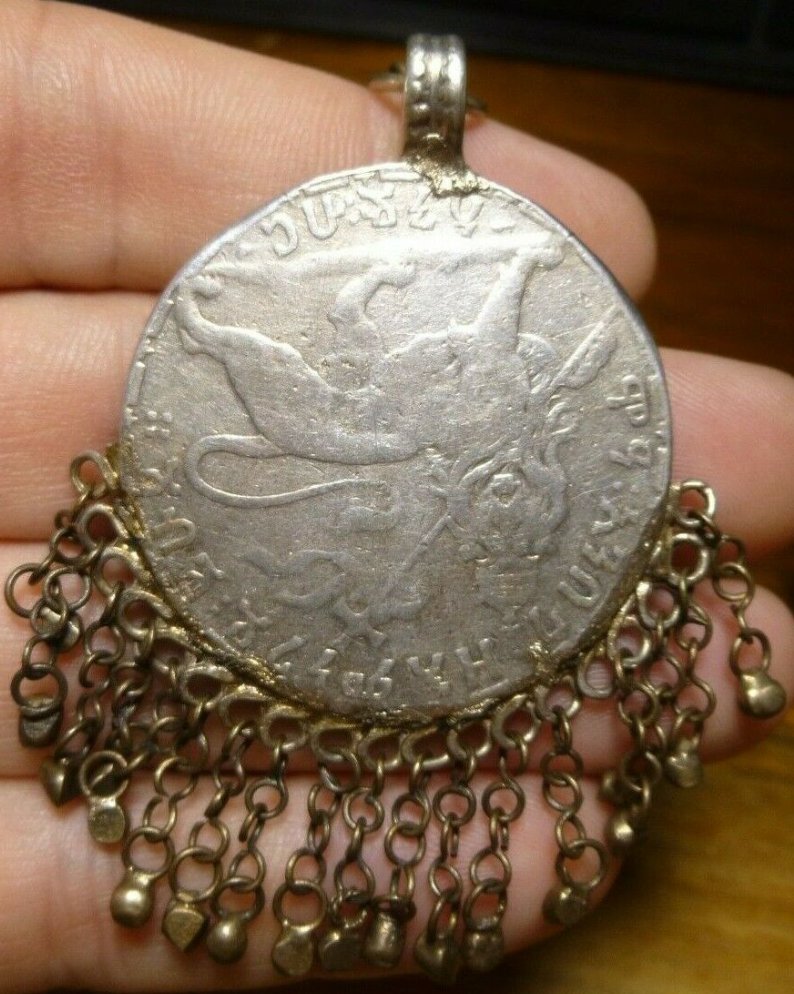
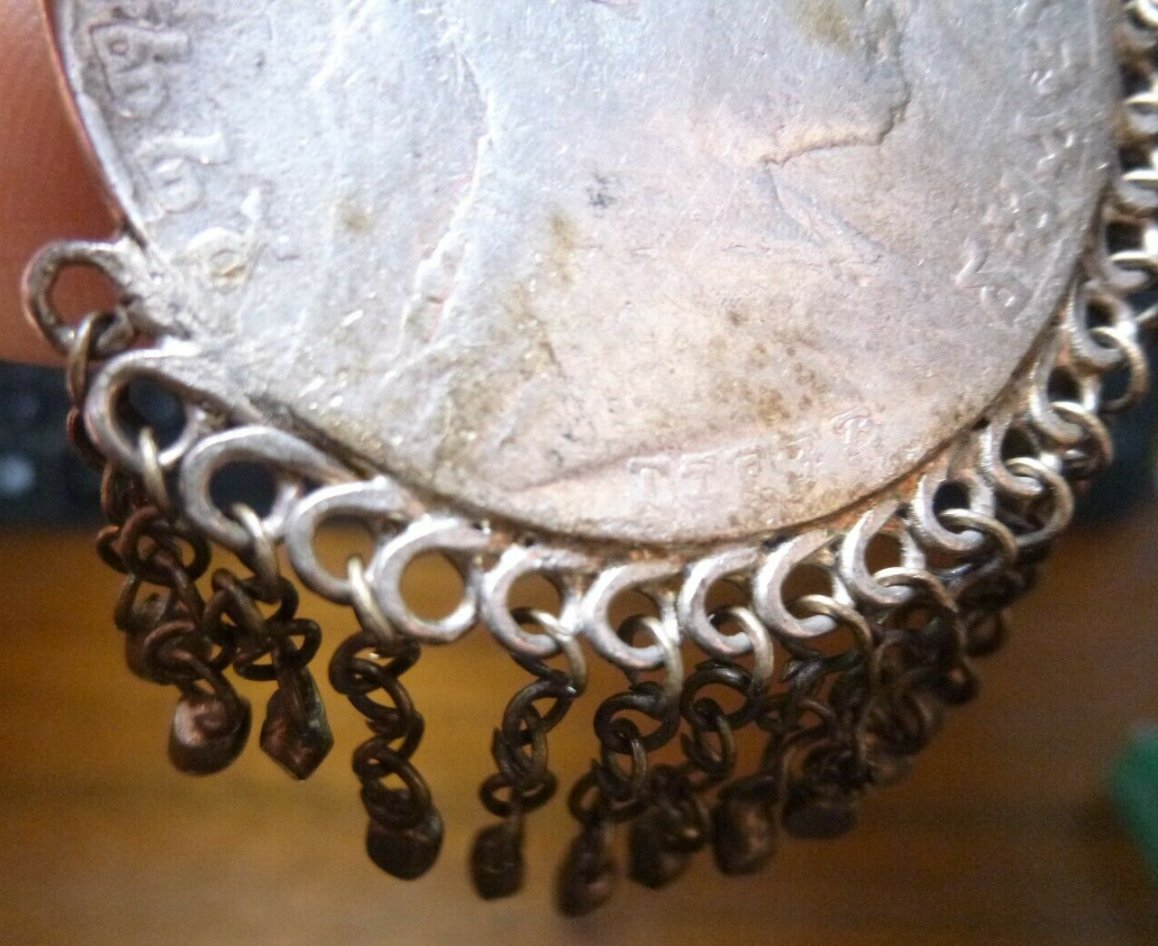
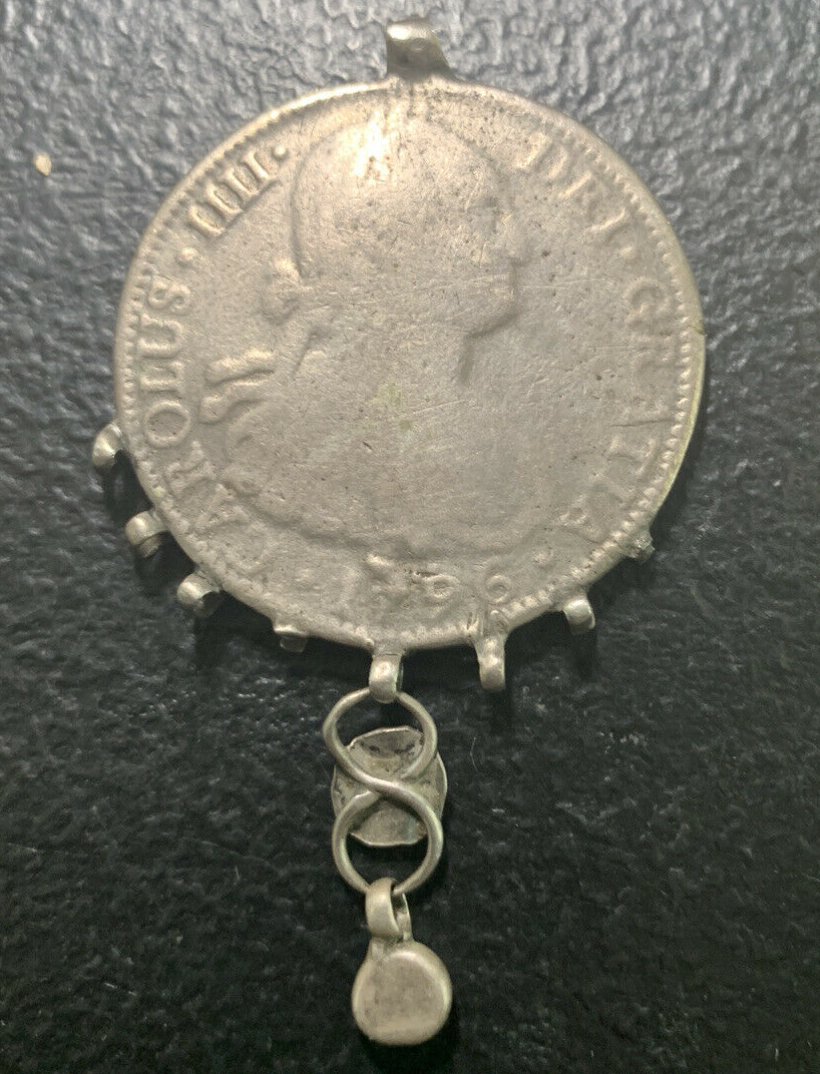 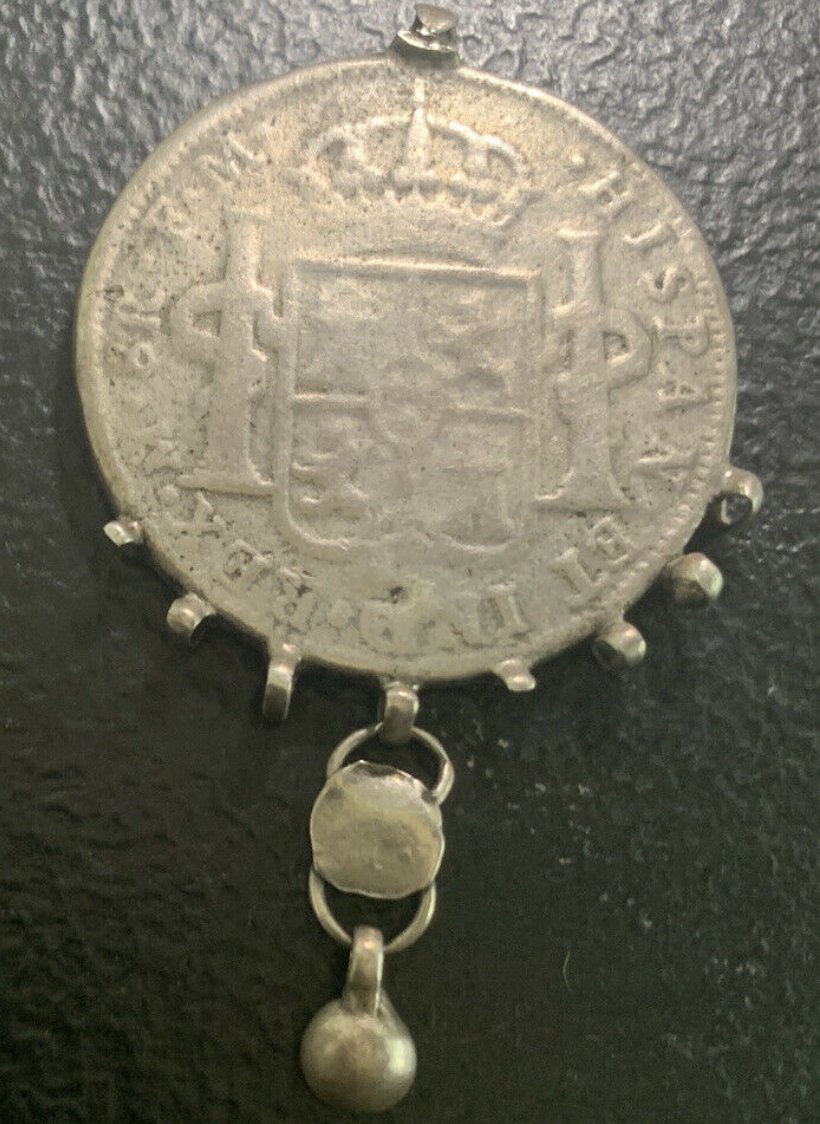 I saw this coin come up for sale recently on ebay and was curious by how the piece was turned into a necklace charm. The charm itself appears to have been hand crafted, and the wear pattern on the coin appears to point to it having been worn for a long time before falling apart. What I'm curious to know is if it is possible to determine what group of people would have made a pendant like this out of an old Mexican colonial coin? Is it even possible to tell who did this? What tools would I need to do further research on a piece like this? Could this possibly be a Native American piece?
|
|
|
|
Moderator
 United States
34539 Posts |
@new, I'll speculate a little, but am definitely interested in others' thoughts.
These sorts of low silver content drops often seem to have origins on the Indian subcontinent. I would think that anything produced by native Americans would generally have turquoise. For proof of origin, I think that you would need to get the exact alloy composition of the home-made loops, including trace elements.
Also, for some further speculation, I'm not convinced that this coin is real. It seems awfully porous and has fuzzy details compared to a struck coin. Let's see what others think.
"If you climb a good tree, you get a push."
-----Ghanaian proverb
"The danger we all now face is distinguishing between what is authentic and what is performed."
-----King Adz
|
|
Valued Member
United States
134 Posts |
I agree with Spence - this looks like a cast copy of an 8 reales.
|
|
Valued Member
 United States
277 Posts |
@Spence Thank you for the reply!
If this piece was a cast counterfeit, would this coin have come out of the mold in a state similar to how it appears in the photo, or would additional years of circulation be needed to give it the level of detail that appears on the coin now?
|
|
Moderator
United States
34539 Posts |
Good question @new, and I suppose the answer is that it depends. I think what you are really asking is whether this might have been a circulating counterfeit or whether it was made for the jewelry trade. We have folks here who really know these coins better than I do, so I'm hoping we get them to weigh in.
"If you climb a good tree, you get a push."
-----Ghanaian proverb
"The danger we all now face is distinguishing between what is authentic and what is performed."
-----King Adz
|
|
Valued Member
United States
59 Posts |
Looks cast to me. Loss of detail across the whole coin. A real coin that was very worn would still have uneven wear, some parts in better shape than other parts.
Possibly sea salvage I suppose. If it were real. But I don't think so. If sea salvage the surface would be very high silver, as salt water leaches out other metals faster than silver.
I would try the magnet slide test to see if the niobium magnet slides slow on the coin.
|
|
Valued Member
United States
277 Posts |
|
|
Valued Member
United States
277 Posts |
|
|
Valued Member
United States
277 Posts |
|
|
Pillar of the Community
United States
3357 Posts |
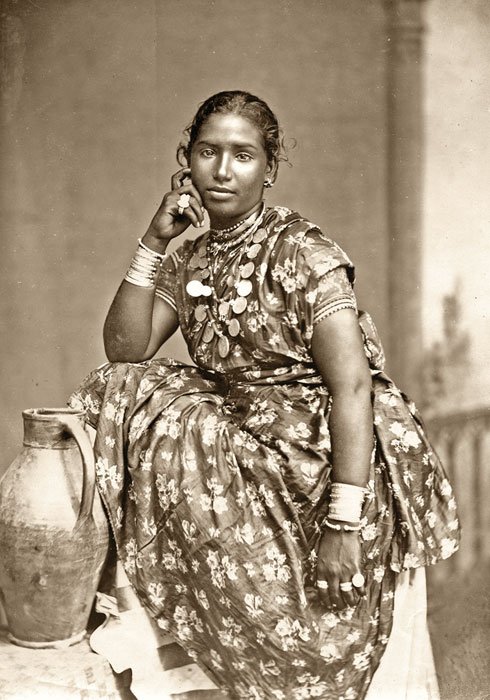
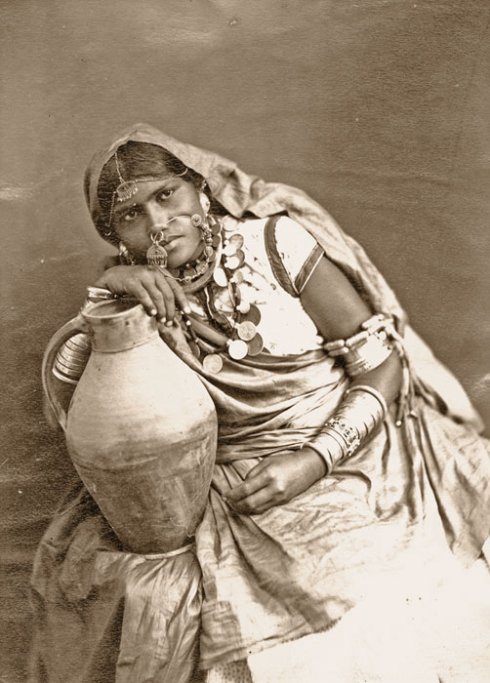
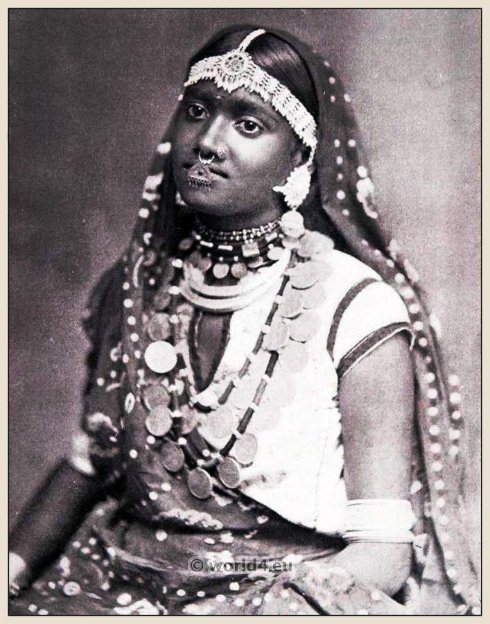
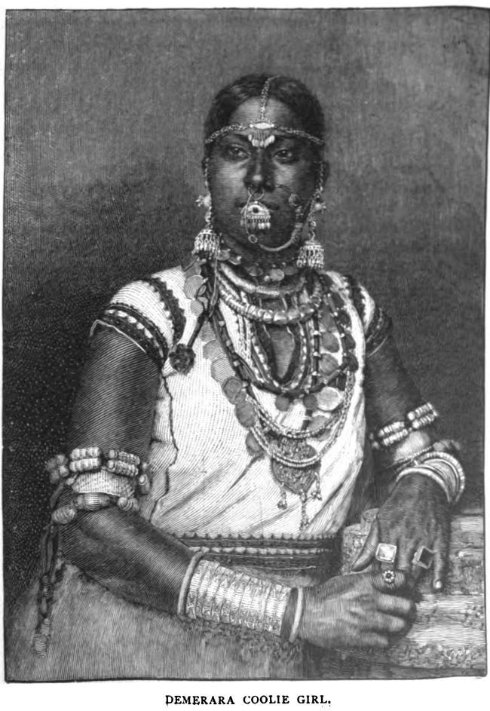
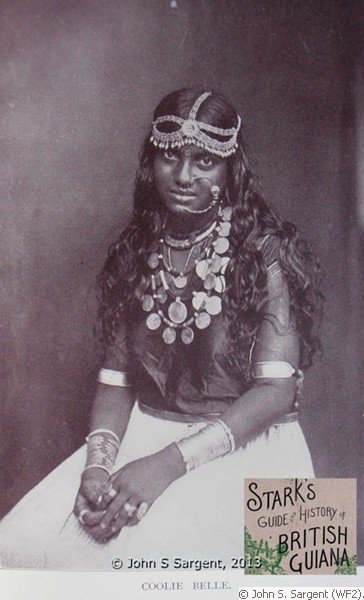
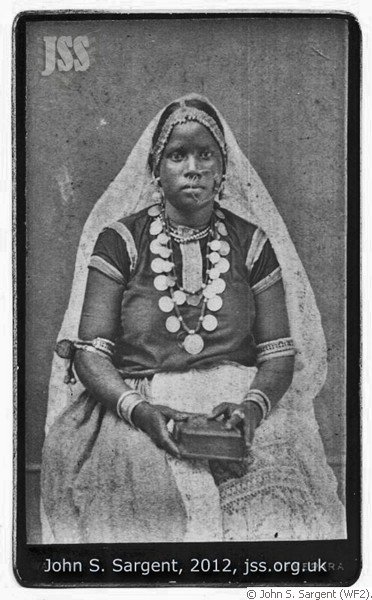
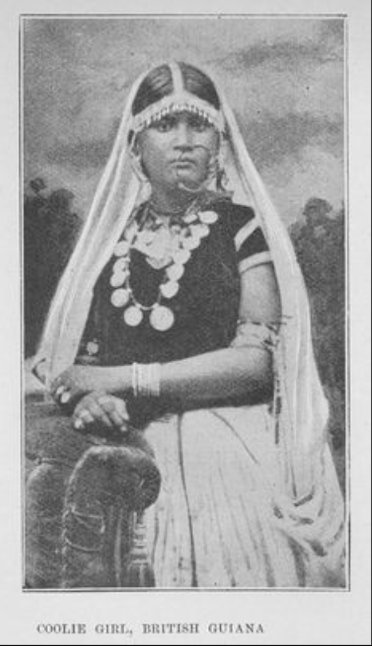
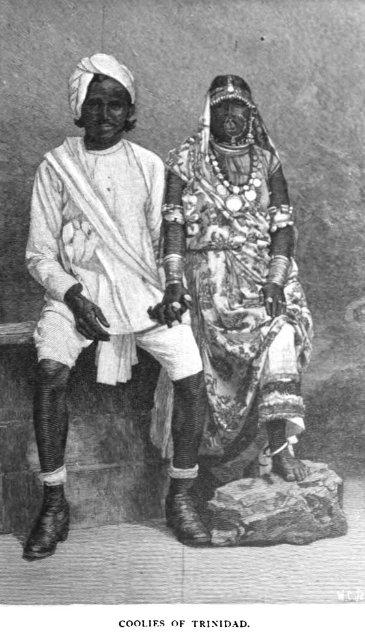
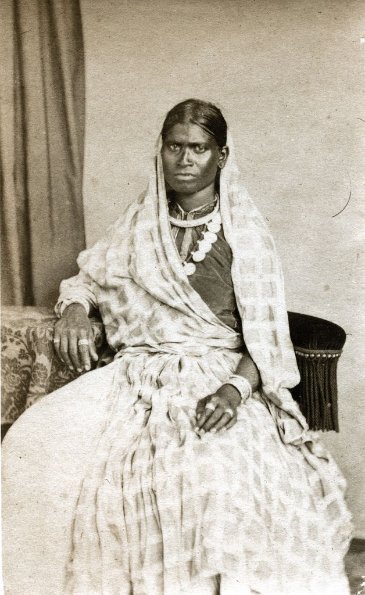
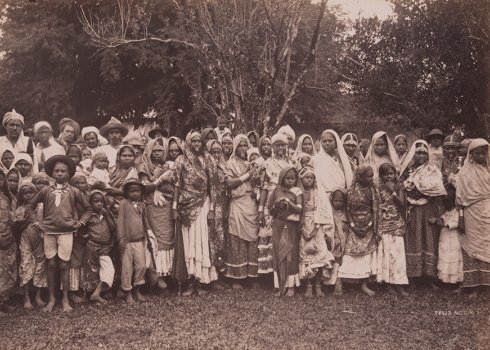
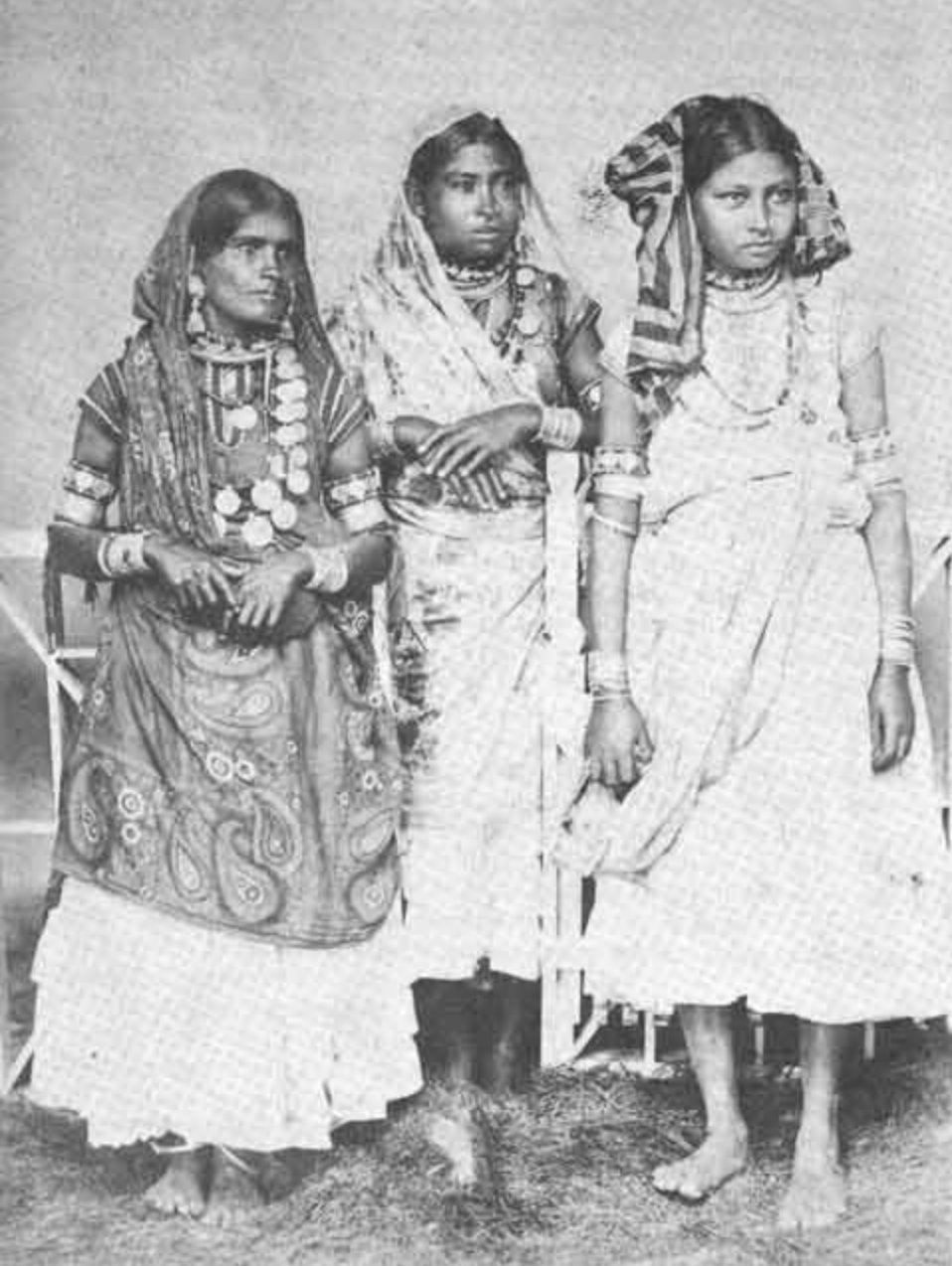
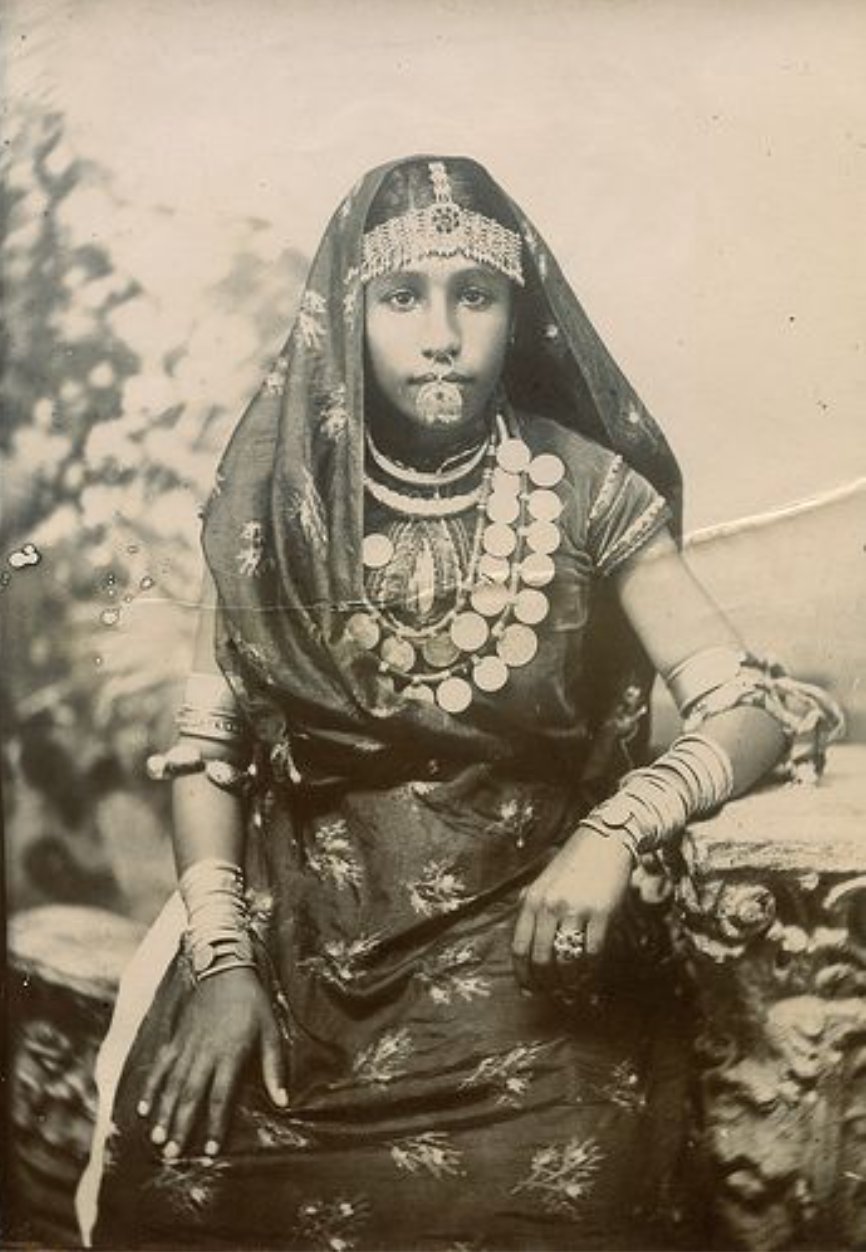
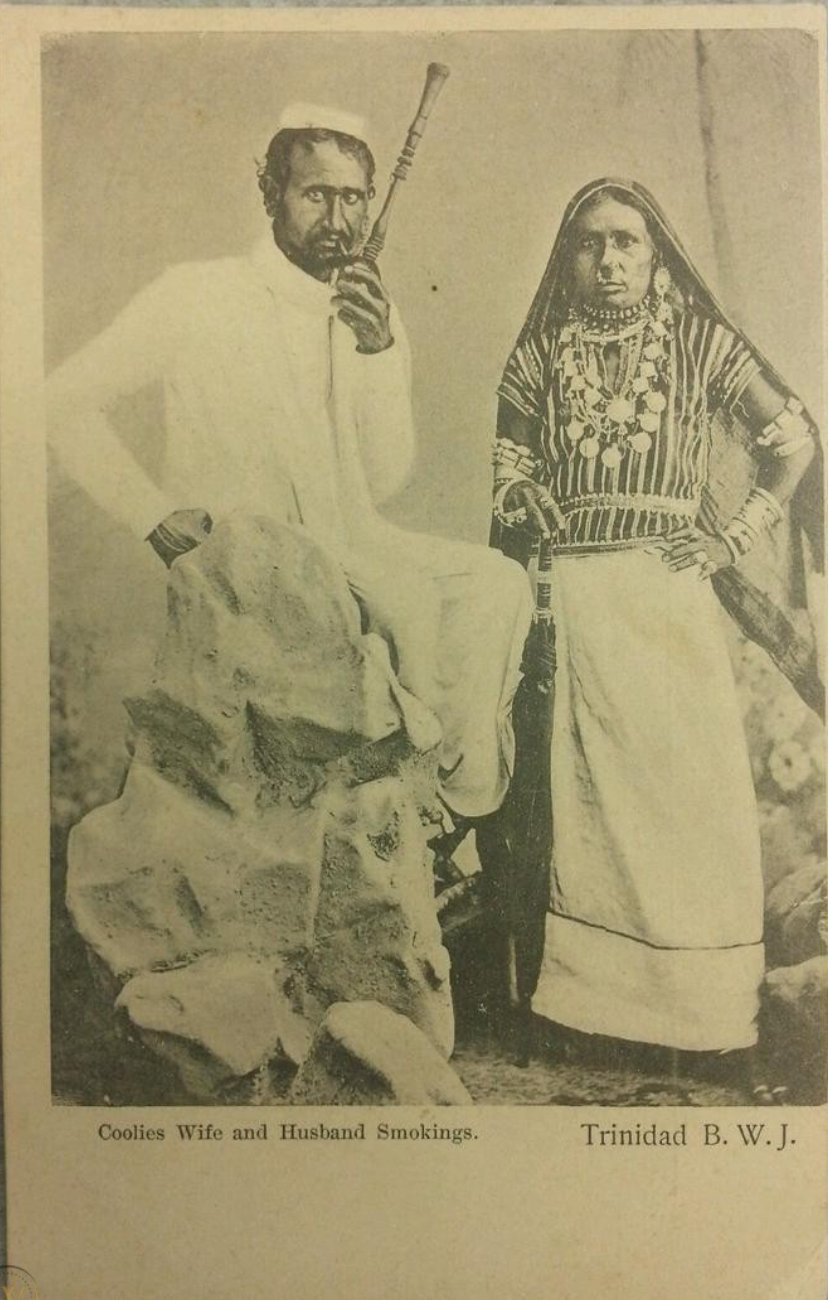
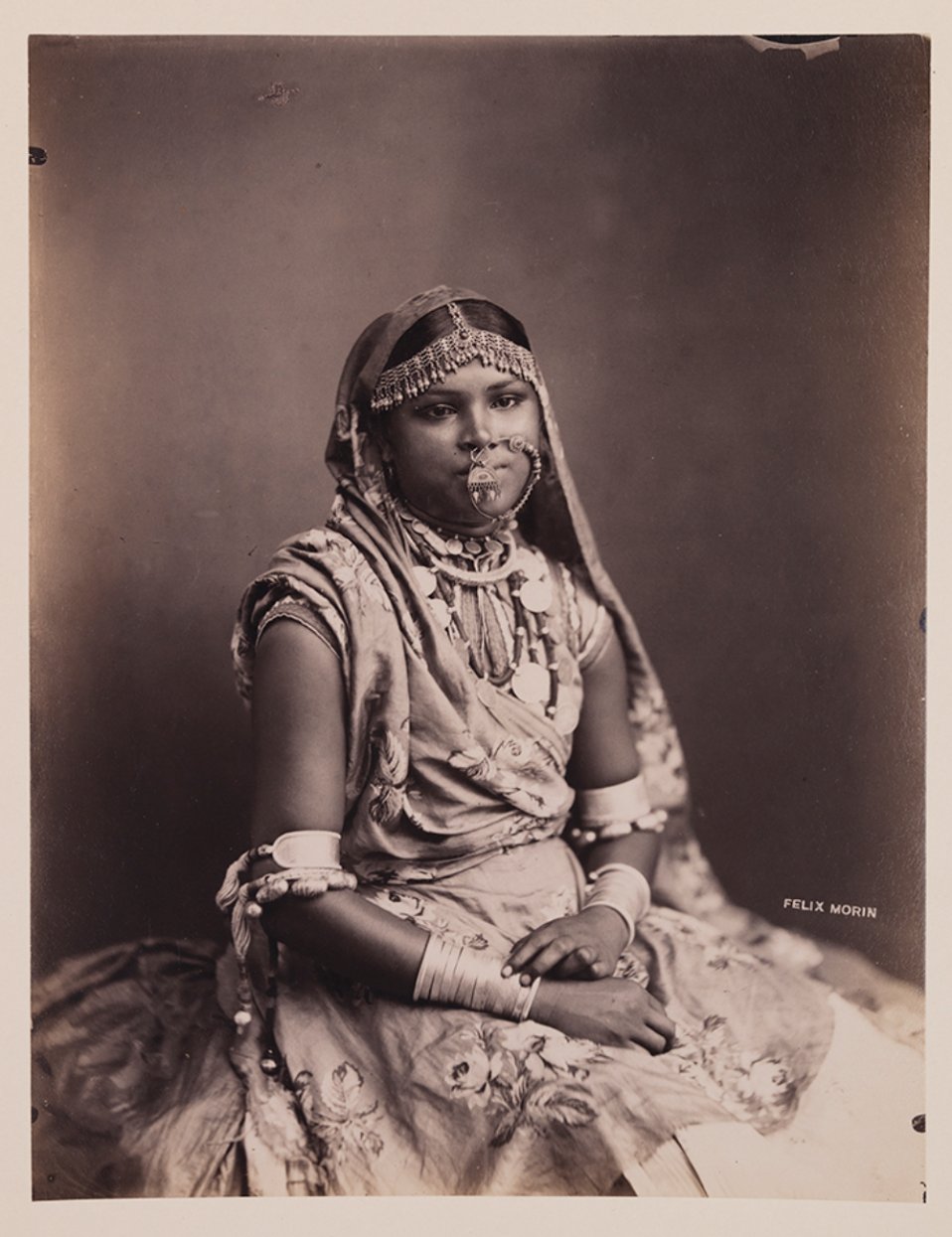
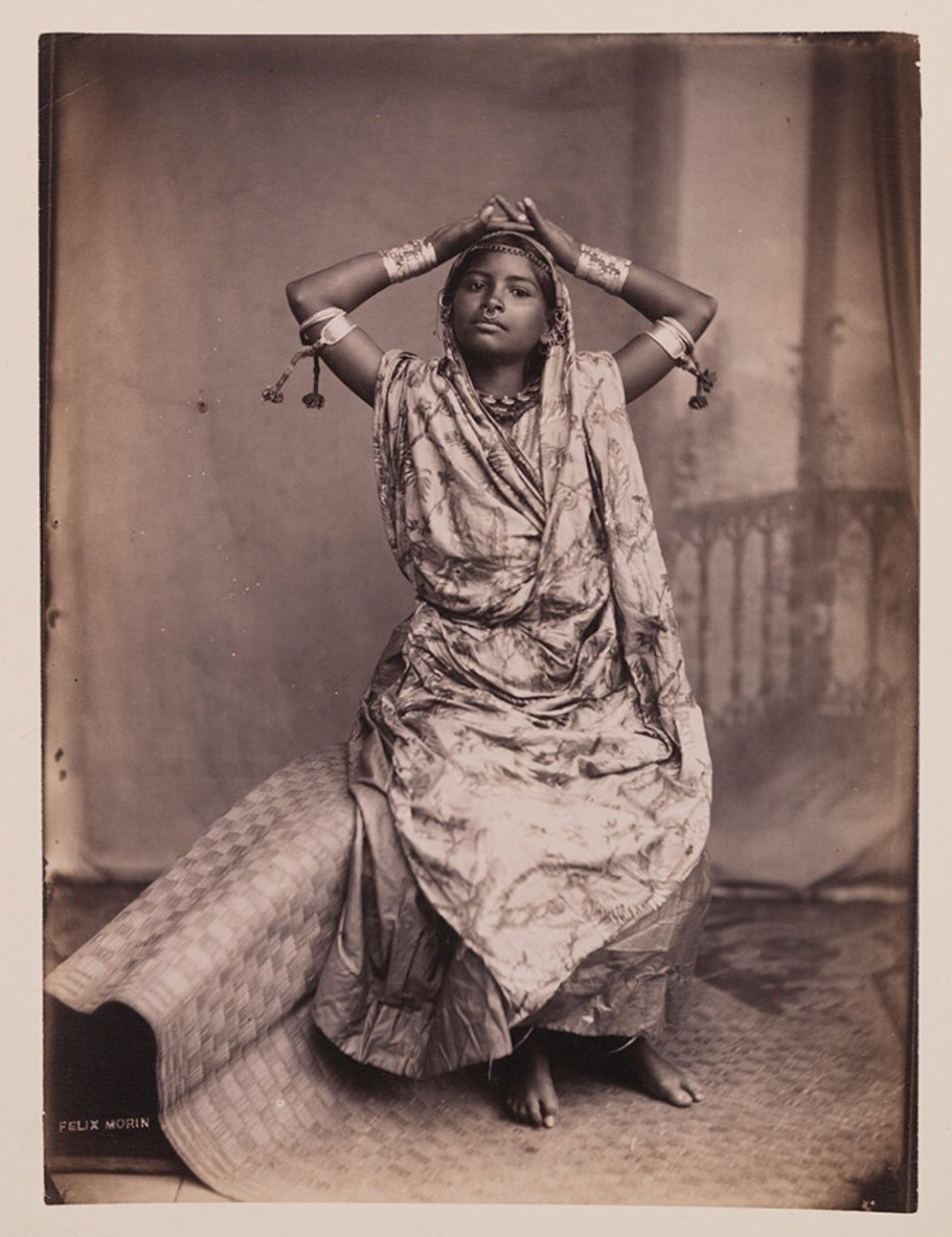
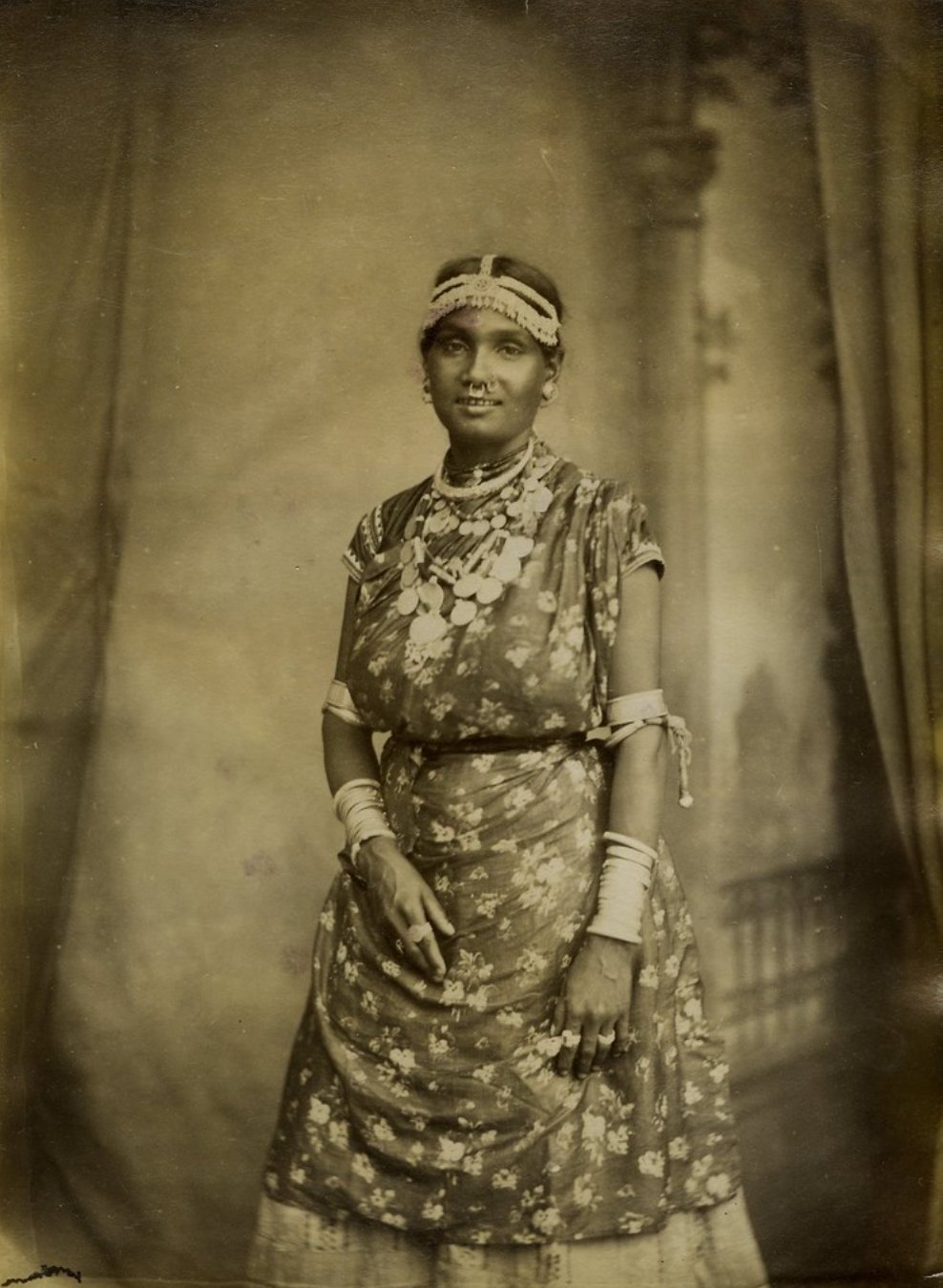
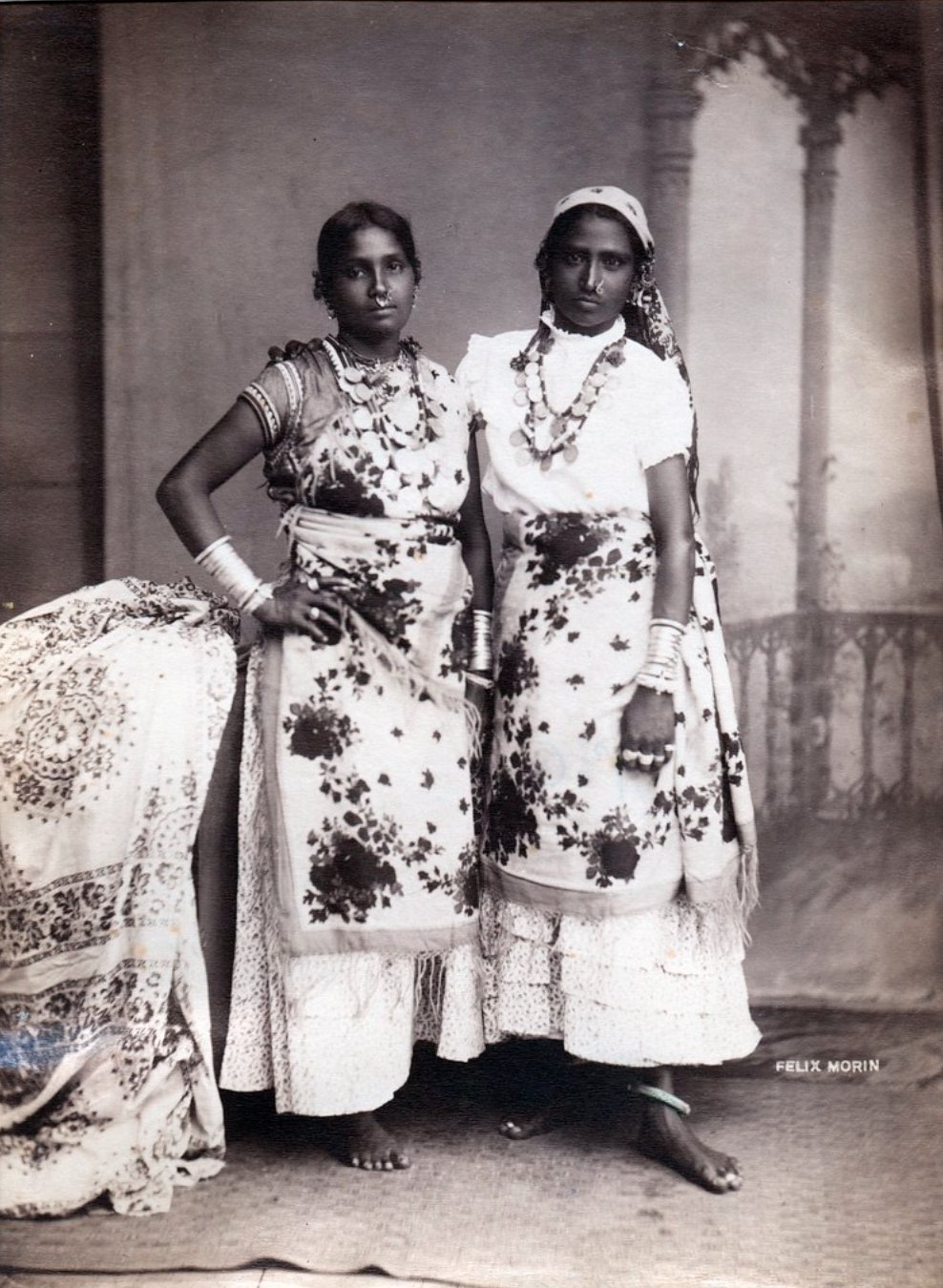
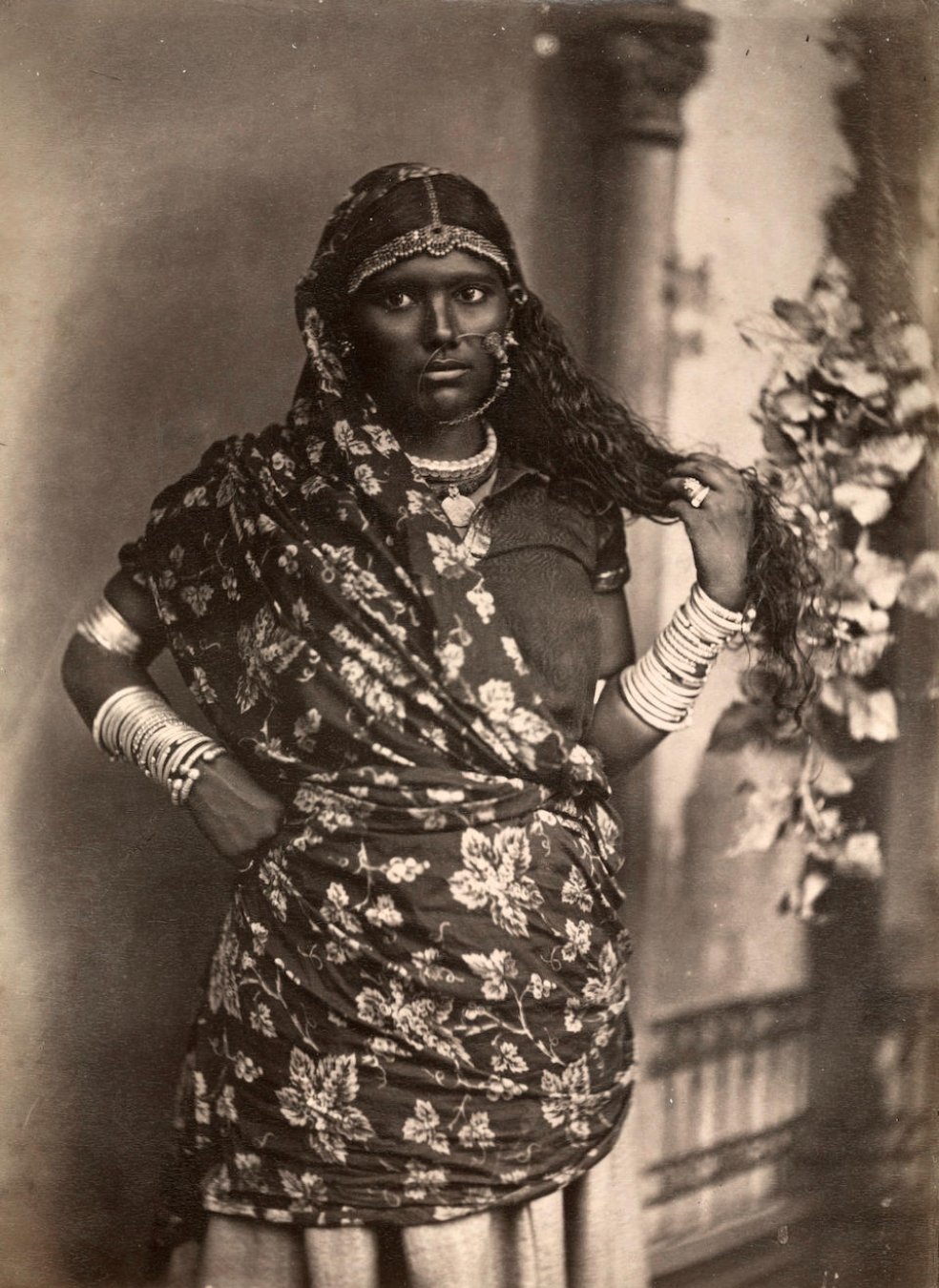
The word "coolies" on the photos suggests the East Indian diaspora as field workers in the British Caribbean colonies. That culture is described in V. S. Naipaul's books. He grew up in Trinidad in the 1940's. His book A House for Mr. Biswas loosely describes his father's story of upward mobility, from field labor to journalism. The migration started a century earlier, and by Naipaul's time was a distinct emigre culture in the Caribbean. The books are detailed and satirical. In one of the funnier passages, a well-off family considers itself more traditionally Indian than people that living in India. You can see that national pride in the photos.
"Two minutes ago I would have sold my chances for a tired dime." Fred Astaire
Edited by thq
06/02/2022 08:22 am
|
|
Valued Member
United States
277 Posts |
@thq Thank you for the book recommendations! I agree, some of the women in the photos do appear to be quite proud of what they are wearing. I probably would be too if I was wearing something as elegant as those dresses in the photos. Plus the coin necklaces are out of this world. 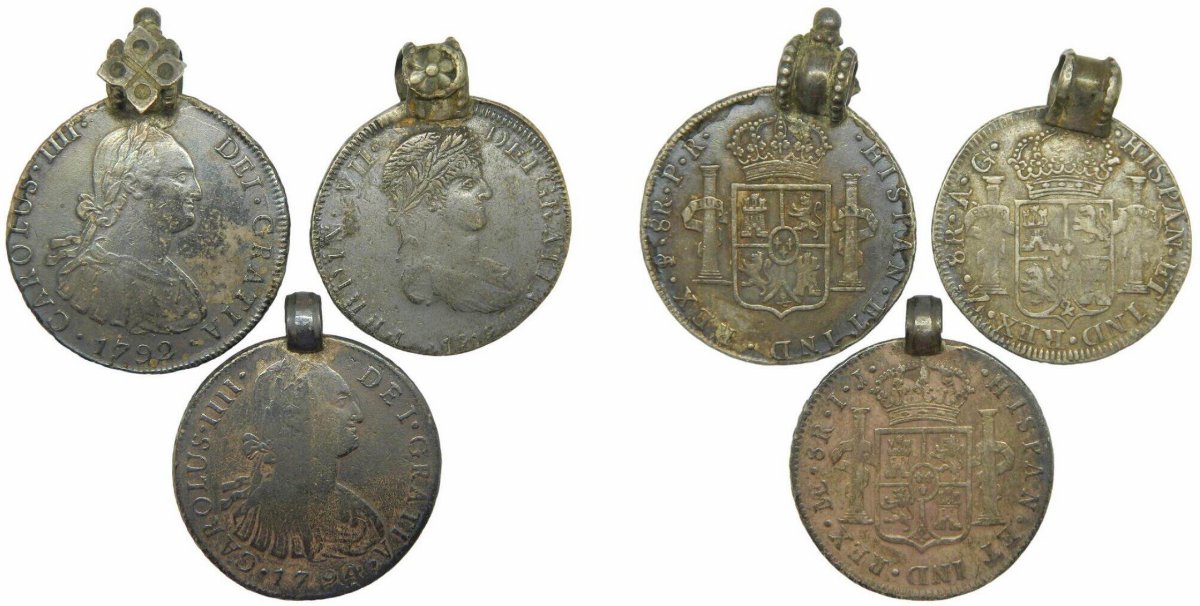 Searching through some auction archives helped me to find this set of 8 reales coin pendant pieces. All three appear to be made with counterfeits (contemperory?). Guessing by some of the artistic motifs on the pendants themselves, perhaps these three pieces were made and worn by people a part of the Indian diaspora to British colonies in South America, Central America (?), and the Carribbean? This lot had an estimated value of 180 euros, but sold for 165 euros. European sale. |
|
Pillar of the Community
United States
1962 Posts |
Cast 8R as a jewelry piece... many such of pieces out of southern Mexico and Guatemala.You will often see them paired with quetzal bird charms, Guatemala or Mexico 1/4 real coins, etc. - the cast 8R would be a centerpiece.
Any similarity to cultural practices of Indian subcontinentals and their descendants in Guyana or Trinidad would be purely coincidental!! Lots of cultures wore coin jewelry...
|
|
Valued Member
United States
277 Posts |
@realeswatcher
That's really fascinating and good points. Do you have any photos of the cast 8R jewelry pieces to share? Were these pieces made to sell at markets or made by any particular ethnic group?
|
|
Valued Member
United States
277 Posts |
|
|
Valued Member
United States
277 Posts |
|
| |
Replies: 14 / Views: 1,258 |
|







 Posted 05/31/2022 9:43 pm