AngieD,


 Posted 06/07/2022 08:13 am


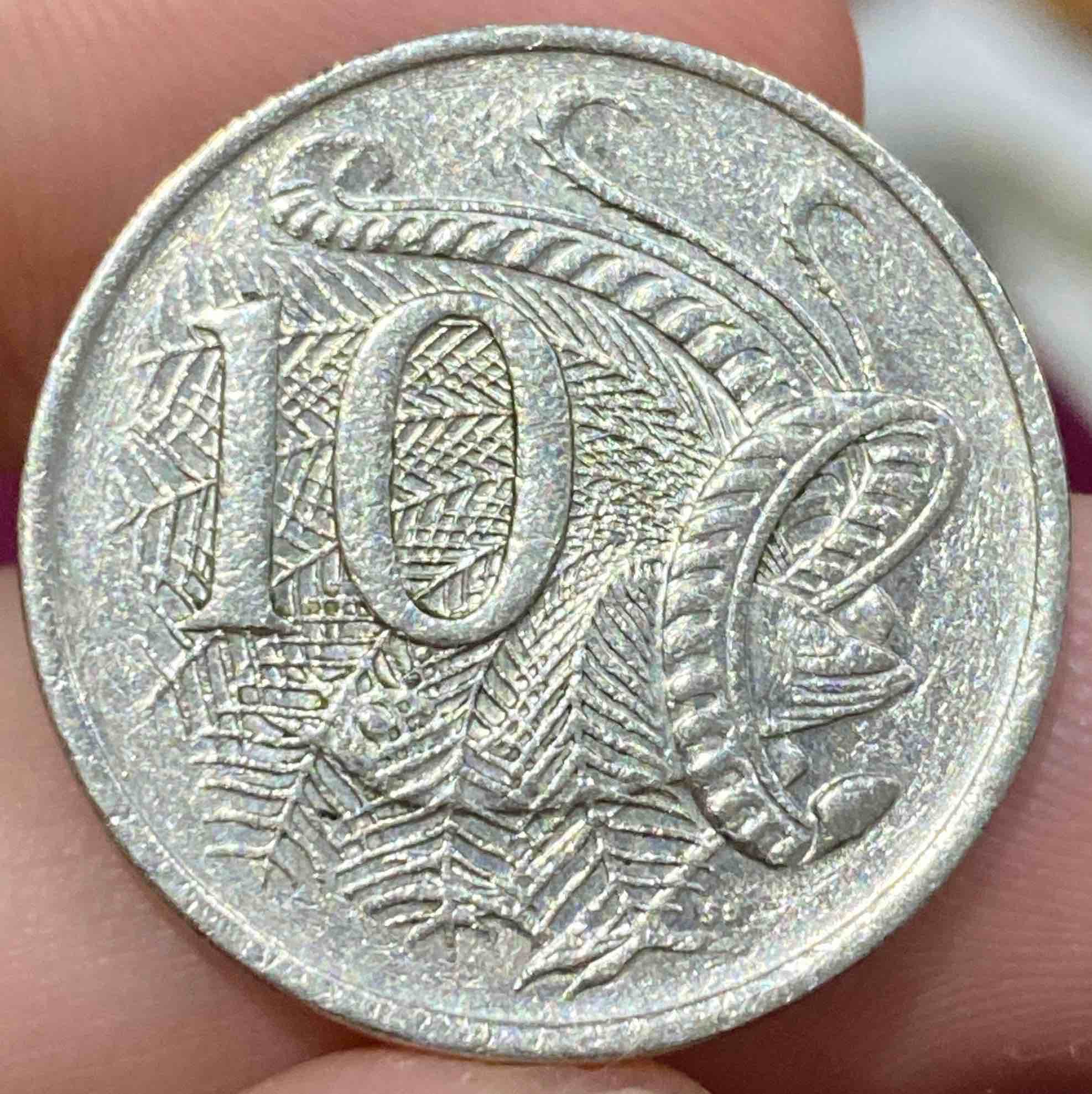
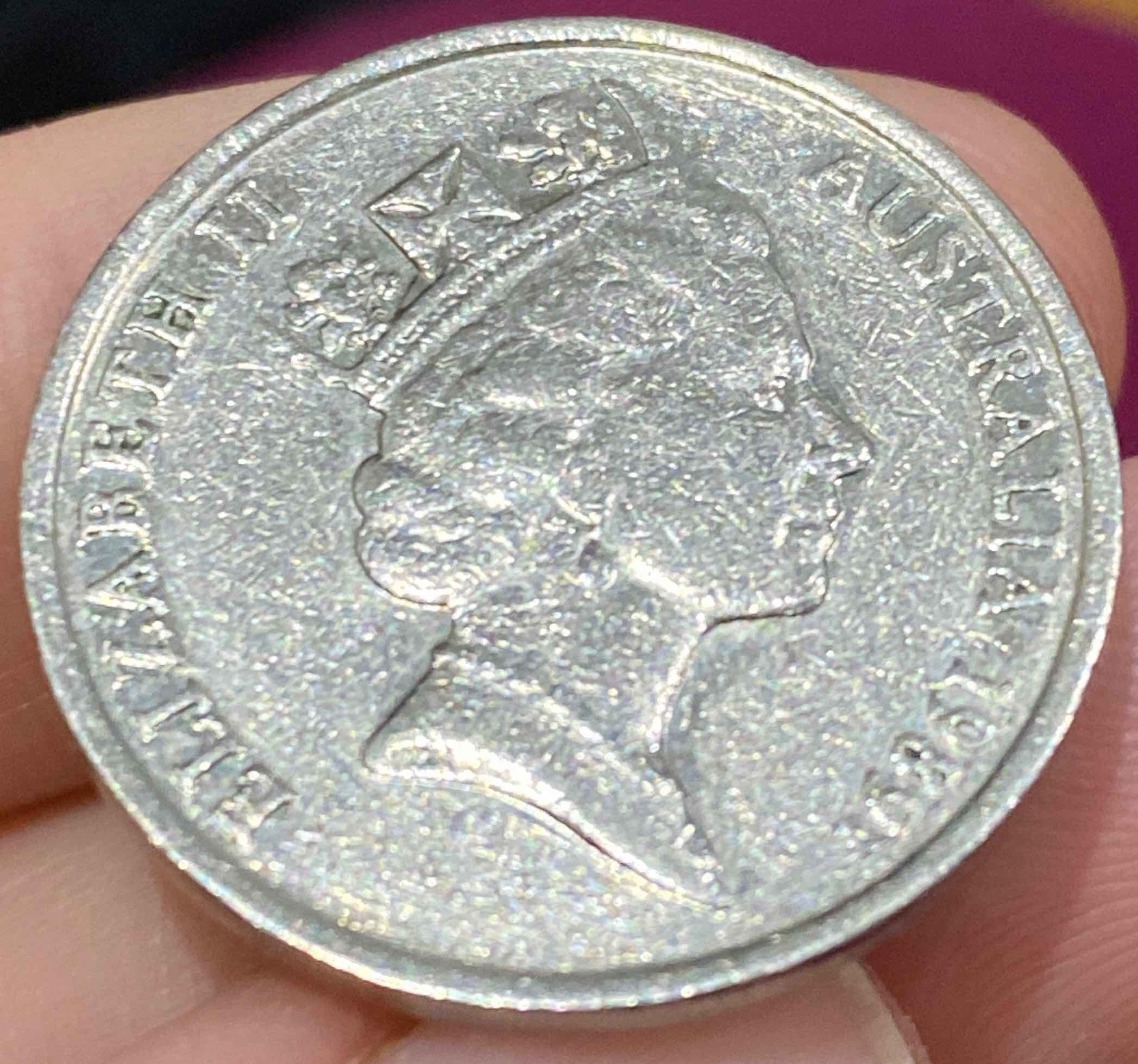
http://goccf.com/t/6266" target="_blank" rel="nofollow">Hi! Thanks so much for your reply! Ok I just took some close-up photos of the coin, and now that I look super closely, even though the coin still has a lot of detail and is super clean and shiny, it does actually have a lot of scratches on the coin in areas that are flat, even though the details of the feathers and crown are well preserved. The thing that caught my eye about this coin was actually how shiny it was, and then I noticed the smooth outer part once I picked it up for a closer look. Do you think the outer part could have been worn down so much if the feathers and crown are still so well preserved? br / Also, interestingly I found an old thread which has been closed, about a 1989 br / 10c coin with smooth edges, but the OP never ended up posting a photo. br / http://goccf.com/t/6266