| Author |
 Replies: 26 / Views: 2,527 Replies: 26 / Views: 2,527 |
|
|
|
Pillar of the Community
United States
2807 Posts |
Looks like a struck-through error.
|
|
Pillar of the Community
 United States
8988 Posts |
CentSation, after about 45 minutes, this was the best I could do. I don't have the equipment, setup or the skill for this shot.  I will try to get a better one later tonight. 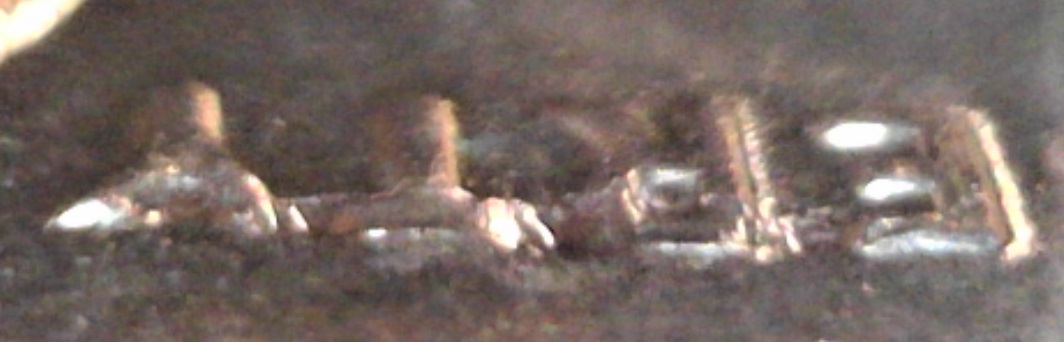 -makecents-
|
|
Pillar of the Community
United States
8988 Posts |
Still not great but a couple more. 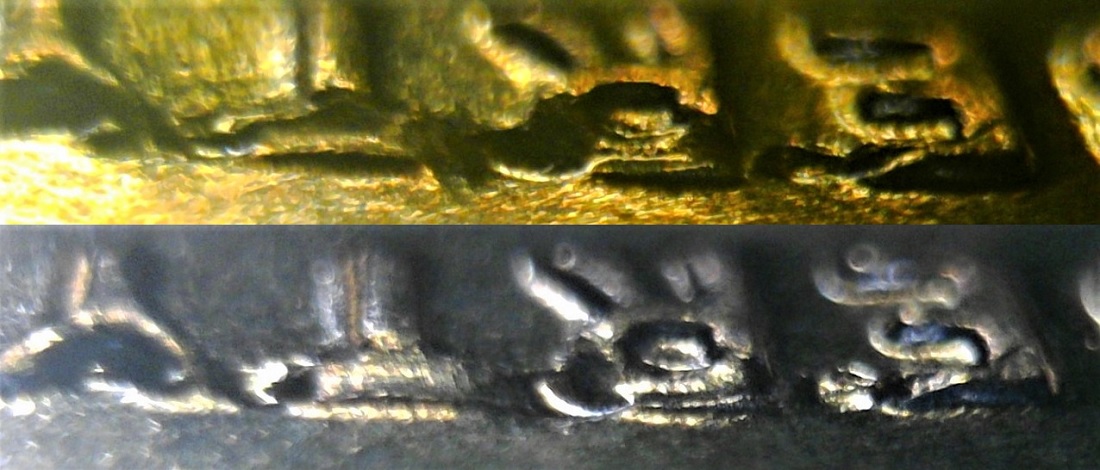 -makecents-
|
|
Pillar of the Community
United States
8988 Posts |
Alright, done for the evening, I would say these are the best I'll come up with, I'm not Ray Parkhurst. 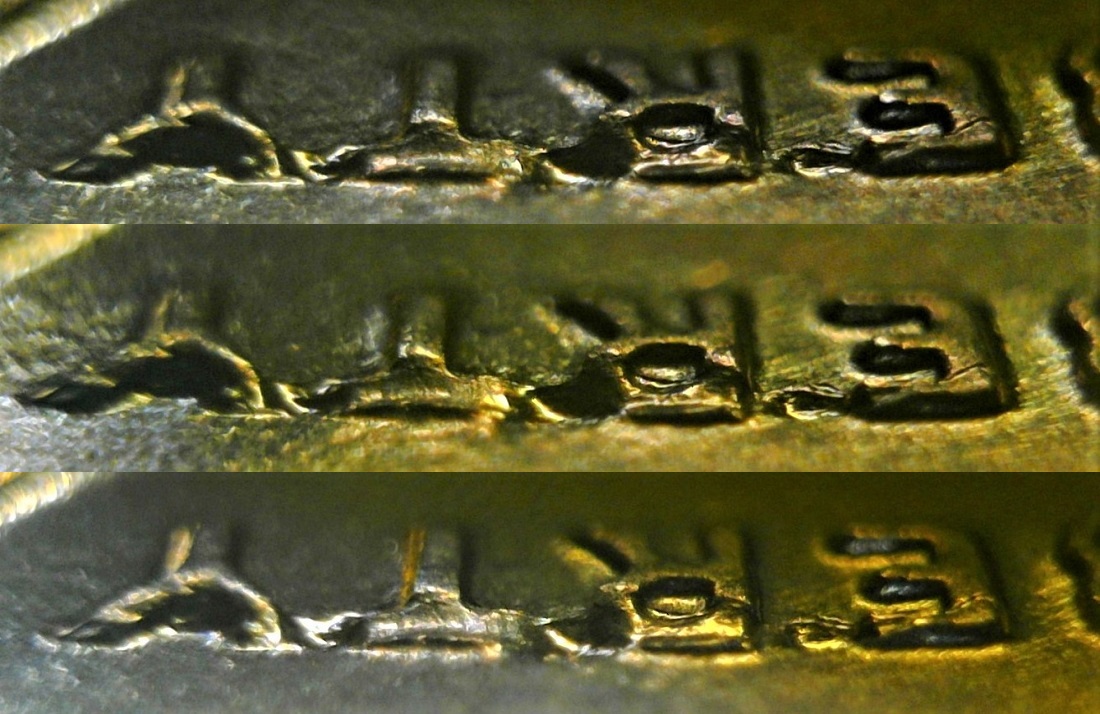 -makecents-
|
|
Pillar of the Community
United States
8988 Posts |
One with the straight on shots and landscape, side by side. 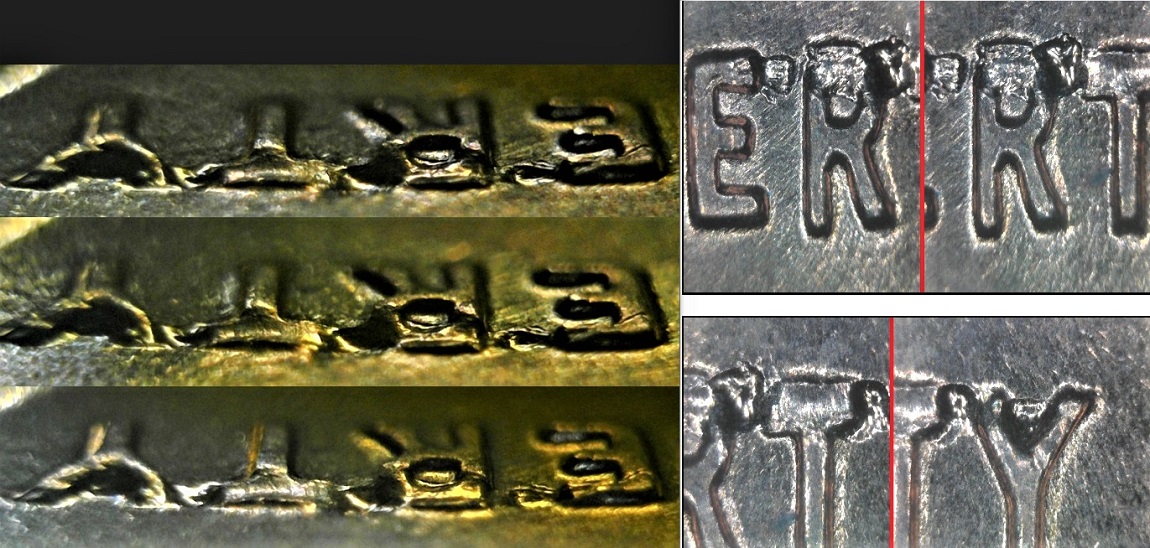 -makecents-
|
|
Pillar of the Community
United States
713 Posts |
Quote:
"Alright, done for the evening, I would say these are the best I'll come up with" Thanks for your efforts, this looks like a tough one to photograph. I was hoping that the [3D-type] view might show something more, but to me still just looks like PSD. Hopefully you did not spend too much time on this. |
|
Pillar of the Community
 United States
984 Posts |
Hey, my forum friend, I had to laugh at myself when you said how hard it was to get the pics you wanted, and I struggle for normal RPM pics. Kind of made me feel better even though your efforts and angles are way harder than what I try to get. me being a math teacher and teaching probabilities , I have been thinking and thinking and thinking or (thinking)^3 in math terms as to what could have struck this coin to create this. A wild hypothesis but is it possible that once the coin was struck and the die lifted, the pieces of copper didn't stay attached but fell off immediately after in the wrong place? My basis for this is the fact that to move that metal would take a significant blow, yet there is no evidence of contact anywhere else on the coin. No marks or indentations on either side of the PMD. Knowing so little about the striking process may rule out that possibility (probably some ROSWELL LOGIC THERE LOL). I thought coins fell into a bin during the process then separated in batches and bagged or rolled. As you can see the coin has not been in circulation or at least I didn't think so. Do you have any other theories as to how this could happen? Maybe coop can weigh in! |
|
Pillar of the Community
United States
8988 Posts |
Quote:Thanks for your efforts, this looks like a tough one to photograph. I was hoping that the [3D-type] view might show something more, but to me still just looks like PSD. Hopefully you did not spend too much time on this. Your welcome. It was good for me, taught me a few things, it got better and easier as it went. -makecents-
|
|
Pillar of the Community
United States
8988 Posts |
Quote:Hey, my forum friend, I had to laugh at myself when you said how hard it was to get the pics you wanted, and I struggle for normal RPM pics. Kind of made me feel better even though your efforts and angles are way harder than what I try to get. me being a math teacher and teaching probabilities , I have been thinking and thinking and thinking or (thinking)^3 in math terms as to what could have struck this coin to create this. A wild hypothesis but is it possible that once the coin was struck and the die lifted, the pieces of copper didn't stay attached but fell off immediately after in the wrong place? My basis for this is the fact that to move that metal would take a significant blow, yet there is no evidence of contact anywhere else on the coin. No marks or indentations on either side of the PMD. Knowing so little about the striking process may rule out that possibility (probably some ROSWELL LOGIC THERE LOL). I thought coins fell into a bin during the process then separated in batches and bagged or rolled. As you can see the coin has not been in circulation or at least I didn't think so. Do you have any other theories as to how this could happen? Maybe coop can weigh in! Well, at least I made you laugh. I'm a firm believer, it's the best medicine. I will admit, it's really odd looking and very isolated but still believe it's nothing more than PSD. I did take a couple of hours to surf through error-ref.com and came up empty for any other possibilities. Maybe coop or someone else sharper than me can weigh in, that's a lot of folks. I do appreciate you letting me check out the coin though. -makecents-
|
|
Pillar of the Community
United States
2260 Posts |
Quote:
I am not a BIE collector, but others definitely are. Hopefully some of them will weigh in on the conversation. Bie or not. According to Jean Cohen, in her book, "The classification and value of errors on the Lincoln Cent" , the BIE "error" is a die break between the B and E. A die break in between other letters of Liberty is in the "category" of BIE. So I guess if there is a break between the "E" and "R", it would be classified as a BIE with the error being an EIR. |
|
Bedrock of the Community
United States
62064 Posts |
I already did on page one. Quote:
Or even struck through debris issue? Hard to say from images sometimes. If it were a die issue, then we would see one million of these out there from all strike of that die. I feel it is a debris strike that moved a bit in circulation. Thus the reduction on the devices and the moved metal. Happened on one coin only. On the 1955 cents there was an issue with a master die issue on them on that area: 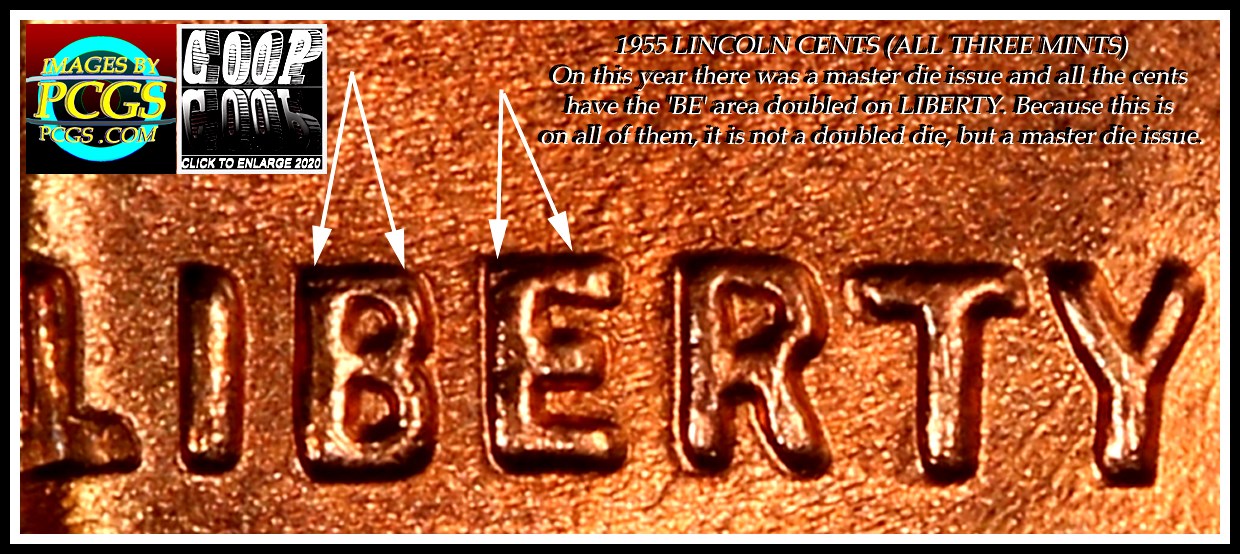 But that affected the whole years coins with all of the coins affected. Edited by coop
07/10/2022 1:07 pm
|
| |
Replies: 26 / Views: 2,527 |








 First Page


 Posted 07/09/2022 3:16 pm


