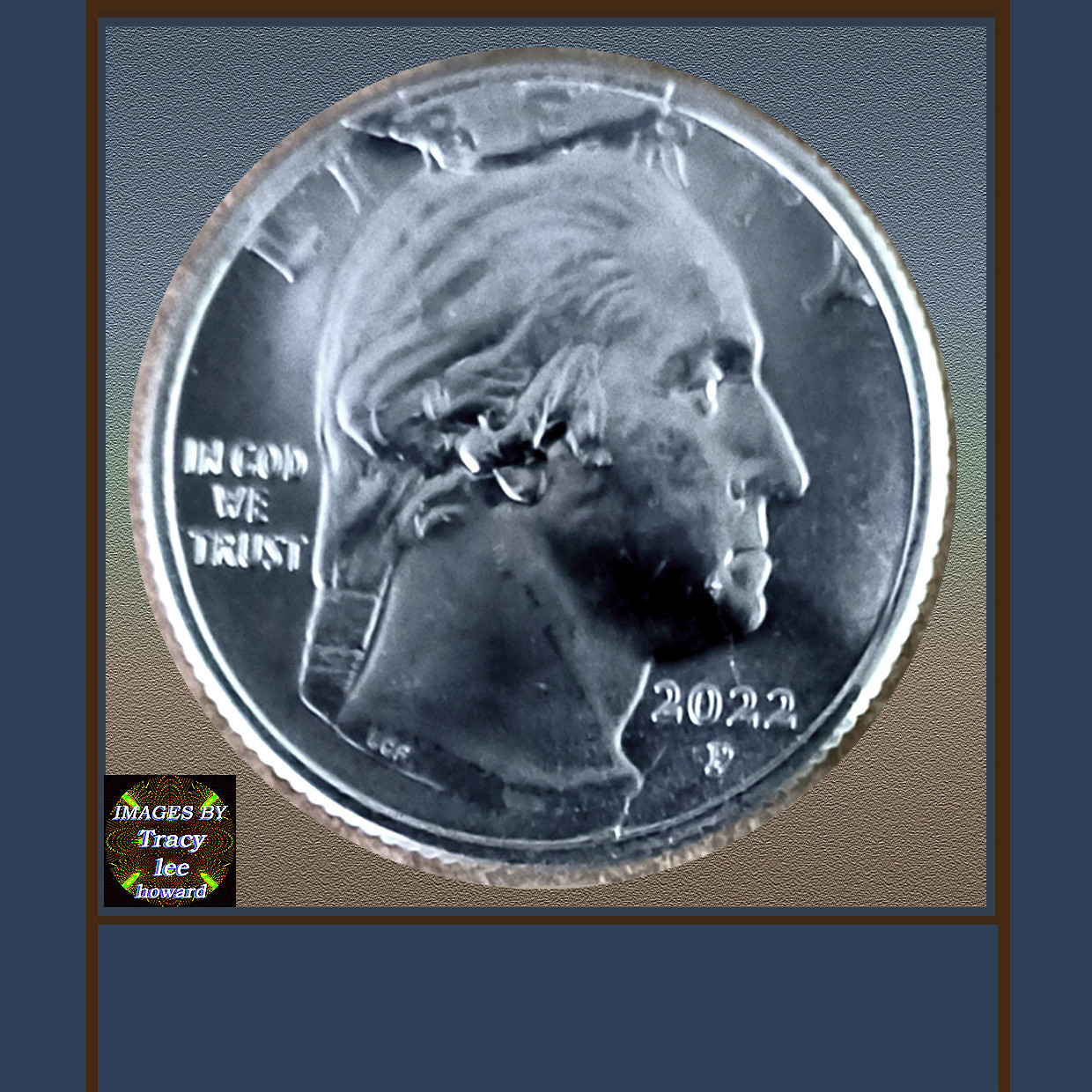
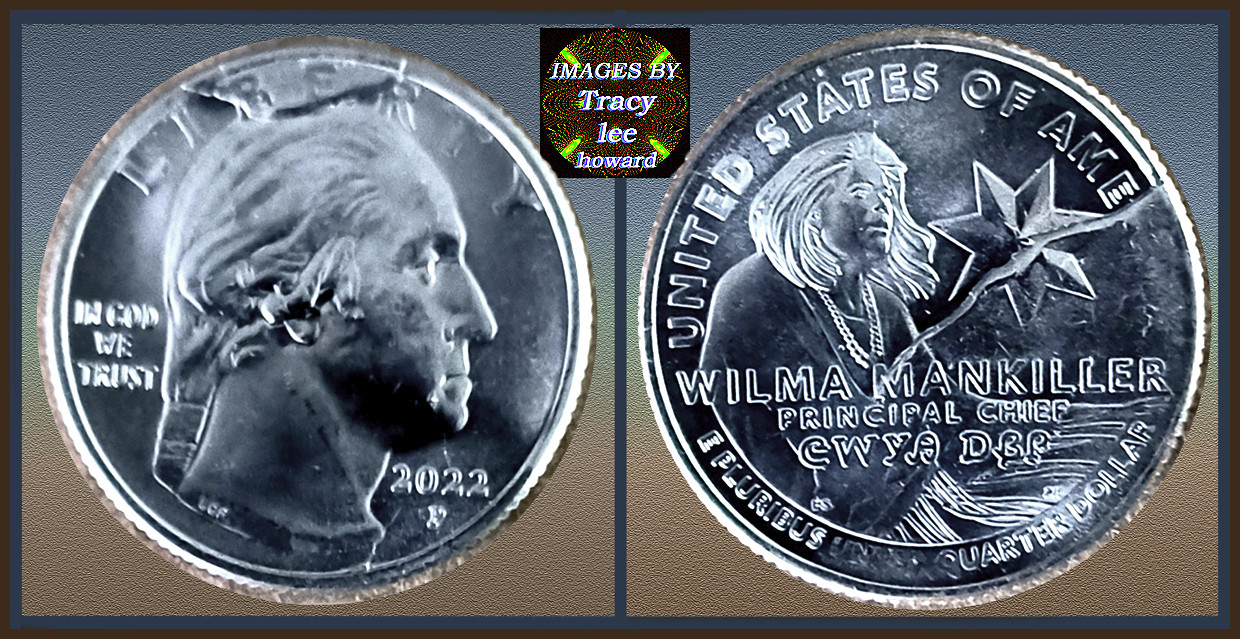
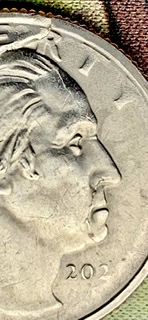
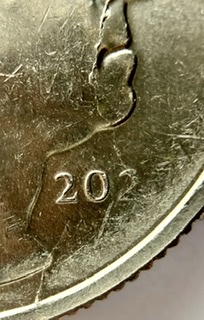
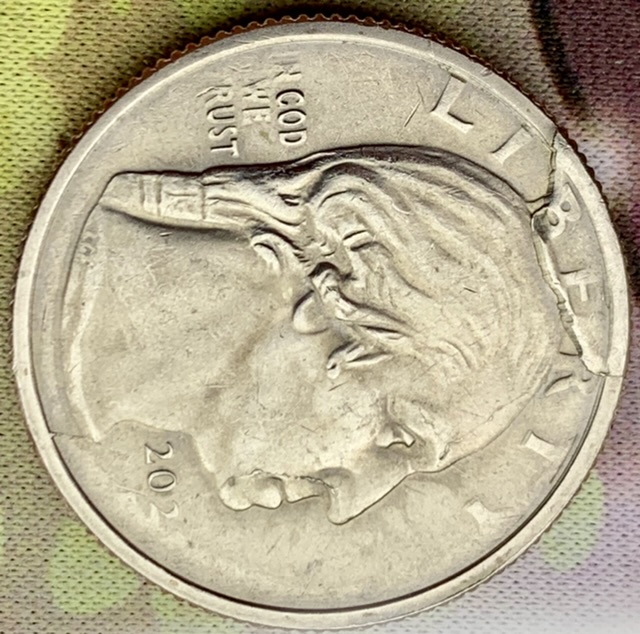
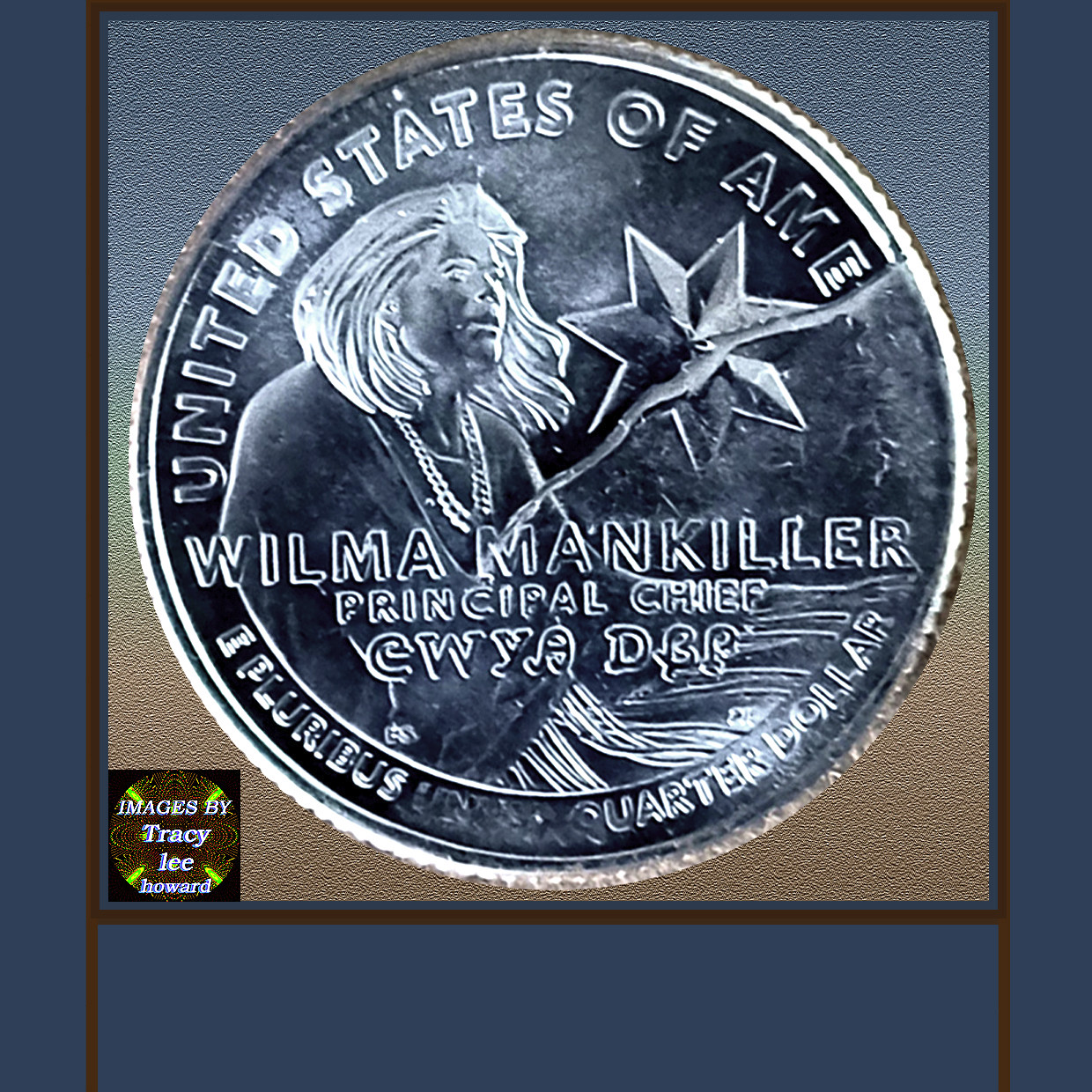
The first coin features a bifacial grease strike and a strongly elevated
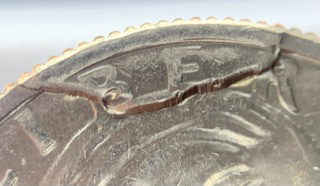
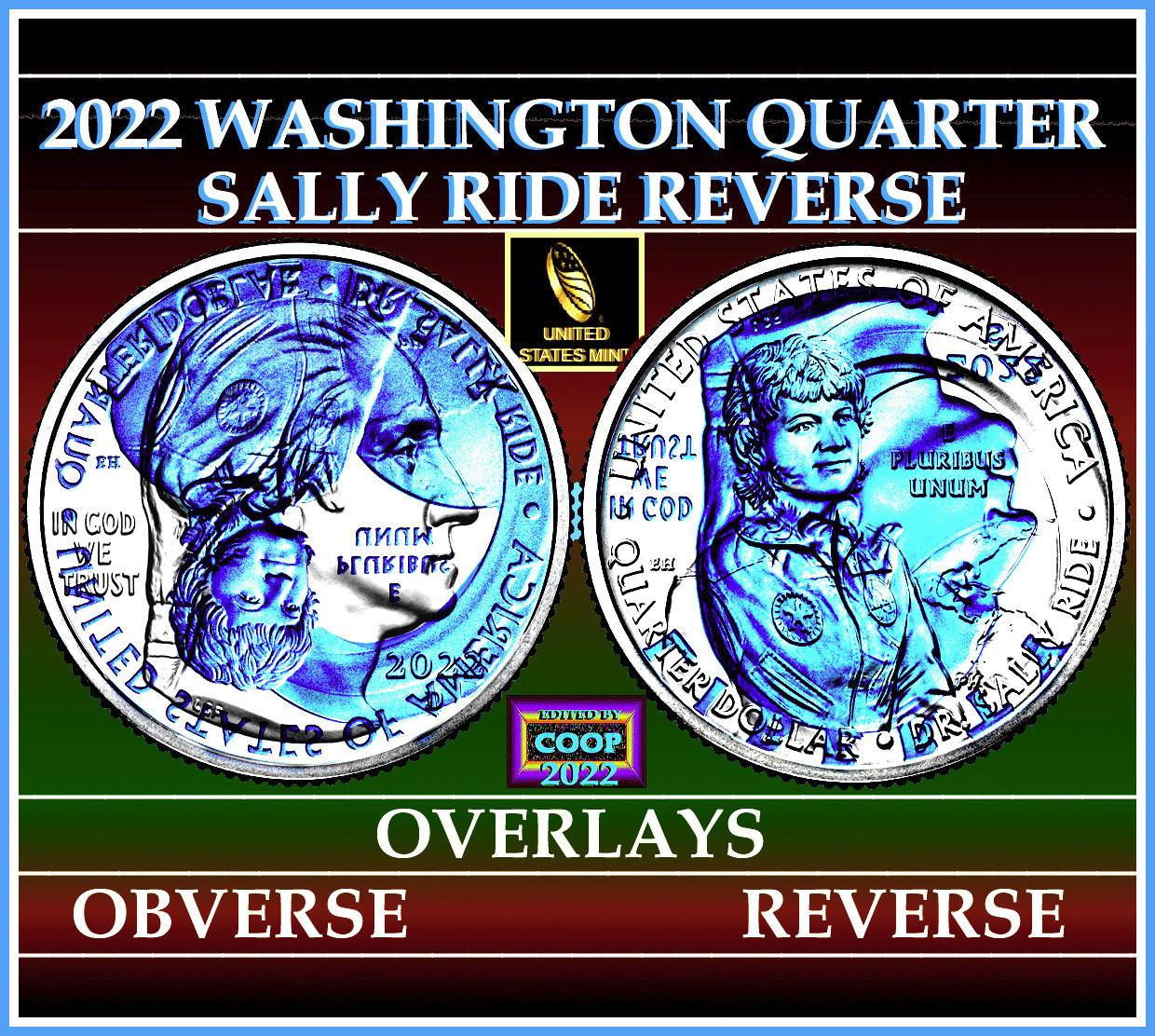
Retained Cud on the obverse face (struck by the anvil die). There's no reason to think the two errors are related. The reverse of the second coin may show an unusually prominent, bi-level (stepped) die crack or a die crack that transitions from bi-level to conventional. But the photo is far from ideal.
Error coin writer and researcher.










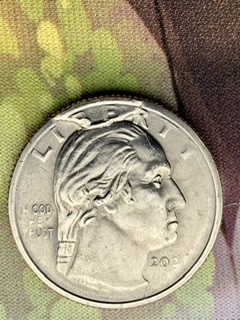
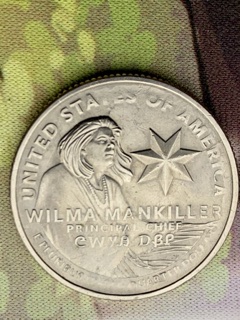



 Posted 07/14/2022 12:00 pm


 to the Community!