| Author |
 Replies: 11 / Views: 1,792 Replies: 11 / Views: 1,792 |
|
|
New Member
United States
3 Posts |
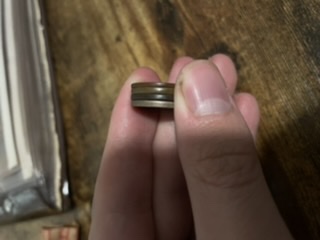 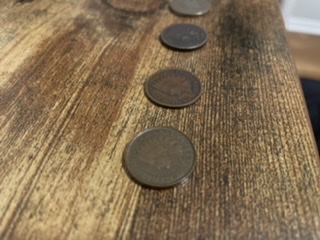 Found an 1899 Indian Head penny that is extra thick. I have included an image comparing the thickness of the penny to 3 other coins (1857 Flying Eagle, 1863 Indian Head, 1899 (error?) Indian Head, and a standard thickness 1899 Indian Head from left to right. You'll see this 1899 coin matches the thickness of the Flying Eagle and the 1859 - 1864 Indian heads but is much thicker than 1864 - 1909 Indian Heads. In the other image I included you can see it's the rim only that adds the extra thickness and not the entire coin. Curious if anyone has seen this before as I can't find anything about it on google.
|
|
|
|
Moderator
 United States
56855 Posts |
 Probably going to need close up pics and maybe a weight. John1  |
|
Moderator
United States
196100 Posts |
to the Community! |
|
Bedrock of the Community
United States
94367 Posts |
 to the CCF! |
|
Pillar of the Community
United States
3402 Posts |
Welcome...what's the weight?
KK
|
|
Pillar of the Community
United States
2760 Posts |
can we have a close up of the coin in question, plus the weight of it?
|
|
New Member
 United States
3 Posts |
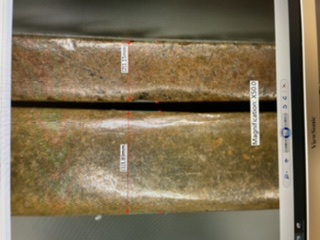 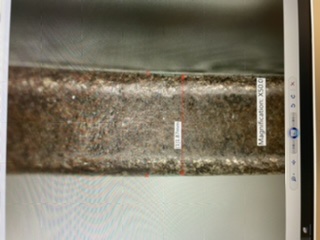 I weighed the coins out: 1863: 4.49 g 1899 (error?): 3.02 g 1899 (no error): 2.85 g I also included 2 images showing the thickness on a microscope. One image compares the thickness of the error coin (1.89 mm) with the thickness of a regular 1899 Indian head (1.15 mm). The other image depicts the thickness of an 1863 Indian head (1.87 mm). I should emphasize it is only the EDGE / lip of the potential error coin that is thicker / raised. The rest of the coin (the face) is the same thickness as a regular Indian head coin. Essentially, the increased weight of the potential error coin is due to the additional mass added by the thick outer lip (I think). Also, the thickness of the potential error coin matches that of the 1863 penny which is weird. Thoughts? |
|
Pillar of the Community
United States
3848 Posts |
I am confused, you are saying the 1899 and 1863 cents are both errors? The 1863 should have a larger thickness and different metal composition from the 1899. We still don't have obverse and reverse photos of the coin in question. Please add those so we can know exactly what you're taking about. Quote:
I should emphasize it is only the EDGE / lip of the potential error coin that is thicker / raised. It sounds like a Rim Fin, although I haven't seen many Indian cents with large rim fins. Need pics... Suffering from bust half fever. Want to learn how to attribute early half dollars by die variety? Click Here: http://goccf.com/t/434955Shoot me a PM if you are looking to sell bust halves. |
|
New Member
United States
3 Posts |
I apologize for the confusion. I'm using the 1863 coin as a thickness reference only. I do not believe there is any defect with the 1863. What I am saying is the 1899 coin is as thick as the 1863 penny along the edges only, that's the potential defect. I have included 3 additional images. The first is at an angle where I believe you can more easily see the "lip" / thick edge of the 1899 coin. The other two images are of the face and reverse. 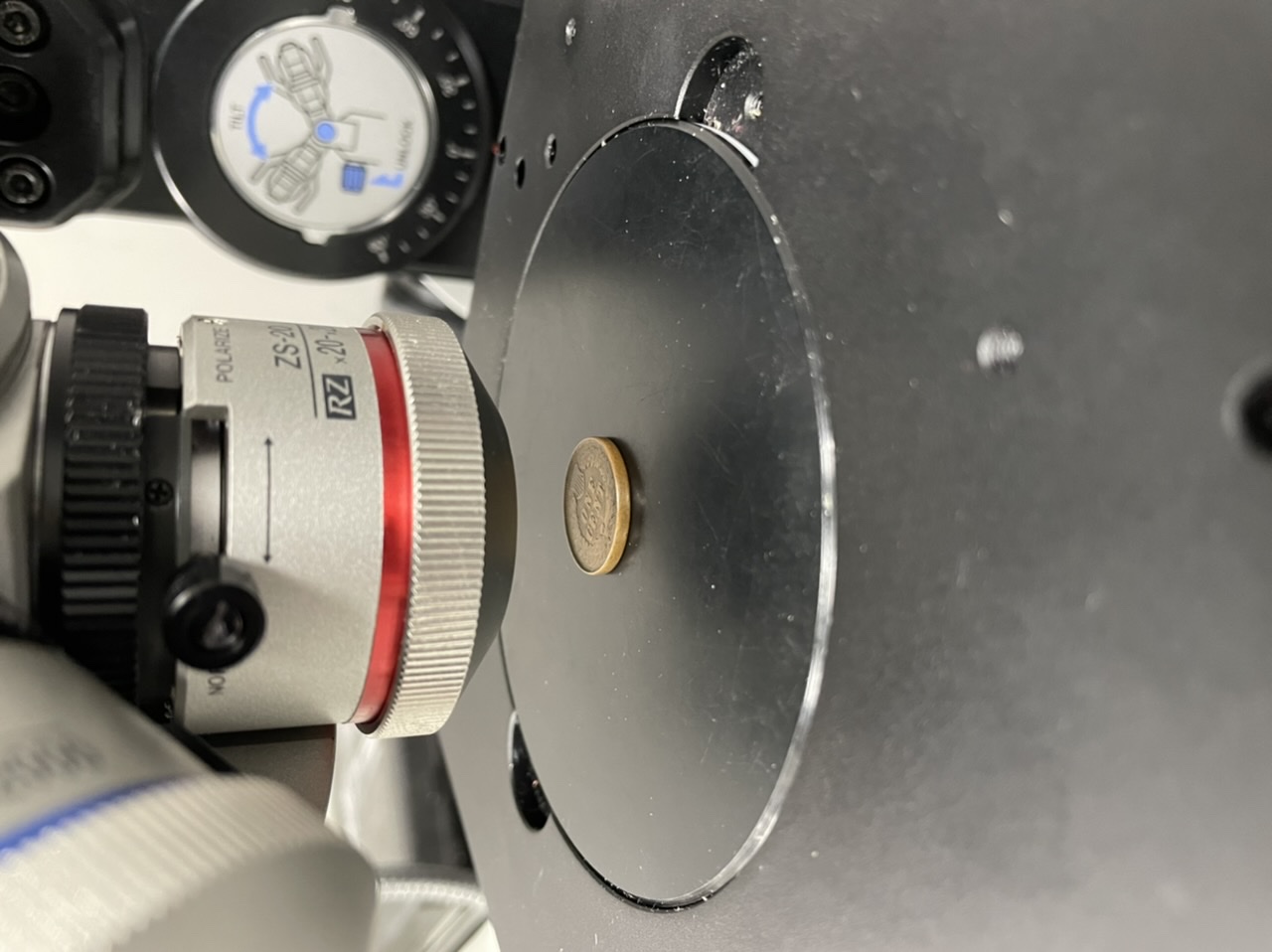 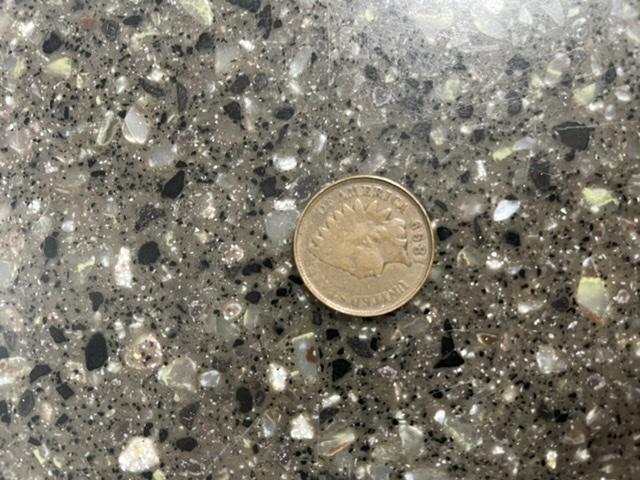 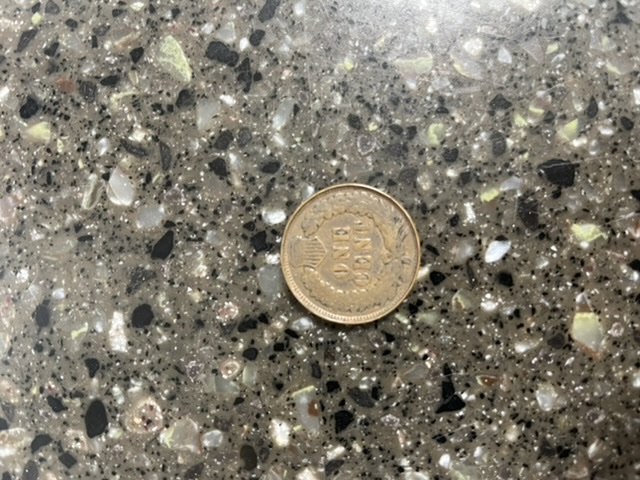 Thoughts? |
|
Pillar of the Community
United States
7174 Posts |
to the CCF. This coin has been spooned. |
|
Pillar of the Community
United States
3848 Posts |
Yes, the coin was spooned. Someone probably hit the edge of the coin with a hammer many times until it started to mushroom over.
Suffering from bust half fever. Want to learn how to attribute early half dollars by die variety? Click Here: http://goccf.com/t/434955Shoot me a PM if you are looking to sell bust halves. |
|
Pillar of the Community
United States
3402 Posts |
Definitely the rim was "spooned"...a process used to make coin rings before mechanical methods were employed (hydraulic presses)...would have been a very small ring (child's?).
KK
|
| |
Replies: 11 / Views: 1,792 |
|







 Posted 07/28/2022 08:51 am





