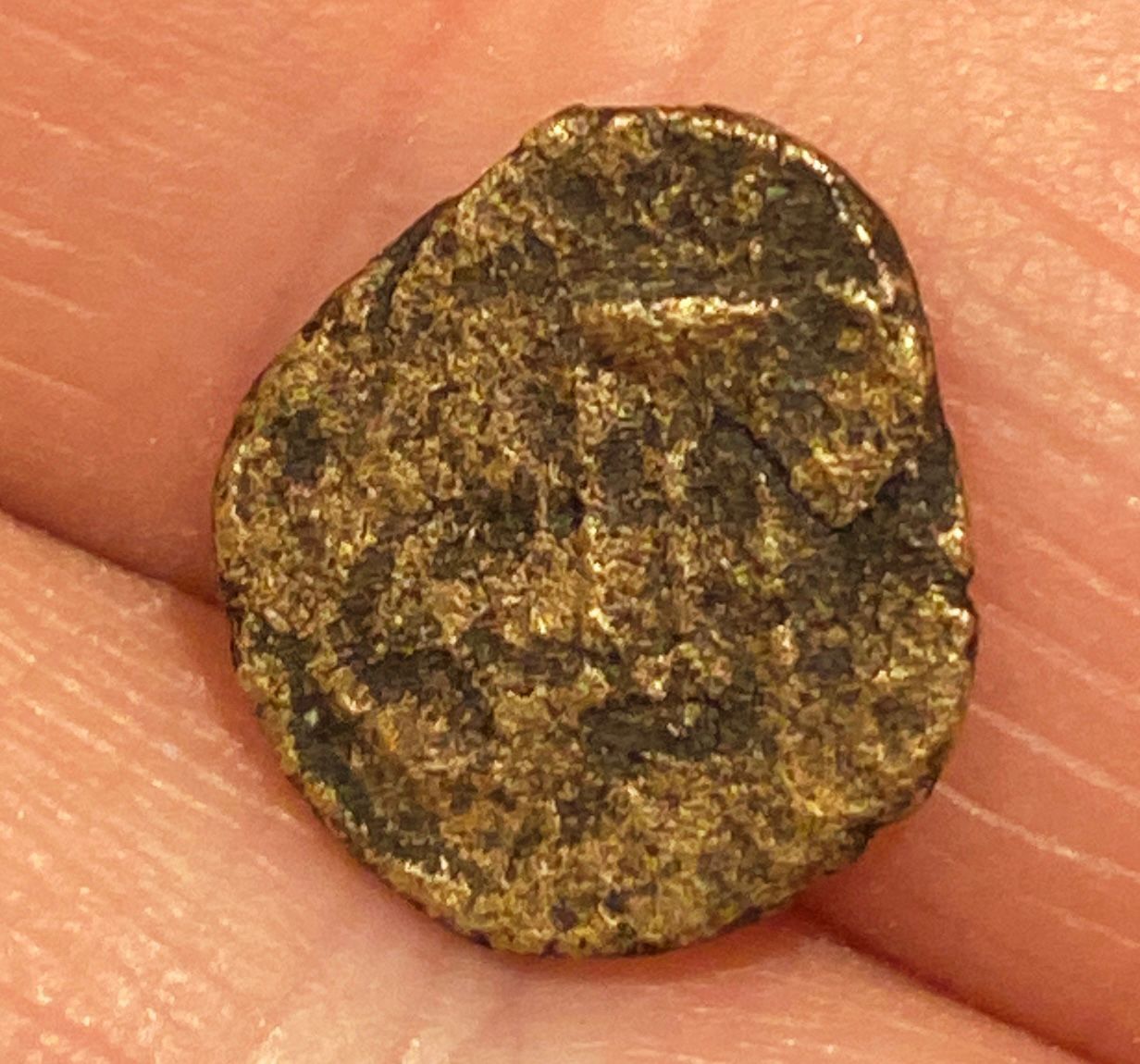
I don't know where you get the "brass wasn't used until the 1400s" story, because it's not true.
While the ancients may not have known how to isolate and purify zinc, the metal that differentiates between a "brass" and a "bronze", they did discover that if certain mineral substances (which we now know today are high in zinc) were added to bronze as it was being produced, it turned the metal golden in colour. In modern times, we call this ancient "accidental brass" alloy "
orichalcum" (Greek for "mountain copper"), named after the mythical precious metal at the heart of the wealth of Atlantis; we do not know for sure what specific names the ancient Greeks and Romans called their brasses, as producing it seems to have been something of a state secret; in surviving writings, they did not seem to have consistently different words for "brass" and "bronze"; to the Greeks, both were "chalkos", to the Romans, both were "aes".
But we do know that, at least in Roman times, the use of these primitive brasses in coinage was quite deliberate. During the Golden Age emperors, the dupondius and the as were identical in size, but the as was made of bronze, whereas the dupondius was made of orichalcum. But the Romans did not invent the alloy; the oldest known pieces of orichalcum are some 2600 year old ingots found in an ancient shipwreck off the coast of Sicily.
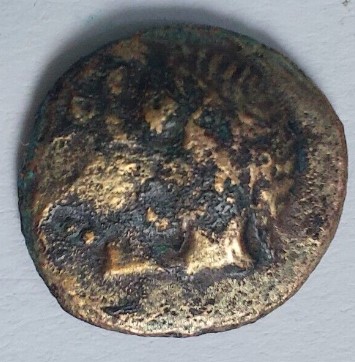
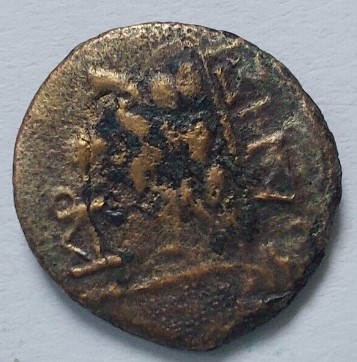
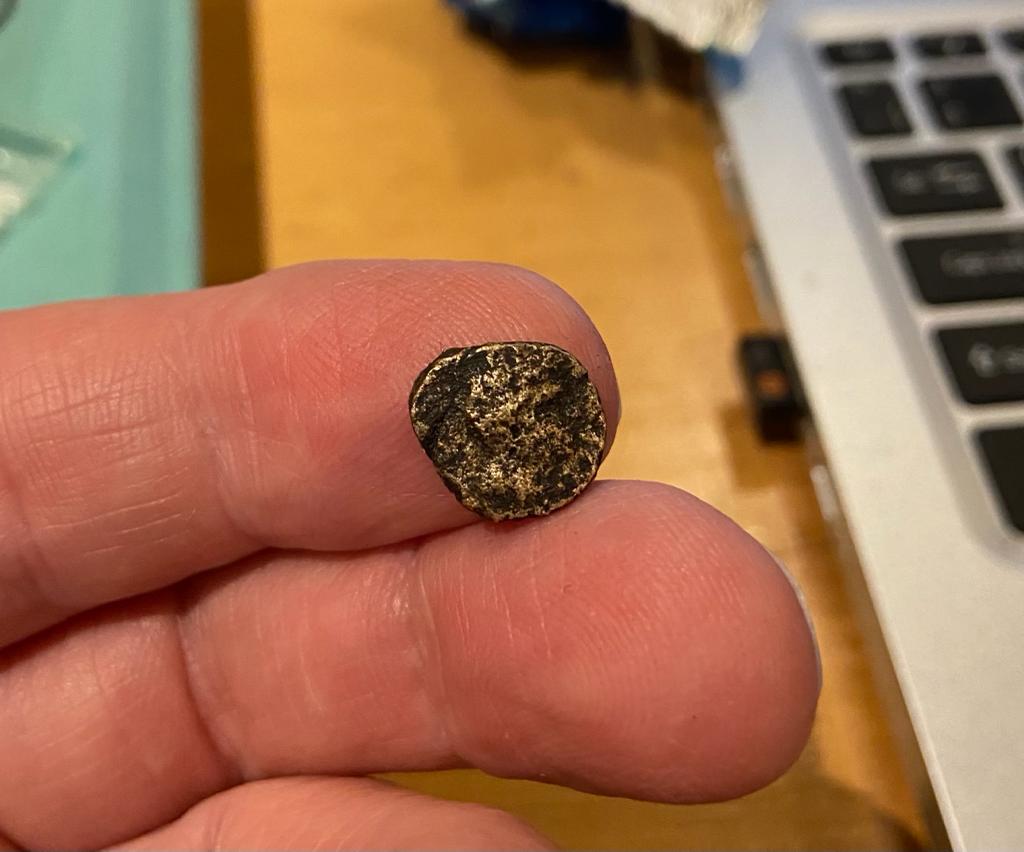
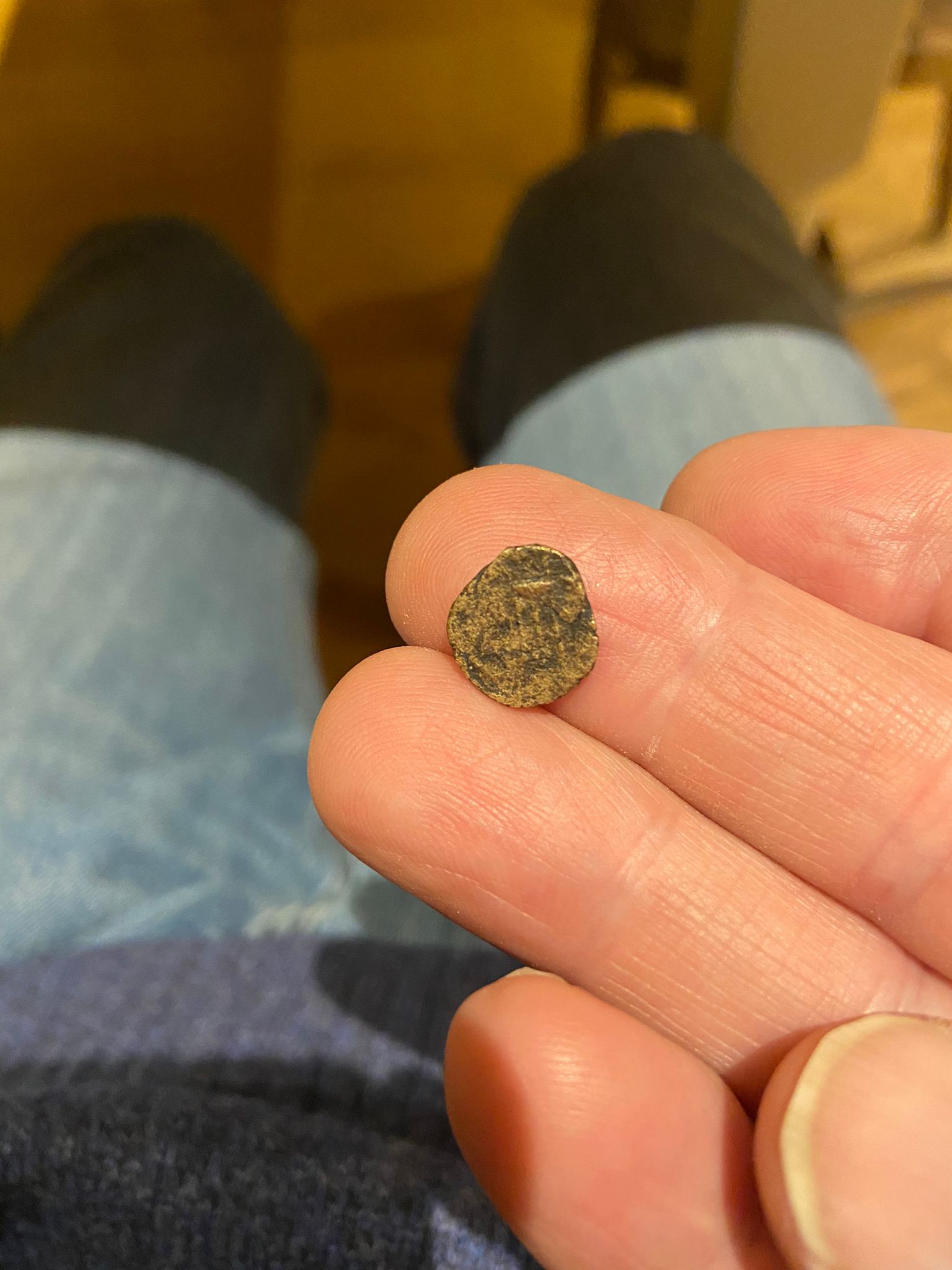
That being said, I don't know of any ancient Greek bronze coinage that would be considered "orichalcum". I'd be a little worried that they might actually be modern brass replicas. True ancient orichalcum no longer looks "brassy" today; it usually has a blackish-brown patina, quite different from the greenish patina of copper and bronze.
Don't say "infinitely" when you mean "very"; otherwise, you'll have no word left when you want to talk about something really infinite. - C. S. Lewis







 Posted 07/28/2022 12:19 pm