| Author |
 Replies: 16 / Views: 2,525 Replies: 16 / Views: 2,525 |
|
Pillar of the Community
United States
2111 Posts |
"LOVE THE HUNT!"
|
|
|
|
Moderator
 United States
34554 Posts |
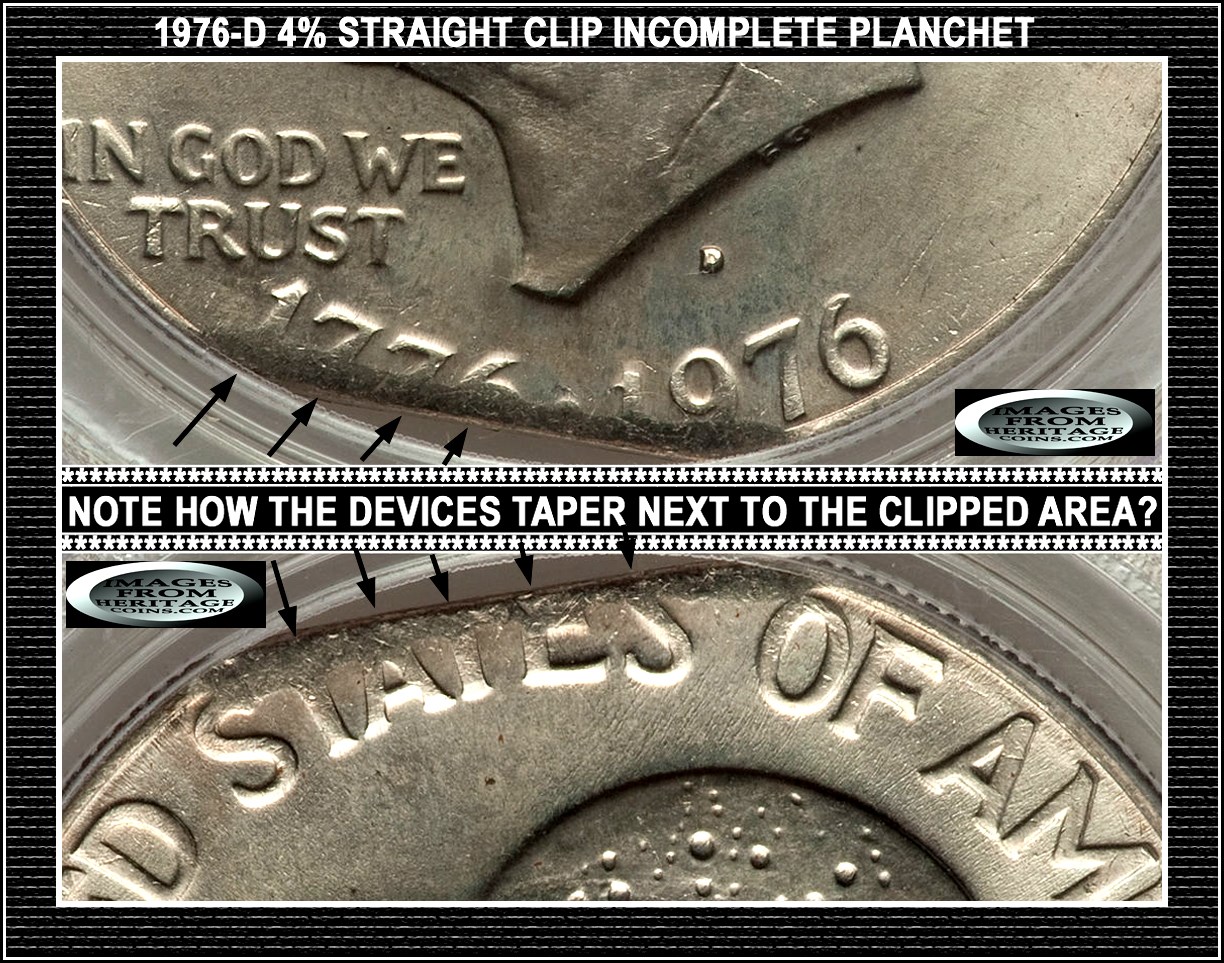
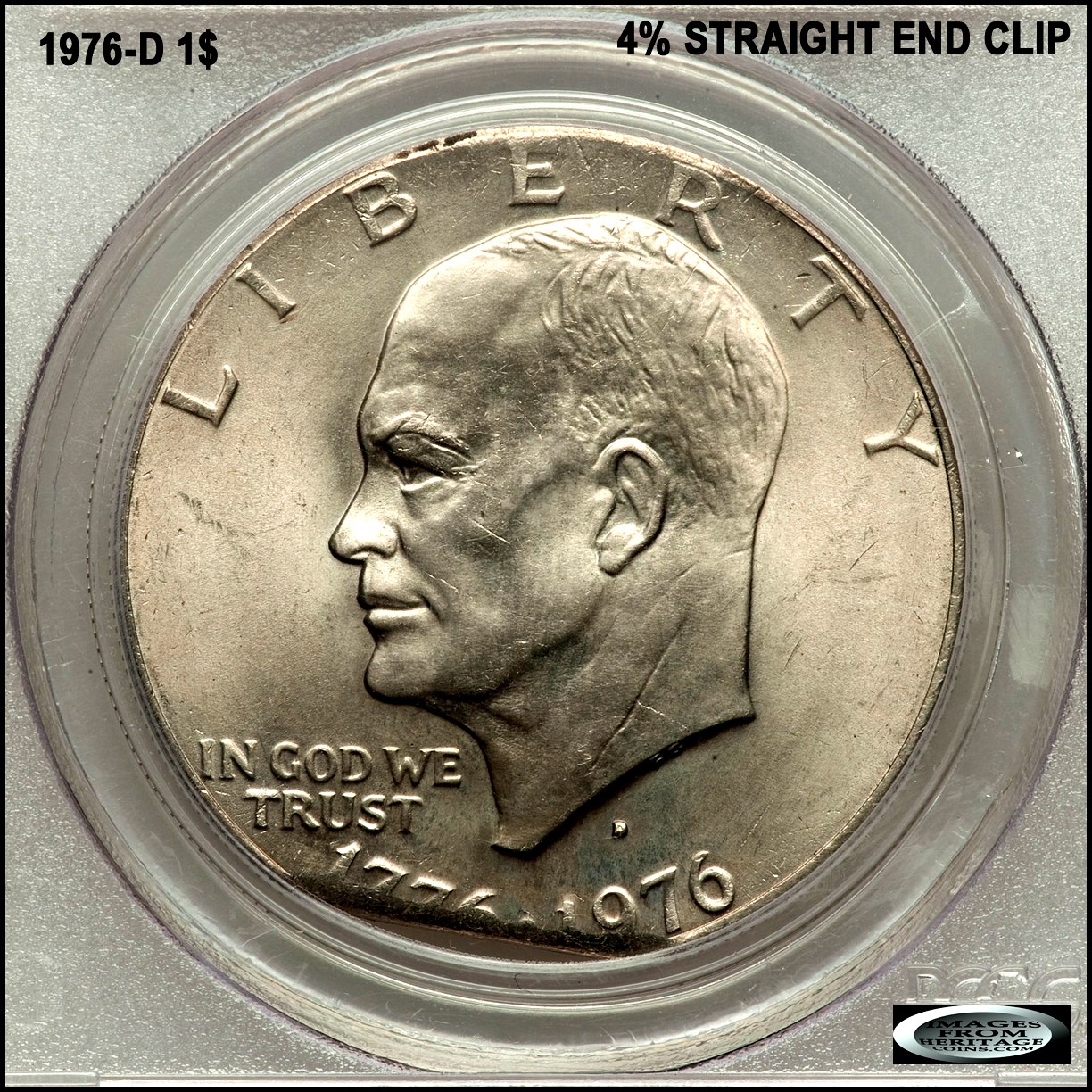
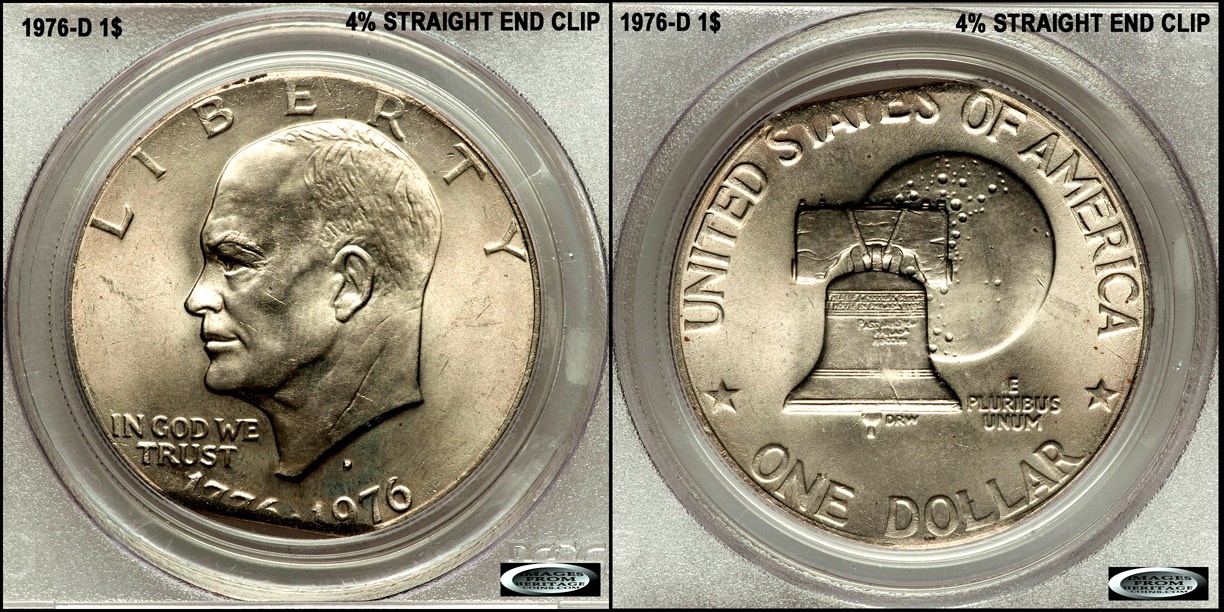
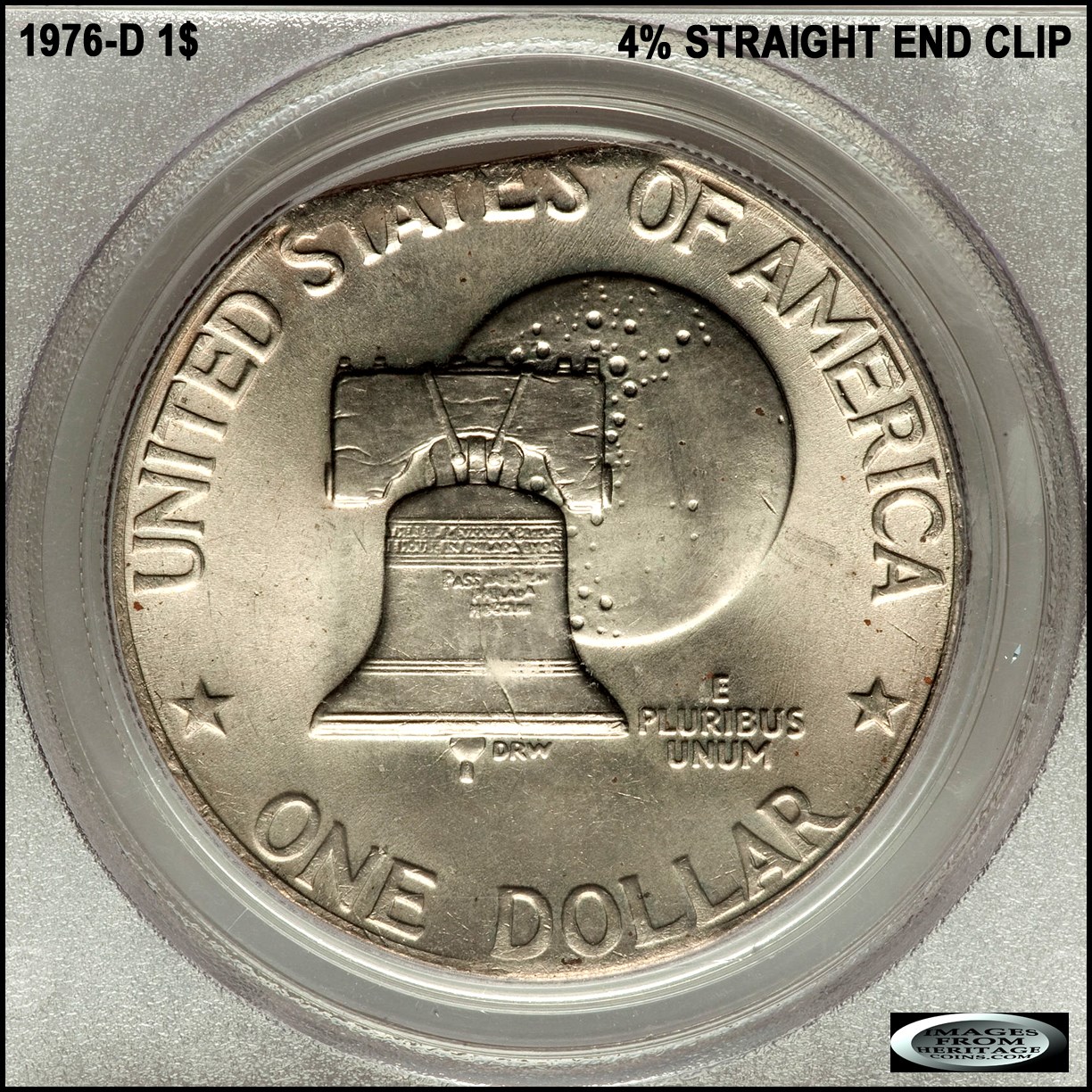
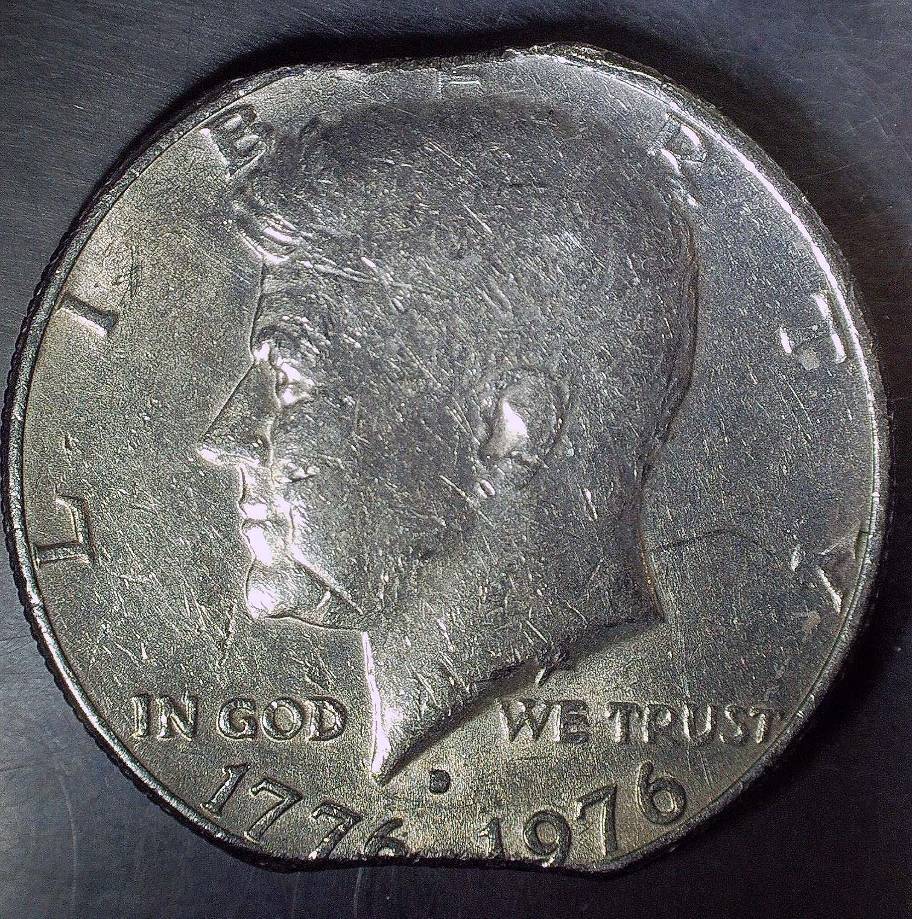
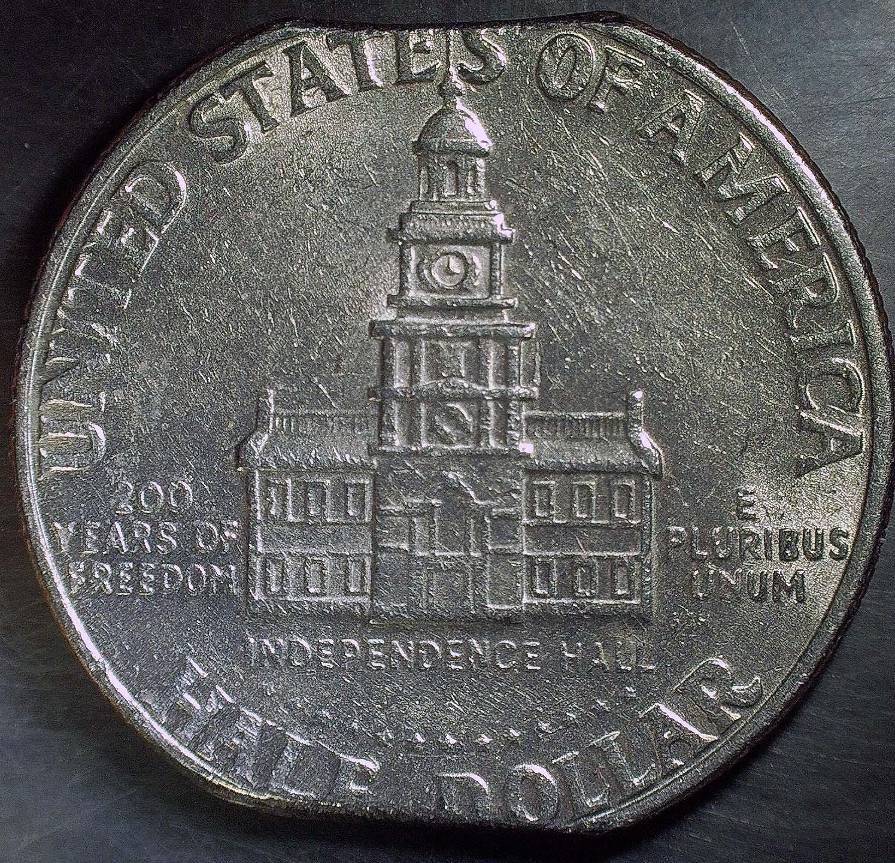
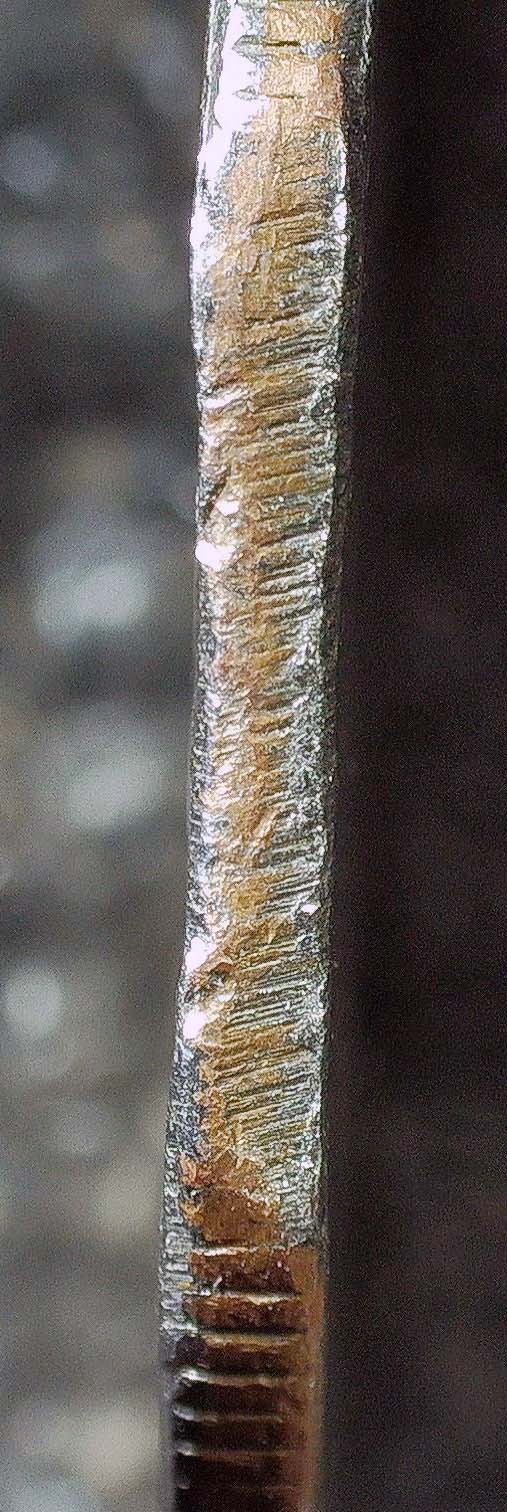
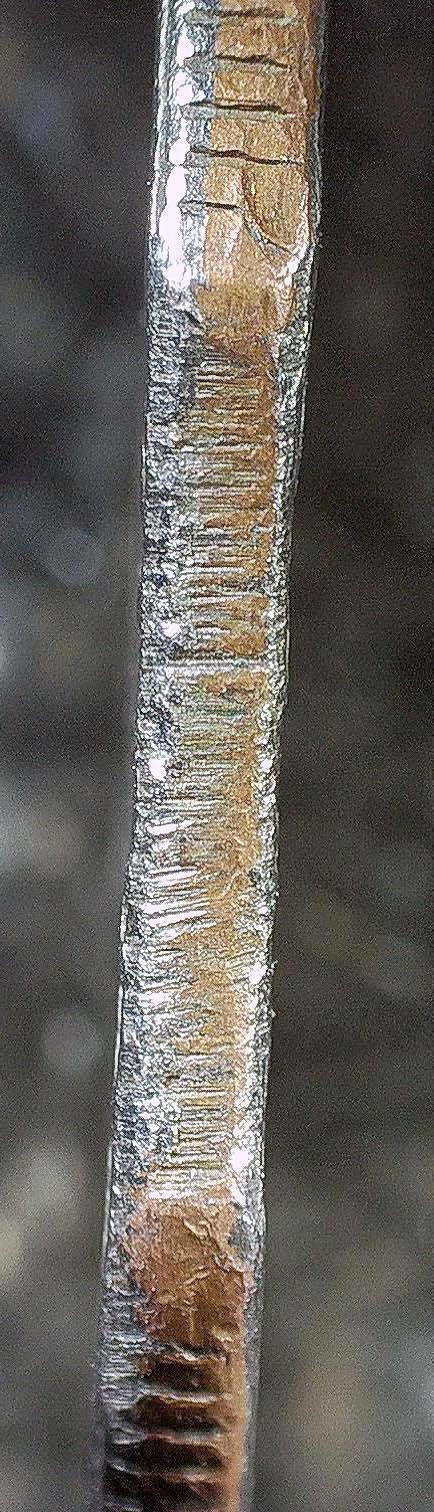
I think that you are right that this is not a mint error. It looks to me like someone used a metal file to remove material from opposite sides of the coin, thus eliminating the Blakesley Effect from the discussion.
"If you climb a good tree, you get a push."
-----Ghanaian proverb
"The danger we all now face is distinguishing between what is authentic and what is performed."
-----King Adz
|
|
Pillar of the Community
United States
7592 Posts |
I agree, not a mint error.
|
|
Bedrock of the Community
United States
62064 Posts |
Edited by coop
07/31/2022 12:46 pm
|
|
Moderator
United States
107255 Posts |
|
|
Pillar of the Community
Canada
6244 Posts |
Me I have maybe other opinions. The question here it is why we have Ni on the side of the cuts? If you filed, will be no NI spread on sides, and here we can see. The JFK was cut 12 at a time and the cutters (I will say this) are changed every 2000 strikes. I see more cut with aged cutters before change. Due to use they (cutters) will cut , but push down the face material.
The effect on opposite sides of the coins could not be see. The Cooper I see has normal texture for a cooper cut, not file.
See for others opinions against my theorem.
|
|
Pillar of the Community
 United States
2111 Posts |
Silviosi, Can you explain what you mean by Ni on the side of the cut? I haven't seen many clipped cuts to know if cut is smooth or rough. Do you have any photos of coins that the cuts appear grinded or really rough like this one.
"LOVE THE HUNT!"
|
|
Pillar of the Community
Canada
6244 Posts |
ARBY, on your coin I see Nickel on the side of the coin. Try any scrap clad coin and file the side and you will see that after you will see the line of the clad (very tinny) and the rest is Cooper. The clad on JFK is .02 max mm.
On your case I see the clad who was push down by a mechanical intervention and IMO was before the milling, the signs are there. Intentional damage will be never able to do this. Look at the borders of cut, the milling push and intermix with the normal diameter cut.
If you file or cut the coin after strike, the side had the signs of cutting and the Ni is never push down on side. This it is the metalurgical effects on metals.
Other thing. Look at the texture of the cooper. If was cut after strike will have traces. In your case is very smooth. Reason, after cut blanc pass in annealing and milling.
Hope help you.
Sorry I analyze the coins, and do not collect photos if it is not design varieties, I take and send to the owners then delete.
Edited by silviosi
08/01/2022 3:46 pm
|
|
Pillar of the Community
United States
7592 Posts |
|
|
Pillar of the Community
Canada
6244 Posts |
He, He, He, CHASE, you are funny LOL, hehehe. What you do ? clean pellicular from head skin?
|
|
Moderator
United States
34554 Posts |
Quote:
The clad on JFK is .02 max mm. @sil, if I understand your statement correctly, then you are saying that for these half dollars, the clad layer is at most 0.02 mm on the obverse and 0.02 mm on the reverse, which would leave about 2.11 mm for the copper core. I'm having a hard time believing this, so can you please provide a reference for that maximum thickness? For reference, I found this paper ("Shell thickness of the copper-clad cent" by Clarence H. Vanselow and Sherri R. Forrester), which estimates the copper plating on modern cents to be 0.01 mm, or about half as much as you are stating for the half dollars. I understand that in one case there is relatively copper on the outside and in the other it is a nickel-copper alloy, but I still think your values must be off by an order of magnitude or more. I look forward to learning more and hope that @arby doesn't mind me hijacking this thread a bit. Thx. Added: Here is a link to a CCF thread that states the cladding on a dime to be 180 microns, which is a little less than 0.2 mm. http://goccf.com/t/343161"If you climb a good tree, you get a push."
-----Ghanaian proverb
"The danger we all now face is distinguishing between what is authentic and what is performed."
-----King Adz
|
|
Pillar of the Community
Canada
6244 Posts |
Ok SPENCE: The maximum accepted by the Mint for clad is 0.02mm (0.01mm is the best they want). This was stipulated in 1980 Director Mint Report after many consultations and a few resources companies made a study. The 0.02 mm is the maximum. Me always I take in consideration the maximum.
When you say 180 microns is in accepted parameters of the Mint. Look, even if the subcontractors for Rolls use Hight technology for rolling, do not mean they will use space aeronautics specs. We discuss about coins, not high security devices.
In fact the best for cladding will be 140-150 microns. Some clad roll is and also some parts of not. This it is also a reason why the coins have different weight also. It is not an error it is normal inside the determinate acceptable parameters.
with pleasure I will answer to others questions.
PS. SPENCE, I do not think you still the treat. You just help the OP and the member here to understand and know more. IMO you do good job.
|
|
Moderator
United States
34554 Posts |
Ok thx for the reply and helping us learn. I get it that the mint isn't making spaceships, but using 0.02 mm as your specification but then accepting 0.2 mm seems like bad engineering to me.
"If you climb a good tree, you get a push."
-----Ghanaian proverb
"The danger we all now face is distinguishing between what is authentic and what is performed."
-----King Adz
|
|
Pillar of the Community
Canada
6244 Posts |
Money talks SPENCE, look at the last UN sets coins, worst then buy a roll or bag. The profit is the First on line. Damage.
|
|
Pillar of the Community
United States
2111 Posts |
Silviosi, First thanks for all the information, I was wondering is there a determination whether this coin is an error or PMD? "LOVE THE HUNT!"
|
|
Pillar of the Community
United States
797 Posts |
I agree, this coin is post mint damaged.
|
| |
Replies: 16 / Views: 2,525 |









 Posted 07/31/2022 11:59 am