| Author |
 Replies: 5,946 / Views: 249,689 Replies: 5,946 / Views: 249,689 |
|
|
|
Pillar of the Community
 Sweden
2124 Posts |
Those Sigismunds are so nice!  About Klippe/Klipping coins: Quote:
does that mean Sweden was the first place to use this technique? Probably not. I have seen antique coins that seem to have been made by clipping, but they were probably called something else. The term seems to come into use around 1518, when Christian II, then king of Denmark, Norway and Sweden, began minting large amounts of emergency coins in the form of Klippes. The Swedes, at least, called these Klipping, whether the Danes did so too I don't know. Anyhow, the Swedish rebel leader Gustav Vasa (who became king of Sweden in 1523) began minting his own Klipping coins shortly thereafter. Now back to the round coins! France 1621, double tournois, Louis XIII, Paris (A). 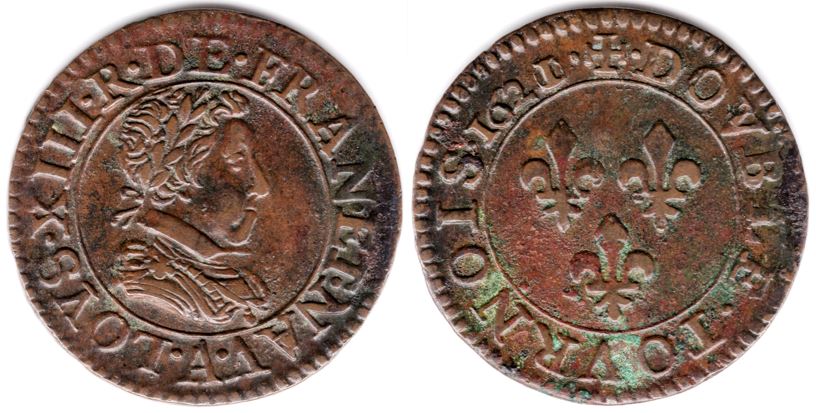 |
|
Pillar of the Community
United States
8056 Posts |
A silver (at least partially  ) 2 denar coin of the Polish-Lithuanian Commonwealth from 1620: 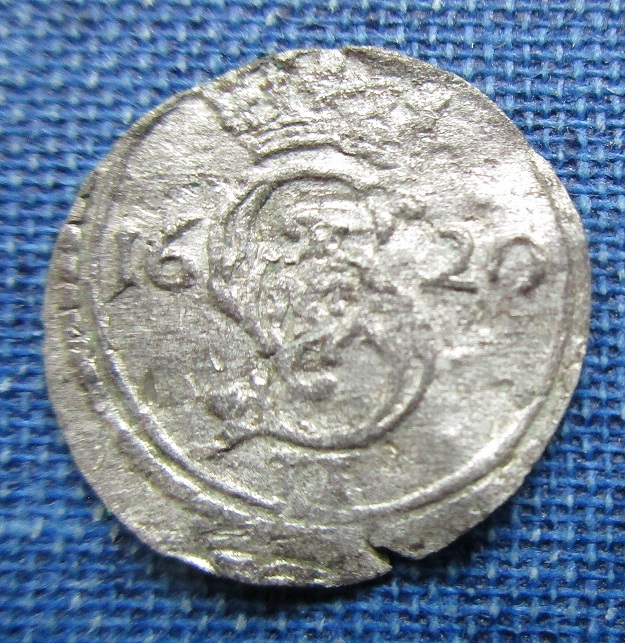 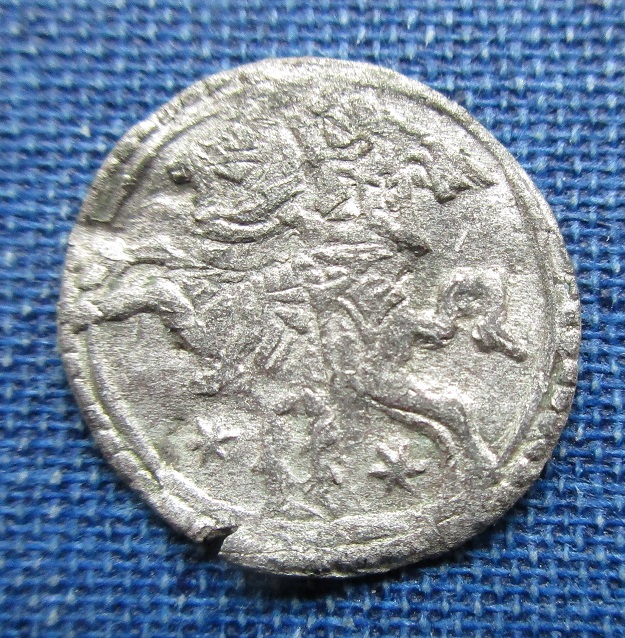 |
|
Moderator
 United States
34562 Posts |
This schilling/solidus was minted at Riga and is dated (16)20 AD: 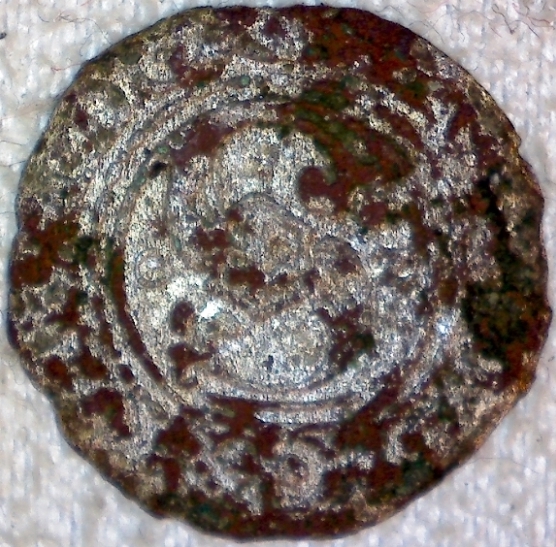 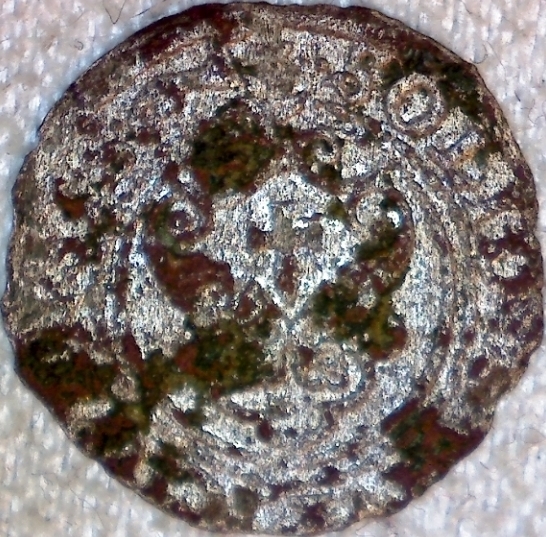 Not bad for a purchase price of $0.57! "If you climb a good tree, you get a push."
-----Ghanaian proverb
"The danger we all now face is distinguishing between what is authentic and what is performed."
-----King Adz
|
|
Pillar of the Community
Belgium
1185 Posts |
good deal Spence  1620 Half Rijksdaalder Friesland Delm. 959 as I mentioned before, the half daalders are more difficult to find than the whole ones, at least in the 17th and 16th century low countries 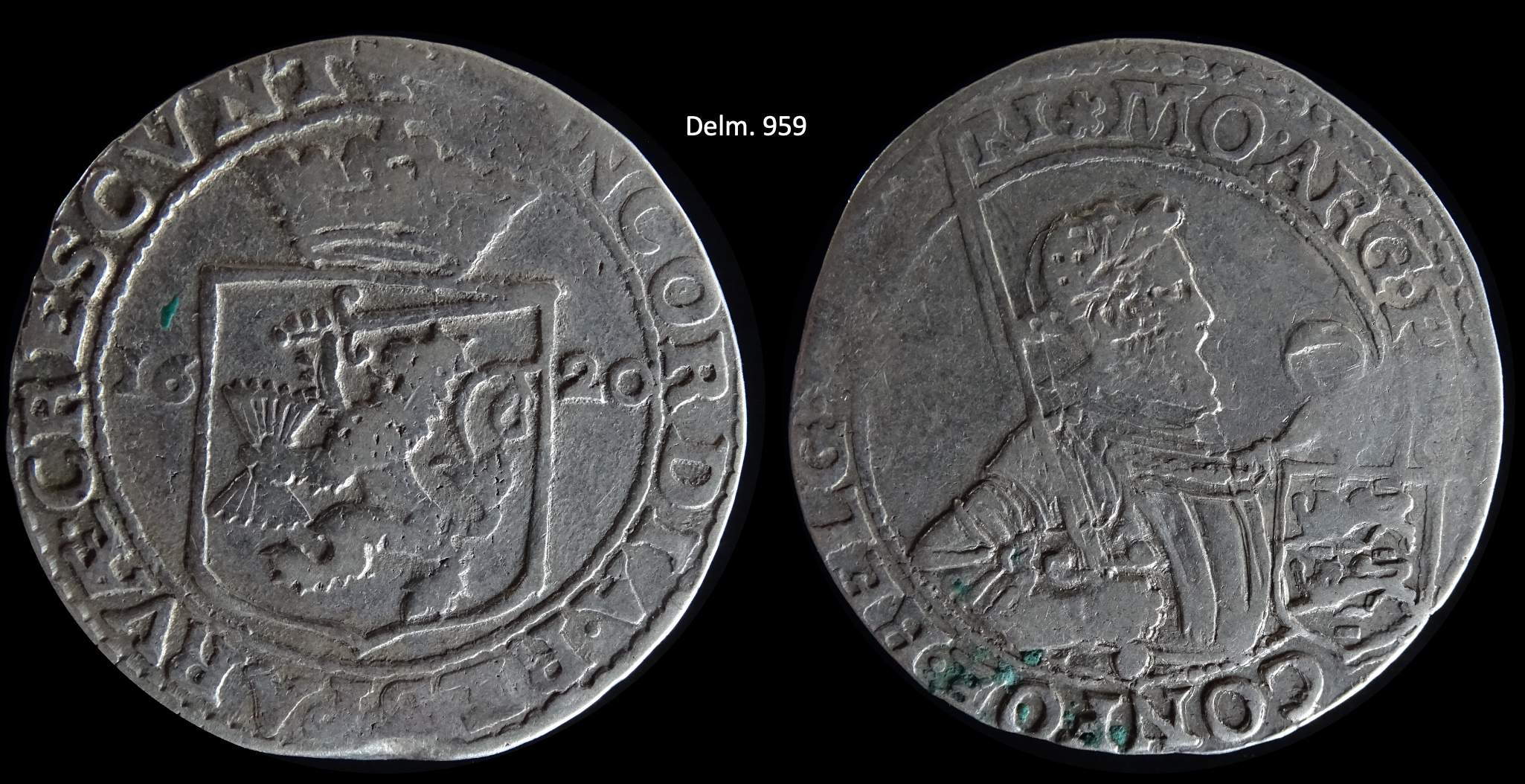 |
|
Moderator
 United States
196278 Posts |
Looking good, everyone!  |
|
Moderator
United States
34562 Posts |
Agreed @jbuck! Here is my other coin for 1620, another 3 Polker minted in Bydgoszcz: 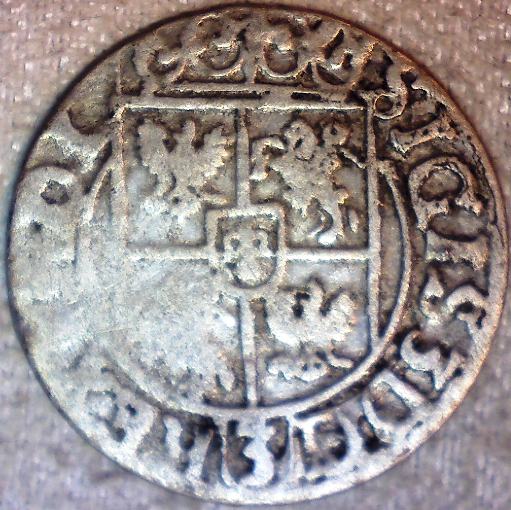 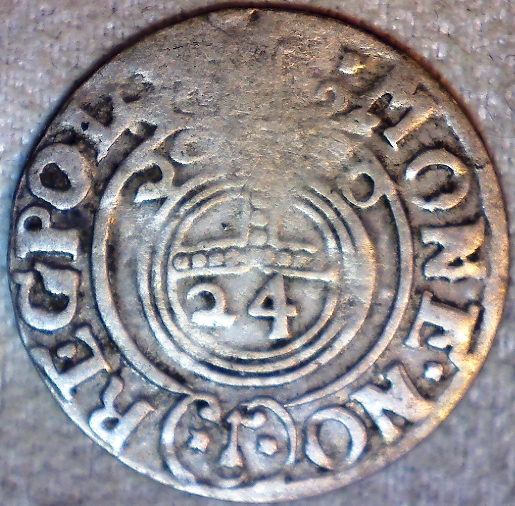 "If you climb a good tree, you get a push."
-----Ghanaian proverb
"The danger we all now face is distinguishing between what is authentic and what is performed."
-----King Adz
|
|
Pillar of the Community
Belgium
1185 Posts |
1619 ducaton (Delm.248) and half ducaton (Delm.252) from the Southern Netherlands the design is among the best of the large silver pieces from the low countries OBV shows the Archdukes Albert and Isabelle, REV the Habsburg coat of arms held by lions Antwerp mint (hand) the coins symbolize a relatively calm and prosperous period during the last years of the 12 year from the 12-year truce with the Northern Netherlands 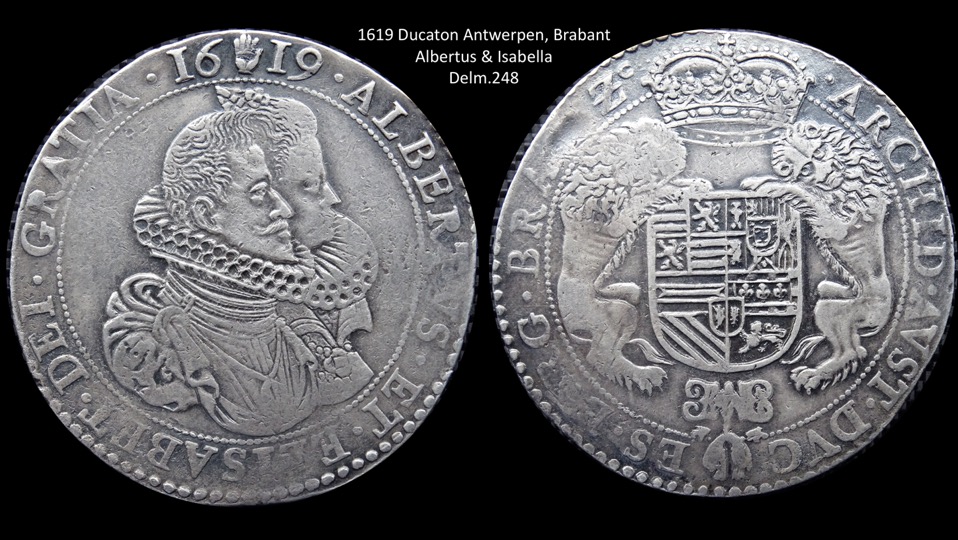 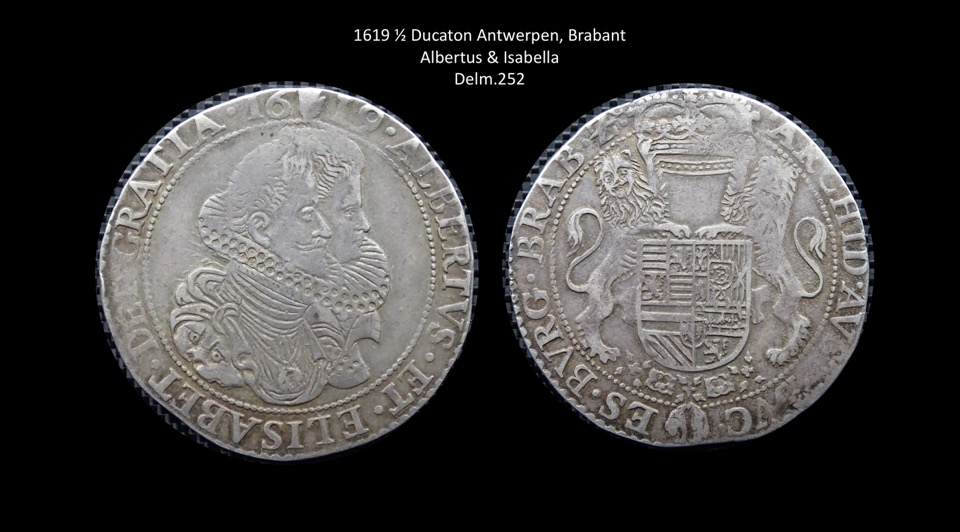 |
|
Moderator
United States
34562 Posts |
Quote:
the design is among the best of the large silver pieces from the low countries I agree 100% Here is a Quattrino from the Papal City State of Bolgna: 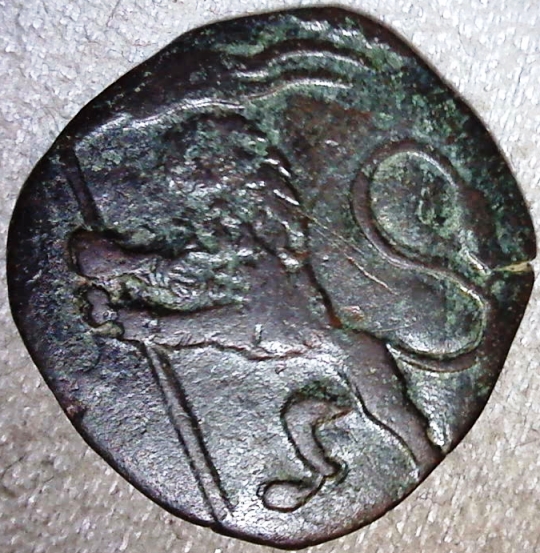 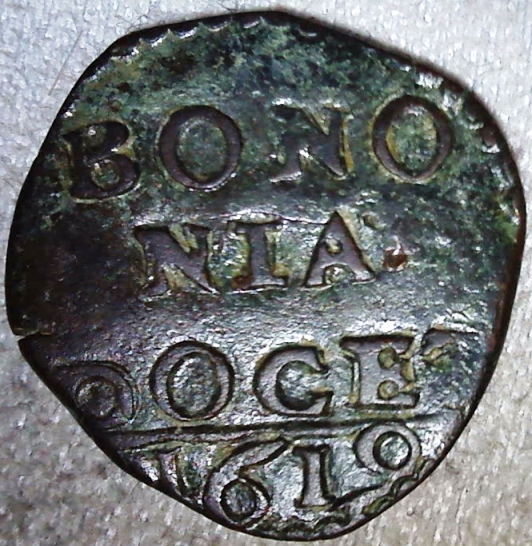 "If you climb a good tree, you get a push."
-----Ghanaian proverb
"The danger we all now face is distinguishing between what is authentic and what is performed."
-----King Adz
|
|
Pillar of the Community
United States
8056 Posts |
I love those Albert & Isabella coins. It looks like one collar around the couple. For 1619 I've got a nicer Polish trojak (3 groschen) than my last one: 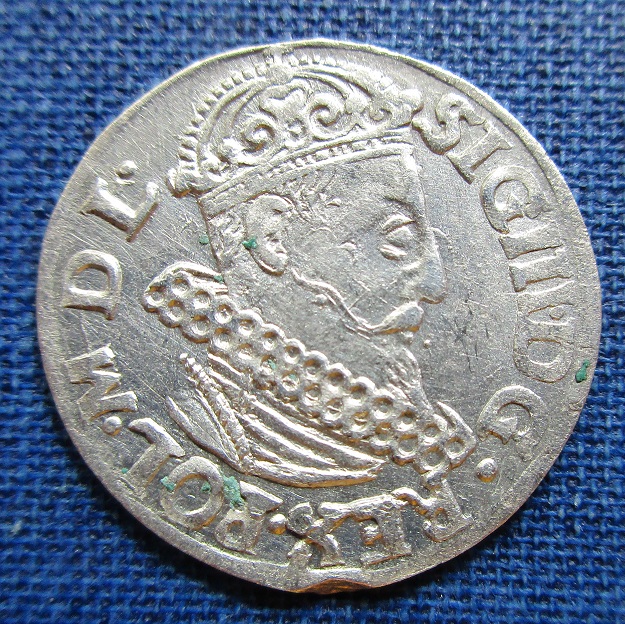 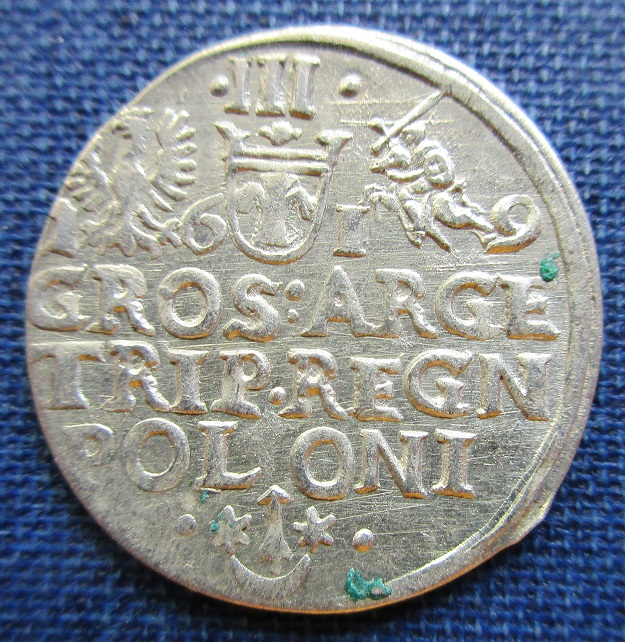 Edited by tdziemia
10/13/2023 05:10 am
|
|
Pillar of the Community
United States
8056 Posts |
I have the 1618 edition of one of 1c5d's coins from yesterday (but not quite up to the exceptional quality of his portraits!): 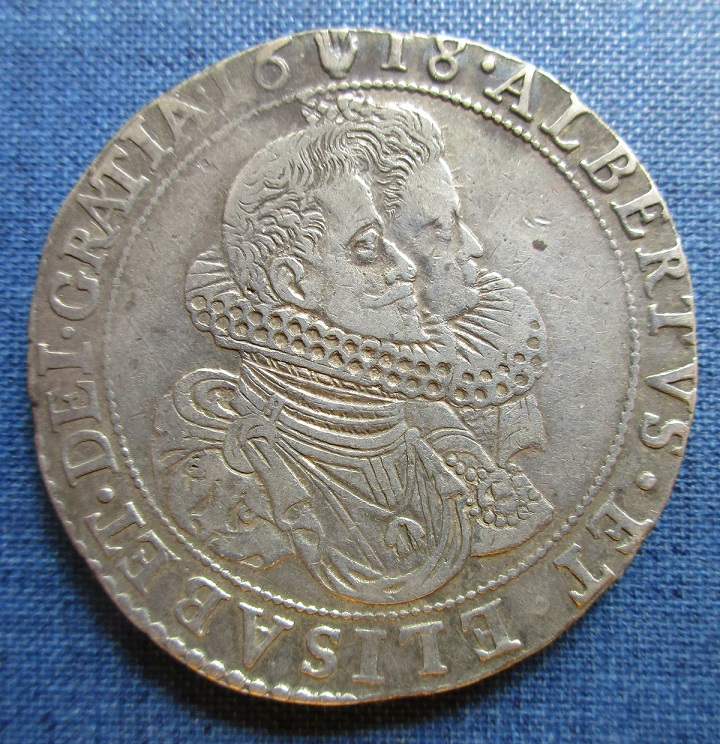 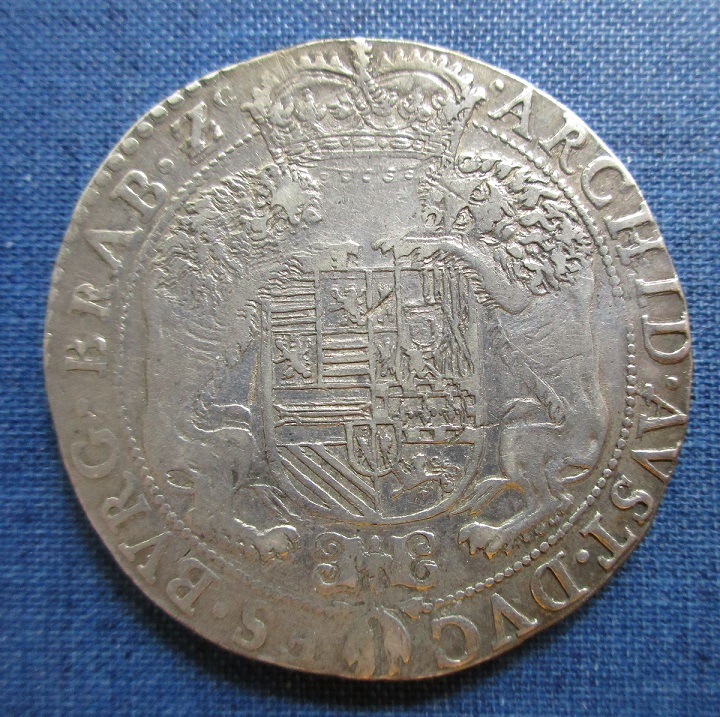 Edited by tdziemia
10/13/2023 05:12 am
|
|
Pillar of the Community
Belgium
1185 Posts |
also a very nice piece, Tdziemia !
1618 was the first year that ducatons were produced in the Southern Netherlands (province of Brabant, Antwerp and Brussels mints)
with 32,5 grammes and silver grade of 944/1000 it was the heaviest silver piece ever produced as money in the Low Countries; its value was 63 stuivers (3,15 guilders)
a few decades later, the Northern Nederlands would start to produce their own ducatons (also called silver riders, because of the knight on horseback; we have seen examples the past months in this thread)
unlike the Dutch silver rider (used in the VOC trade) the Brabant ducaton did not make it as an international trade coin, the lighter Patagon (24,65 g pure zilver, it had a value of 48 stuivers or 2,4 guilders) was much more succesful especially in trade in the Baltic sea
Edited by 1c5d7n5m
10/13/2023 08:31 am
|
|
Moderator
United States
34562 Posts |
Here is a 1/24 Thaler from the German Principality of Anhalt dated 1618 AD: 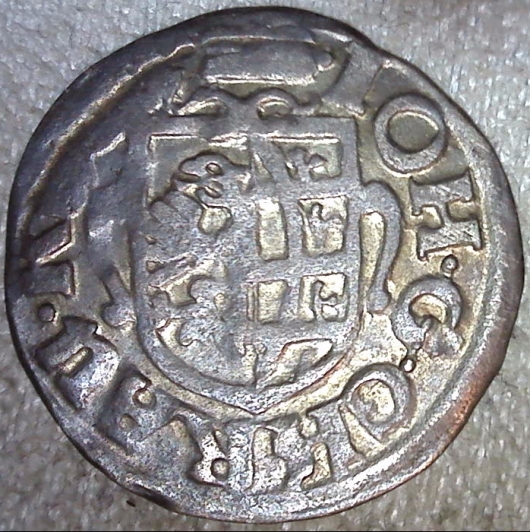 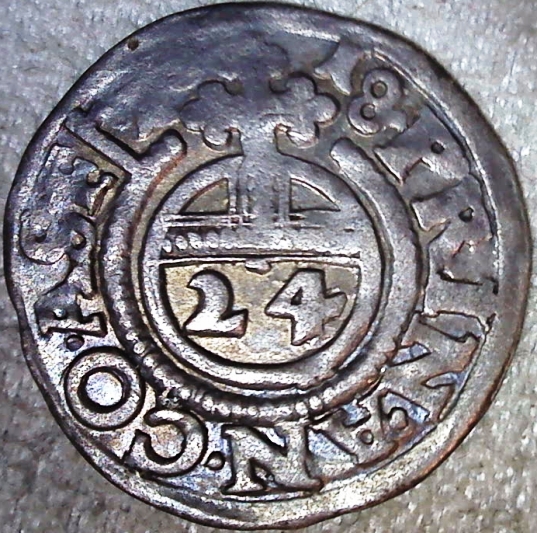 "If you climb a good tree, you get a push."
-----Ghanaian proverb
"The danger we all now face is distinguishing between what is authentic and what is performed."
-----King Adz
|
|
Pillar of the Community
United States
8056 Posts |
Quote:
the Brabant ducaton did not make it as an international trade coin, the lighter Patagon (24,65 g pure zilver, it had a value of 48 stuivers or 2,4 guilders) was much more succesful especially in trade in the Baltic sea . Major Polish auction houses will have patagons and fractions in their larger auctions. I have bought a few from those sources. So, while we are on the Baltic  for 1618 I also have another 1/4 thaler of Sigismund, but an earlier bust where he wears a flat collar. The coin unfortunately was polished, but otherwise attractive: 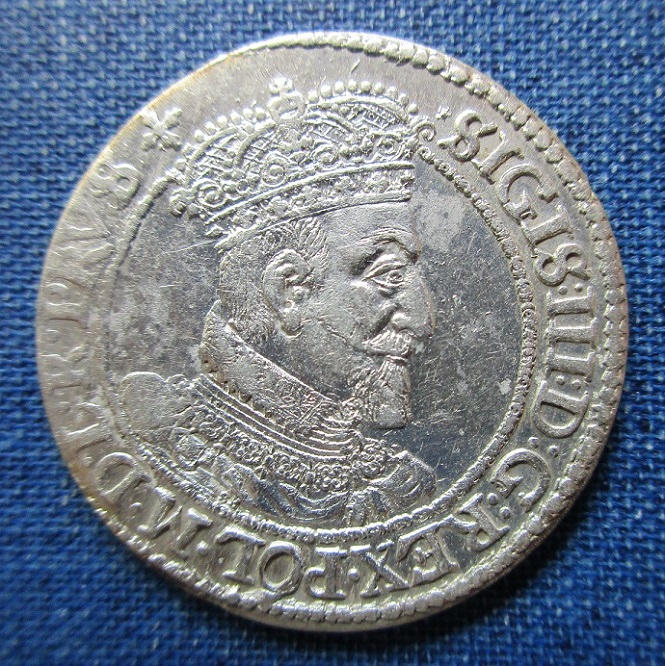 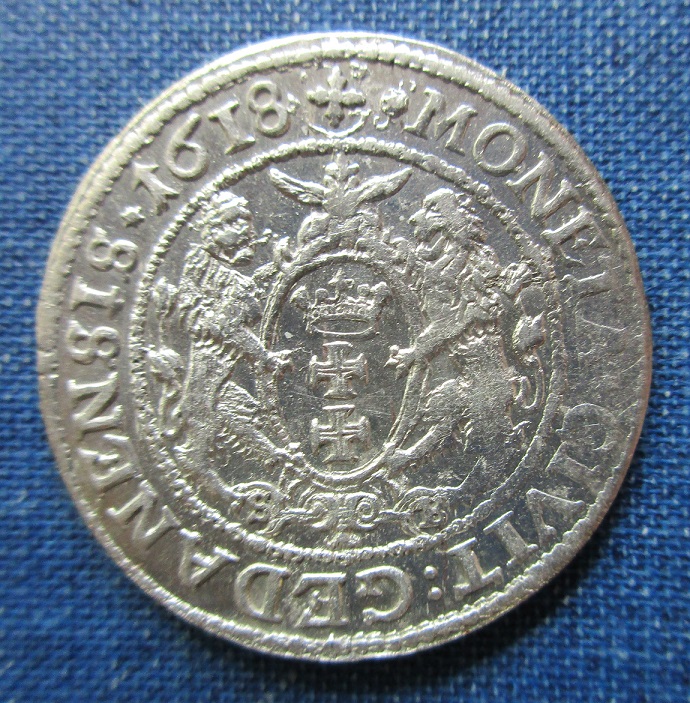 |
|
Pillar of the Community
United States
6879 Posts |
1617 Netherlands (region of West Friesland) 1 Daalder "Lion Daalder" 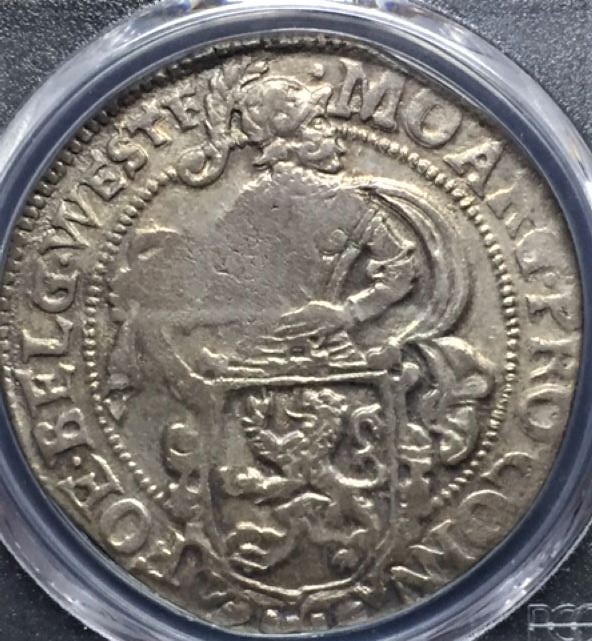 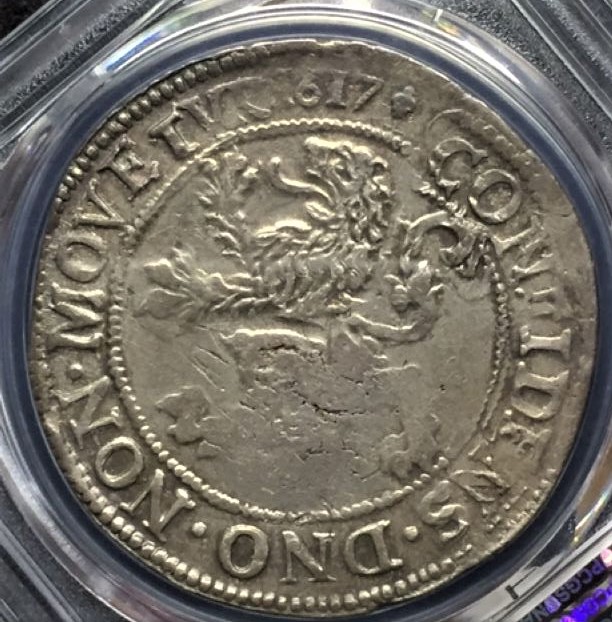 |
|
Pillar of the Community
Belgium
1185 Posts |
@Keith12, nice piece, the lion's head is very sharp The leeuwendaalder (lion dollar) is one of my favorites with a fascinating history. They were the first international Trade dollar, large silver piece. I'll show examples of the earliest dates (1575/1576) when they were produced to raise an income to support the Dutch revolt against Spain. @Tdziemia indeed, I also purchased a 1/4 patagon piece in a Polish auction this piece from 1617 is from the 's Hertogenbosch mint (Delm.270, mintmark tree - at 12h in legend of REV) when compared to Antwerp, Brussels and Maastricht, the 's Hertogenbosch mint had a low level of production and restricted during the reign of Albert & Isabella, so these coins are difficult to find 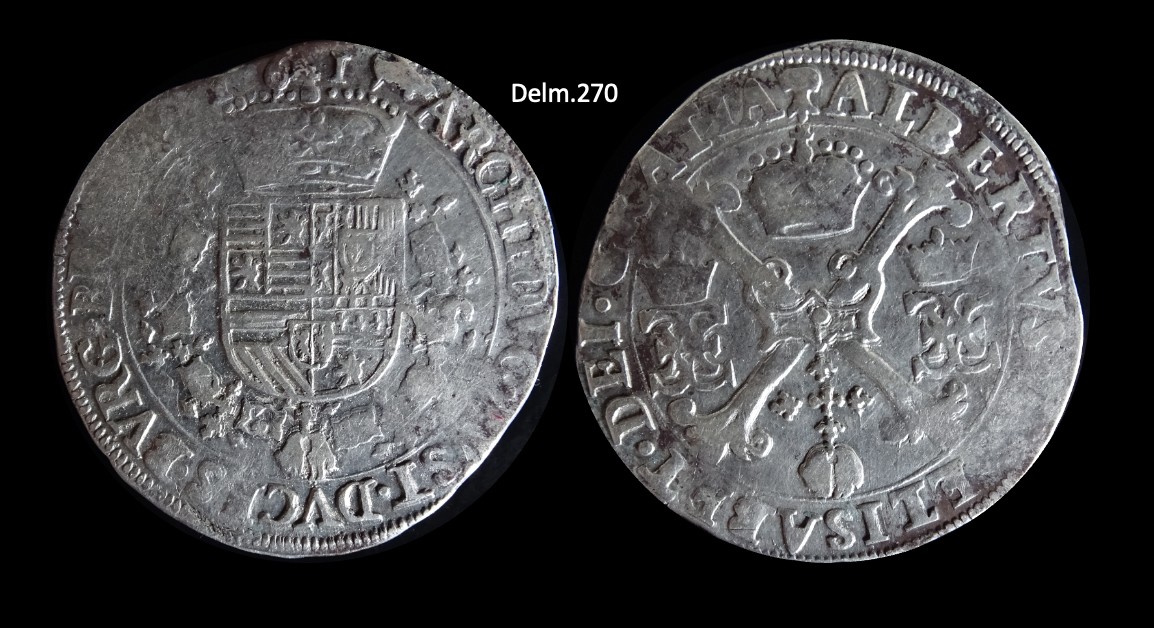 Edited by 1c5d7n5m
10/14/2023 04:24 am
|
| |
Replies: 5,946 / Views: 249,689 |






 First Page
 Previous Page


 Posted 10/11/2023 02:20 am





