| Author |
 Replies: 5,946 / Views: 249,660 Replies: 5,946 / Views: 249,660 |
|
|
|
Moderator
 United States
34562 Posts |
In light of the winter storms, I'm bringing us up to Sweden today. This Half Öre was minted in 1570 AD:   "If you climb a good tree, you get a push."
-----Ghanaian proverb
"The danger we all now face is distinguishing between what is authentic and what is performed."
-----King Adz
|
|
Pillar of the Community
 Sweden
2124 Posts |
Quote:
finally for this year, my rarest coin (R4 probably) with a Holland counterstamp of the Dutch rebels: a half thaler from the city of Cologne dated 1570 Very interesting coin! Quote:
This Half Öre was minted in 1570 AD  |
|
Pillar of the Community
Belgium
1185 Posts |
thanks tdziemia and erafjel Quote:
I understand it is the countermark that makes it rare it is the combination: the half thaler is R2 (like all thalers from the 16th century, the halfs are rare) perhaps only two of those are counterstamped so R4 is the most likely rarity factor (2-4 pieces known) |
|
Pillar of the Community
Belgium
1185 Posts |
1569 When compared to the second (1571) and third revolts (1576) it is clear that there is much less numismatic material available that connects to the first revolt against Spain (1566-1570). The rebels which were also known as geuzen / geux were of course less organized in the beginning of the revolt and means to make jetons and coins were not yet available at that moment. There are, however memories to the suppression of rebel actions. Below is an example: a jeton that mentions opposition of the city of Utrecht to the plan of the duke of Alva to levy the tenth penny (10% taxes on all sales, including clothes, food and beer, a bit like our current VAT). The states of the Netherlands were much opposed to this tax which Alva had proposed to install. Interesting detail is the mention of the beggars (geux) on the reverse side of the jeton. 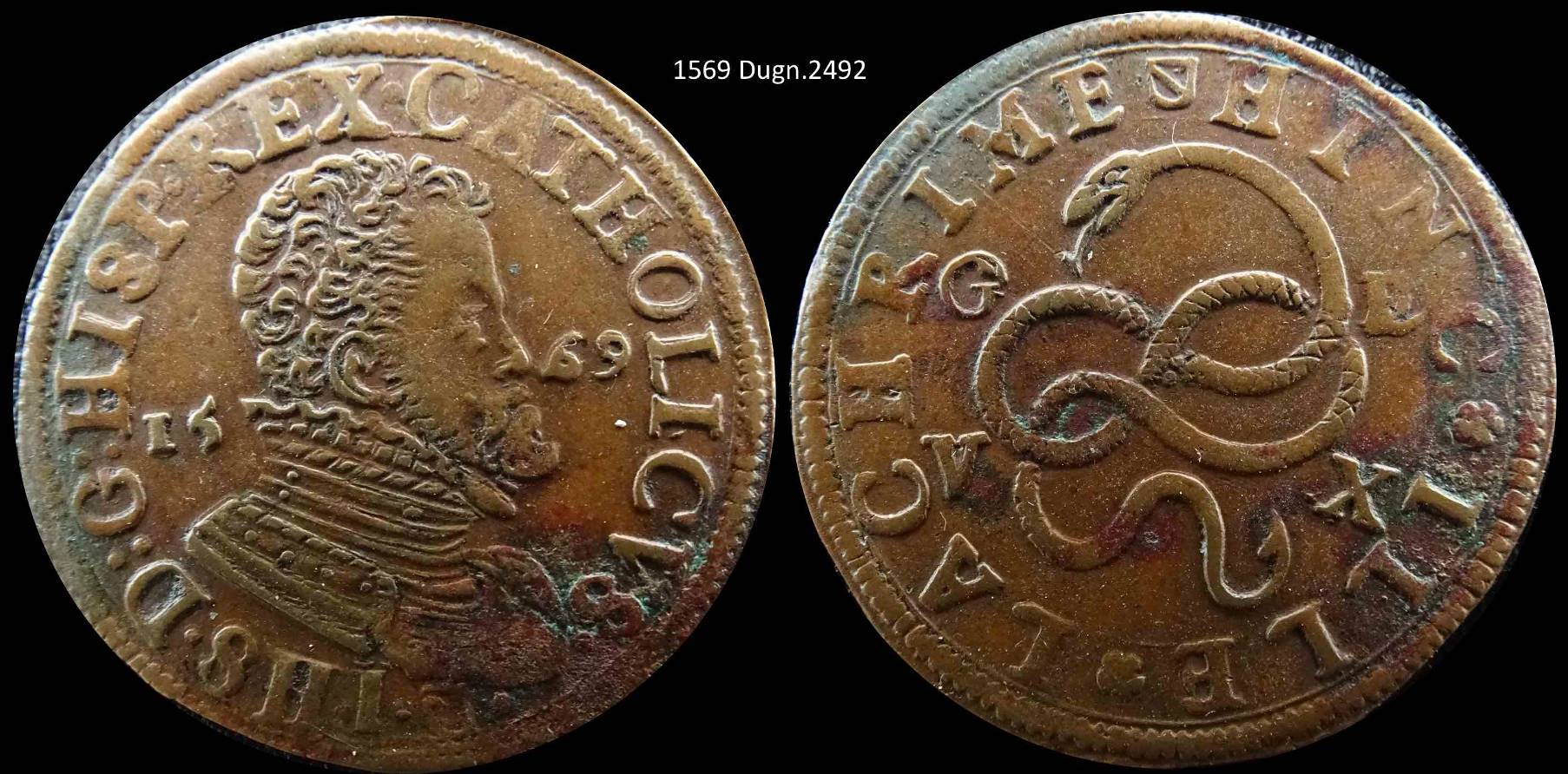 Dugniolle 2492 Utrecht 'Punishment of Alva of the citizens of Utrecht who opposed against the tenth penny' OBV Portrait of Philippe II PHS D G HISP REX CATHOLCVS Kz Coiling snake between the letters G, E, V and X (GEUX = beggars) HINC ILLE LACHRIME (this explains the tears) Utrecht had to pay, like the other states. The deal that was concluded was a yearly tax of two million guilders to avoid the implementation of the tenth penny. Perhaps this half Bourgondische Kruisdaalder (demi ecu de Bourgogne) of the province of Utrecht may have served to pay the taxes. 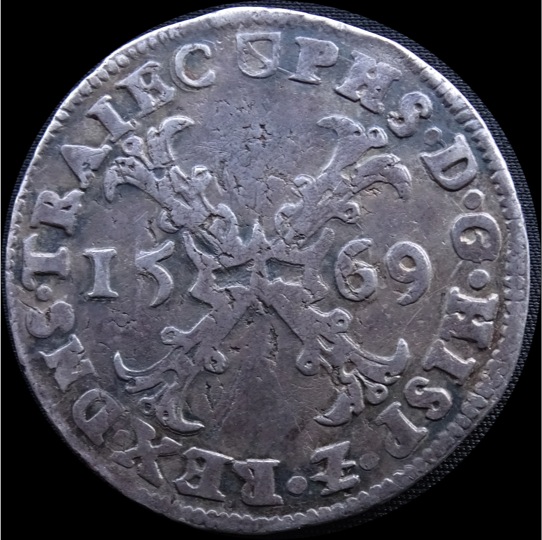 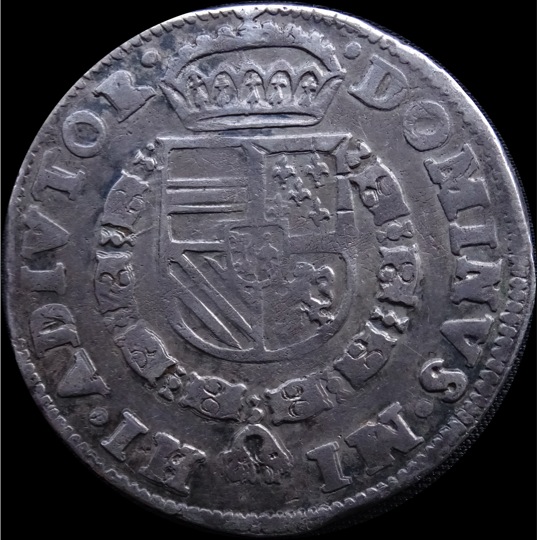 finally a daalder from Cambrai in the most Southern part of the nineteen provinces of the Netherlands. 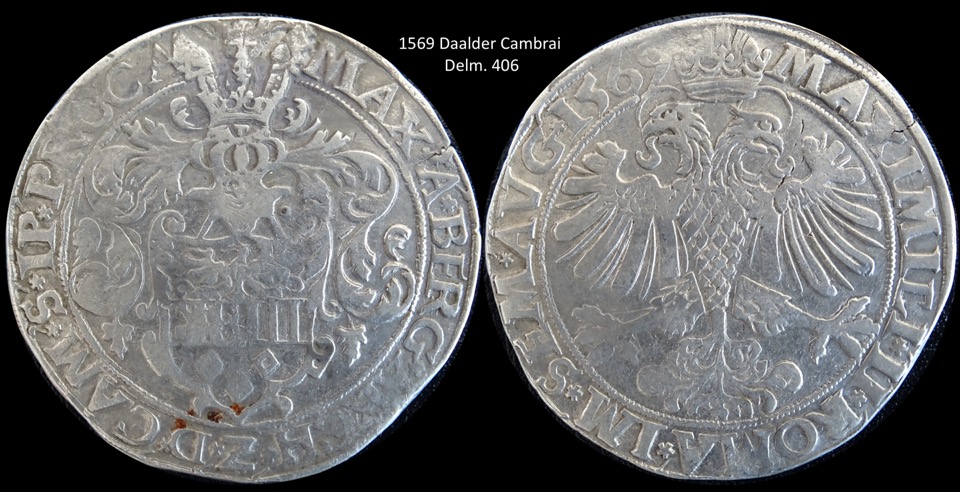 |
|
Moderator
 United States
196234 Posts |
We are now 400 years before I was born. Lovely examples! |
|
Pillar of the Community
United States
8056 Posts |
A 1569 4 groat coin from the Polish-Lithuanian Commonwealth with Sigismund Augustus featuring the latest Baltic beard style (kinda hipsterish) 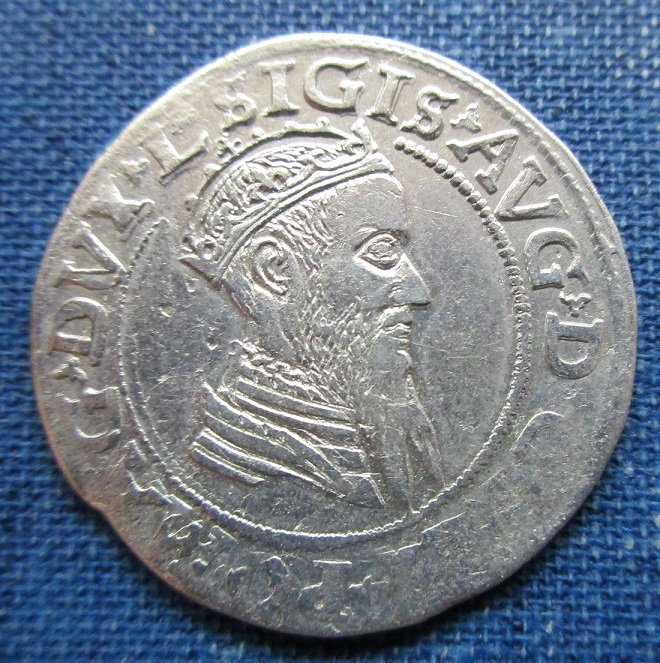 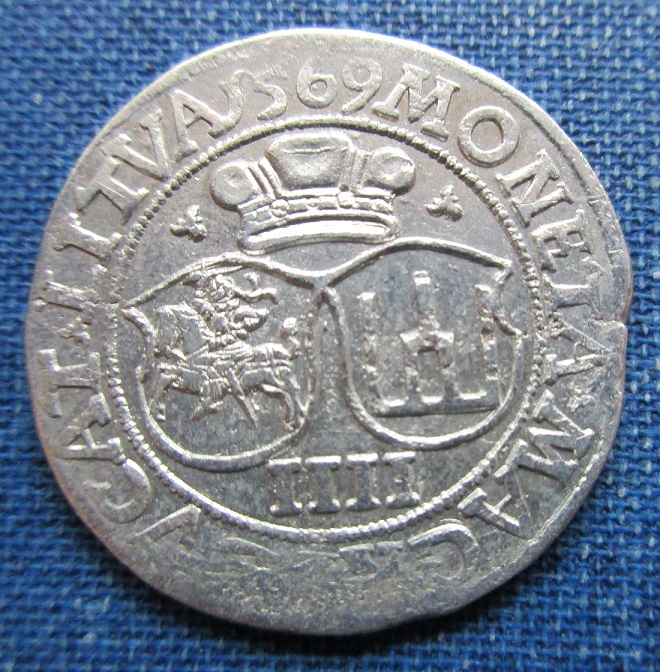 |
|
Moderator
United States
34562 Posts |
Despite the darker toning, this is a brother to @tdz's coin: 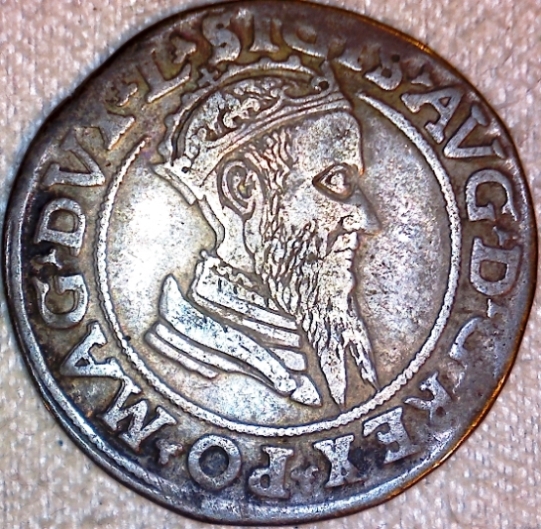 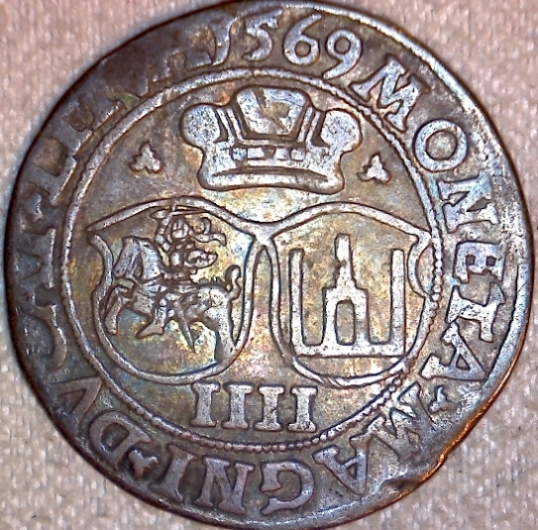 "If you climb a good tree, you get a push."
-----Ghanaian proverb
"The danger we all now face is distinguishing between what is authentic and what is performed."
-----King Adz
|
|
Pillar of the Community
Belgium
1185 Posts |
1568 This year marks the beginning of the 80-year war between the low countries (later United Provinces) and Spain. The first revolt, however had started two years earlier with the iconoclastic fury (the beeldenstorm) which was a protest against the catholic church and the oppression of calvinism and lutheranism in the Netherlands. The storm of protest was "bottom up" starting in small religious communities. The local nobility was willing to calm down the situation and restore order. But Margaretha of Parma, regentes in the Netherlands, exaggerated in panic in a letter to her stepbrother, king Philippe. A discussion how to handle the situation followed at court in Madrid. Some advisors recommended a moderated reaction. But others like Fernando Álvarez de Toledo y Pimentel, third duke of Alva recommended severe military intervention and Philipe inclined to this idea. So in late 1566, Alva was sent to the Netherlands with an army of 10,000 and unlimited authority to restore order by force. Historicians like Geoffrey Parker (author of a great book: The Dutch Revolt) wonder why Philip did not listen to his more moderate ministers. What a different outcome may have followed .... One of the first actions of Alva, when he arrived in Brussels in 1567 after a long march of his army, was to install a new judicial organ, the Raad van Beroerten ( Conseil des Troubles) aka as Bloedraad. This Council of Turmoil was operative during the next five years, resulting in the mere fact that more than a thousand people were convicted and executed, often just on basis of opinion (not real juridiction). Antother eleven thousand people were exiled, to England, North Germany, all their property being confiscated. The two most known persons being executed where the leading nobles Lamoraal van Egmont and Philippe de Montmorency (the counts of Egmont and Hoorne). On June 5, 1568, these two leading figures in the low countries, widely loved for their commitment and honesty as leaders, were beheaded on the Grote Markt / Grand Place in Brussels. They immediately became heroes of the resistance of the Netherlands to what was called the Spanish tyranny. William of Orange was one of the few leaders of the resistance who could escape in time out of the clutches of the Raad van Beroerten and he would operate on safe distance from Alva until his death in 1584. Below the portraits of Egmont and Hoorne and a statue erected in the 19th centory at the Petit Sablon / Kleine Zavel in Brussels, picturing Egmont and Horne walking to the scaffold on which they would be beheaded. 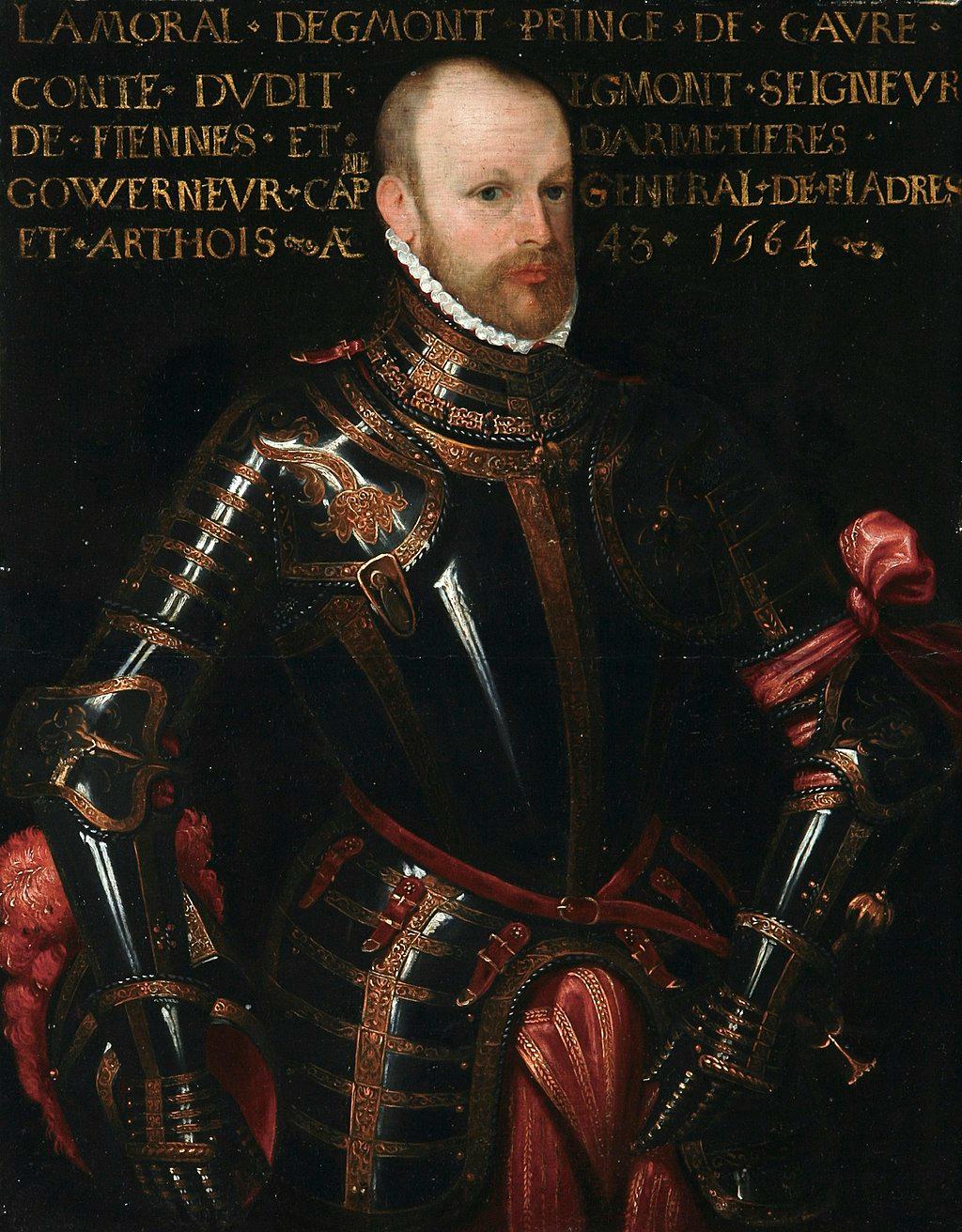 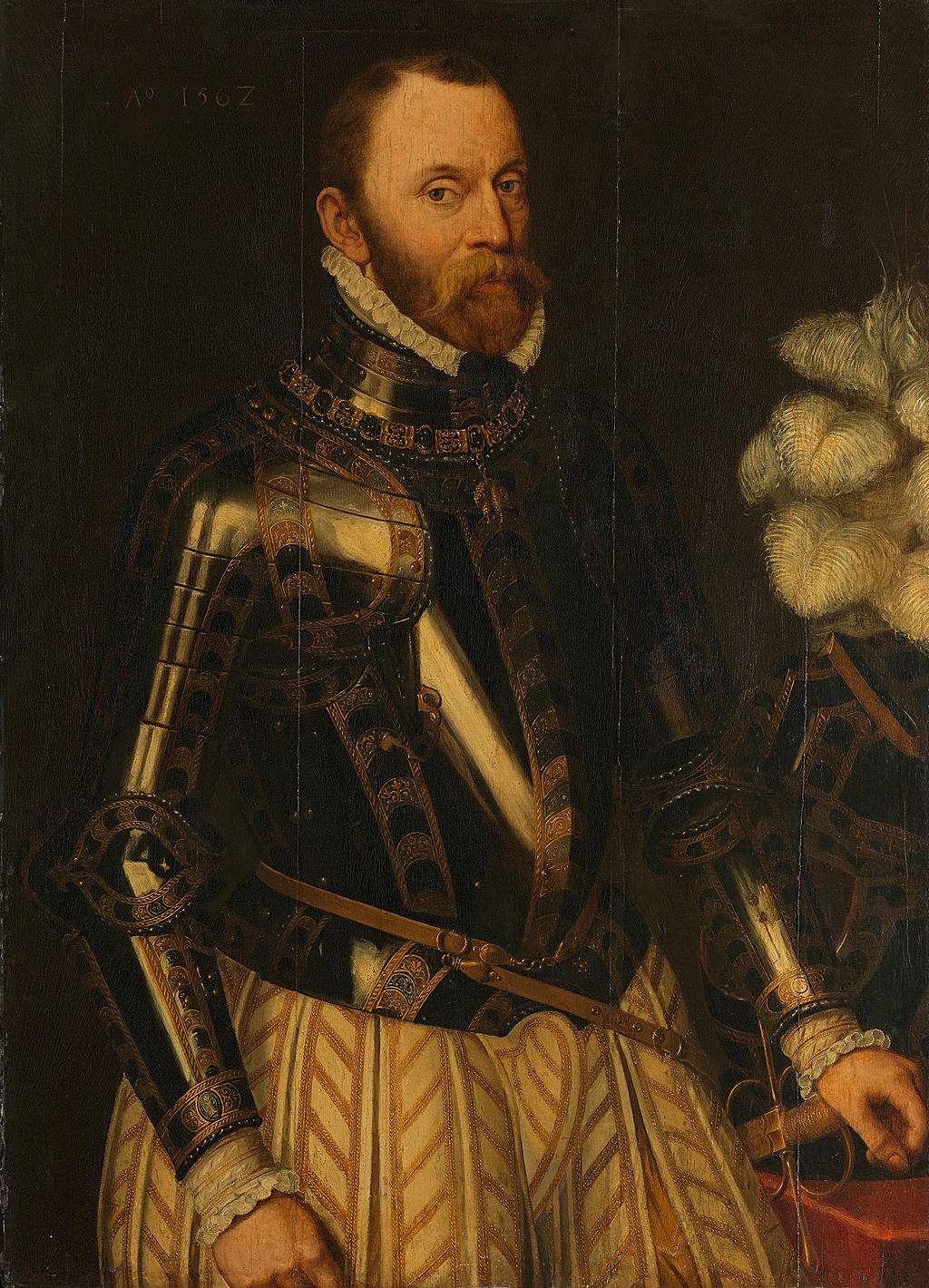 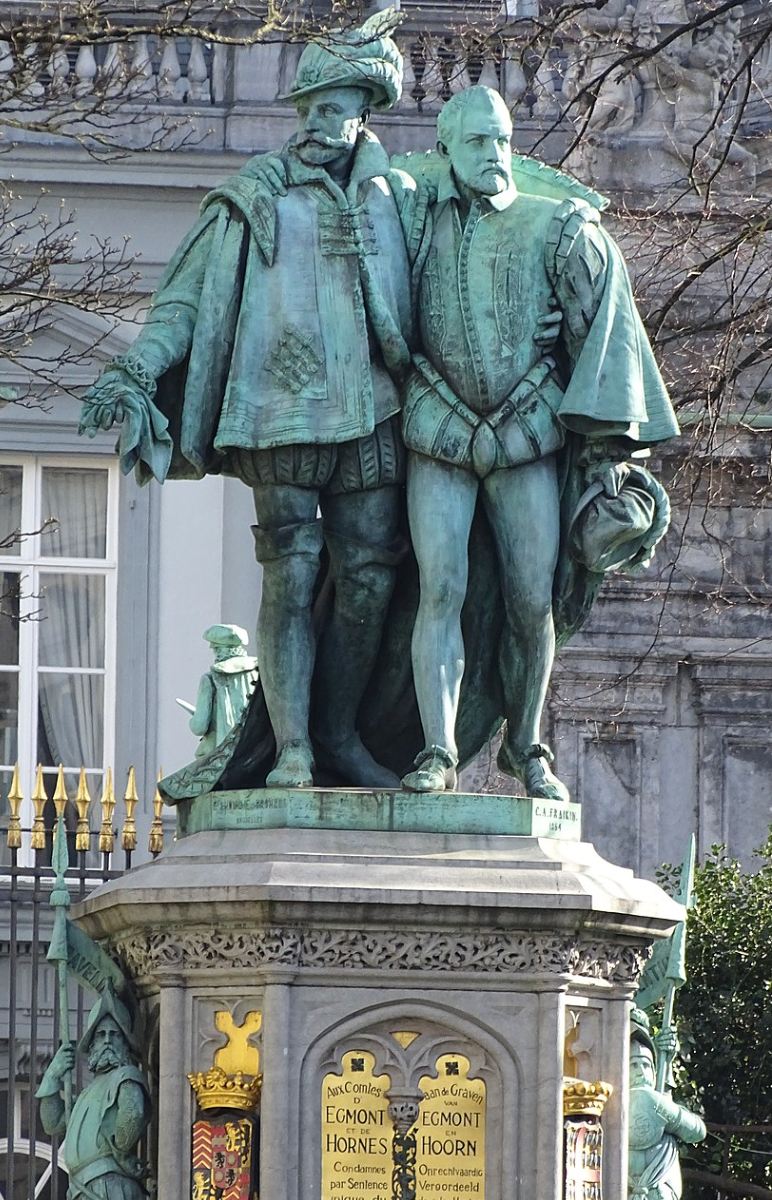 Below I show again the Bourgondische Kruisdaalder from Antwerp, today because of the date of the host coin. Interestingly this piece would travel by trade to the North, so that it would be countermarked (5 or 6 years later) by the rebels in Holland. A small piece of silver but also testimony of an ongoing fire of revolution that had not been completely quenched by the iron fist of Alva. 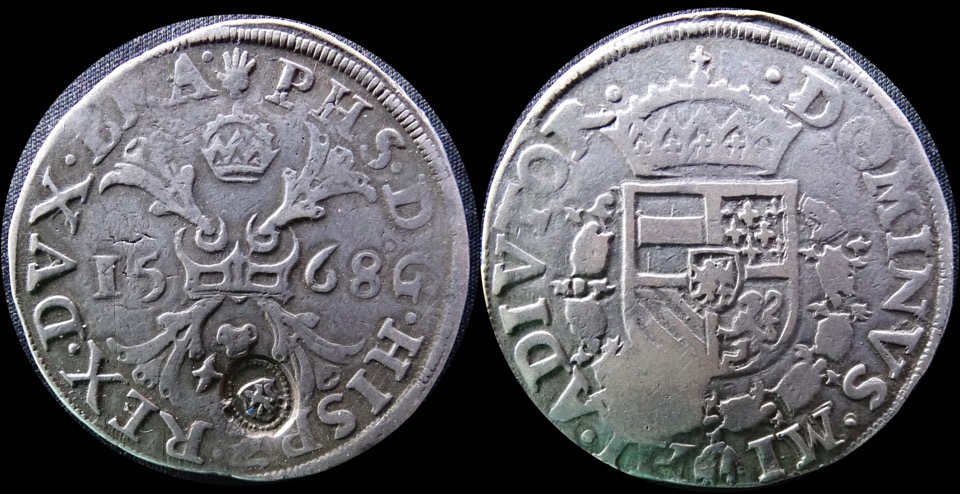 This ends my 80 day story of the 80 years war. It was fun, also a time consuming endeavor. From now on I will just post coins with a date, when I have one in my collection Edited by 1c5d7n5m
12/02/2023 07:28 am
|
|
Moderator
United States
34562 Posts |
Quote:
This ends my 80 day story of the 80 years war. Amazing work @1c5! This has been quite a treat for me to read. Thx for your efforts and sharing your amazing collection.  This is a Groschen from the Swiss Canton of St. Gall dated 1568 AD:   "If you climb a good tree, you get a push."
-----Ghanaian proverb
"The danger we all now face is distinguishing between what is authentic and what is performed."
-----King Adz
|
|
Bedrock of the Community
United Kingdom
18901 Posts |
1567 English sixpence of Queen Elizabeth I:  |
|
Pillar of the Community
Sweden
2124 Posts |
Quote:Quote:
This ends my 80 day story of the 80 years war. Amazing work @1c5! This has been quite a treat for me to read. Thx for your efforts and sharing your amazing collection. I can only agree in full! It has been a pleasure to learn about the dramatic history of the Low Countries, superbly illustrated by your marvellous collection! For me, it has sparked an interest in the coins from this place and era, an interest which has so far resulted in a couple of purchases (nothing nearly as spectacular as your collection), and more to come. Probably they will show up here in some context in the future.  |
|
Pillar of the Community
Belgium
1185 Posts |
thanks spence and erafjel, it was fun to do this ! happy to read it sparked new ideas & interest to collect for 1567 a jeton, referring to the fact that after the chaos in end of 1566, the nobility of the Netherlands (including Egmont, Hoorne and Orange) begged via a petition, given to Margareth of Parma, for clemency and lienency from the king (context see 1568). One of the nobles standing next to Margareth would have said " N'ayez pas peur Madame, ce ne sont que des gueux." (don't be afraid Madame, these are but beggars). This is why the rebels would from then on be called the beggars, les geux, de geuzen. 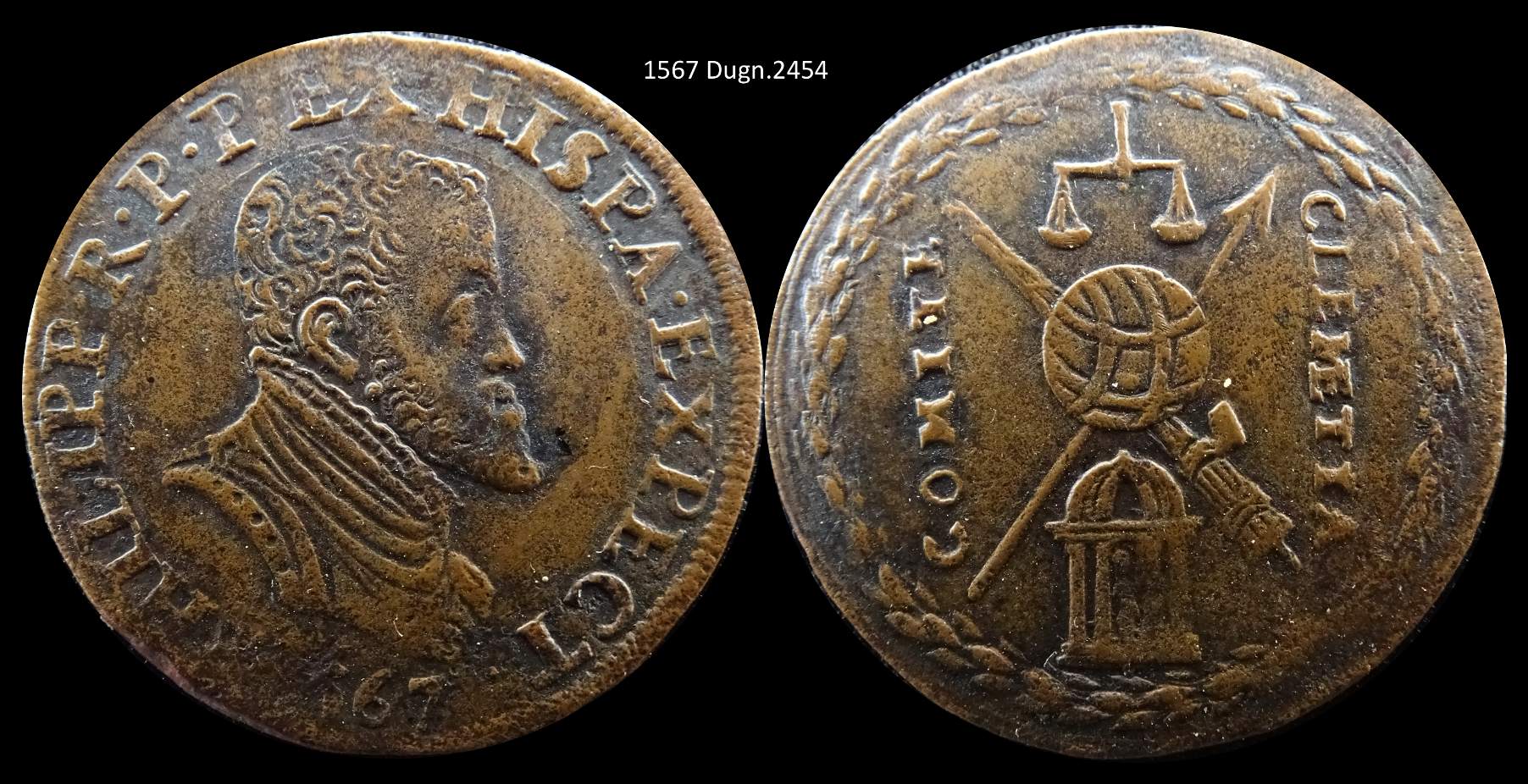 1567 Dugniolle 2454 'The Netherlands beg Philip II for leniency' OBV: portrait of Philip PHILIPP R P P EX HISPA EXPECT 1567 REV: Globe on spear and bundle of arrows; scales above and temple below on both sides CLEMETIA COMITE, surrounded by laurel wreath Edited by 1c5d7n5m
12/03/2023 07:31 am
|
|
Moderator
United States
34562 Posts |
This small, uniface Pfennig is from the German Archbishopric of Mainz and is dated 1567 AD. It was issued by Daniel Brendel von Hamburg and is attributed as Saurma 2526. The number six is clear enough, but you gotta squint a bit to see the seven to the right of the shield.   "If you climb a good tree, you get a push."
-----Ghanaian proverb
"The danger we all now face is distinguishing between what is authentic and what is performed."
-----King Adz
|
|
Pillar of the Community
United States
8056 Posts |
Quote:
Amazing work @1c5! This has been quite a treat for me to read. Thx for your efforts and sharing your amazing collection. I could not agree more! Seeing the image of the statue of Egmont and Hornes stirred up some memories from long ago and more recently (I passed through the square on a brief visit in April). Though at that time I had little of the awareness of those historic events that I have now! Another small 2 denar piece for 1567 bearing the monogram of Sigismund Augustus of Poland and Lithuania (just two days until we enter the era of the Lithuanian half groat): 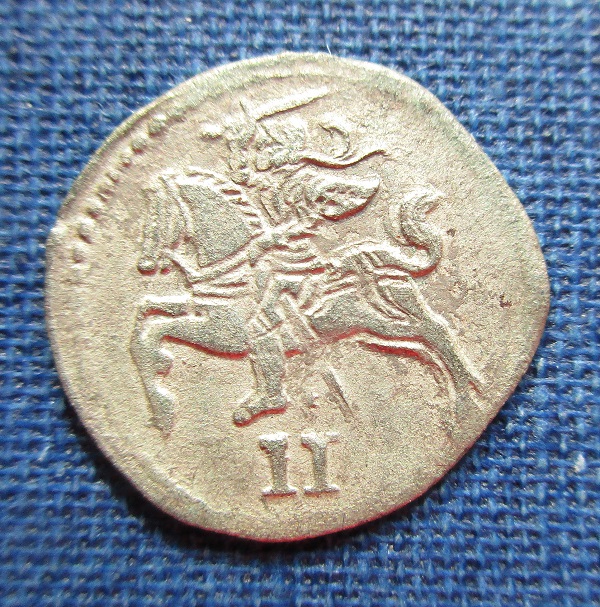 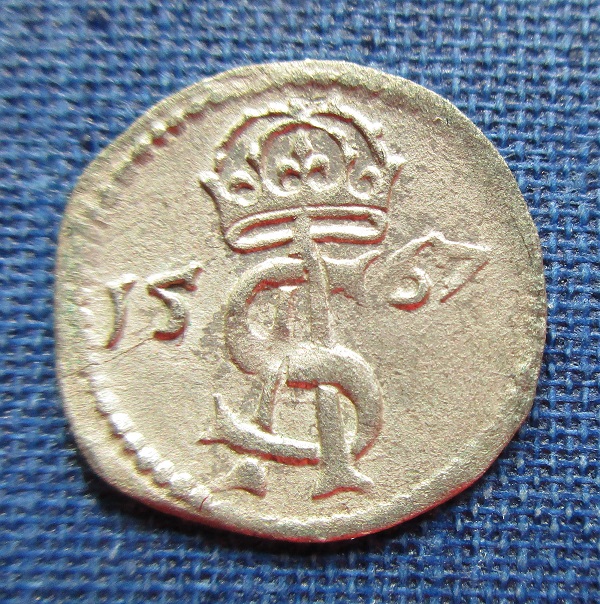 Edited by tdziemia
12/03/2023 09:55 am
|
|
Pillar of the Community
Belgium
1185 Posts |
thanks tdziemia I share what you describe for visits of the Grote Markt / Grand Place in Brussels: for many year ignorant of the place were the scaffold was placed in 1568, but now - when you know of the historical even that changed the fate of the whole region - it makes a difference. Below a 1/5th Philipsdaalder from the Province of Gelderland 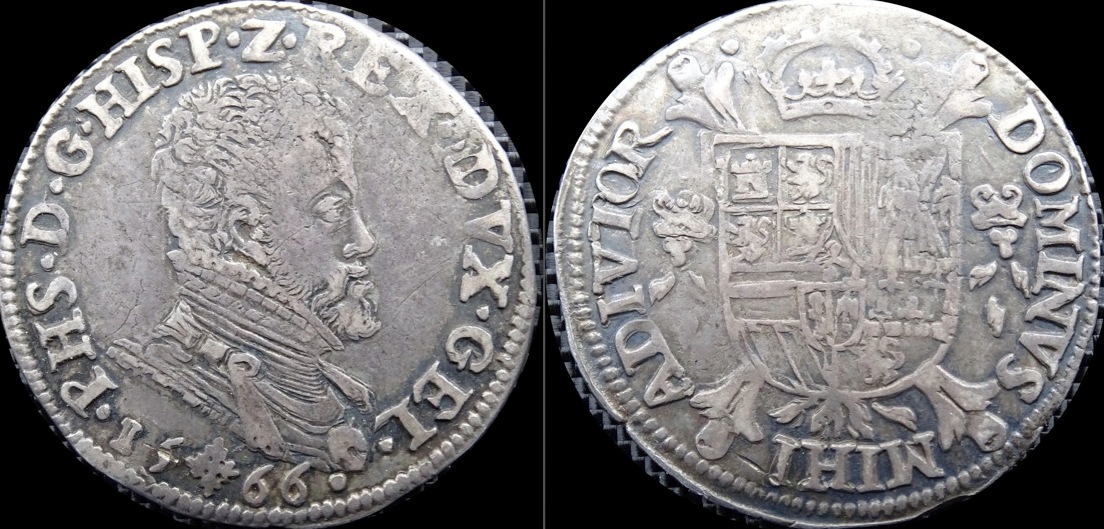 |
| |
Replies: 5,946 / Views: 249,660 |








 First Page
 Previous Page


 Posted 12/01/2023 05:13 am


