| Author |
 Replies: 5,946 / Views: 249,653 Replies: 5,946 / Views: 249,653 |
|
|
|
Pillar of the Community
 United States
8056 Posts |
Lithuanian 1564 trojak (3 groszy/groats) of Sigismund II. Unlike his father Sigismund I, who used five mints, and later kings who used even more (Sigimund III used ten), Sigismund II minted coins almost exclusively at Vilnius, Lithuania.  (photo by WCN) |
|
Pillar of the Community
United States
1871 Posts |
Quote:
nice example of the 1565 malta jeton, bd251 Thanks. It's a somewhat difficult piece to photograph due to its rough, dark surfaces. |
|
Moderator
 United States
34562 Posts |
Quote:
this piece is quite difficult to obtain, competition at auctions always being very intense - don't know exactly why It has been my observation that many medieval coins of Malta seem oddly expensive. I haven't bid on one in a while, but when I was filling in my 17th and 16th Centuries, these things always seemed to go for more than I was estimating. I'd say that I was just being cheap and while that has a hint of truth, Maltese coins always seemed to more than what seemed reasonable. For 1564 AD, I have this Half Batzen from the Germany County of Stolberg-Konigstein-Rochefort:   "If you climb a good tree, you get a push."
-----Ghanaian proverb
"The danger we all now face is distinguishing between what is authentic and what is performed."
-----King Adz
|
|
Pillar of the Community
Sweden
2124 Posts |
Quote:
Half Batzen from the Germany County of Stolberg-Konigstein-Rochefort I like the coat of arms, with a stag, an eagle, a lion.  Quote:
Maltese coins always seemed to more than what seemed reasonable. I think the explanation is that Malta enjoys an air of mystery and adventure, with knights' orders, Maltese falcons, the Maltese cross. By owning a Maltese coin (which I don't, yet   ), you can have a share of that, which could be worth some extra bucks/euros. Quote:
whenever you feel like reading more about this topic, I can recommend Geoffrey Parker who wrote outstanding history books about this period: Have ordered The Dutch Revolt from a Swedish bookshop, looking forward to read it! |
|
Pillar of the Community
Belgium
1185 Posts |
Quote:
Have ordered The Dutch Revolt from a Swedish bookshop, looking forward to read it! enjoy the book! It is the type of book to read at least two times, each time finding new perspectives. For Malta, the comments above are interesing. An explanation for fierce competition on auctions could be that a diverse group of collectors from different regions in the world compete as they are interested in the history and mystery of the little island. The most striking example in my experience are the (common) Leeuwendaalders with (rare) Maltese counterstamps, which are hammered at higher prices than the much rarer prototype of Leeuwendaalder of 1575. For the next edition I'll use a piece that I forgot to use this edition in the 17th century: a Maltese 4 Tari piece that has six counterstamps (with well characterized dates); a bit like a joker in a card game: unlike the other cards, it can be used many times  Edited by 1c5d7n5m
12/07/2023 04:06 am
|
|
Pillar of the Community
Belgium
1185 Posts |
For 1563 here is a curiosity from the province of Gelderland in the Netherlands: a so called Daalder van de Klimmende Leeuw (Delmonte 640 - R1, a taler named after the rampant lion) which has a Dutch legend on both sides, unlike the latin which was the standard in those days. It would last about 3 centuries (till Lodewijk Napoleon) to see agein money in the Netherlands with Dutch legends as a standard. 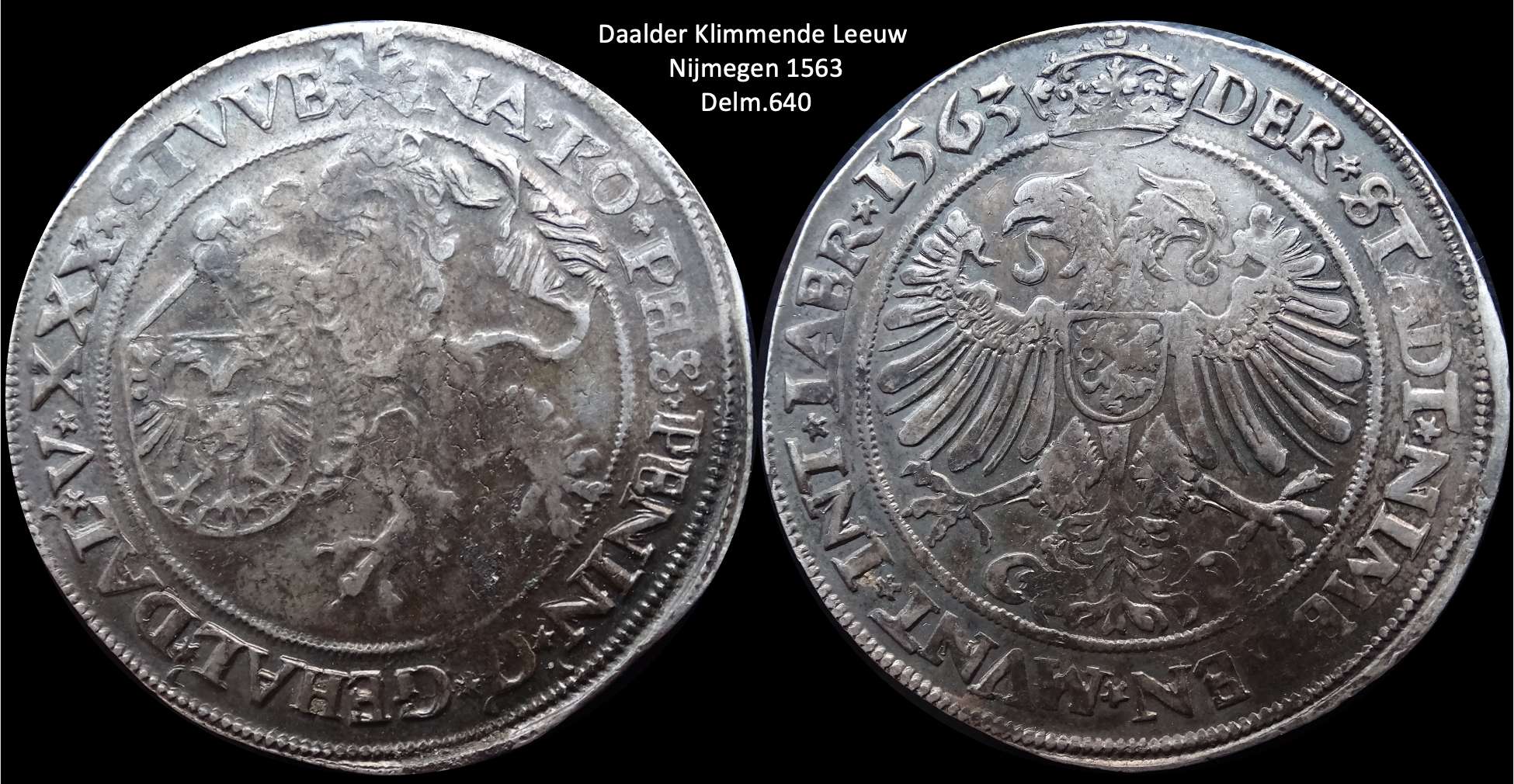 1563 Delm.640 Daalder Klimmende Leeuw Nijmegen 1563 R1 OBV: Rampant lion to the left, holding the coat of arms of the imperial city of Nijmegen. Legend: NA * KO * PHS * PENING*G * GEHAL * DAL * V * XXX * STVVE REV: Crowned double headed imperial eagle. Legend: DER * STADT * NIMEGEN * MVNT * INT * IAER * 1565 combined, the two legends fully explain what this coin represents: TALER (DOLLAR) VALUED 30 STUIVERS MINTED UNDER KING PHILIPPE IN THE YEAR 1563 IN THE CITY OF NIJMEGEN Edited by 1c5d7n5m
12/07/2023 04:30 am
|
|
Bedrock of the Community
United Kingdom
18901 Posts |
Another lovely coin, 1c5d7n5m!  For 1563 I've got yet another worn Elizabeth I English sixpence:  |
|
Pillar of the Community
United States
8056 Posts |
Another Lithuanian trojak of Sigismund II: 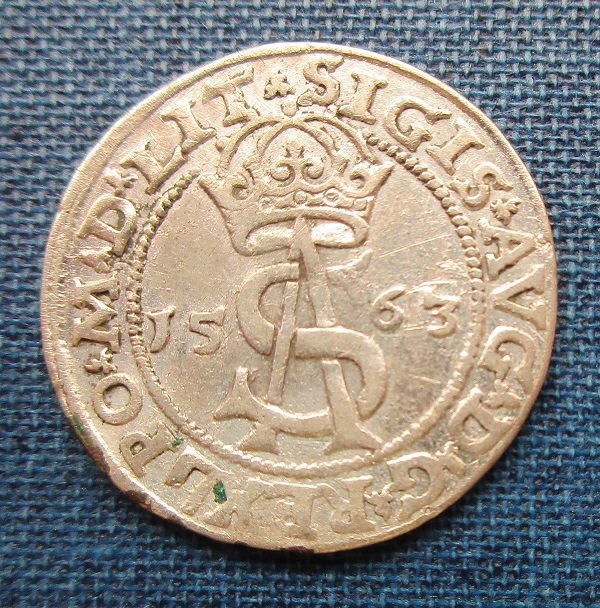 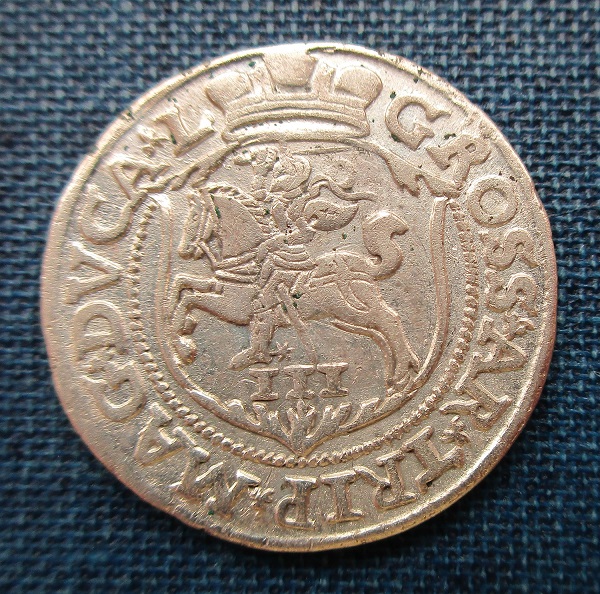 |
|
Moderator
United States
34562 Posts |
"If you climb a good tree, you get a push."
-----Ghanaian proverb
"The danger we all now face is distinguishing between what is authentic and what is performed."
-----King Adz
|
|
Moderator
 United States
196229 Posts |
Quote:
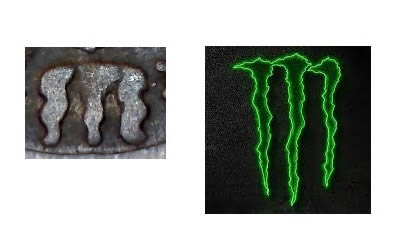
I thought that it looked a bit like an upside down version of the letter M from the Monster Energy Drink. Cannot be unseen!  |
|
Pillar of the Community
United States
6879 Posts |
Lithuanian 1562 1/2 Groat 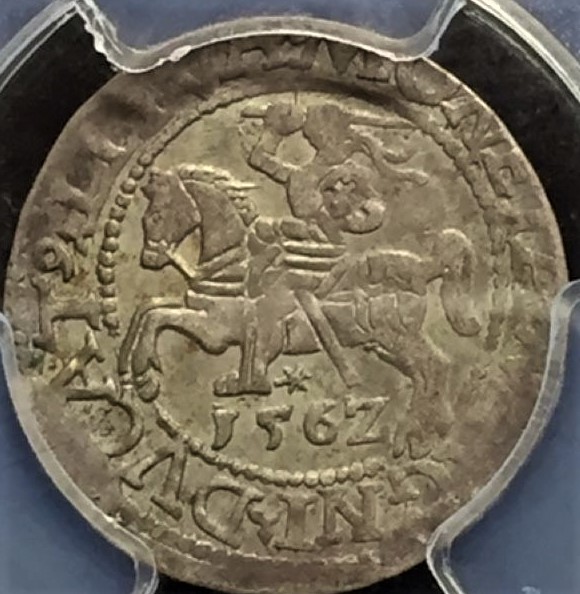 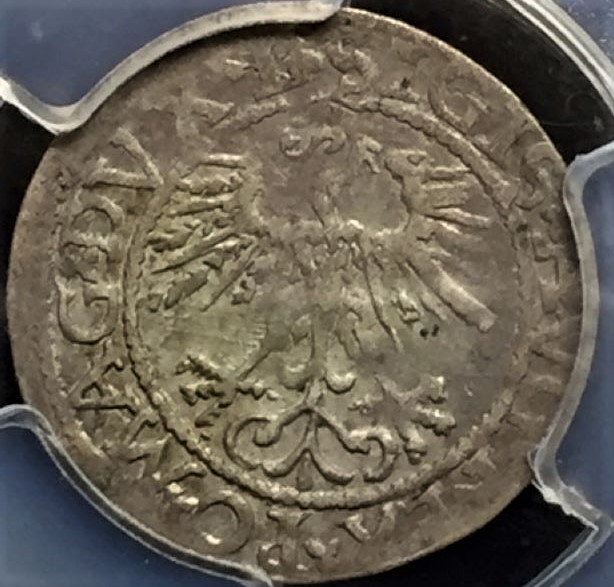 |
|
Bedrock of the Community
United Kingdom
18901 Posts |
1562 - My last English Elizabeth I sixpence, but it's a bit different as it's a milled one: 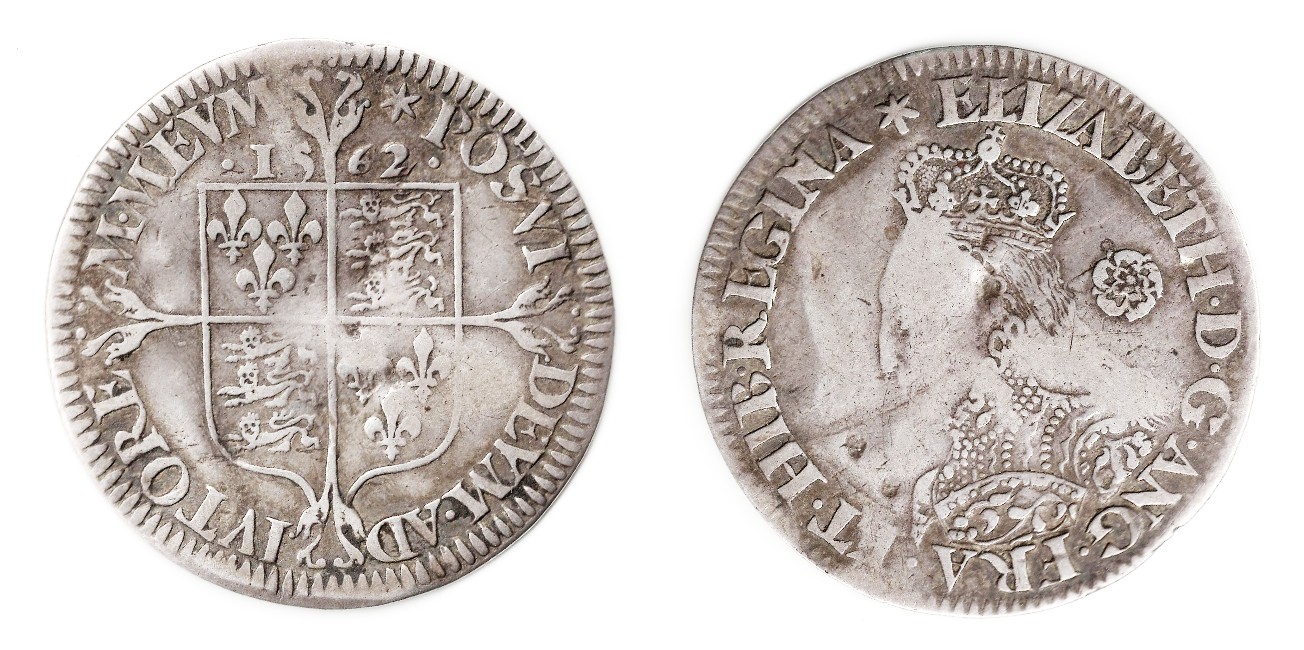 Elloye Mestrelle was a French engraver who worked in The Royal Mint from 1560 to 1567, setting up the Mint's first experimental coin press. Although the coins were of superior quality to the traditional hammered coins, the production took much longer: in a test in 1562 Mestrelle's machinery could only produce 22 sixpences in an hour, compared with 280 made by a hammerman. Mestrelle was dismissed in 1577 but continued making coins illegally for his own use - he was found guilty of counterfeiting and executed in 1578. |
|
Pillar of the Community
Belgium
1185 Posts |
great story Numisrob, very interesting, and beautiful shilling Below a rare jeton from Zeeland (minted in Antwerp), four years before the iconoclastic chaos started in the Netherlands. Apparently, signs of unrest and discontent were already tanglible in 1562. One of the main reasons for tension was the influence of Cardinal Granvelle (Antoine Perellet) who got the most powerful position in the 17 provinces and rules from Brussels. One of Granvelles achievements was a reform of the bishophries of the catholic church, something that was opposed by the provinces. Granvelle also shifted power from the individual provinces to Brussels, so the States of Holland, Zeeland etc lost old privileges. 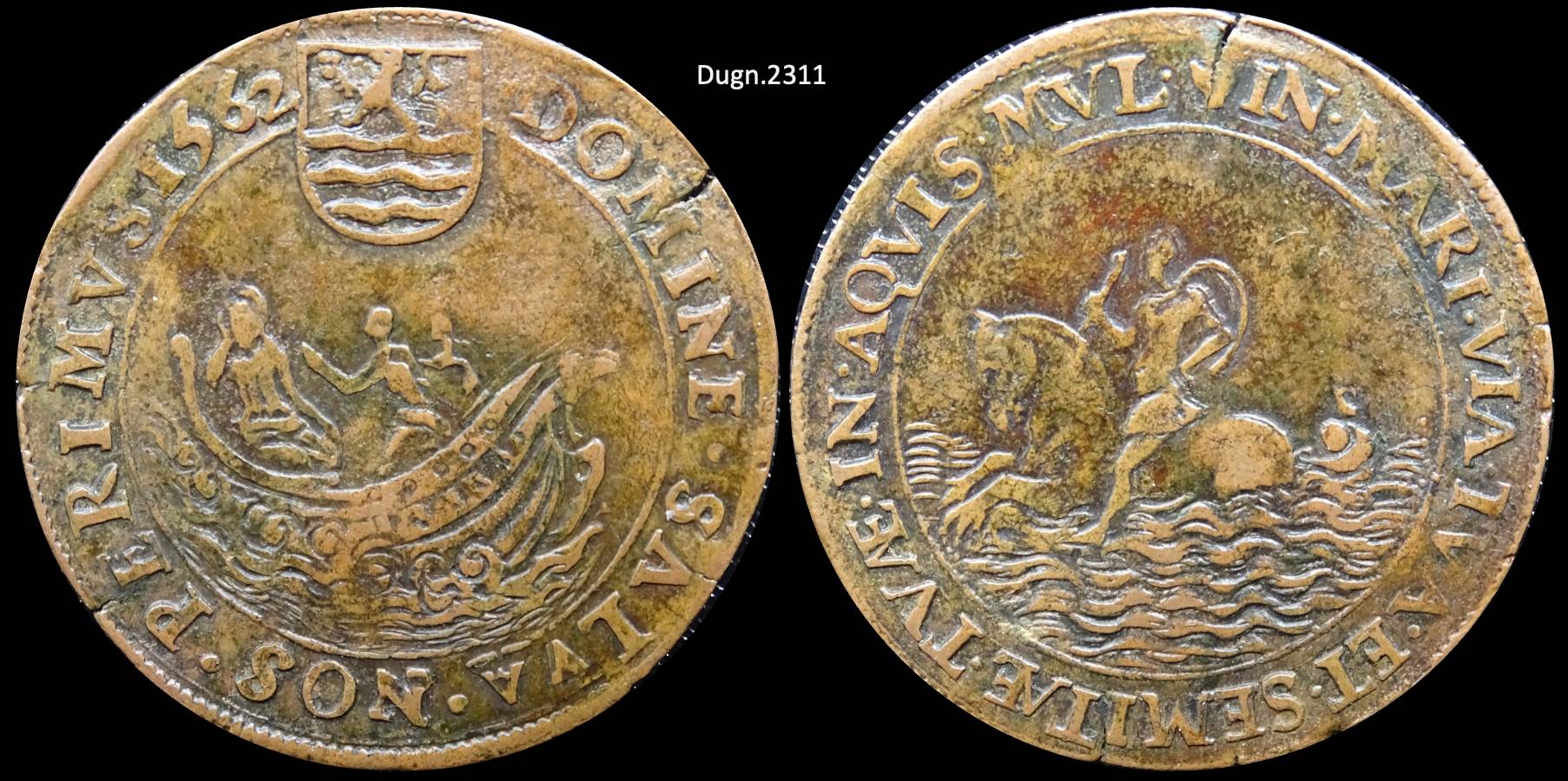 Dugniolle 2311 Zeeland (Antwerp mint) 'Bad Omen' OBV Jesus and his disciples in a small boat on wild seas DOMINE SALVA NOS PERIMUS (lord save us - we are perishing) REV King on horseback wades in the sea IN MARI VIA TVA ET SEMITAE TVAE IN AQVIS MVL The legends are taken from the Bible: OBV is from the Gregorian Repertory, Antiphonale Romanum REV is from the book of Psalms LXXVI, verse 19: In mari via tua, et semitae tuae in aquis multis: et vestigia tua non cognoscentur. Your way was through the sea, your path through the great waters; yet your footprints were unseen. Also for 1562 a Philipsdaalder from the province of Holland. 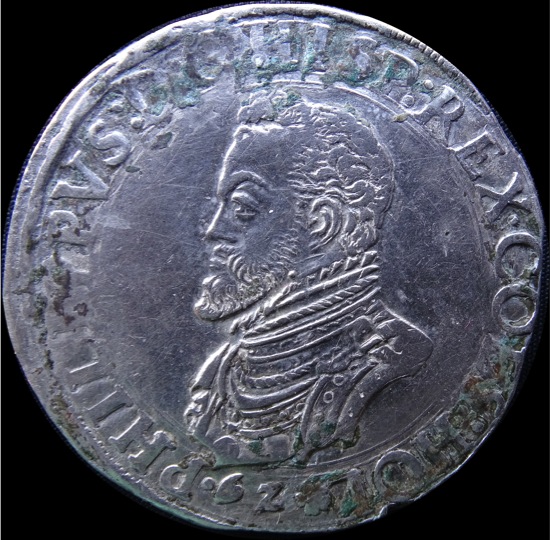 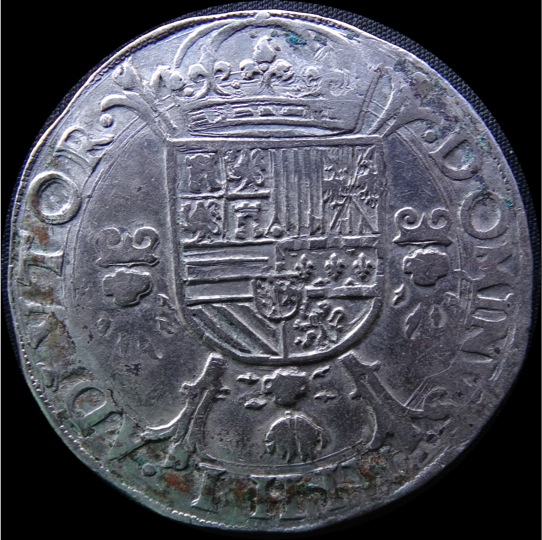 |
|
Moderator
United States
34562 Posts |
Bad omen indeed! I've got this Kortling from the German Abbey of Corvey:   "If you climb a good tree, you get a push."
-----Ghanaian proverb
"The danger we all now face is distinguishing between what is authentic and what is performed."
-----King Adz
|
|
Pillar of the Community
Belgium
1185 Posts |
for 1561 here is a Philipsdaalder from the province of Gelderland, Nijmegen mint 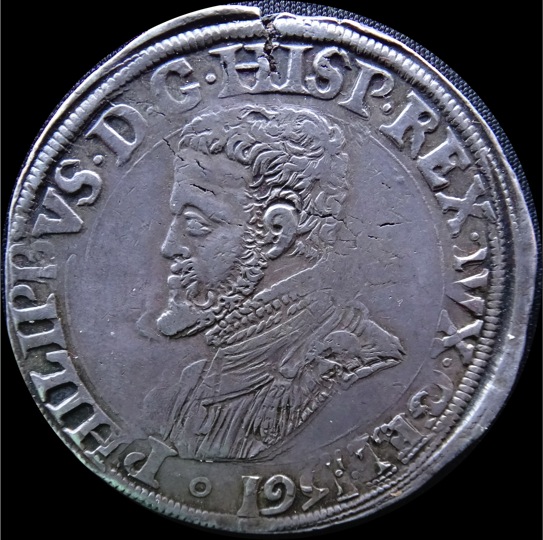 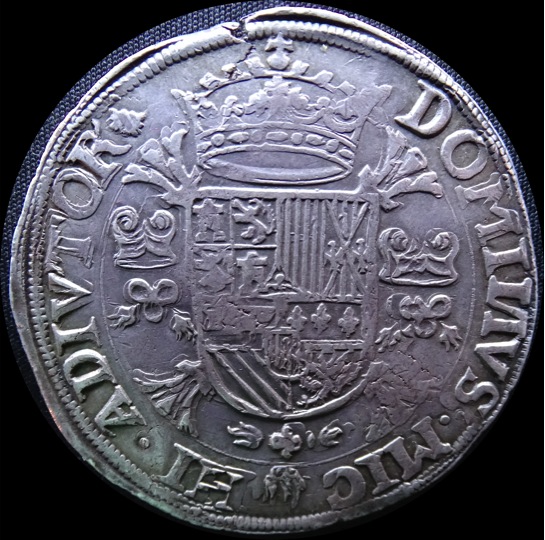 also a jeton, praising the good governance of Margareth of Parma , (half-sister of the king). How ill-founded this idea (propaganda perhaps) is, would be demonstrated 5 years later with the crisis of the Beeldenstorm. 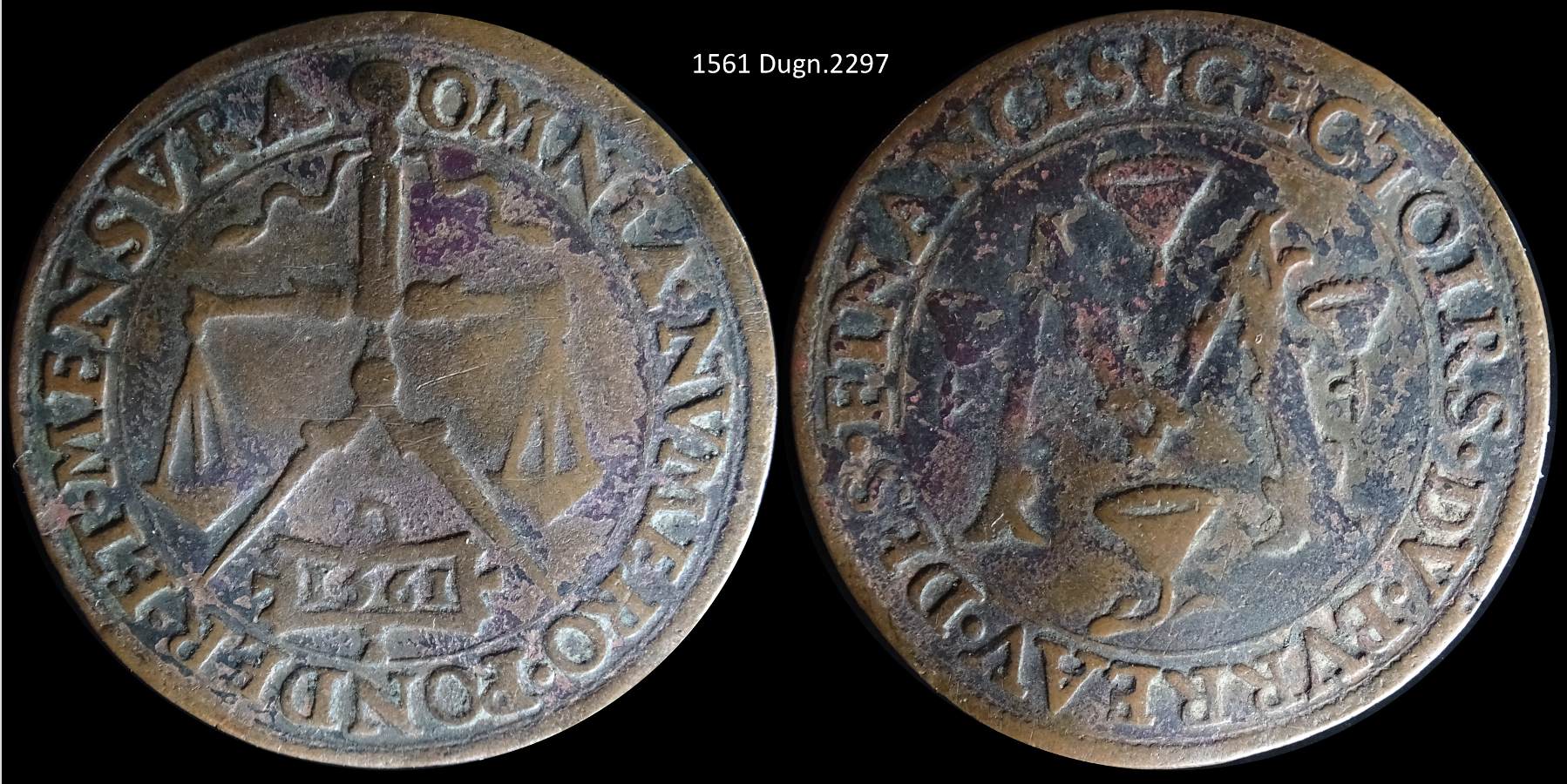 Dugniolle 2297 'good governance of the duchess of Parma' OBV Balance and opened compass OMNIA NVMERO PONDERE ET MENSVRA 1561 REV M between daisies GECTOIRS DV BVRREAV DES FINANCES daisies = margrieten in Dutch: a pun alluding to Margareth |
| |
Replies: 5,946 / Views: 249,653 |






 First Page
 Previous Page


 Posted 12/06/2023 10:54 am