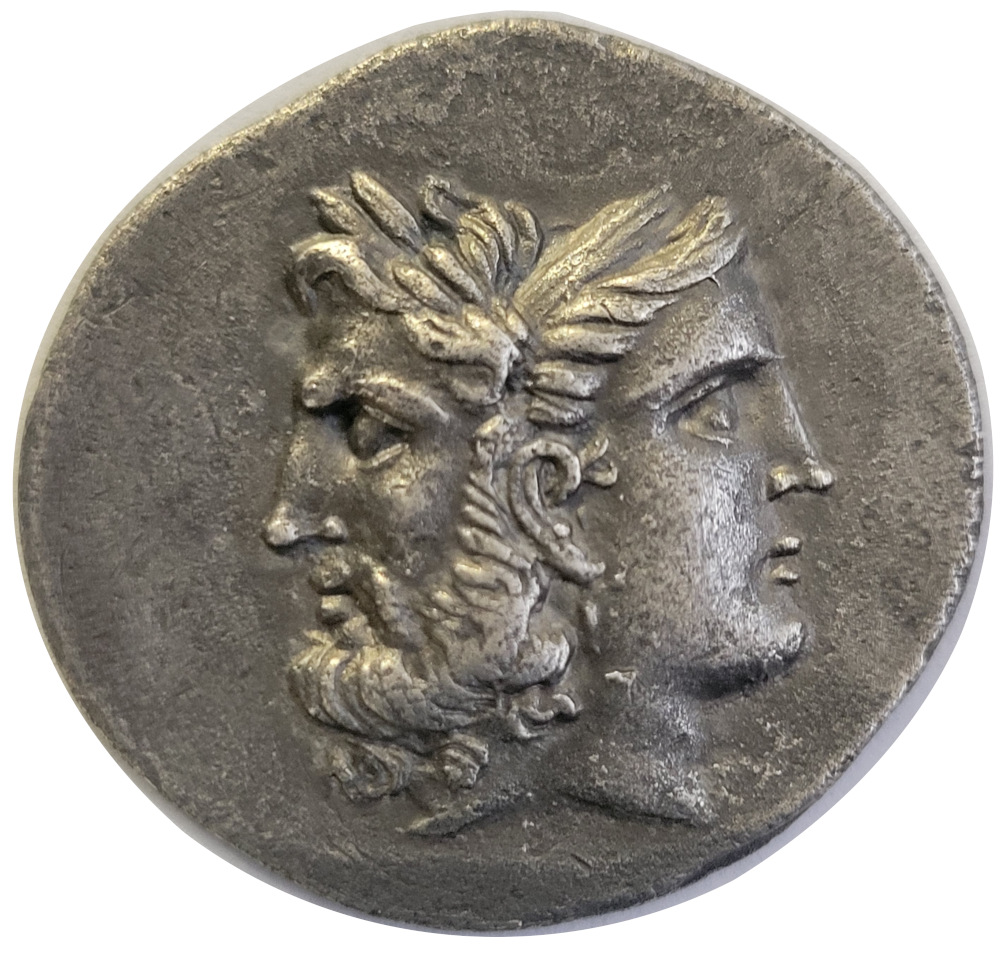
This is the most I have ever paid for an ancient, but it seems well worth it. Don't have the coin in hand yet but from the dimensions it is apparently about the size of a Morgan dollar if you are familiar with U.S. cartwheels. Thoughts? Thanks!
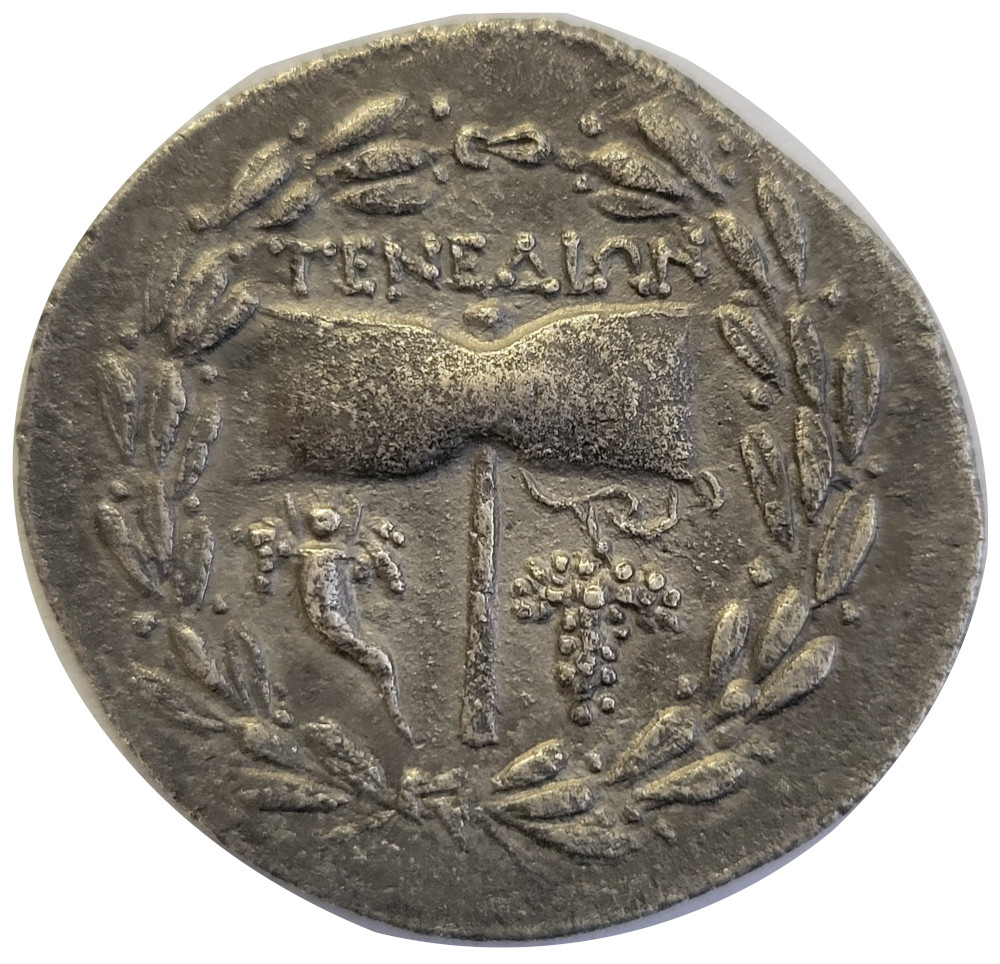
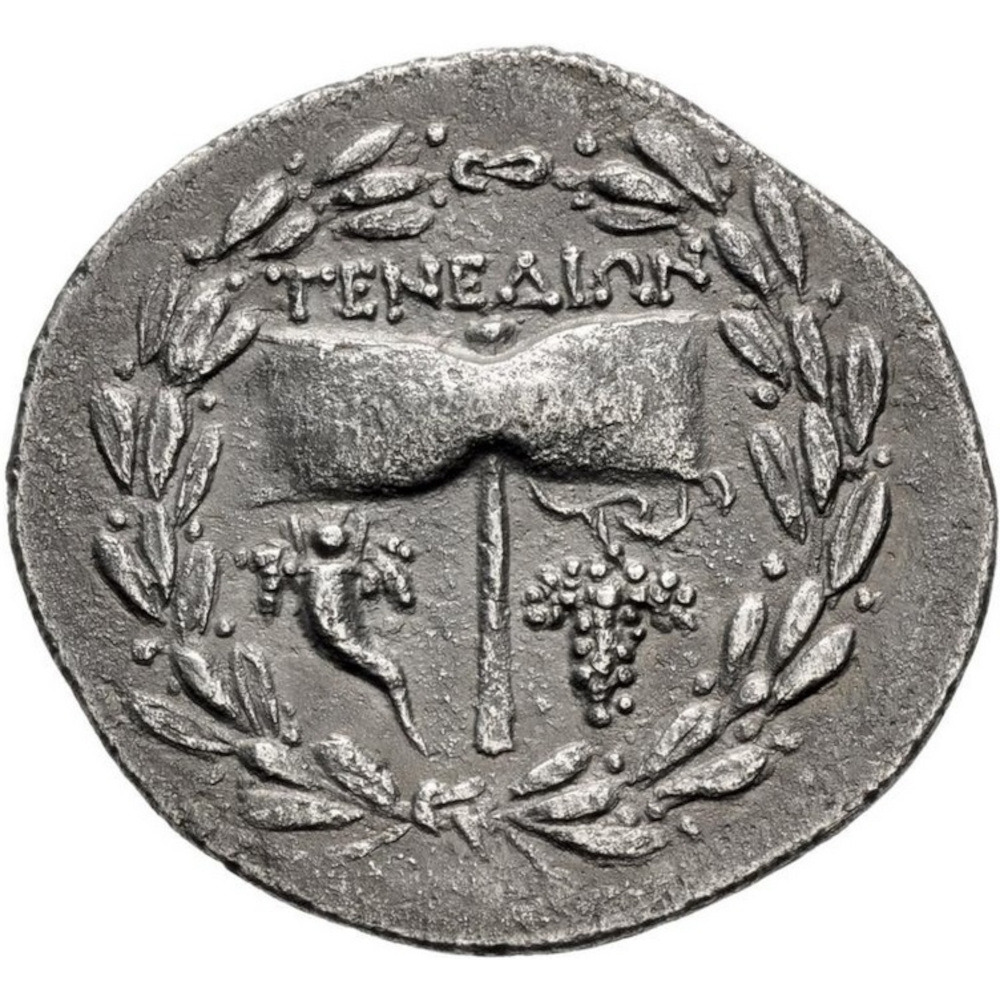
ISLANDS off TROAS, Tenedos. Circa 100-70 BC. AR Tetradrachm (37.5mm, 15.44 g, 12h). Janiform head of a bearded male left, laureate, and female right, wearing stephanos / Labrys; TENEΔIΩN above, cornucopia and grape bunch on vine flanking handle; all within wreath. Callataÿ, Tenedos -; HGC 6, 390; Triton VII, lot 227 (same obv. die). Toned, light roughness and porosity. Good VF. Very rare.
Tenedos was an island of strategic importance throughout antiquity due to its location at the entrance to the Hellespont, which ensured every ship sailing to or from the Propontis and the Black Sea would pass by. It is referenced in both Homer's Iliad and Virgil's Aeneid, in the latter as the place where the Greek fleet was concealed towards the end of their siege of Troy in order to trick the Trojans into taking the fateful Trojan horse within the walls of the city. During the fifth century, Athens used the island as a stronghold to protect their vital shipping routes, but it came under the influence of successive Hellenistic dynasties from the third century onwards: controlled first by the Seleukids, then the Attalids and eventually by Mithridates VI Eupator, who used the island as a naval base in the Third Mithridatic War against the Roman general Lucullus in 73-63 BC. It was during the latter's long reign that this type and other stephanophoric (wreath-bearing) Tenedian tetradrachms were first minted.
The form of the exquisitely detailed janiform head, the proportions and intricate hairstyles of which are finely balanced, is satisfyingly echoed by the symmetrical reverse displaying the labrys, a double-headed axe, with a cornucopia and grape bunch under the axe. This labrys is a reference to the Tenedian foundational myth, in which the hero Tenes used an axe to sever the mooring lines of his father's ship when he attempted to land on the island to reconcile with his son. In Pausanias' version of the myth, he concludes "for this reason a by-word has arisen, which is used of those who make a stern refusal: so and so has cut whatever it may be with an axe of Tenedos" (Paus. 10.14.4). Indeed, Cicero, writing less than half a century from the time of this coin's issue jokes to his brother Quintus about Tenedos' unsuccessful request to the Roman senate to be made a free city: "well then, the liberty of the Tenedians has been chopped by the Tenedian axe" (Letters to his brother Quintus, 2.9).
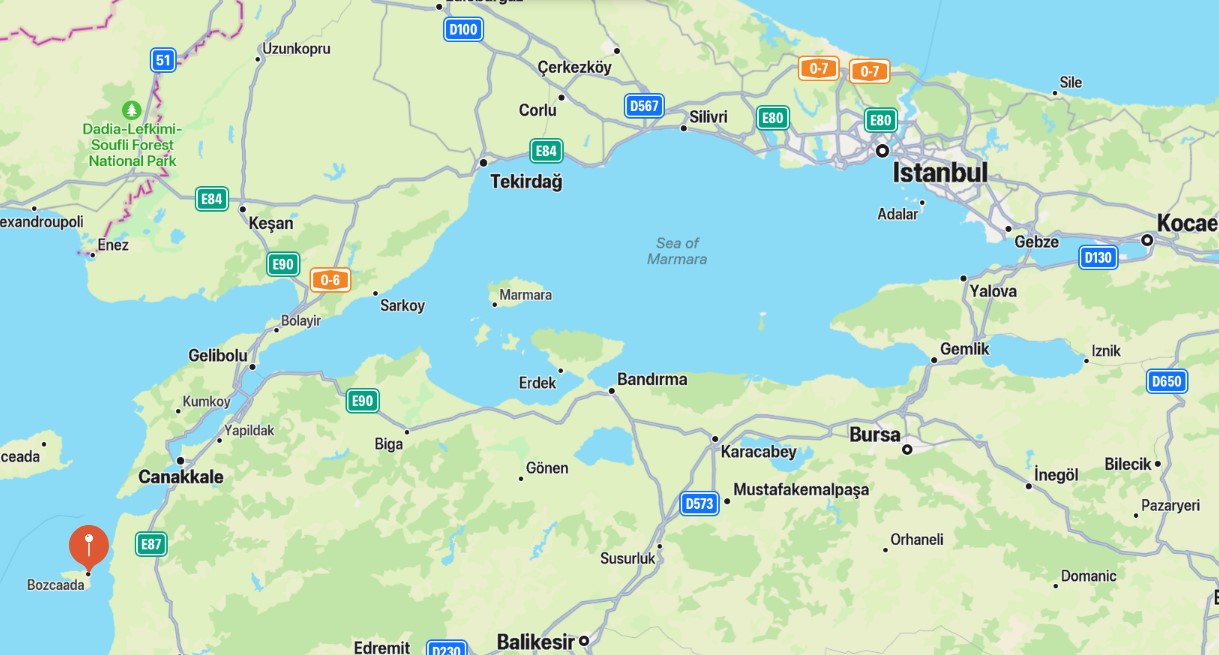
The coinage of Tenedos (modern day Bozcaada in Turkey) is extremely rare and fascinating. The story of how Tenedos came into existence is one of mythology going back to Homer's Iliad. The story goes that King Cycnos, a son of Apollo, had two children, a boy, Tenes and a daughter, Hemithea with his first wife. After the wife died, Cycnos married his second wife, Philonome, who made advances on Tenes, but was rebuked. Out of anger and to punish Tenes, Philonome told Cycnos that Tenes had raped her. She also got the flutist Eumolpus to substantiate her lie. Cycnos reacted savagely and attempting to kill his son and daughter, put them in a chest, which was set in the sea. The chest eventually sailed ashore to an island, Leucophrye, with the two still living, and the island was renamed Tenedos, in Tenes name. When Cycnos found out his children had survived and what had actually happened, he killed Eumolpus, buried Philonome alive and attempted to sail to Tenedos to his children. The earlier rejection of his father was too great however for Tenes and once Cycnos arrived at the island on ship and attempted to secure his vessel, Tenes drew his axe and cut the moorings.
It has been suggested that the male and female on the obverse of this coin would be Tenes and Hemithea, which certainly lends itself to the mythological history of the island. The reverse depicting the axe that Tenes used to sever the moorings.
IN NECESSARIIS UNITAS - IN DUBIIS LIBERTAS - IN OMNIBUS CARITAS THE MAN IN THE ARENA, Theodore Roosevelt at the Sorbonne Paris on April 23, 1910: "It is not the critic who counts; not the man who points out how the strong man stumbles or where the doer of deeds could have done better. The credit belongs to the man who is actually in the arena, whose face is marred by dust and sweat and blood, who strives valiantly, who errs and comes up short again and again, because there is no effort without error or shortcoming, but who knows the great enthusiasms, the great devotions, who spends himself in a worthy cause; who, at the best, knows, in the end, the triumph of high achievement, and who, at the worst, if he fails, at least he fails while daring greatly, so that his place shall never be with those cold and timid souls who knew neither victory nor defeat." My coin website:https://fairfaxcoins.com
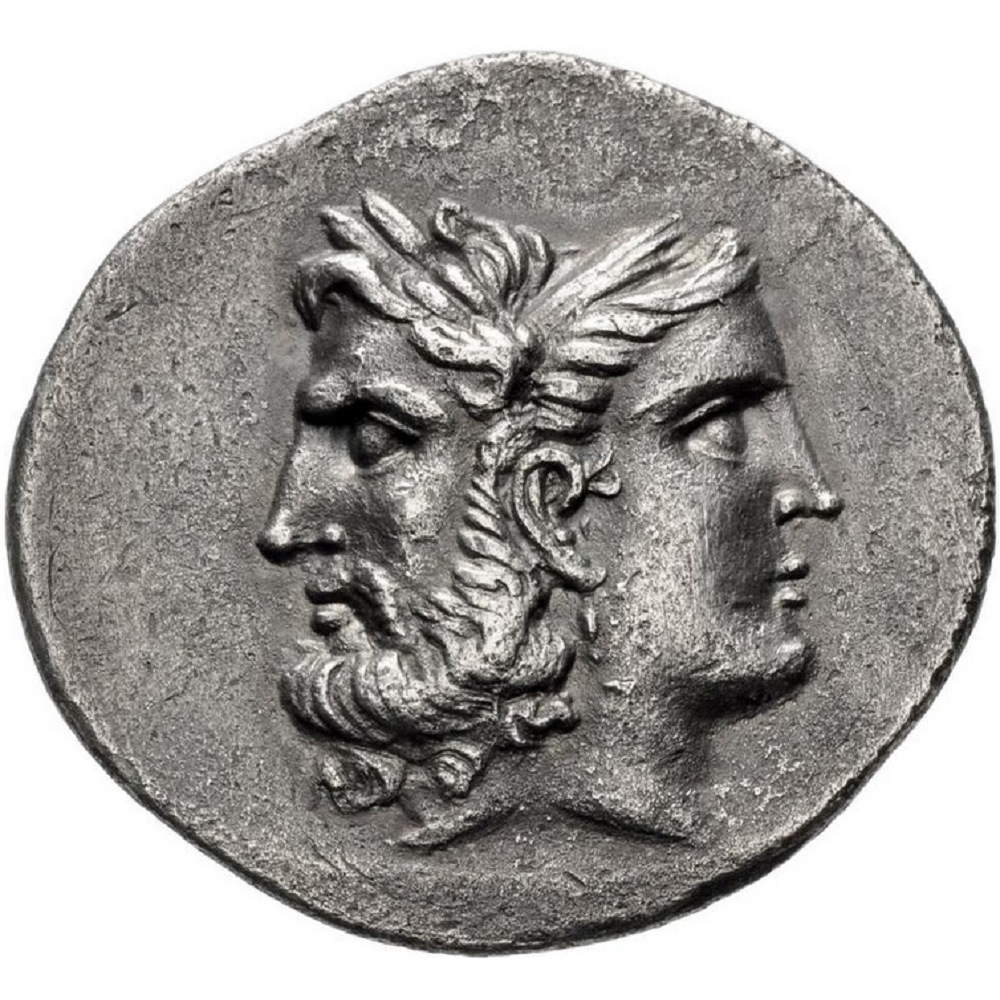
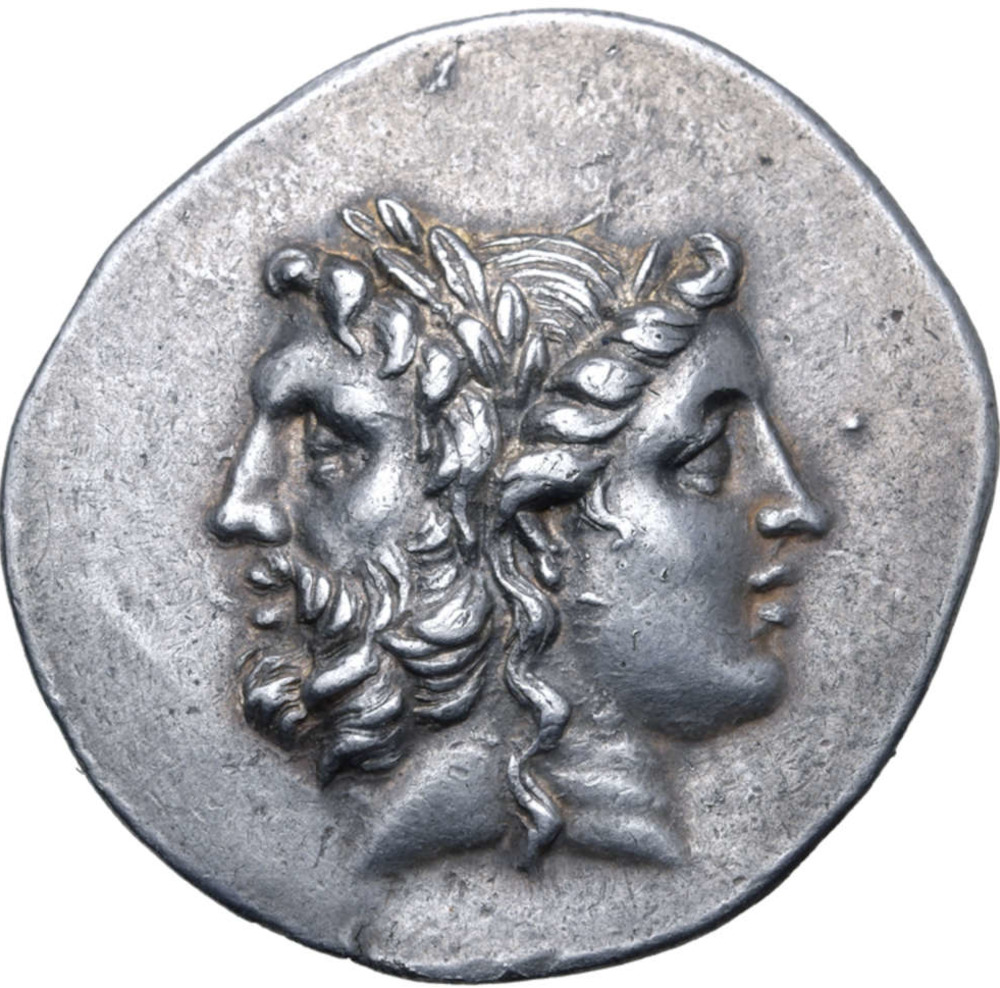
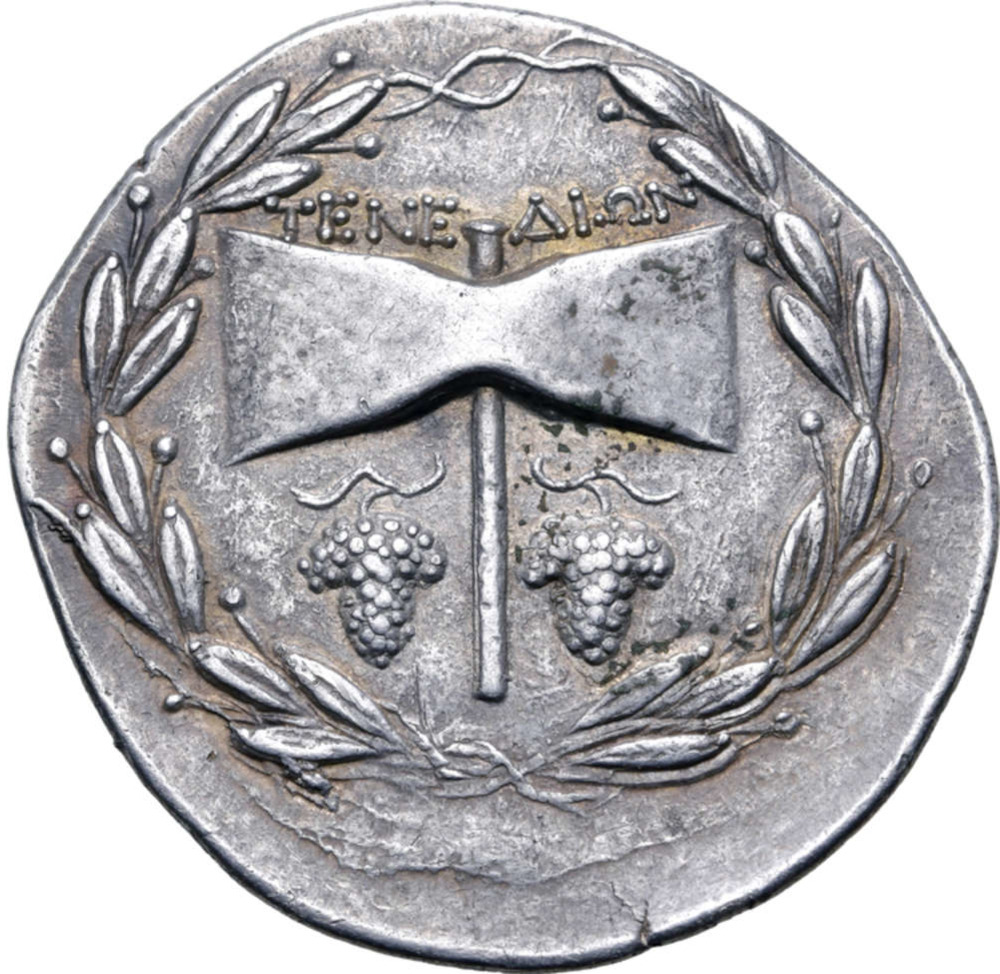
On September 22 this year, the coin of this type (pictured below) owned by Nelson Bunker Hunt sold for £110,000 at Roma Numismatics. If the name sounds familiar, NBH was one of the billionaire oil heir Hunt brothers who famously attempted to corner the silver market in the early 1980's. Nelson's brother Lamar was the legendary owner of the Kansas City Chiefs football team until his passing and the American Football Conference Championship trophy is still named after him today. Nelson owned the coin pictured below which is decidedly in better condition than the one I acquired, but I think I prefer the rendition of the janiform Zeus/Hera depiction in my coin better.
Still a beautiful coin...
Islands off Troas, Tenedos AR Tetradrachm. Circa 100-80 BC. Janiform head of a laureate bearded male to left and female to right, wearing stephanos / Labrys; TENEΔIΩN above, handle flanked by grape bunches; all within laurel wreath. Callataÿ, Tenedos 1 (D1/R1, this coin); HGC 6, 390. 16.83g, 37mm, 12h.
Extremely Fine; attractive light cabinet tone with golden highlights. Extremely Rare as a type, and unique in the series with two grape bunches on reverse.
This coin published in F. de Callataÿ, "Les monnaies hellenistiques en argent de Tenedos" in Studies in Greek Numismatics in Memory of Martin Jessop Price, p. 100, pl. 24 (London, 1998); Ex Nelson Bunker Hunt Collection Part II, Sotheby's New York, 21-22 June, 1990, lot 475 (obv. illustrated as cover coin); Ex Bank Leu AG, Auction 30, 28 April 1982, lot 171; Ex Gitta Kastner, Auction 10, 18 May 1976, lot 51 (obv. illustrated as cover coin).
This particular coin has been rightfully celebrated during the last half century, having graced the covers of two auction catalogues of the highest calibre.
Hammered For: £110,000
IN NECESSARIIS UNITAS - IN DUBIIS LIBERTAS - IN OMNIBUS CARITAS THE MAN IN THE ARENA, Theodore Roosevelt at the Sorbonne Paris on April 23, 1910: "It is not the critic who counts; not the man who points out how the strong man stumbles or where the doer of deeds could have done better. The credit belongs to the man who is actually in the arena, whose face is marred by dust and sweat and blood, who strives valiantly, who errs and comes up short again and again, because there is no effort without error or shortcoming, but who knows the great enthusiasms, the great devotions, who spends himself in a worthy cause; who, at the best, knows, in the end, the triumph of high achievement, and who, at the worst, if he fails, at least he fails while daring greatly, so that his place shall never be with those cold and timid souls who knew neither victory nor defeat." My coin website:https://fairfaxcoins.com
I also think the depiction of Hera in the first coin reminds me a lot of the image of liberty used in the U.S. Morgan dollar.
IN NECESSARIIS UNITAS - IN DUBIIS LIBERTAS - IN OMNIBUS CARITAS THE MAN IN THE ARENA, Theodore Roosevelt at the Sorbonne Paris on April 23, 1910: "It is not the critic who counts; not the man who points out how the strong man stumbles or where the doer of deeds could have done better. The credit belongs to the man who is actually in the arena, whose face is marred by dust and sweat and blood, who strives valiantly, who errs and comes up short again and again, because there is no effort without error or shortcoming, but who knows the great enthusiasms, the great devotions, who spends himself in a worthy cause; who, at the best, knows, in the end, the triumph of high achievement, and who, at the worst, if he fails, at least he fails while daring greatly, so that his place shall never be with those cold and timid souls who knew neither victory nor defeat." My coin website:https://fairfaxcoins.com
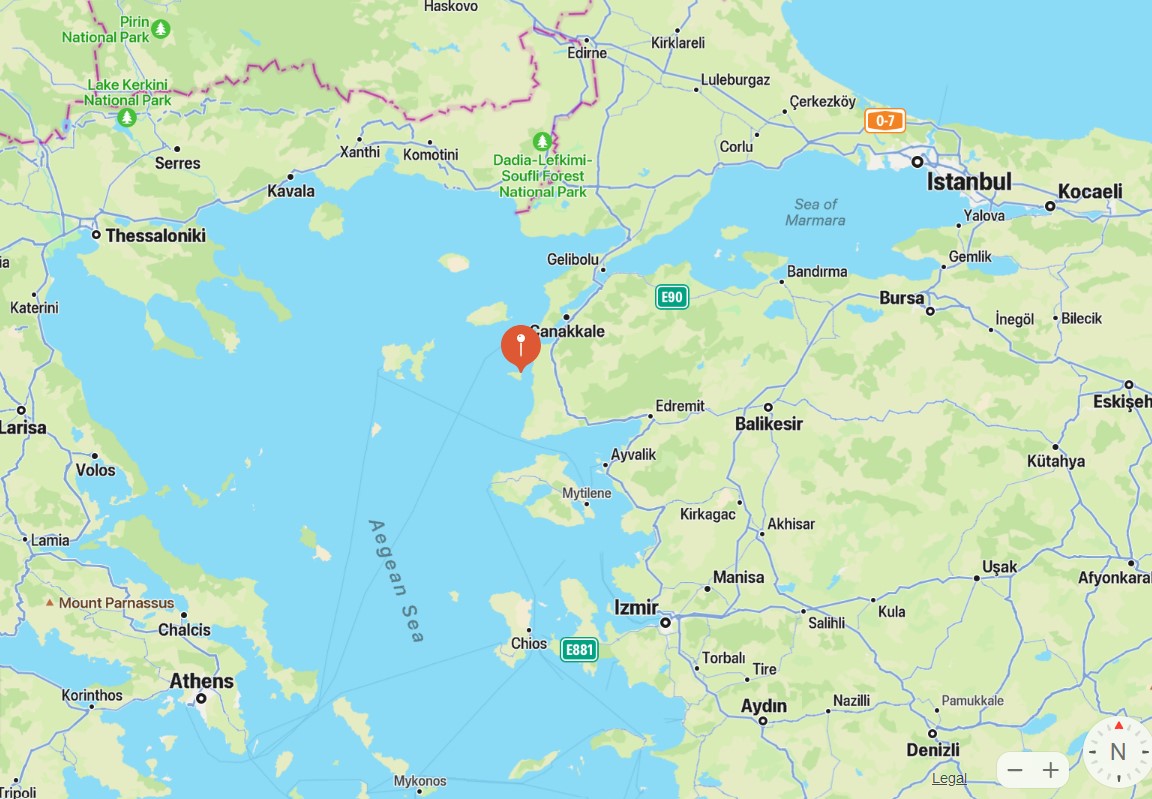
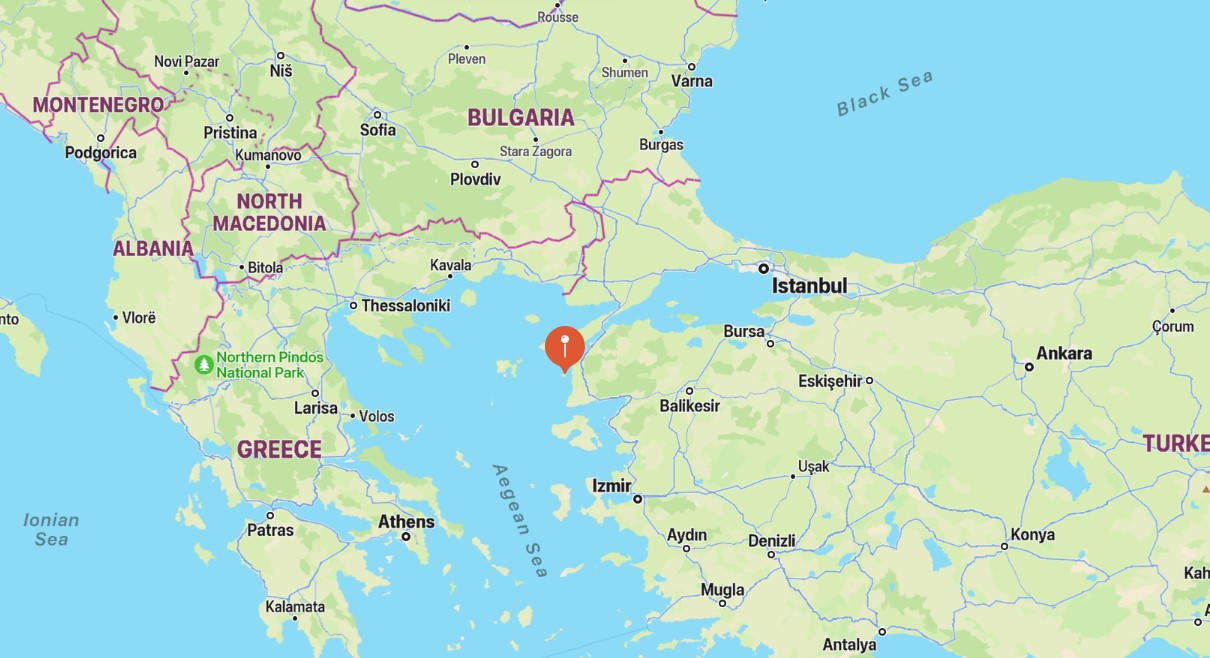
Just to illustrate the strategic importance of Tenedos in antiquity, the island sits at the opening of the Dardanelles Strait which is the only way into the Sea of Marmara, on to the Bosphorus in Istanbul (ancient Constantinople, known as Byzantion by the Greeks before the Romans took over). The Bosphorus is the only way into the Black Sea. This was one of the busiest and richest trading lanes in antiquity.
IN NECESSARIIS UNITAS - IN DUBIIS LIBERTAS - IN OMNIBUS CARITAS THE MAN IN THE ARENA, Theodore Roosevelt at the Sorbonne Paris on April 23, 1910: "It is not the critic who counts; not the man who points out how the strong man stumbles or where the doer of deeds could have done better. The credit belongs to the man who is actually in the arena, whose face is marred by dust and sweat and blood, who strives valiantly, who errs and comes up short again and again, because there is no effort without error or shortcoming, but who knows the great enthusiasms, the great devotions, who spends himself in a worthy cause; who, at the best, knows, in the end, the triumph of high achievement, and who, at the worst, if he fails, at least he fails while daring greatly, so that his place shall never be with those cold and timid souls who knew neither victory nor defeat." My coin website:https://fairfaxcoins.com
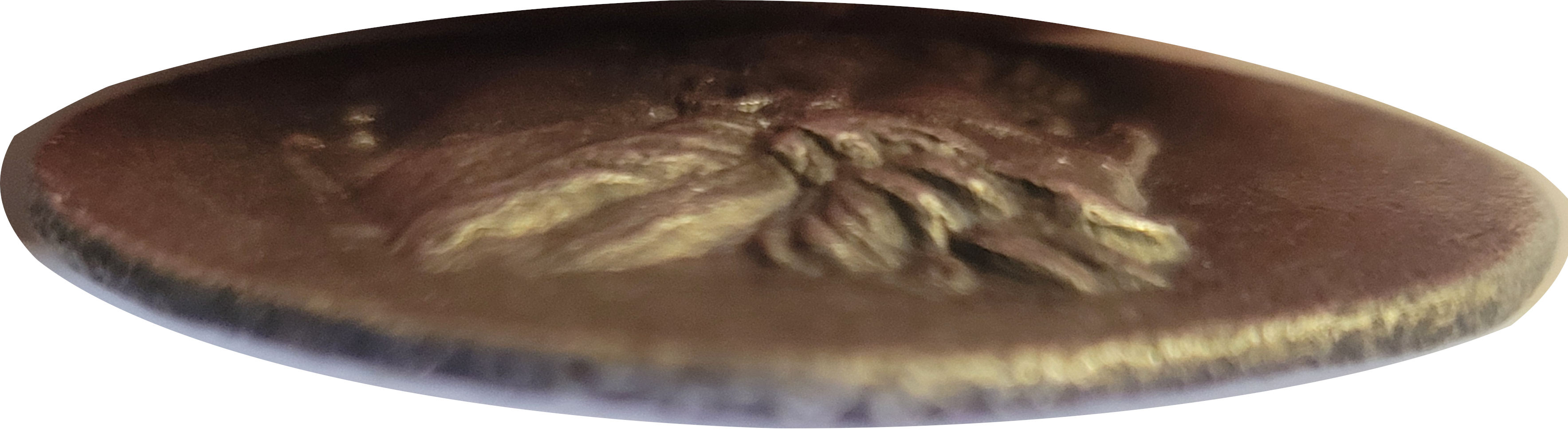
Exceptional. Exceptional dollar size flan as well.
Exceptional provenance.
It must have been a stand out coin amongst it's contemporary peers at the time it was struck, and maybe it was meant for presentation purposes.
Impressive as to how the metal has fully filled the high relief features on both sides, on what is otherwise a coin of half of the weight of most modern World dollar sized coins, with much lower relief.
Just don't include in your display of US Dollars !
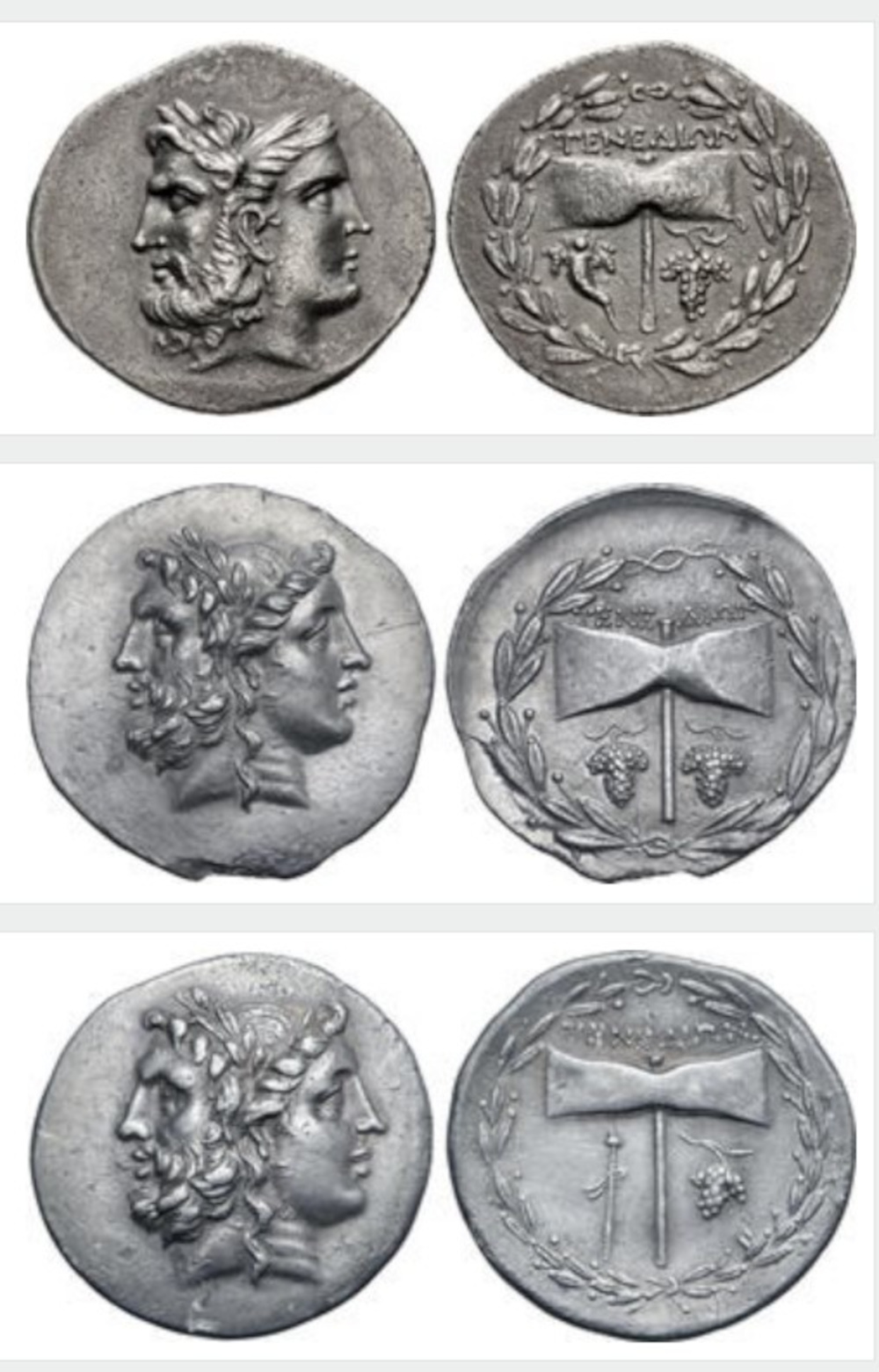
The picture below shows the reference coin stacked above the 2 Tenedos tetradrachms that were in the Nelson Hunt collection for easier comparison. The 2 Hunt coins share the same obverse die. The dies for this coin differ from the ones in the Hunt examples. I really like the more stern and expressive rendition of the janiform bust in the reference coin.
IN NECESSARIIS UNITAS - IN DUBIIS LIBERTAS - IN OMNIBUS CARITAS THE MAN IN THE ARENA, Theodore Roosevelt at the Sorbonne Paris on April 23, 1910: "It is not the critic who counts; not the man who points out how the strong man stumbles or where the doer of deeds could have done better. The credit belongs to the man who is actually in the arena, whose face is marred by dust and sweat and blood, who strives valiantly, who errs and comes up short again and again, because there is no effort without error or shortcoming, but who knows the great enthusiasms, the great devotions, who spends himself in a worthy cause; who, at the best, knows, in the end, the triumph of high achievement, and who, at the worst, if he fails, at least he fails while daring greatly, so that his place shall never be with those cold and timid souls who knew neither victory nor defeat." My coin website:https://fairfaxcoins.com
My error in the 2nd post. The unique Hunt TenTet with two grape bunches sold on Sept. 22, 2022 for £55,000 at Roma Numismatics' auction XXV. It sold at Roma Numismatics' auction XXIII for £110,000 which indicates a softening in the market for high end ancients and reflects current economic conditions.
IN NECESSARIIS UNITAS - IN DUBIIS LIBERTAS - IN OMNIBUS CARITAS THE MAN IN THE ARENA, Theodore Roosevelt at the Sorbonne Paris on April 23, 1910: "It is not the critic who counts; not the man who points out how the strong man stumbles or where the doer of deeds could have done better. The credit belongs to the man who is actually in the arena, whose face is marred by dust and sweat and blood, who strives valiantly, who errs and comes up short again and again, because there is no effort without error or shortcoming, but who knows the great enthusiasms, the great devotions, who spends himself in a worthy cause; who, at the best, knows, in the end, the triumph of high achievement, and who, at the worst, if he fails, at least he fails while daring greatly, so that his place shall never be with those cold and timid souls who knew neither victory nor defeat." My coin website:https://fairfaxcoins.com
Wow, a really great tetradrachm. It's so large. Gotta love the high relief tetradrachms. My biggest are an Alexander the Great tetradrachm, Arados, 30mm, and an Athens new style tetradrachm, 29.5mm.
I'm a Chiefs fan. Thanks for the info on the Hunt family, I didn't know about the Kansas City Chiefs connection with Nelson.
Thanks for you kind comments. The ancient Greek coinage was known for its extremely high relief issues, especially on the obverse side of the coin. The coin shown below is a gold stater in the type of Alexander the Great, a very famous Greek type. In this video, they show the edge view which shows how thin the flan edge was in comparison to the high relief of the obverse. You won't be stacking these coins.
o5SMX_fN_SE
IN NECESSARIIS UNITAS - IN DUBIIS LIBERTAS - IN OMNIBUS CARITAS THE MAN IN THE ARENA, Theodore Roosevelt at the Sorbonne Paris on April 23, 1910: "It is not the critic who counts; not the man who points out how the strong man stumbles or where the doer of deeds could have done better. The credit belongs to the man who is actually in the arena, whose face is marred by dust and sweat and blood, who strives valiantly, who errs and comes up short again and again, because there is no effort without error or shortcoming, but who knows the great enthusiasms, the great devotions, who spends himself in a worthy cause; who, at the best, knows, in the end, the triumph of high achievement, and who, at the worst, if he fails, at least he fails while daring greatly, so that his place shall never be with those cold and timid souls who knew neither victory nor defeat." My coin website:https://fairfaxcoins.com
This came in. Let me know if you have any further thoughts. Thanks!
IN NECESSARIIS UNITAS - IN DUBIIS LIBERTAS - IN OMNIBUS CARITAS THE MAN IN THE ARENA, Theodore Roosevelt at the Sorbonne Paris on April 23, 1910: "It is not the critic who counts; not the man who points out how the strong man stumbles or where the doer of deeds could have done better. The credit belongs to the man who is actually in the arena, whose face is marred by dust and sweat and blood, who strives valiantly, who errs and comes up short again and again, because there is no effort without error or shortcoming, but who knows the great enthusiasms, the great devotions, who spends himself in a worthy cause; who, at the best, knows, in the end, the triumph of high achievement, and who, at the worst, if he fails, at least he fails while daring greatly, so that his place shall never be with those cold and timid souls who knew neither victory nor defeat." My coin website:https://fairfaxcoins.com
Disclaimer: While a tremendous amount of effort goes into ensuring the accuracy of the information contained in this site, Coin Community assumes no liability for errors. Copyright 2005 - 2026 Coin Community Family- all rights reserved worldwide. Use of any images or content on this website without prior written permission of Coin Community or the original lender is strictly prohibited. Contact Us | Advertise Here | Privacy Policy / Terms of Use












 Posted 10/06/2022 3:23 pm