| Author |
 Replies: 21 / Views: 3,882 Replies: 21 / Views: 3,882 |
|
New Member
United States
15 Posts |
Salvete! I'm a teacher and have used ancient coins (on loan) in my teaching from time to time. Recently, I was gifted a small collection of ancients and am trying to educate myself on the collector side of numismatics. One issue I have is that a dozen or so coins that I received had been mounted (for as many as 50 years!) on a display board. As you can see on the reverse of this Gallienus coin, they have some adhesive on one side that needs to be removed. How best to remove this? 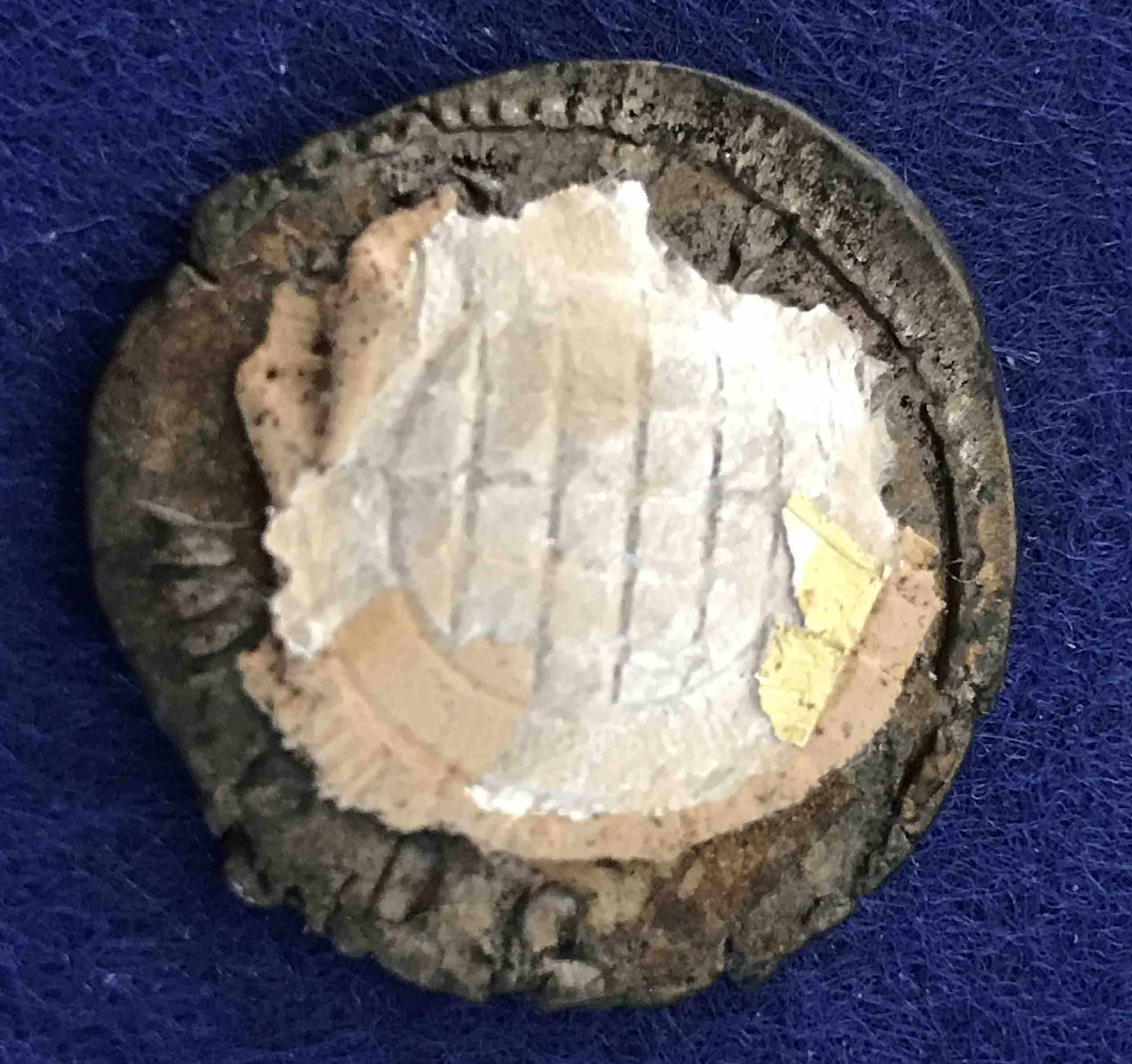 Another coin or two has what I wonder is PVC staining. Is that what is on this Tyrian shekel? If so, I understand acetone can take that off. Is that my best and safest course of action? 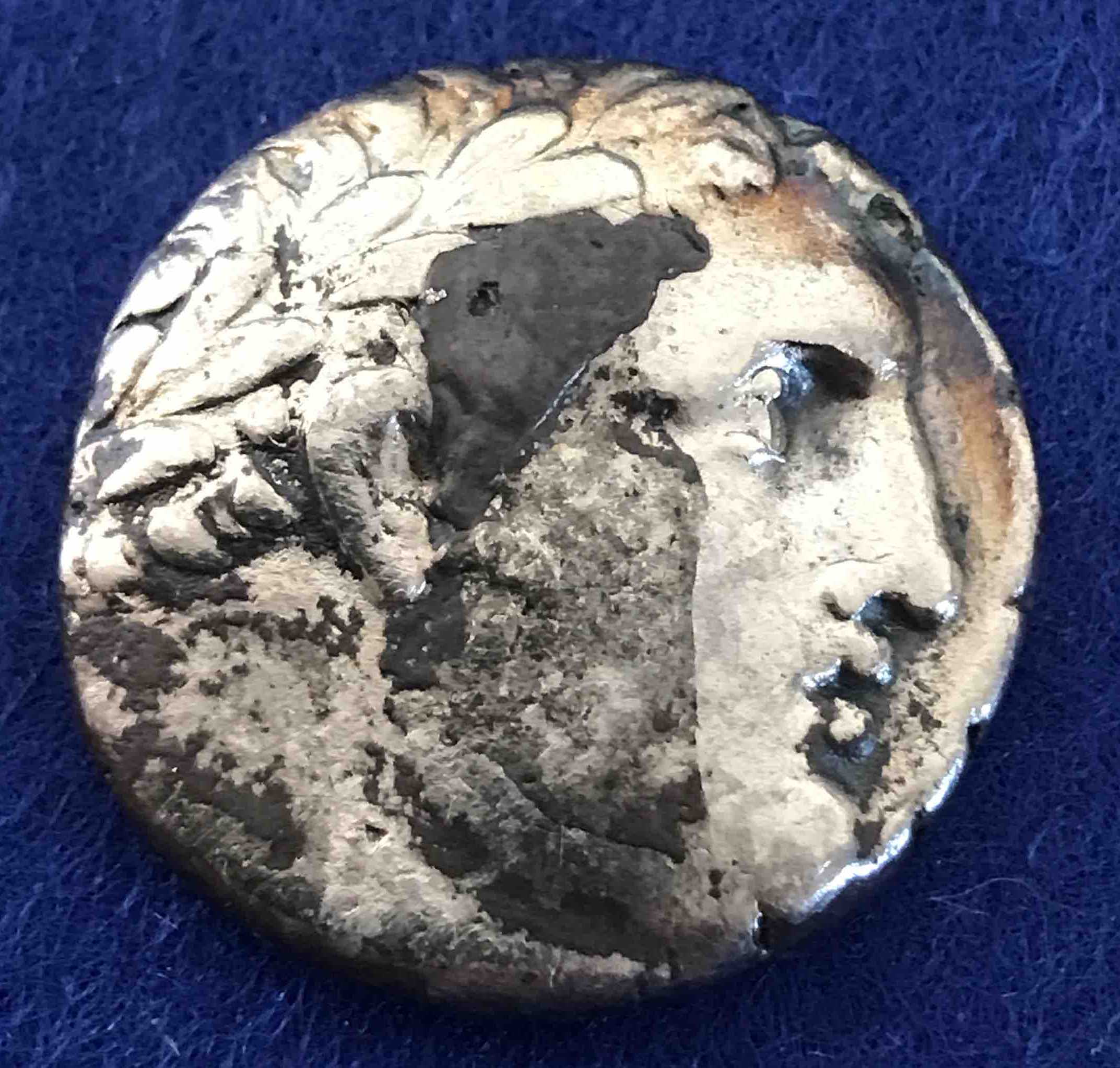 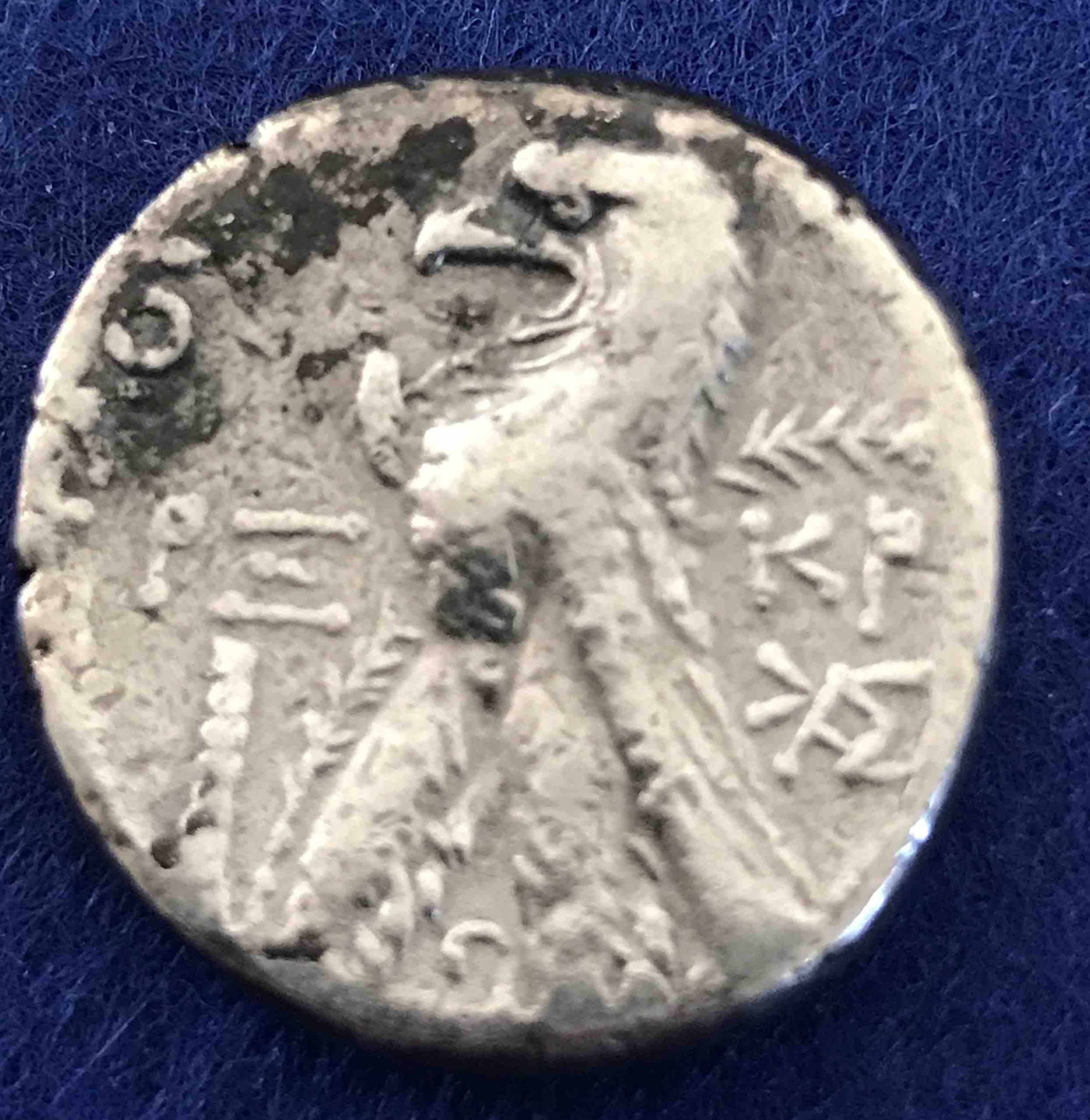 Edited by bdcline
03/13/2023 4:15 pm
|
|
|
|
Pillar of the Community
 United States
976 Posts |
Acetone will remove the adhesive and not hurt the coins at all.
|
|
Pillar of the Community
United States
6841 Posts |
Yes, a acetone soak can't hurt.
|
|
Rest in Peace
United States
4078 Posts |
|
|
Pillar of the Community
United Kingdom
1578 Posts |
|
|
Bedrock of the Community
United States
27283 Posts |
 to the Forum, bdcline! Victor is entirely correct - soaking in 100% pure acetone will remove this residue. It's available at all hardware stores or big box stores. If necessary, gentle prodding with a wooden toothpick can be used to dislodge big chunks. But no rubbing or scrubbing of any sort! Please send pics after treatment! Inordinately fascinated by bits of metal with strange markings and figures
|
|
Moderator
United States
194816 Posts |
to the Community! |
|
Valued Member
United States
223 Posts |
I prefer xylene to acetone, but both should work.
|
|
New Member
 United States
15 Posts |
Thanks for the prompt replies and the warm welcomes!
What do you make of the black residue on the silver shekel? PVC damage?
|
|
Pillar of the Community
United States
2997 Posts |
 with all of the above, but I can add this: That 2nd coin appears to be a Greek silver tetradrachm of Alexander the Great around 330BC.  |
|
Bedrock of the Community
United States
94367 Posts |
to the CCF! |
|
Bedrock of the Community
United States
19531 Posts |
Acetone can also reduce the appearance of PVC. Give the coins in question a looooooong soak--a few days minimum. You can test for effectiveness over this span of time.
|
|
Pillar of the Community
United States
7066 Posts |
Quote:
2nd coin appears to be a Greek silver tetradrachm of Alexander the Great around 330BC. Melkart/eagle. Shekel of Tyre, Phoenicia. Dated PΞ = Civic Year 160 (AD 34/5). |
|
Pillar of the Community
United Kingdom
725 Posts |
The black might be a deposit from the ground, in which case it might not come off without causing damage.
|
|
Pillar of the Community
United States
1122 Posts |
I remove black deposits with a soak in distilled water and if necessary a bit of lemon juice. A wooden toothpick will do the rest. However, with the lemon, you will lose some toning.
|
|
Bedrock of the Community
Australia
21789 Posts |
Adhesive by itself easy enough to remove with acetone.
The problem is that adhesives often have sulfur in their formulation, and this can cause blackening on contact with the coin. This sort of thin surface corrosion cannot be removed with acetone.
If this coin has already had a long soak in acetone, all beneficial treatment that can be done, has already been done.
Nevertheless, the advice of travelcoin may help, but there are risks attached, partly dependent on the metal alloy.
These are also the risks that a museum curator would consider, when cleaning ancient coins after recovery from burial.
|
| |
Replies: 21 / Views: 3,882 |







 Posted 03/13/2023 4:35 pm





