| Author |
 Replies: 68 / Views: 6,687 Replies: 68 / Views: 6,687 |
|
|
|
Forum Dad
 United States
24243 Posts |
|
|
Pillar of the Community
Canada
6244 Posts |
I didn't know Bobby that you speak Yiddish, so you can free wrote me Yiddish.
Edited by silviosi
09/09/2023 8:58 pm
|
|
Pillar of the Community
United States
3518 Posts |
silviosi, please share, in simple terms, what you think damaged this coin?
Edited by nfine
09/09/2023 10:15 pm
|
|
Pillar of the Community
Canada
6244 Posts |
I see foreign material, which do not go with acetone. Some how an insect leg was with this foreign material. Do not gone with acetone because not everything will solute in acetone. This it is what I see.
What can solute I will not post because all are health threatening as the dimethyl and etc.
|
|
Pillar of the Community
 United States
5724 Posts |
The properties of copper-nickel alloys are much different than pure nickel, so that chart describing the reaction of nickel to various chemicals is irrelevant. The cupronickel in clad coinage is much more resistant to acid corrosion than pure copper.
That said, I'm not even sure which damaged coin we're talking about anymore.
|
|
Pillar of the Community
Canada
6244 Posts |
@ Zurie: Quote:
The properties of copper-nickel alloys are much different than pure nickel, so that chart describing the reaction of nickel to various chemicals is irrelevant. The cupronickel in clad coinage is much more resistant to acid corrosion than pure copper. I agree and dis-agree. Yes the alloy it is more resistant to acids because will be impossible to reach the both conditions in the same time. Just think how the separation of the elements in the alloy is made? First you will solute the most predominant, then the second and then further.. Ex: gold 18 kt. or 750 gold. Has silver and cooper in alloy. So first dissolve the gold, then the silver and in the end the cooper left. I also agree with you about the pseudo damage of this coins also. PS: In alloy each metal preserve theirs chemical proprieties but is change the physicals proprieties as malleability, resistance, electro, and more Edited by silviosi
09/10/2023 12:17 am
|
|
Forum Dad
United States
24243 Posts |
|
|
Pillar of the Community
Canada
6244 Posts |
OK Bobby it is what you say. For me it is a mystery to say acid or soda without name what was. So what I try to help is crap, I will not post anymore because seem we like more folks then reality. Sorry to disturb. PS: What I post has references in: 1: Greenwood,N.N., Earnshaw,A. Chemistry of the elements 2nd edition (1997) Edited by Greenwood,N.N., Earnshaw,A. pp. 1-1340, Butterworth-Heinemann. Oxford. Great Britain 2: Standard Methods for the Analysis of Water and Wastewater, APHA, 1992, 18th edition 3: Pure Metals Properties. A Scientific-Technical Handbook 1st edition (1999) Edited by Buch,A. pp. 1-306, ASM International and Freund Publishing House Ltd. Ohio. USA 4: General chemistry 7th edition (1984) Edited by Holtzclaw, Jr.,H.F., Robinson,W.R. & Nebergall,W.H. pp. 1-932. D.C. Heath and Company. Lexington 5: Merck. ChemDAT The Merck Chemical Database Ver. 1.1.5 6: CRC Handbook of Chemistry and Physics 75th edition (1994) Edited by Lide,D.R. , CRC Press Inc. Boca Raton, USA 7: The Merck Index 12th edition (1996) Edited by Budavari,S., Merck Research Laboratories, USA 8: Live Chart of Nucleotides Nuclear Data Service. https://www-nds.iaea.orgAt the Merk annual gala in Dec this year I must tell them that what they made studies is crap?. I am invited there from more then 15 years.Edited by silviosi
09/11/2023 01:25 am
|
|
Forum Dad
United States
24243 Posts |
Which ones of those references actually show coins like I posted? Don't bother looking.... it's none of them. Their studies do not refer to coins. These coins are acid damaged. Period. I doubt those studies are crap, but they DON'T apply here or you are interpreting them WRONG.
AND YOU STILL IGNORED THE QUESTION. What is your explanation for these coins that happen by the thousands?
|
|
Pillar of the Community
Canada
6244 Posts |
 OK Bobby I will answer and hope you understand the terms. I do not have idea how to explain in an day by day language, Sorry. The studies touch the coins All the coins are just an round of metal processes. Alloy or not it is metal and preserve theirs metallic chemical proprieties. In alloy is change the physicals proprieties. This it is a fact, which could be not denies. When the coins alloy is choice or the metal, the first factor is look for it is the feasibility, chemical proprieties, economic and the last physicals proprieties. Why the chemical proprieties of metals come before physicals it is because the Mint use different solute for cleaning, strike cooling and emulsion. Another think, in this case of clad it is the clad process (first in the begin was cold and then in short time pass to hot cladding). This clad has Cu as alloy only for the propriety to have a bridge between the Cu and the Ni. and not what Zurri say resistance against acids. the reason they past from cold procedures to hot could be another interesting educational topic. The coins photos you present here and you say experts say ACID, me I doubt 100%. No acid will preserve the reeds. I recognize I never try in my Lab to simulate this but I think I will do. I allready test different acids as extra strong, strong and mild, and never have this form of ionic exchange and corrosion. In my opinion I calculate that could be: 1. Ammonia, Hydroxides (ex: N hydroxide) 2. Alkali which are corrosive for Cu(II) and Cu(III) 3. Water or others solutes which have an PH level lower of 7.I find funny Bobby that you tell me I misunderstand those studies, when I was involved in some of them.  The point 1 & 2 precipitate the Cu and do not corrode and for me this will be the cause. Ammonia, Hydroxides and alkali we find normally in soil, some salty waters, also in many organic composts. For the Soda (commercial soda) I will be happy to know which kind because the Soda by fact it is mineral water or Carbonic water, which all commercial Soda kind as Pepsi, Coca-Cola, etc. contains. For me will be a funny to analyze those formulas and also test. I hope you have the answer you ask for, and sorry if I miss the really point of your question. Edited by silviosi
09/11/2023 10:03 pm
|
|
Forum Dad
United States
24243 Posts |
And again you COMPLETELY IGNORED the question. You've been asked about 10 times now.  |
|
Pillar of the Community
Canada
6244 Posts |
Bobby, what it is your question I ignore? I give you explanation for your photos, I put the chemistry reactions of the metals.
Please give me your question and I will answer and this is no doubt. I will be correct or wrong? I do not know exact the question.
|
|
Forum Dad
United States
24243 Posts |
You've been asked probably 10 times in this topic by different people. What is your explanation of the cause of this VERY common issue. I've seen hundreds upon hundreds of them. Like I said, I found the ones above here in about 45 seconds. What causes this?
|
|
Pillar of the Community
Canada
6244 Posts |
Bobby the topic was on apparently an insect leg on a Dime. For the shrink of the Cu I answer what I think could be. This effect could be find also on cents before 1982. I say: Quote:
In my opinion I calculate that could be:
1. Ammonia, Hydroxides (ex: N hydroxide)
2. Alkali which are corrosive for Cu(II) and Cu(III)
3. Water or others solutes which have an PH level lower of 7. Is not acid on 100% and I will made more tests and studies on this kind of anomaly. For me from the point of view molecular it is interesting that the Cu free anions after strike in some conditions migrate to some solute or elements. I will involve also others scientific guys to find exact. But I think it is the point 1. |
|
Forum Dad
United States
24243 Posts |
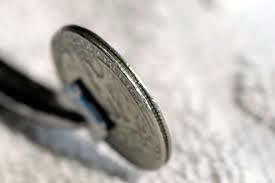
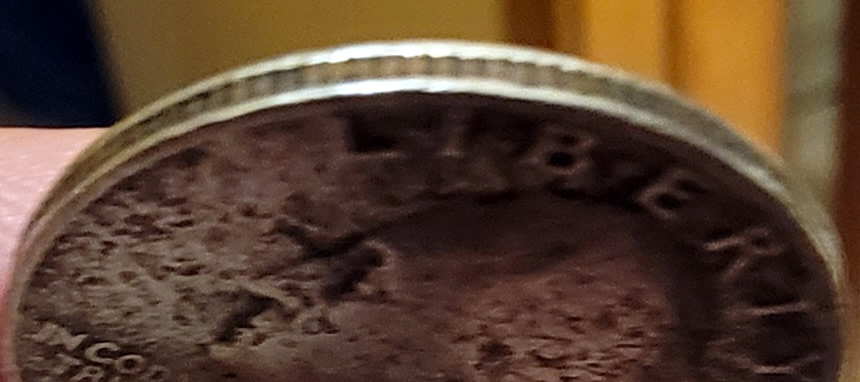
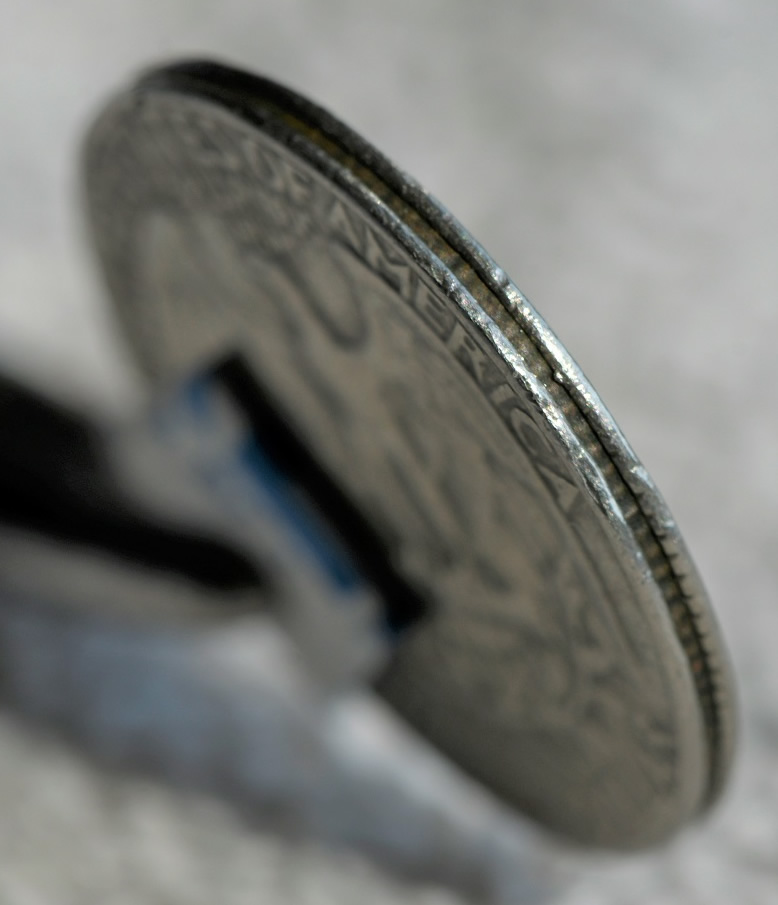
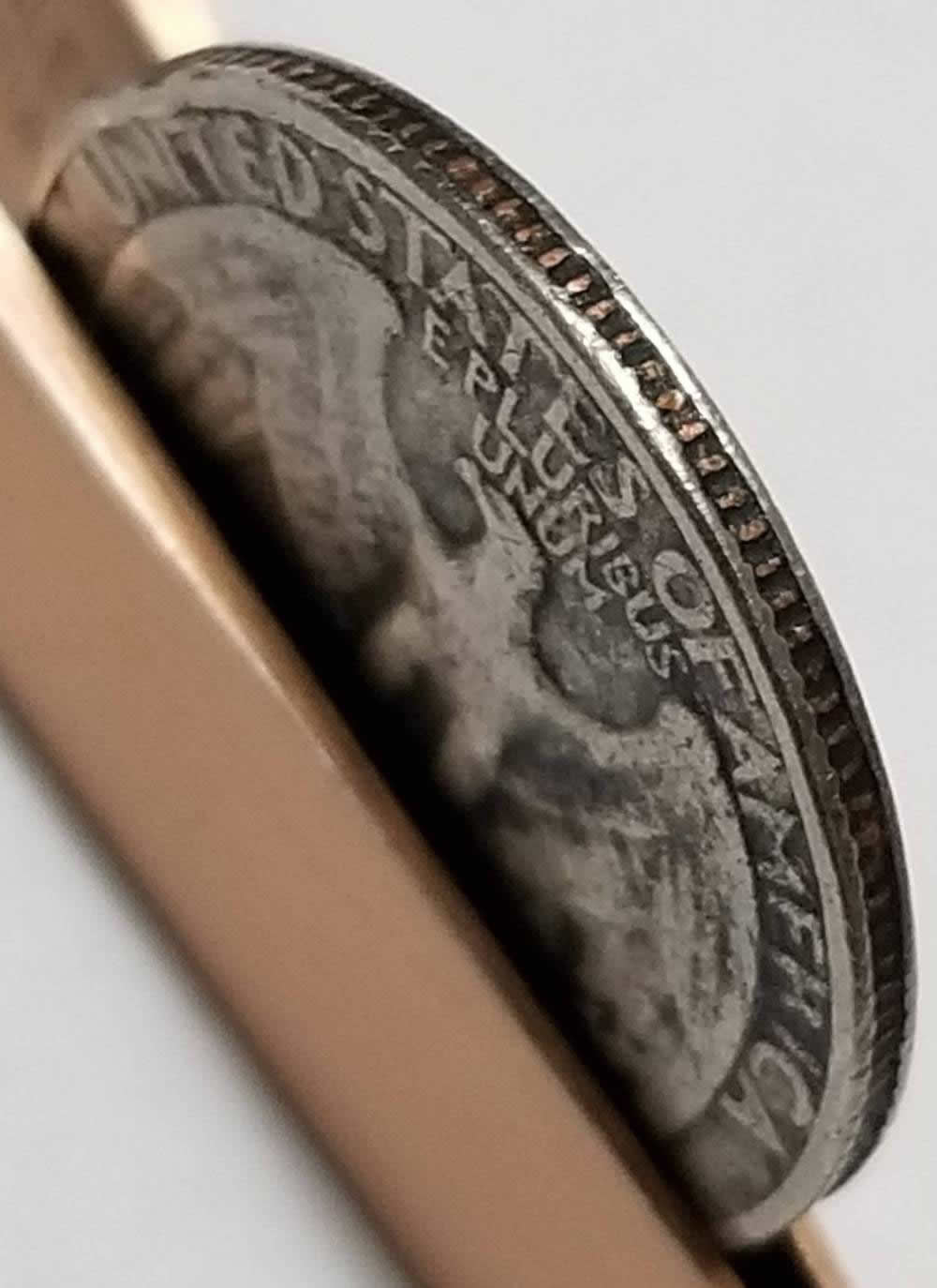
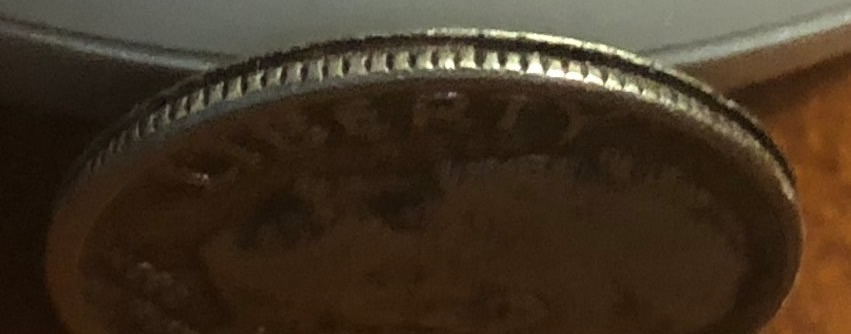
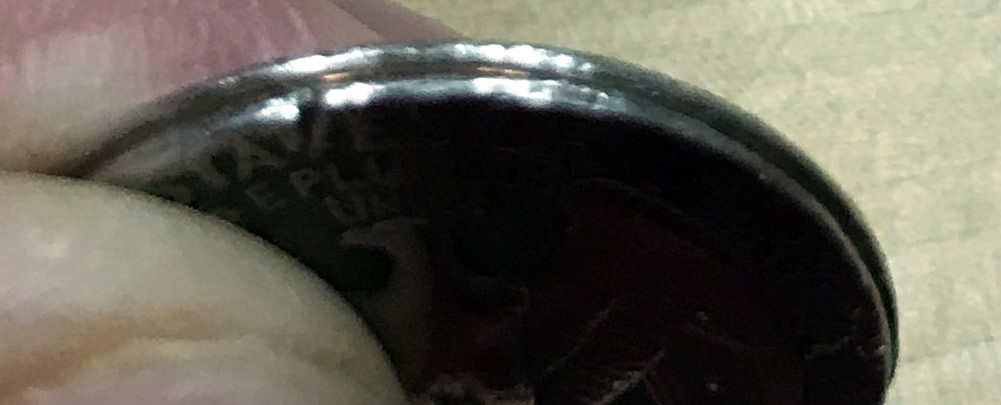
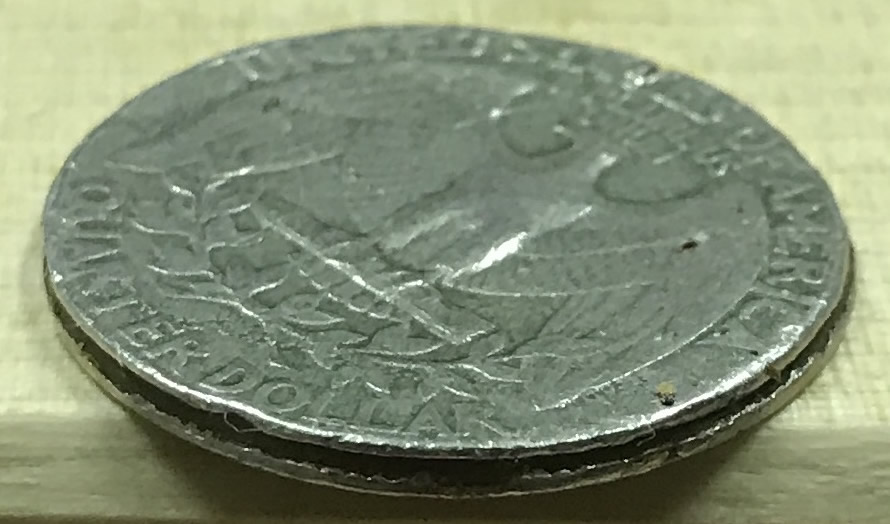
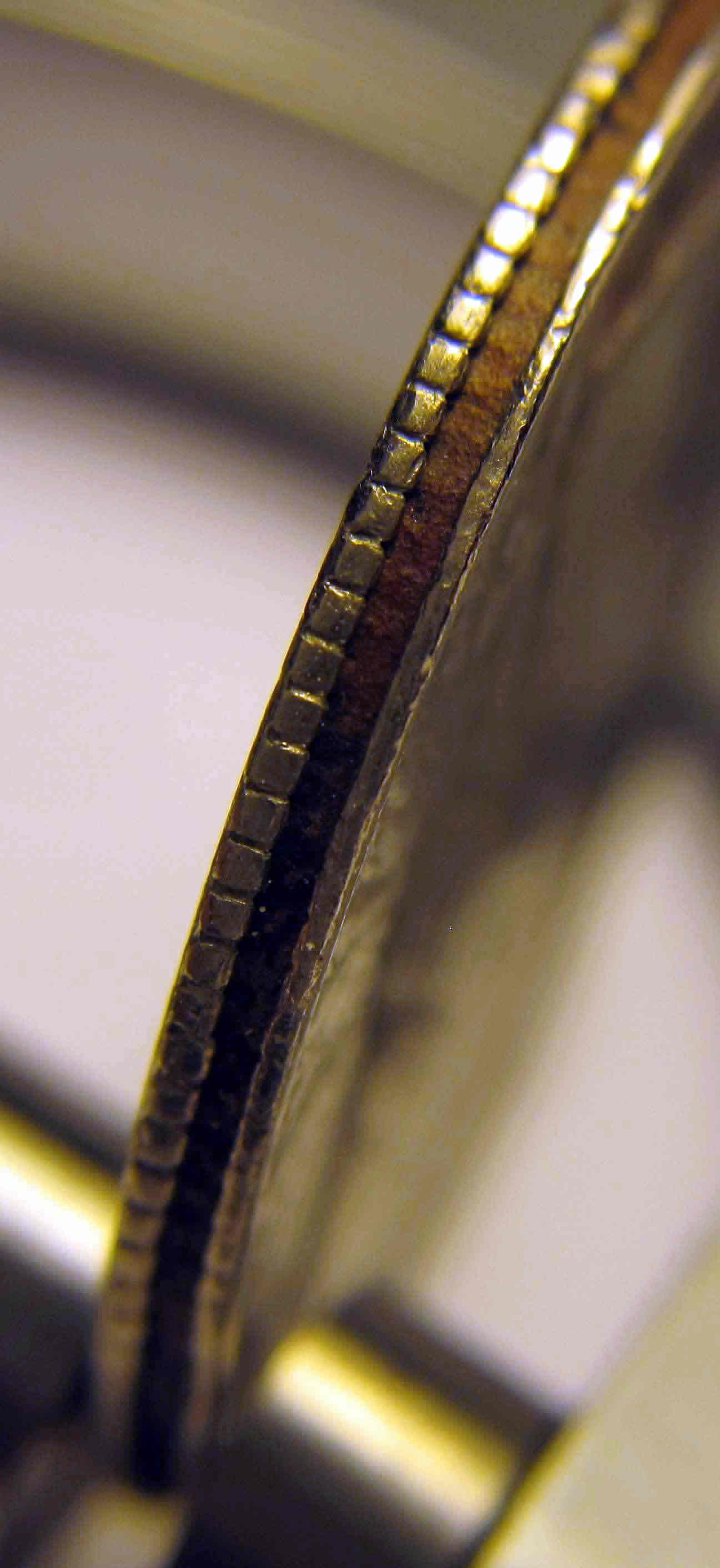
You were NOT talking about the OP in this topic. You were talking about his other coin which has since been removed since he posted it in a split planchet topic. This is the coin you were referring too... 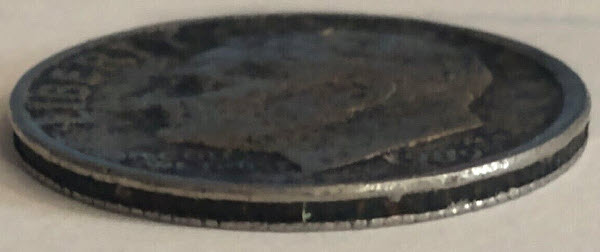 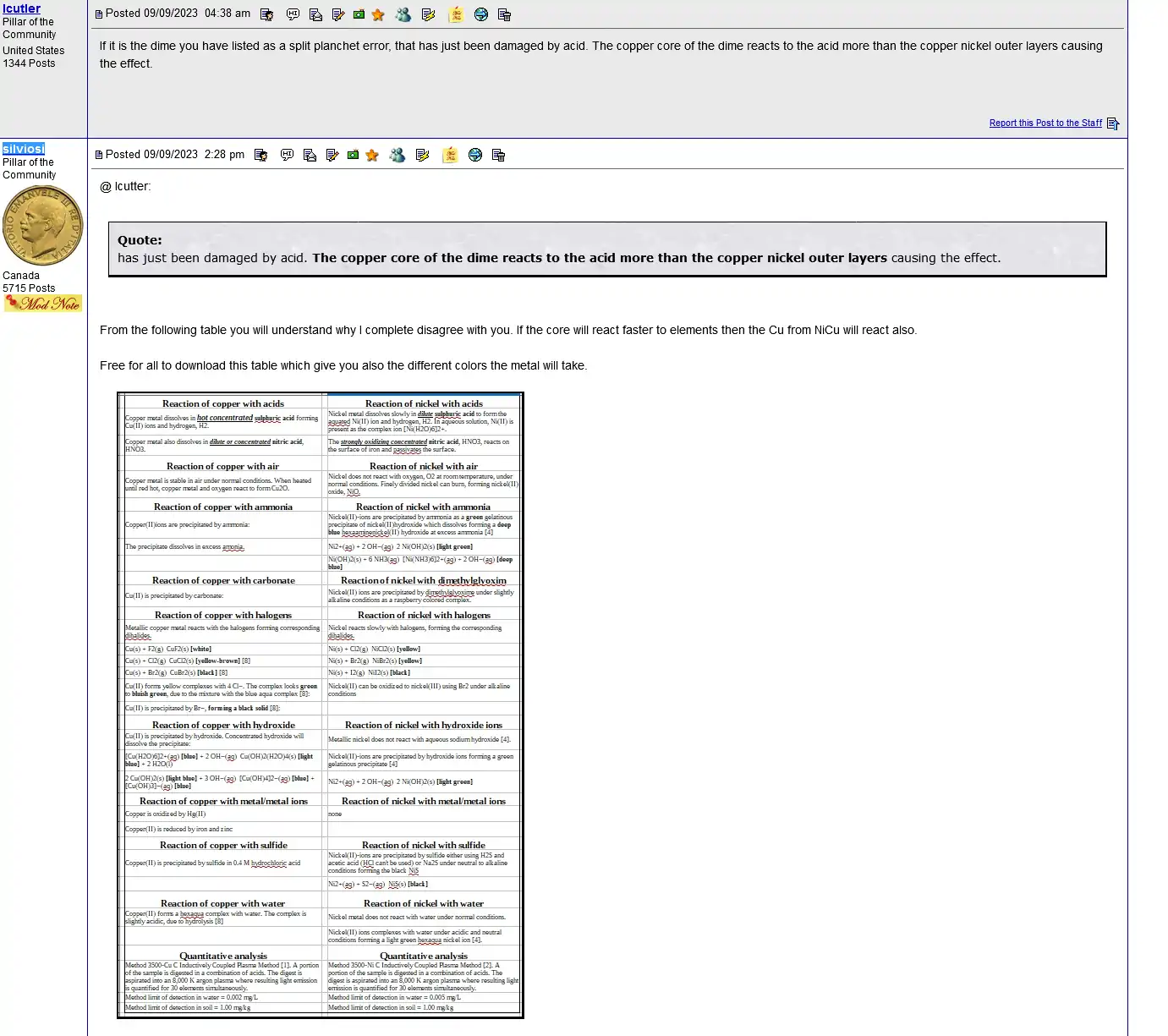 |
| |
Replies: 68 / Views: 6,687 |




 First Page
 Previous Page


 Posted 09/09/2023 8:57 pm