| Author |
 Replies: 11 / Views: 1,140 Replies: 11 / Views: 1,140 |
|
|
Pillar of the Community
 United States
1502 Posts |
Wondering if anyone can chime in on what the percentages of tin/zinc might have been in the early Wheat days (and how they may have changed) that would preserve earlier ground-find Wheats far better than those a decade or more older. I found this 1910-S metal detecting last week, less than 12 inches away I pulled a heavily corroded wheat that I believe is 193x - identical soil conditions. Similar depths lead me to believe they were dropped at roughly the same time. Some brief research suggests that Tin is far more corrosion resistant than Zinc and assume earlier wheats may have had a greater percentage of Tin.  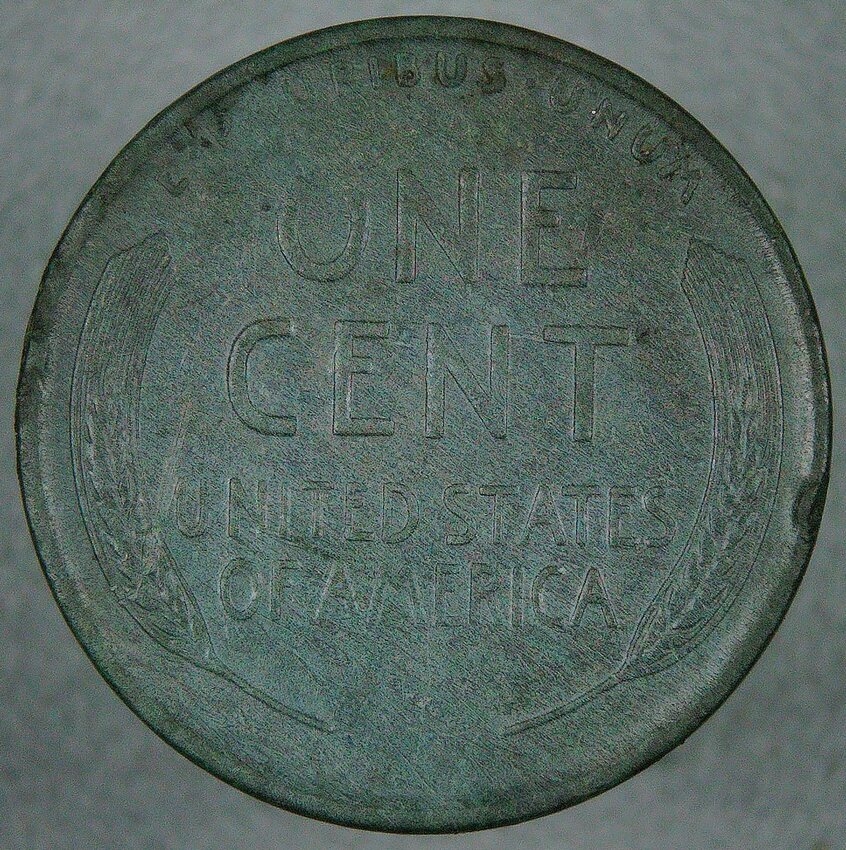 |
|
|
|
Bedrock of the Community
United States
20027 Posts |
NICE GROUND FIND!  Looks to be AU. I must have not been in the ground as long or something protected....like luck. Who knows but all that matters is you scored! The cent composition was the same to 1942: 95% copper, 5% tin and zinc |
|
Pillar of the Community
 United States
1502 Posts |
BT - I know the total of Tin/Zinc is 5% but found some reference to early wheats containing up to 4% Tin and that started tappering off to 2% Tin later on. A higher Tin content would surely contribute to better preservation over the long run - have just not seen definitive lit from the mint on the mix. Or maybe there isn't anything that precise in the alloy - just throw in what they had for fill at the time.
|
|
Pillar of the Community
United States
1502 Posts |
And for what it is worth, I was somewhat shocked after a 20min Alkali wash (Sodium Sesquicarbonate) and a quick rinse. Here is the ground find. 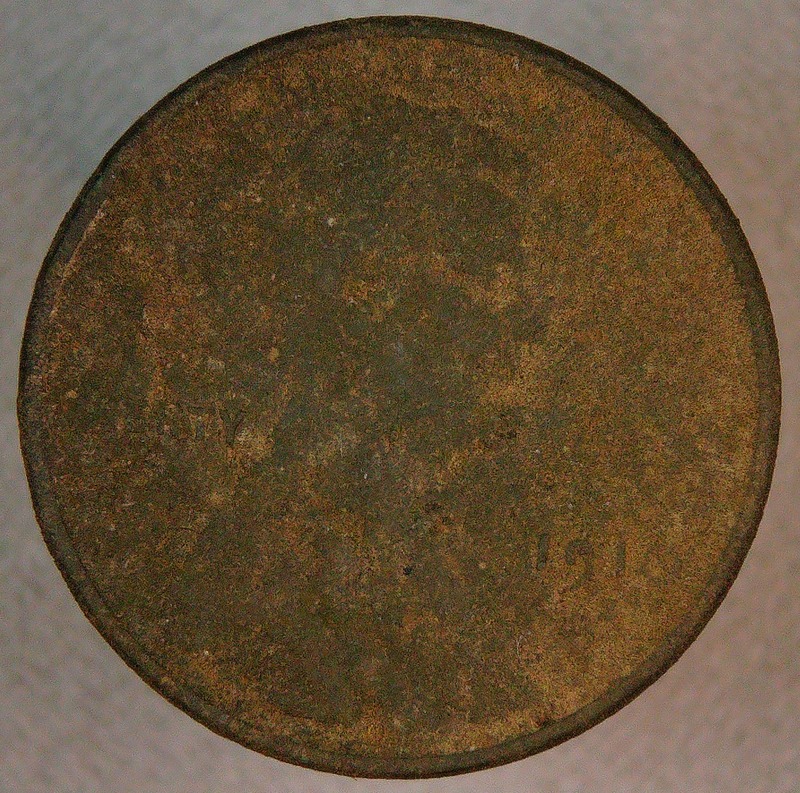 Edited by DOCC
04/26/2023 03:06 am
|
|
Pillar of the Community
United States
797 Posts |
Nice find and very nice conservation job!
|
|
Pillar of the Community
United States
1502 Posts |
Thx JT. Always exciting when an encrusted coin comes back to life with no corrosion.
|
|
Bedrock of the Community
United States
20027 Posts |
Quote:
I was somewhat shocked after a 20min Alkali wash (Sodium Sesquicarbonate) Looks like it removed all the detail, OUCH! VC would have been a much better choice. Lincoln Cent Lover!VERDI-CARE™ INVENTOR https://verdi.care/
|
|
Pillar of the Community
United States
1502 Posts |
Hard to tell BT, can't really see any detail at the start but you could be right. But to remove detail I would assume that the patina would have been removed as well. What are your thoughts on that?
I've never tried VC but will give it a go. I sourced the Alkali method from museum preservation articles on ancient coppers. Seems to work well so far.
|
|
Bedrock of the Community
United States
20027 Posts |
Looks like it had a lot of detail to me: Now it's mostly a slug: Lincoln Cent Lover!VERDI-CARE™ INVENTOR https://verdi.care/
Edited by BadThad
05/12/2023 3:36 pm
|
|
Moderator
 United States
194701 Posts |
|
|
Pillar of the Community
United States
1502 Posts |
Thx jbuck.
You were looking at them backwards BT, I should have been more clear that first image was after restoration.
|
|
Bedrock of the Community
United States
20027 Posts |
DOH! No wonder I had the wrong impression - I'll try reading next time. LOL Normally we post BEFORE then we post AFTER pictures. Looks like is was a very successful conservation given the order was reversed!
|
| |
Replies: 11 / Views: 1,140 |
|










 Posted 04/26/2023 02:29 am


