Thank you. The odd thing to me was that proof like for where I am from requires frosted reliefs. How they happened is the same process. New dies when well prepared and new produced those better coins. They were also part of normal production.
But people here only value as proof-like those of the first coins that have frosted reliefs.
I like the old
US coins more when they have a frosted look, even in the fields. Or tiny flow lines that make them uneven and scatter light. It is perhaps because I am used to look for that
Some months ago I found this 1904 $20 very attractive because of that light scattering effect, got it because of that look.
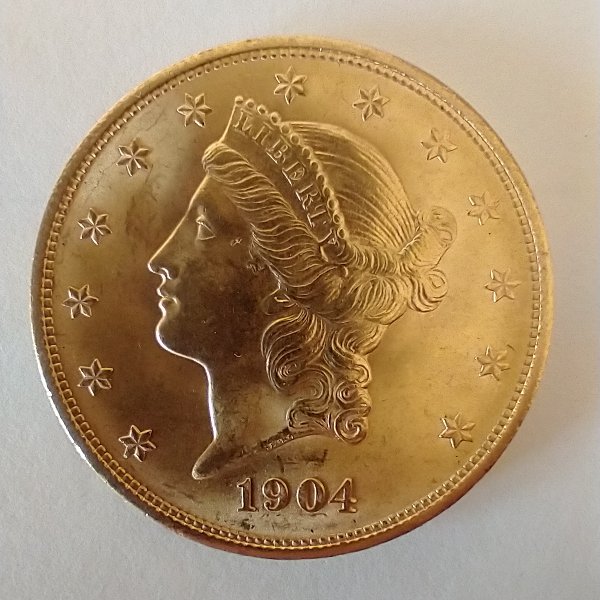
But if I am understanding right, then what I think is a less pretty coin, that is flatter, reflective, is more appreciated?
This was my 'bad' 1904, it reflects a bit, I took some photos now trying to show it:
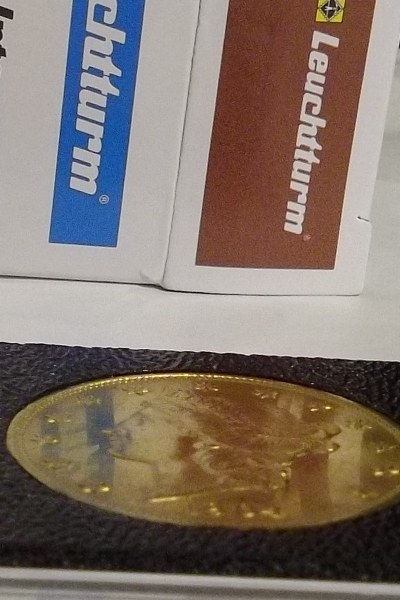
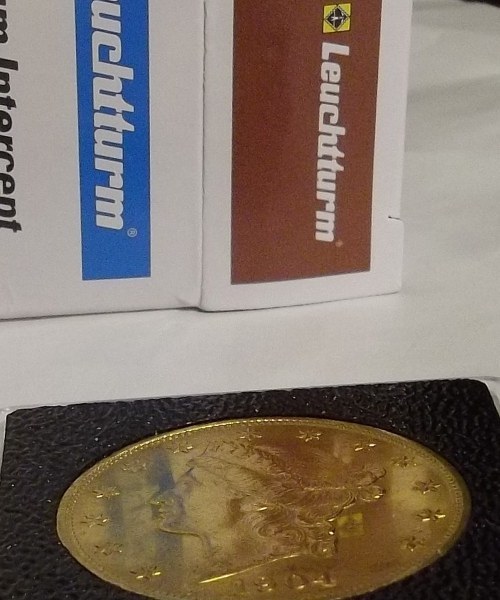
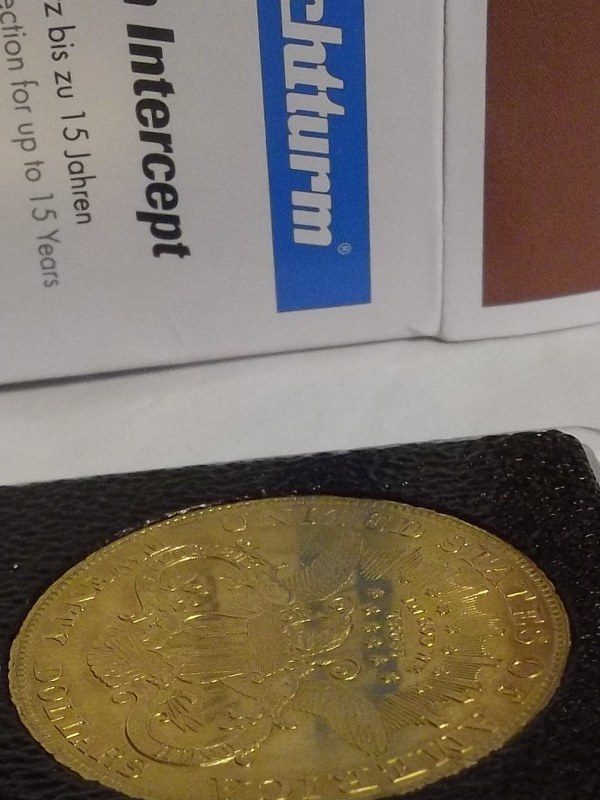
I see that it falls off with distance, as you say. But I never found this coin much appealing, because it lacked the frosty-ness. The mirror-likeness is uneven, degrades near the rim. It was just well preserved, that was all that moved me to keep it.
Those prooflike are perhaps supposed to be more reflective, almost like a modern proof ?







 Posted 07/11/2023 2:56 pm


