| Author |
 Replies: 14 / Views: 1,296 Replies: 14 / Views: 1,296 |
|
|
Pillar of the Community
United States
6880 Posts |
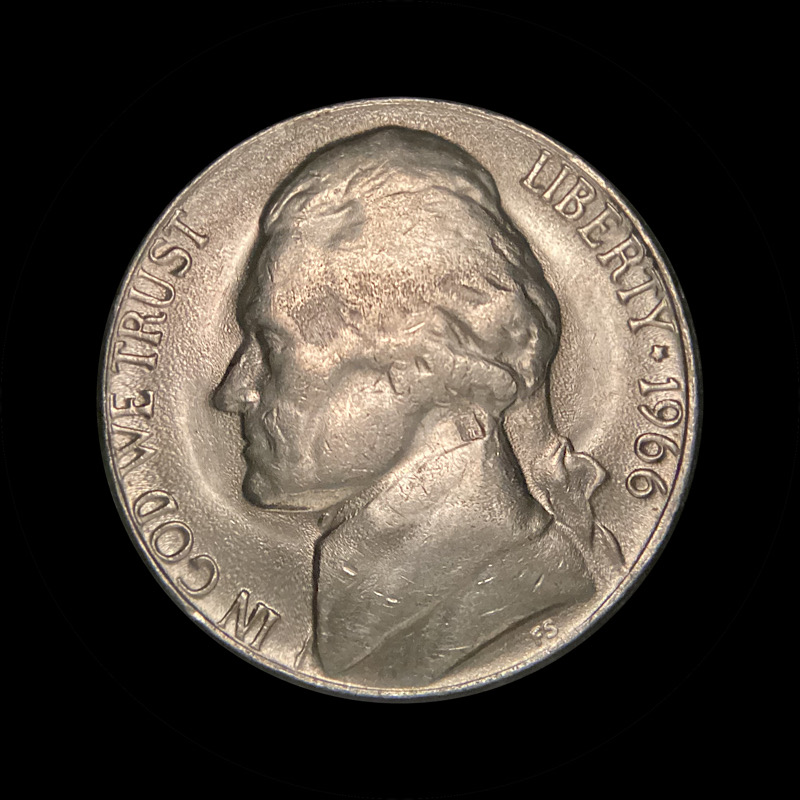 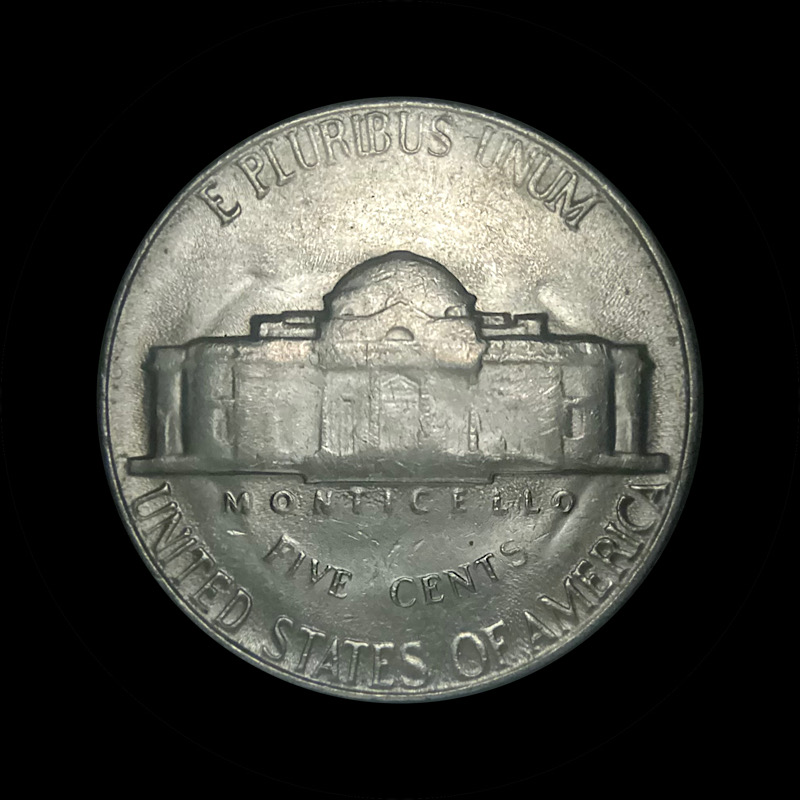 I have had this nickel for a while, but I hadn't been able to image the feature to my satisfaction. Both sides show advanced orange peel deterioration, meaning this is a very late die state. Interestingly, in daylight, this coin shows magnificent luster and eye appeal due to the way the orange peel texture scatters the light. The feature in question is the sunken areas on both sides of the coin. The metal around Jefferson's bust and Monticello seem to sink into the coin faces in a fuzzy circular shape. However, that doesn't make much sense to me, as that means the die face would be higher there than around the rim. Is this progressive indirect transfer between heads and tails? Or is this some form of die subsidence, or something else entirely?
Error-Ref: Progressive Indirect Transfer
Error-Ref: Sunken Die
|
|
|
|
Bedrock of the Community
United States
78617 Posts |
Wow, that's one tired die! You're correct. It's Progressive Indirect Design Transfer.
Errers and Varietys.
|
|
Pillar of the Community
United States
3209 Posts |
Yep, good example of PIDT.  |
|
Pillar of the Community
 United States
6880 Posts |
I snapped some windowsill pics just to show the luster. You can't even point the camera at it directly because it has a near-proof gleam to it. 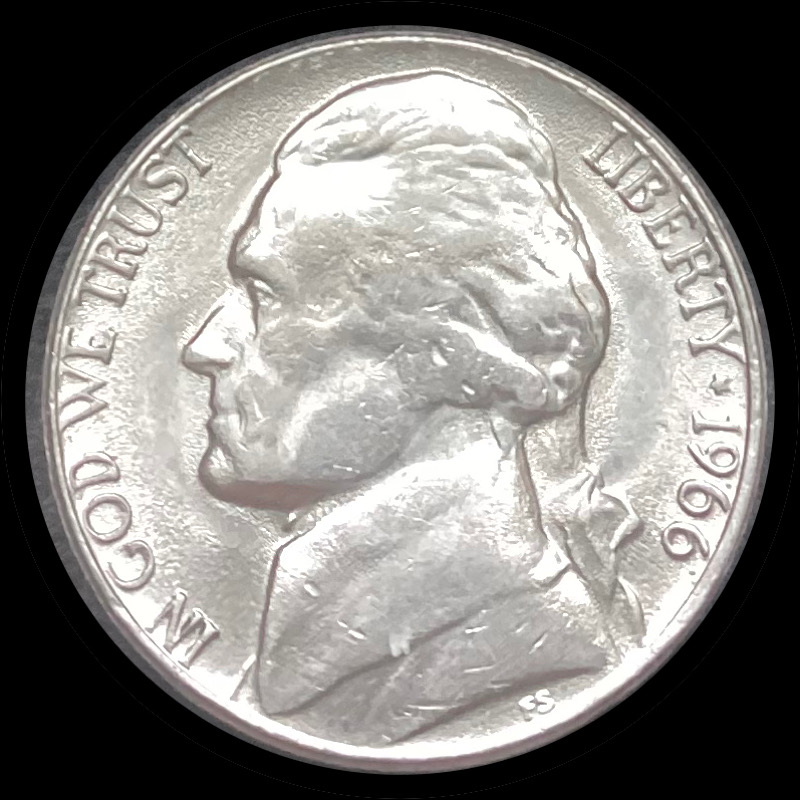 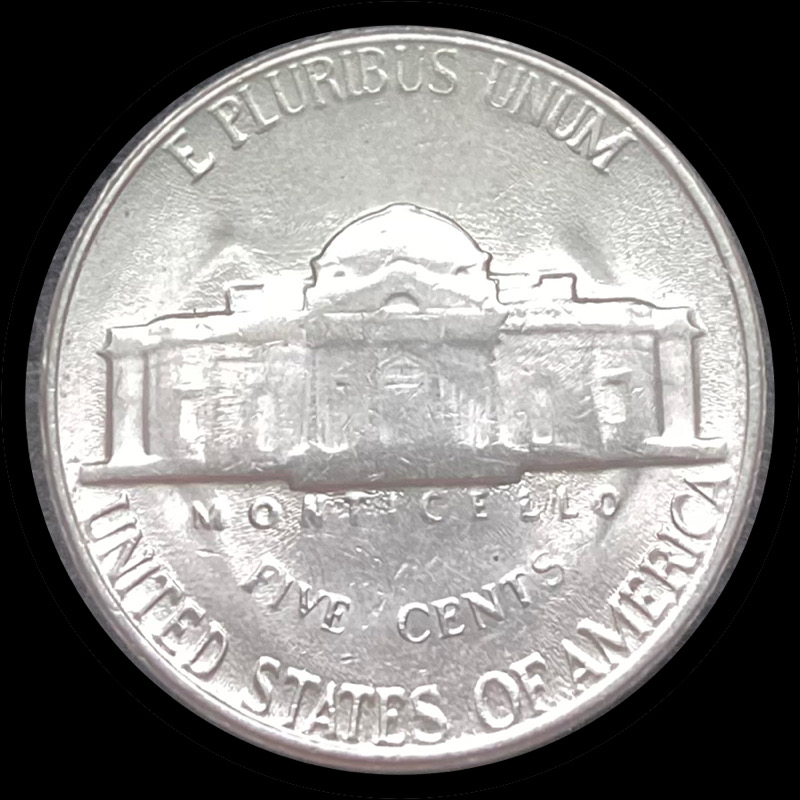 I thought it was rather unusual to find a 57 year old coin in such pristine condition while coin roll hunting (and machine-wrapped rolls, at that!). Aside from a few tiny nicks, it is in phenomenal shape, as if someone popped it out of an album after 57 years and dropped it into a Coinstar last month. |
|
Pillar of the Community
United States
6880 Posts |
Anyway, thanks for confirming that this is IPDT, guys. =)
|
|
Pillar of the Community
United States
2775 Posts |
Assuming the weight is normal. I see more of a Sunken Die issue, than a transfer, or maybe a combination of the two. The dies seem beat down for sure. Thanks, Doug.
|
|
Pillar of the Community
United States
6880 Posts |
Why wouldn't the weight be normal? That is based purely on the planchet, not the die condition.
|
|
Pillar of the Community
United States
2775 Posts |
Quote:
Why wouldn't the weight be normal? That is based purely on the planchet, not the die condition. Correct. Two different things to consider. The loss of so much detail has my minds eye wondering. Thanks, Doug. |
|
Bedrock of the Community
United States
94367 Posts |
|
|
Pillar of the Community
United States
6880 Posts |
Ok, Doug, so what are you pondering? Something like a late stage die cap? The design seems to have adequate detail, although I would say the reverse is considerably more distorted than the obverse.
|
|
Pillar of the Community
United States
6880 Posts |
I checked the mass. fwiw, 5.00g on the nose.
|
|
Moderator
 United States
106050 Posts |
very nice find of an extremely overused die.
|
|
Pillar of the Community
United States
2775 Posts |
Quote:
Ok, Doug, so what are you pondering? Something like a late stage die cap? Don't recall any mention of that. (See above) Thought I was on board with I see more of a Sunken Die issue, than a transfer, or maybe a combination of the two. The dies seem beat down for sure. Quote:
The design seems to have adequate detail, although I would say the reverse is considerably more distorted than the obverse. Exactly a proper weight confirms its not an additional cause to the distortion or what I referred to as lack of detail on both obverse and reverse. Thanks, Doug. |
|
Pillar of the Community
United States
6880 Posts |
Ok, got it. So we are all agreed that this is a very late state Die Deterioration situation. PIDT is likely, sunken die might be a possibility. Not sure how we would diagnose one versus the other. As always, it feels strange to see a well struck nickel in great condition, but with such severe Die Deterioration. |
|
Moderator
United States
195142 Posts |
Interesting example! |
| |
Replies: 14 / Views: 1,296 |
|







 Posted 10/15/2023 12:40 pm





