| Author |
 Replies: 11 / Views: 1,552 Replies: 11 / Views: 1,552 |
|
|
Valued Member
Singapore
151 Posts |
Hi, Is that a genuine coin? The weight is 10g, slightly higher than 9.45g stated in numista. Pictures below. 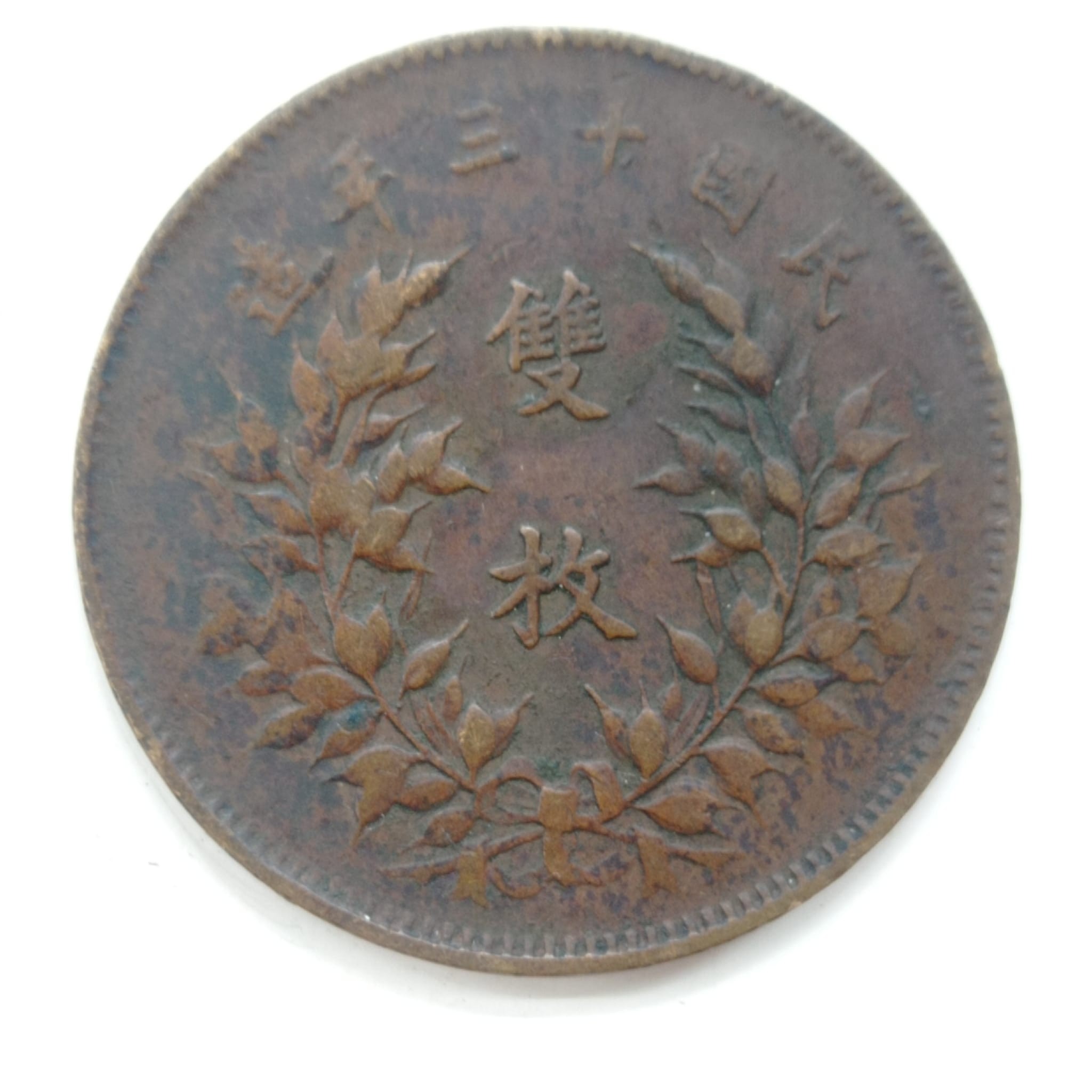 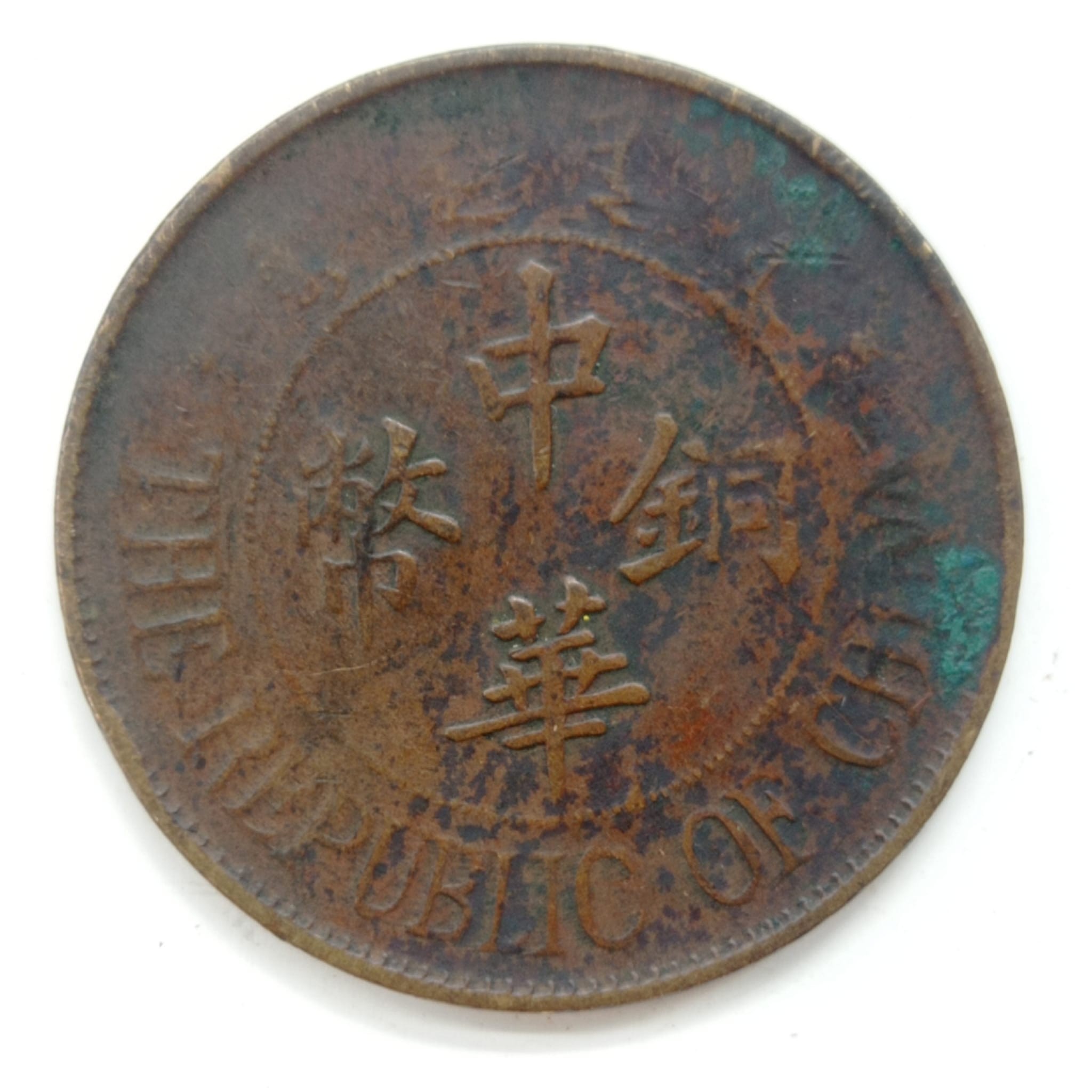 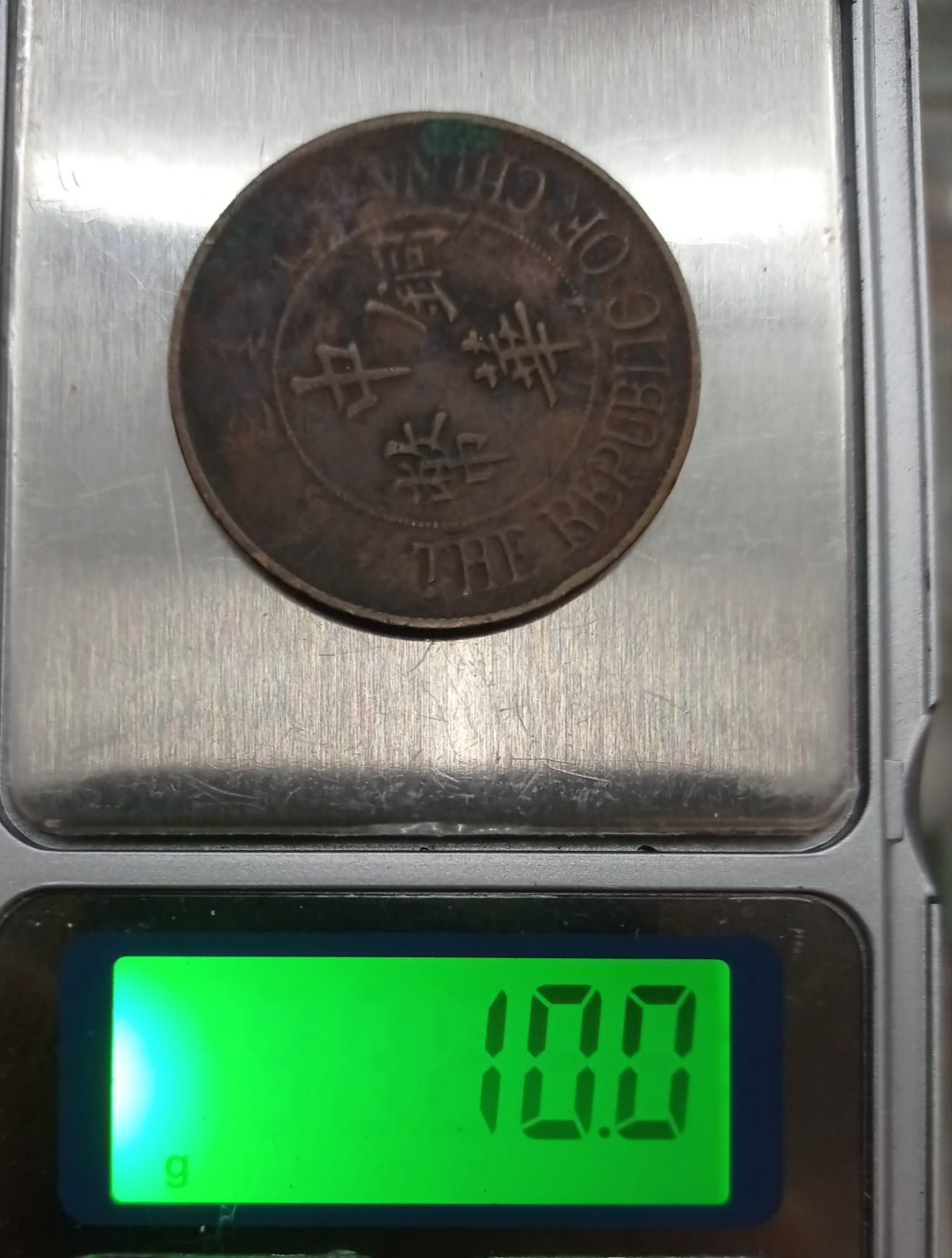 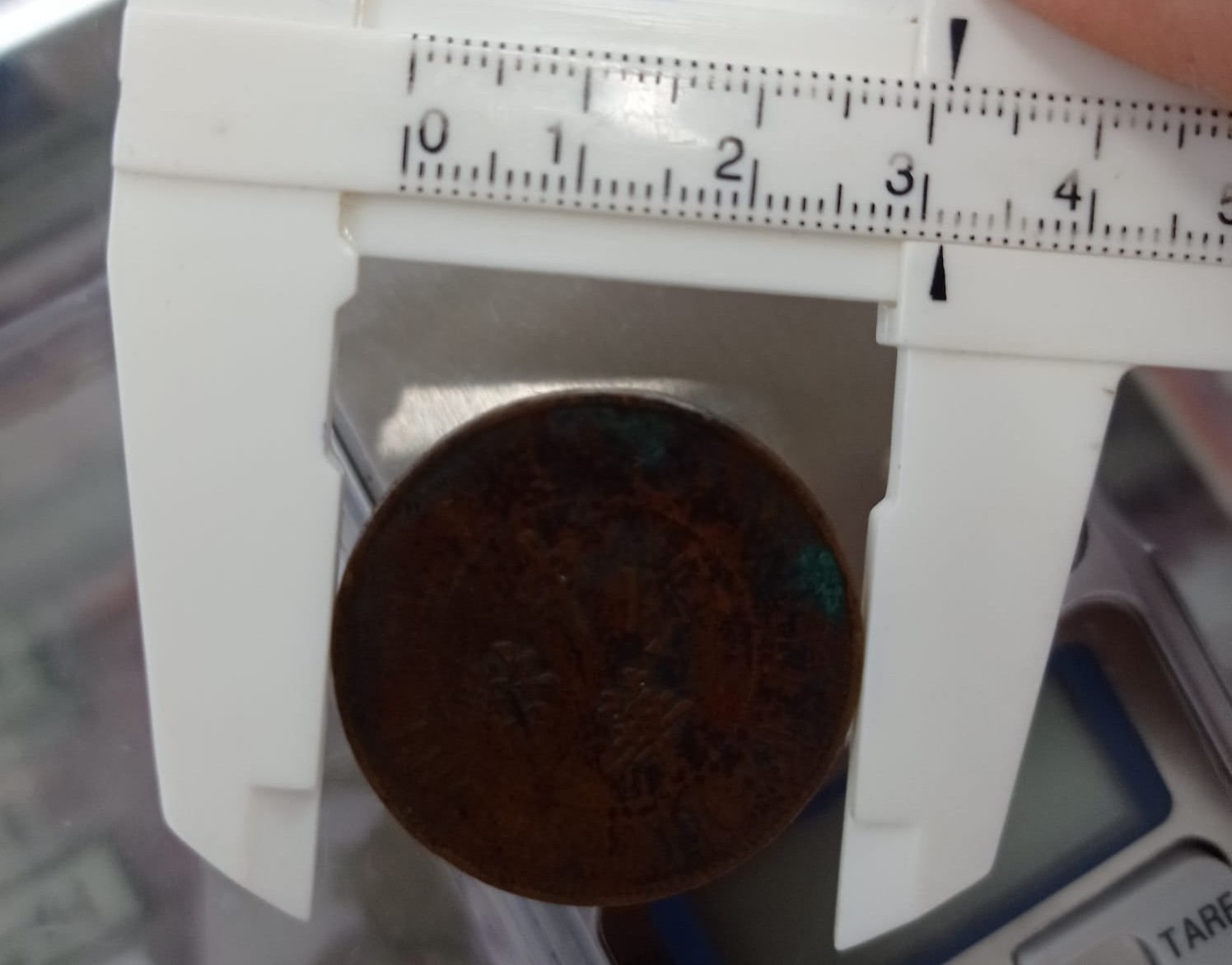 Thanks you *** Moved by Staff to a more appropriate forum. ***Edited by Coins Mania
10/23/2023 11:49 am
|
|
|
|
New Member
United States
46 Posts |
I'm not very sure about this one. The weight increase could signify a forgery, but I don't really see the point of a fake, especially in this condition. It wouldn't be worth much, according to Numista. (I might be wrong)
|
|
Pillar of the Community
United States
1915 Posts |
Coins like this are presently under my study.
It certainly could be authentic.
Could also be a copy made during the warlord period.
One other certainty: I wish I had it.
edited to add suggesting to not let Numista be the guide on this coin.
Edited by Albert
10/23/2023 3:14 pm
|
|
Moderator
 Australia
16985 Posts |
I don't think it's a modern copy, but a contemporary (circulating) counterfeit is not unreasonable. It could also be an "official" coin made from worn dies.
Don't say "infinitely" when you mean "very"; otherwise, you'll have no word left when you want to talk about something really infinite. - C. S. Lewis
|
|
Pillar of the Community
United States
1915 Posts |
These were made with worn dies and there are variations in diameter, thickness and weight according to Zachary.
I think it is authentic / official.
But if wrong, and it is a copy during the warlord period, it would be a prize if I had it.
Interest was raised because I'm not sure if this coin is present in my current project.
I went to a favored authority / dealer and made an order for two different varieties.
The descriptions did say thay were weakly struck.
I bought the better of what was available.
Edited by Albert
10/24/2023 6:21 pm
|
|
Pillar of the Community
Australia
3841 Posts |
This is my example. 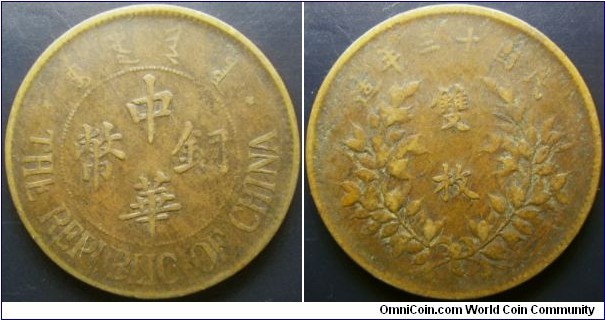 Weight 9.5g. I don't recall this being rare. I would imagine copper coins struck in this era would have some weight variance. |
|
Pillar of the Community
United States
1915 Posts |
Zachary notes Var 1 as 9.6g 32.2 by 1.4mm
Var 2 as 9.1g 31.4 by 1.4mm
Var 3 as 10.65g 31.3 by 1.9mm
|
|
Valued Member
 Singapore
151 Posts |
@Albert. That's interesting! I am not familiar with Zachary. Other than the weight and dimensional difference. Is otherwise everything else the 3 var similar on the Obverse and Reverse?
Edited by Coins Mania
10/25/2023 6:51 pm
|
|
Pillar of the Community
United States
1915 Posts |
These are well described in a thin book well worth many times more than the low cost. 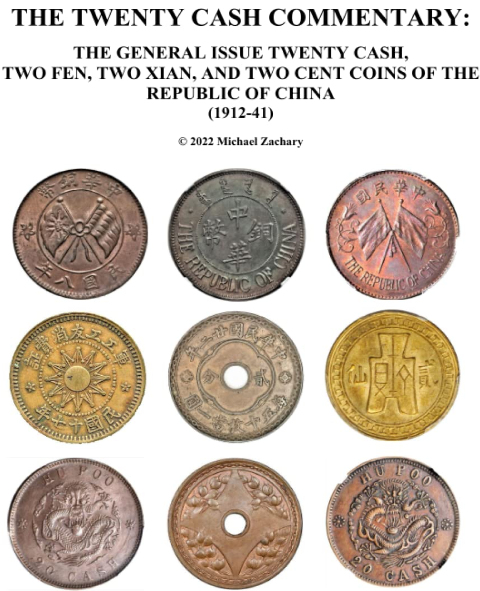 |
|
Valued Member
Singapore
151 Posts |
This copper coin attracts the attention of coin collectors. Not only does it combine Chinese, Manchu and English characters, setting a precedent for the unique characters of copper coins in the Republic of China, it also changes the currency value of twenty characters to "double coin". What is puzzling is that the Revolution of 1911 overthrew the Manchu dynasty and established the Republic of China. After the last emperor of the Qing Dynasty announced his abdication, there was no trace of Manchu characters on the gold, silver, and copper coins minted and issued by the Republic of China. However, there are still Manchu characters on this double coin minted in the 13th year of the Republic of China.
Edited by Coins Mania
11/01/2023 06:57 am
|
|
Pillar of the Community
United States
1915 Posts |
Just an idea:
Is it possible coins were minted by those that had the old dies and the means to do so during the Warlord Period?
|
|
Valued Member
Singapore
151 Posts |
It is difficult to determine where this coin is minted and there are constant controversy. There are 3 mains theories: 1. Shanxi Mint. Yan Xishan, a warlord who occupied Shanxi Province, served as commander-in-chief of the navy, army and air force of the Republic of China, chairman of the National Government Committee. He once minted a huge amount of copper coins in Shanxi and set a new exemplary on the copper coins. The first was title "China", the words "Copper Coin" was mostly in the eight-year and the ten-year edition. These were circulated in the Shanxi, Shandong, Henan and Sui provinces at that time. There were no place names, mint names or government names on the coins. 2. Hebei Mint. In the "Collection of Chinese Copper Coins" written by Dai Qingbo published by Hunan Publishing House. It is clearly stated that this coin was produced by the Hebei Province Koubei Mechanical Copper Coin Bureau from the 13th to the 16th year of the Republic of China. The "Concise Dictionary of Coins" compiled by the famous numismatist Sun Zhong also confirmed that this coin was minted by the Koubei Mint in Zhangjiakou, Hebei Province. 3. The third is "uncertainty" and it is difficult to make a conclusion. For example, the book "Chinese Machine-made Copper Coins" published by Liaoning Province Liaoshen Publishing House and published by Zhang Peilin and others did not classify this coin in the mints of Shanxi or Hebei, but "put it in another volume." Based on the above points of view, inclination to believe that the coin was minted by the Koubei Mint in Hebei Province. Because in the 13th year of the Republic of China, the factory not only minted the "double" Chinese copper coins, but also minted the ten cash Chinese copper coins, and it was still in production until the 15th year of the Republic of China. There are relatively many double coins from the 13th year of the Republic of China, and there are very few double coins from the 15th year of the Republic of China. Nevertheless, these copper coins are all sought after by numismatist for collection. The significance of collection is not only to own the collection, but the greater pleasure lies in deciphering the historical value contained in the collection. 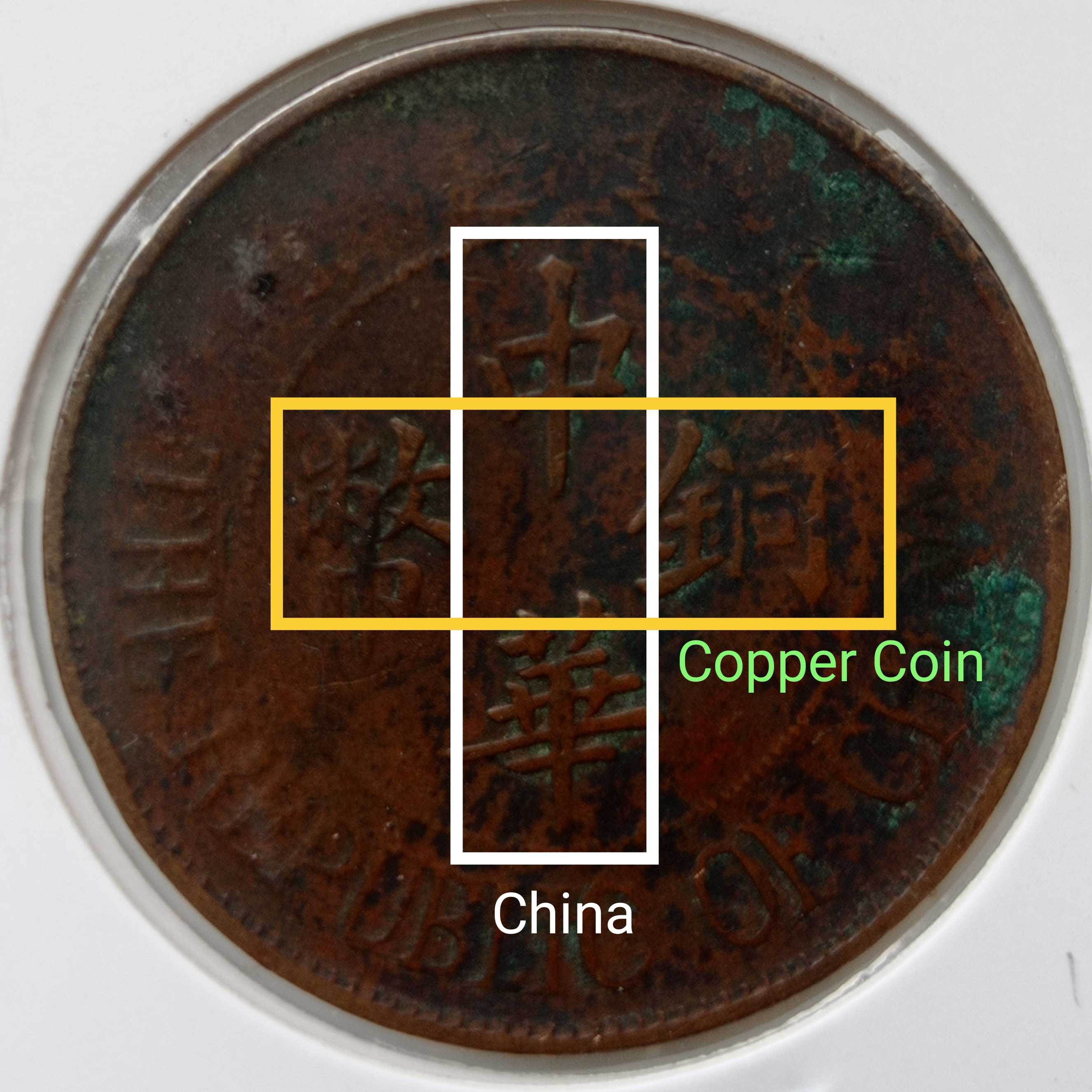 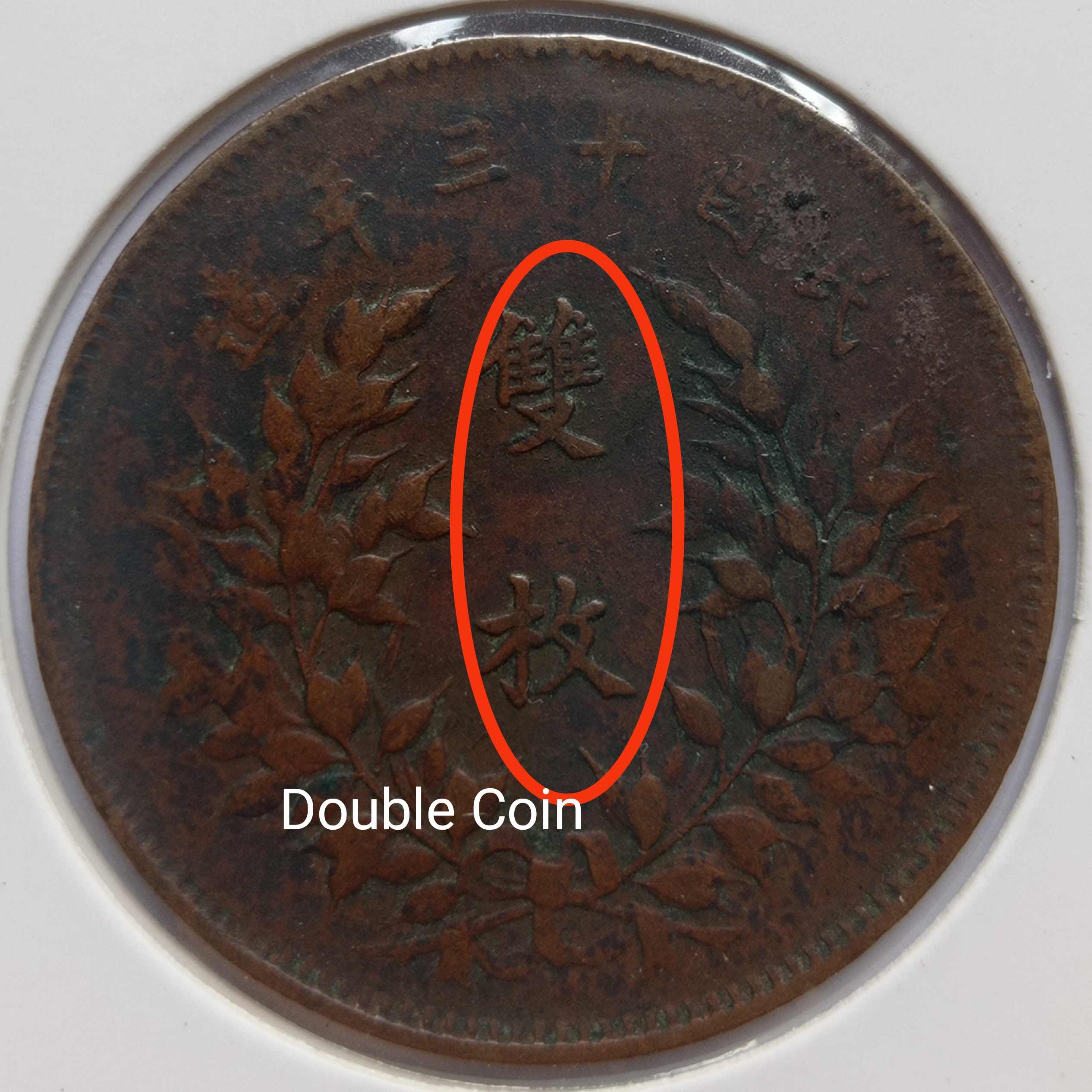 Edited by Coins Mania
11/02/2023 03:23 am
|
| |
Replies: 11 / Views: 1,552 |
|








 Posted 10/23/2023 3:10 pm


