| Author |
 Replies: 13 / Views: 2,563 Replies: 13 / Views: 2,563 |
|
|
New Member
Australia
4 Posts |
Hi guys just started collecting and found a 1966 20c (London mint) where the "2" is different but not the known "wavy" type. the very bottom of the 2 slopes down (not level) and then flicks up and has a rounded FAT tail. The gap between the bottom of the 2 and the Ripple is also way less then normal. The width at the start of the bottom of the 2 is 1mm then slopes to 1.5mm. The normal width on all other coins is 1mm the whole way. Its not worn and the edges around the 2 are sharp suggesting it was def struck this way. The bottom of the 2 is not level and is way fatter towards the back and has a rounded edge. could it be a Cud that's fused to the "2" that would be my best bet? Has anyone come across this before? See Pics Cheers 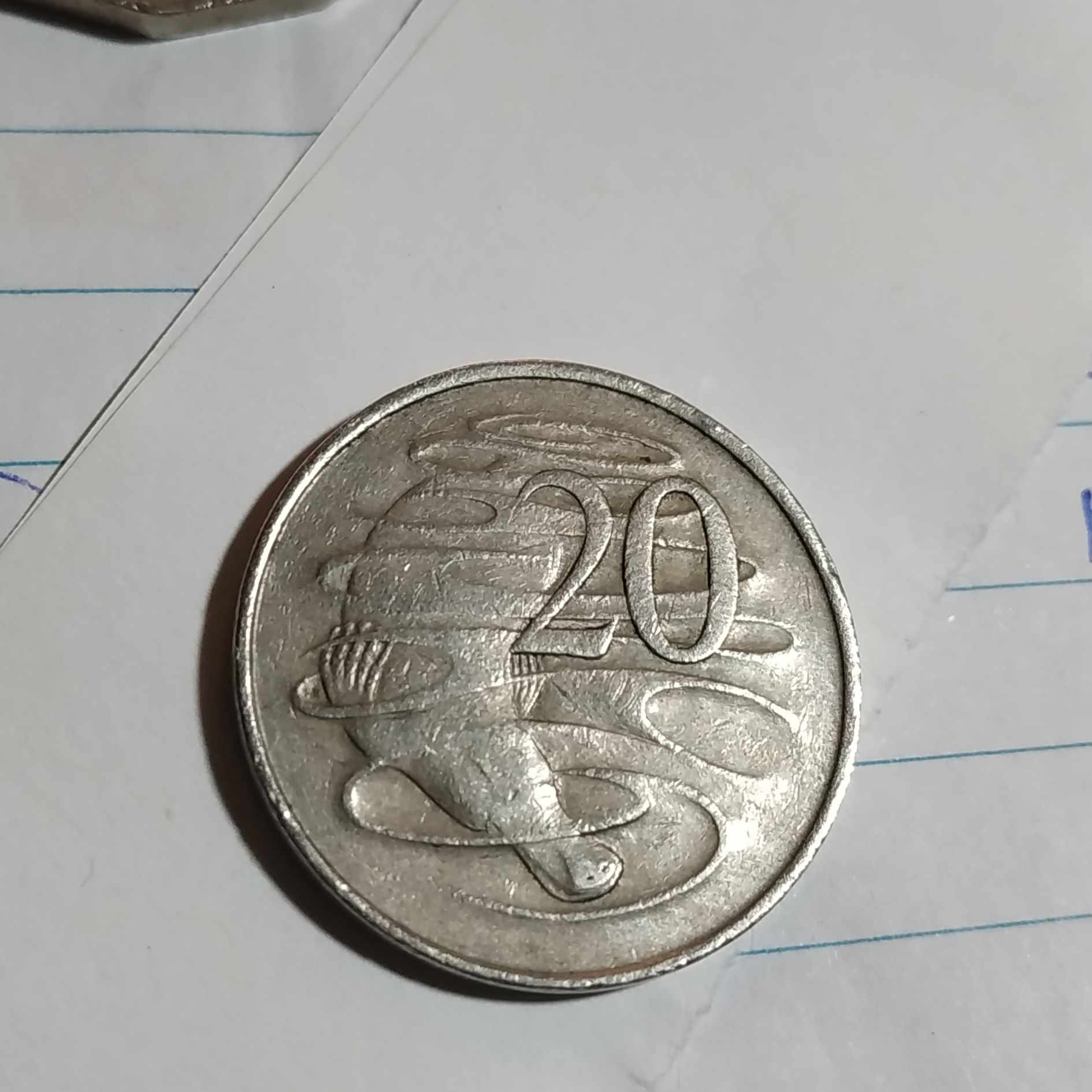 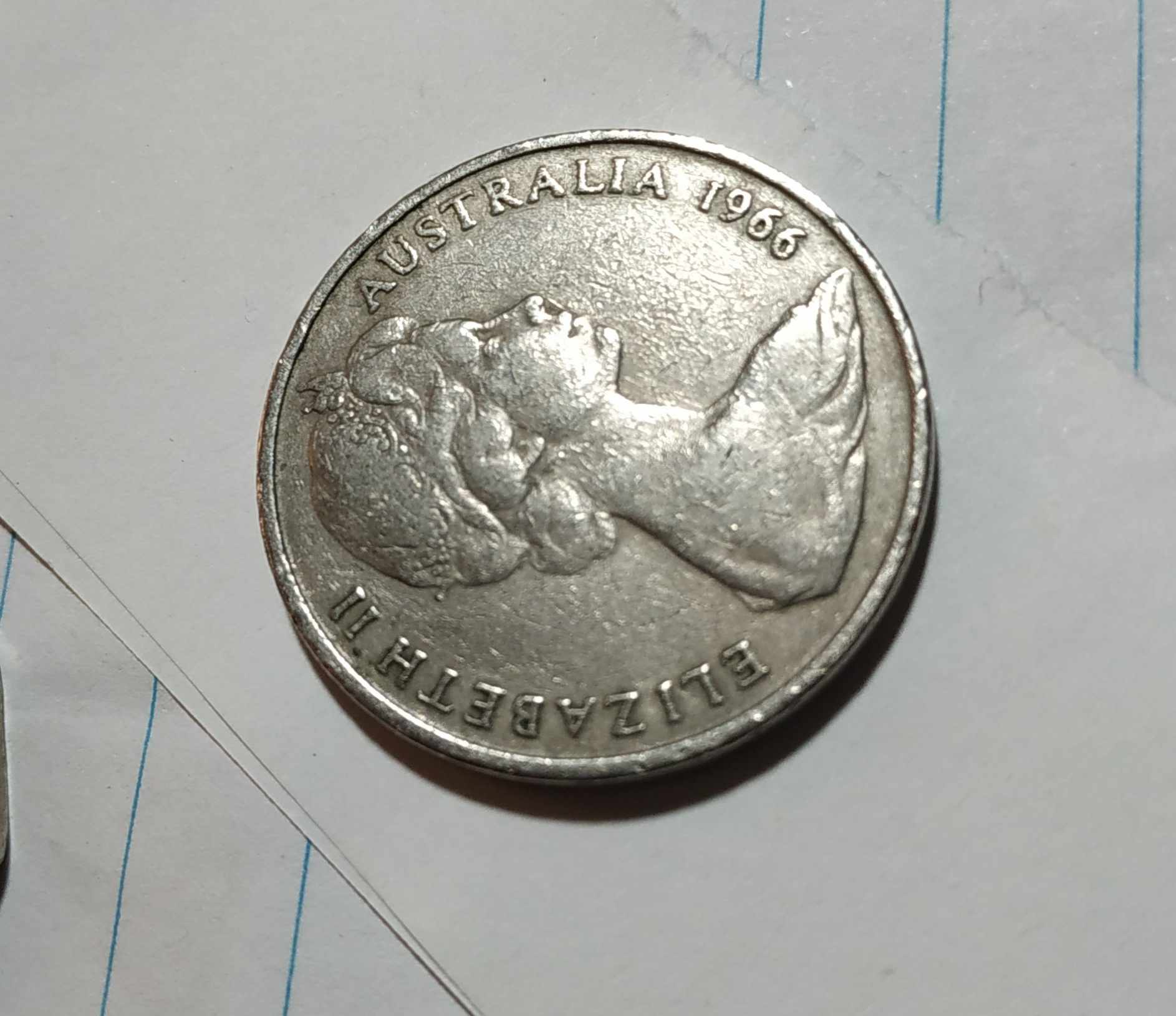 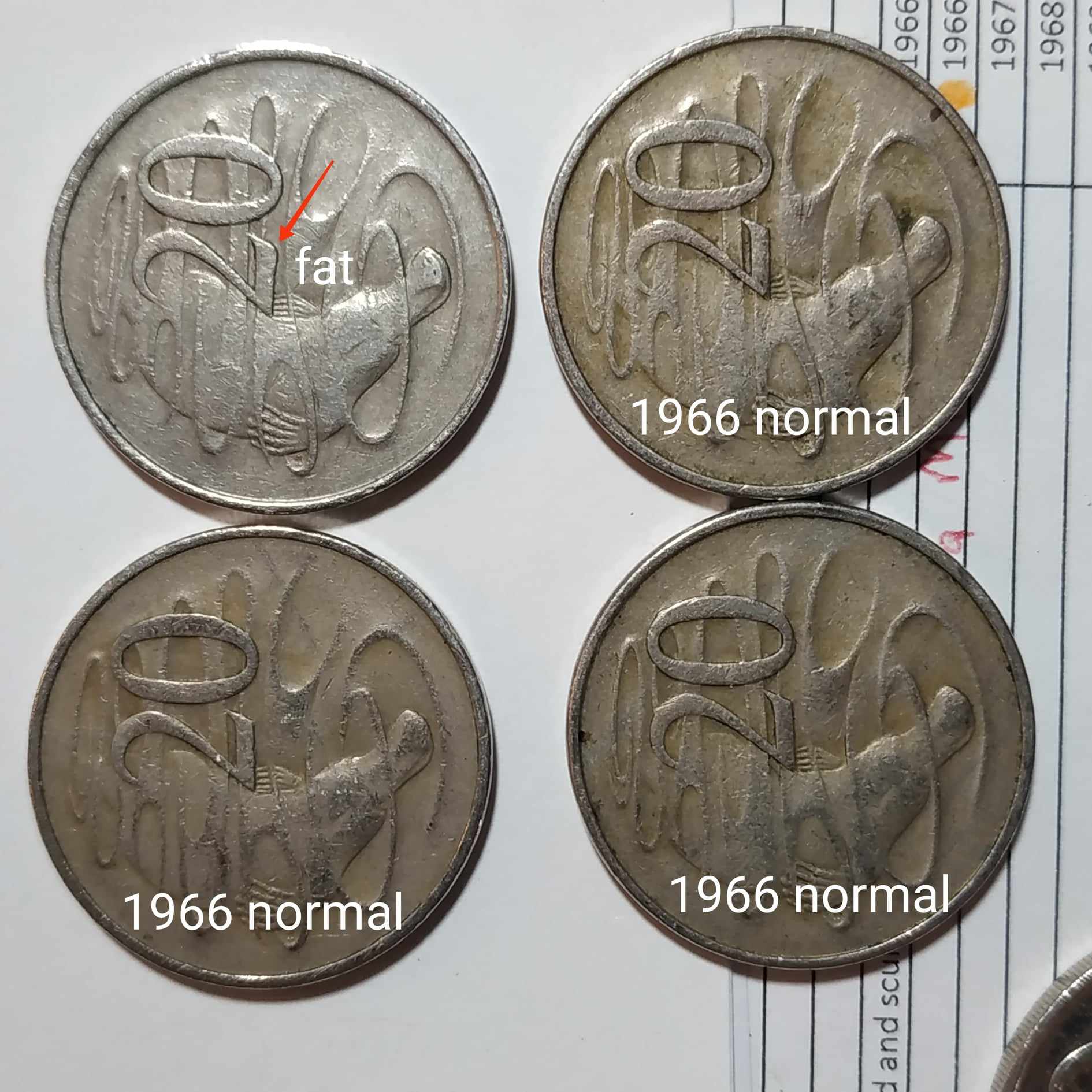 Edited by mattyfenno
11/05/2023 7:00 pm
|
|
|
|
Moderator
 United States
56855 Posts |
|
|
Valued Member
Australia
370 Posts |
Looks like a bog standard coin to me.
|
|
Pillar of the Community
Australia
1046 Posts |
|
|
New Member
 Australia
4 Posts |
The bottom of the 2 is not level and is way fatter towards the back and has a rounded edge. the bottom of the 2 is 1mm wide at the left side (normal) and slopes to be 1.5mm at the right side (not normal). The back of the 2 is also rounded the gap to the ripple of the water under the back right side of the 2 is way less as well could it be a Cud that's fused to the "2" that would be my best bet? Edited by mattyfenno
11/05/2023 6:32 pm
|
|
Pillar of the Community
Australia
1366 Posts |
The only plausible answer that comes to mind is that the enlargement of the 2's base is due to Die Deterioration.  |
|
Bedrock of the Community
United States
78707 Posts |
Maybe circulation flattening from circulation wear?
Errers and Varietys.
|
|
New Member
Australia
4 Posts |
@Errers and Varietys - if it was circulation flattening from circulation wear I would assume it would be ultra common so don't think so. @coaster - The only plausible answer that comes to mind is that the enlargement of the 2's base is due to Die Deterioration .... this makes a lot of sense to me after doing some research. Been through about 50k 20c pieces now and nothing remotely similar out of a lot of 1966 to compare. Edited by mattyfenno
11/06/2023 03:31 am
|
|
Moderator
United States
195203 Posts |
 to the Community! |
|
New Member
Australia
4 Posts |
Thanks for all the welcomes :)
|
|
Valued Member
Australia
73 Posts |
I seen this in quite a few 20c coins it is 99.9% PMD like a ding that flattens the '2' baseline and makes it look wider, I can even see the ding at baseline of 2. Metal on coins can be moved even an entire letter for example can be moved to look like it is incorrectly positioned but this is not possible because for only a single letter to be out of place means that letter is out of place on working die which means there would be more of these errors out there. Also It wouldn't be a Cud because it has no characteristics of being one also doesn't have characteristics for Die Deterioration (click highlighted words to see more information) Here is an example of a 20c coin I found to show how it is possible for metal to be moved, my coin in picture has PMD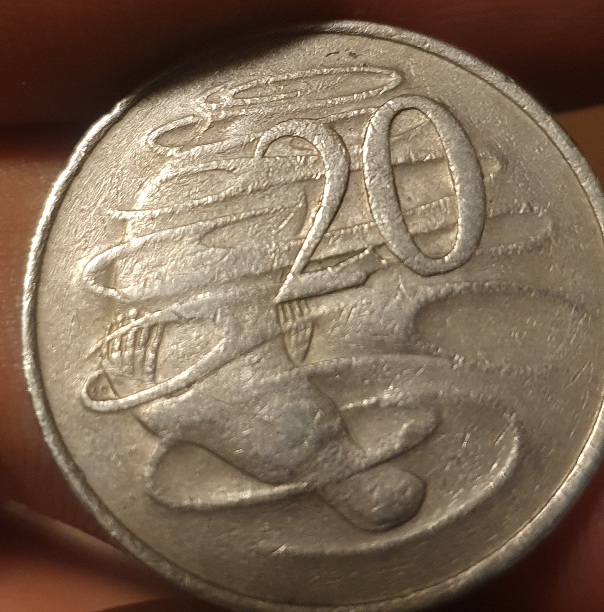 I'm sure if I go through my 20c coins I will find one like yours if I find time I will have a look. I hope this could help you Edited by Coin_poacher
11/10/2023 05:31 am
|
|
Pillar of the Community
Australia
1513 Posts |
Im unsure but it looks as if the base of 2 it's bevelled downwards In which it would make the base much wider if it was PMD, but it hasn't done this in this case. |
|
Pillar of the Community
Australia
1513 Posts |
I would think die chip, guessing this because at closer magnification a faint line at bottom of 2 near the bottom curve, but coin is worn so hard to tell, close up images of bottom 2 would be great.
|
|
Valued Member
Australia
73 Posts |
But a Cud doesn't look like that  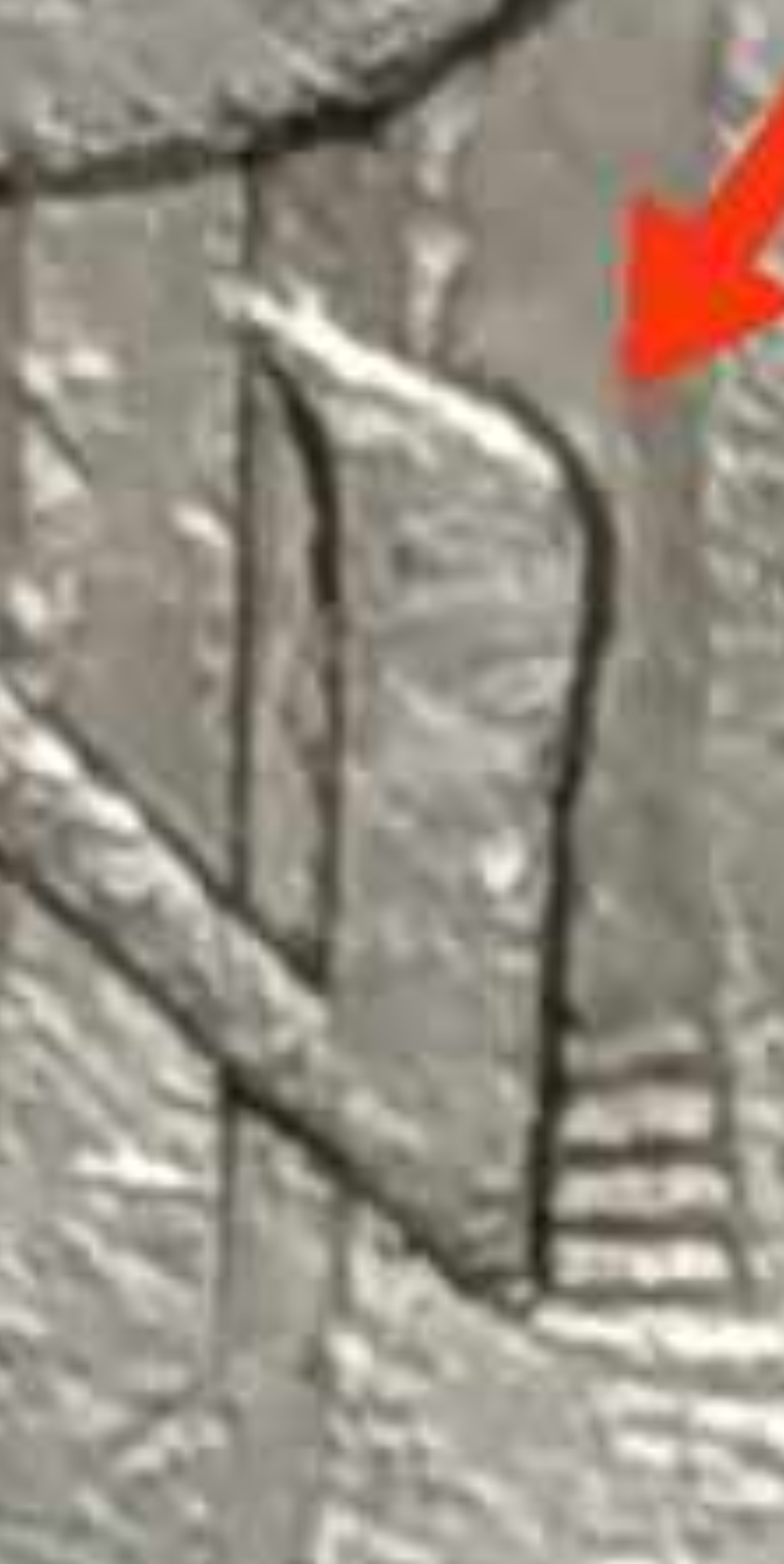 It's clearly a ding Edited by Coin_poacher
11/16/2023 04:57 am
|
| |
Replies: 13 / Views: 2,563 |
|







 Posted 11/05/2023 2:23 pm





