| Author |
 Replies: 16 / Views: 3,171 Replies: 16 / Views: 3,171 |
|
New Member
United States
3 Posts |
|
|
|
|
Moderator
 United States
56855 Posts |
|
|
Pillar of the Community
United States
1780 Posts |
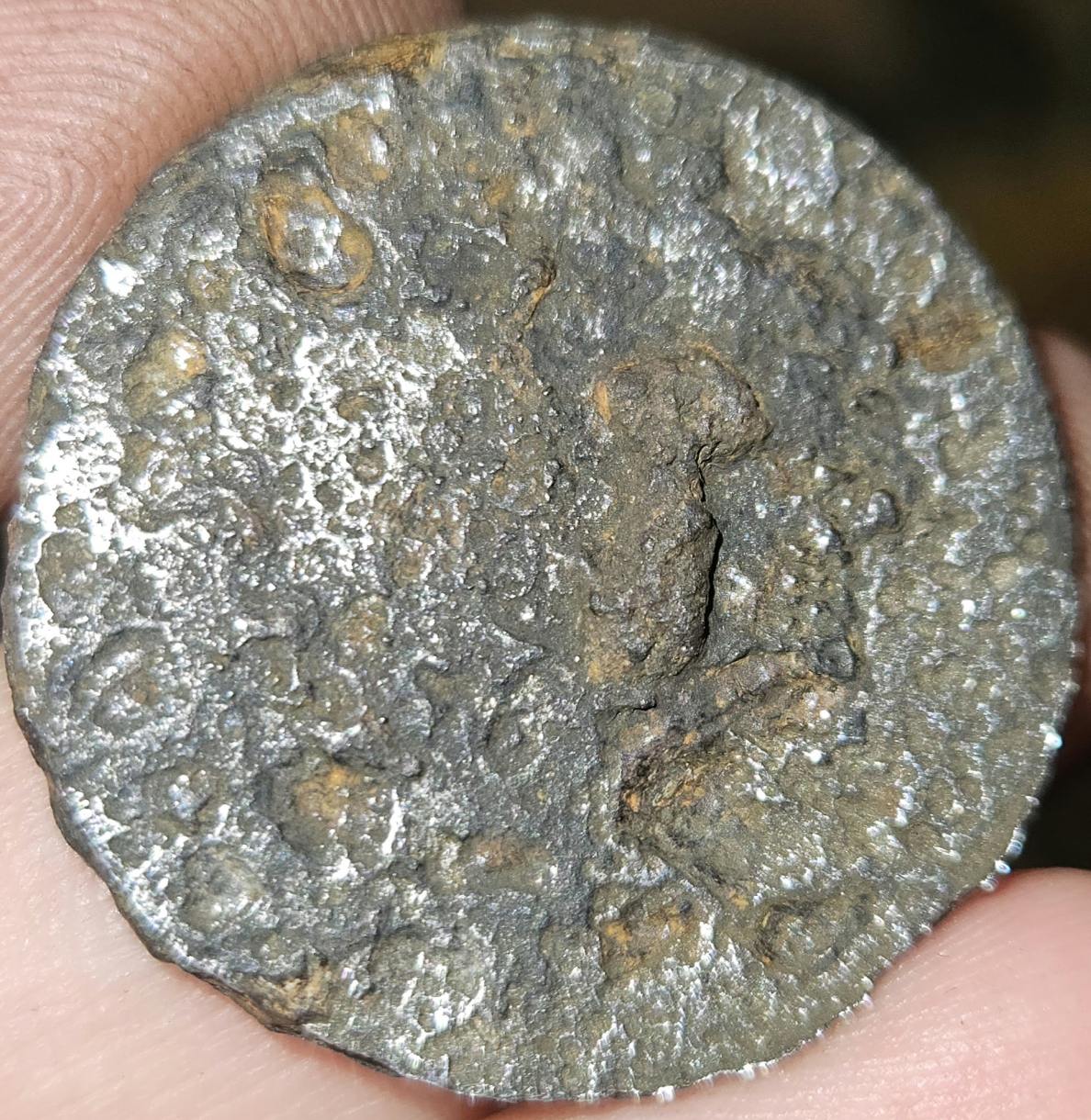
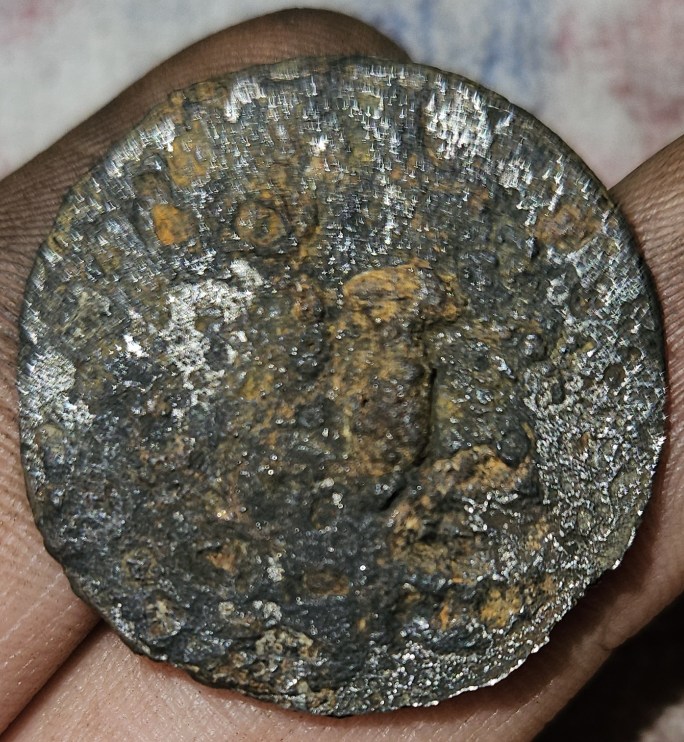
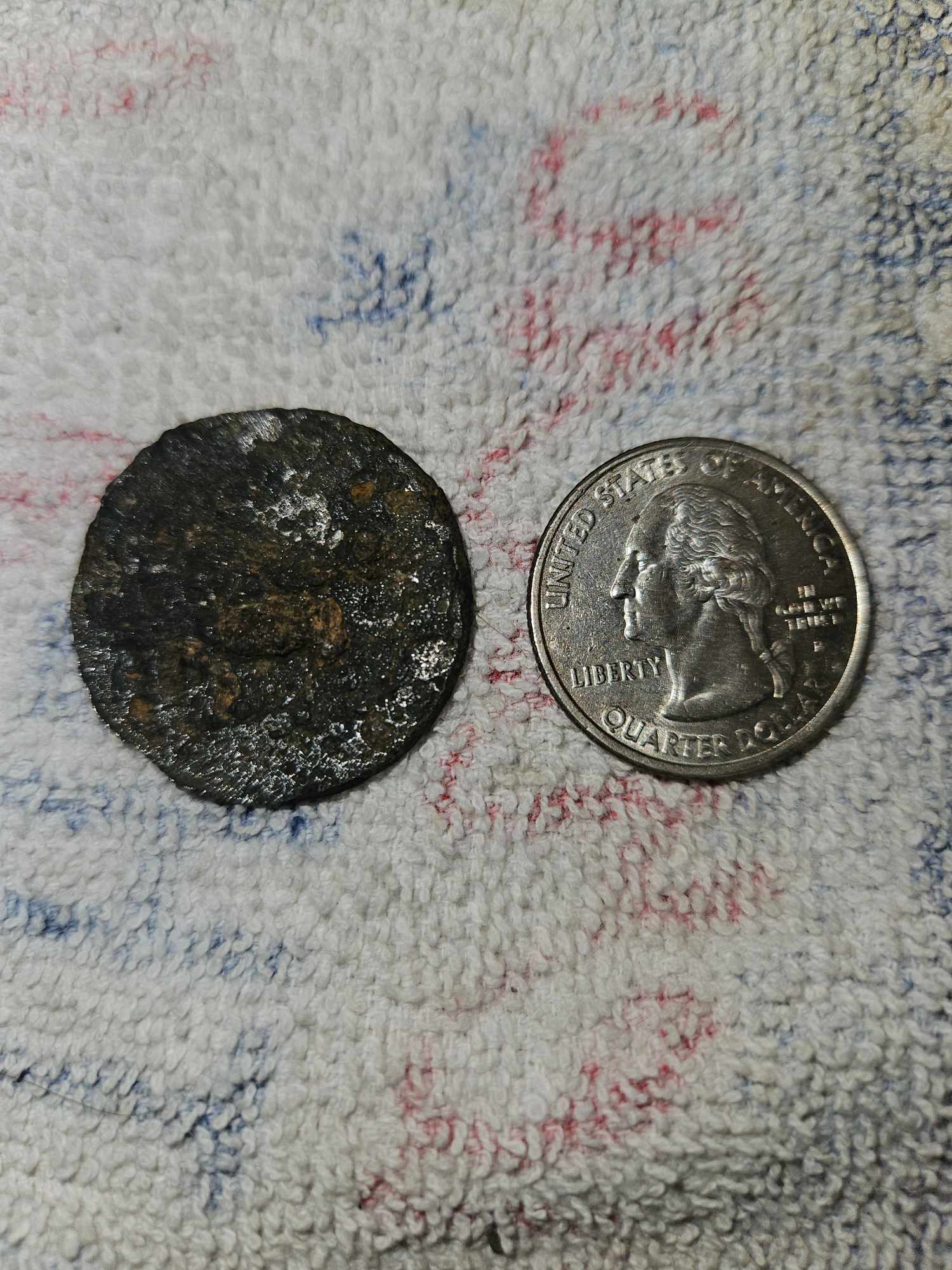
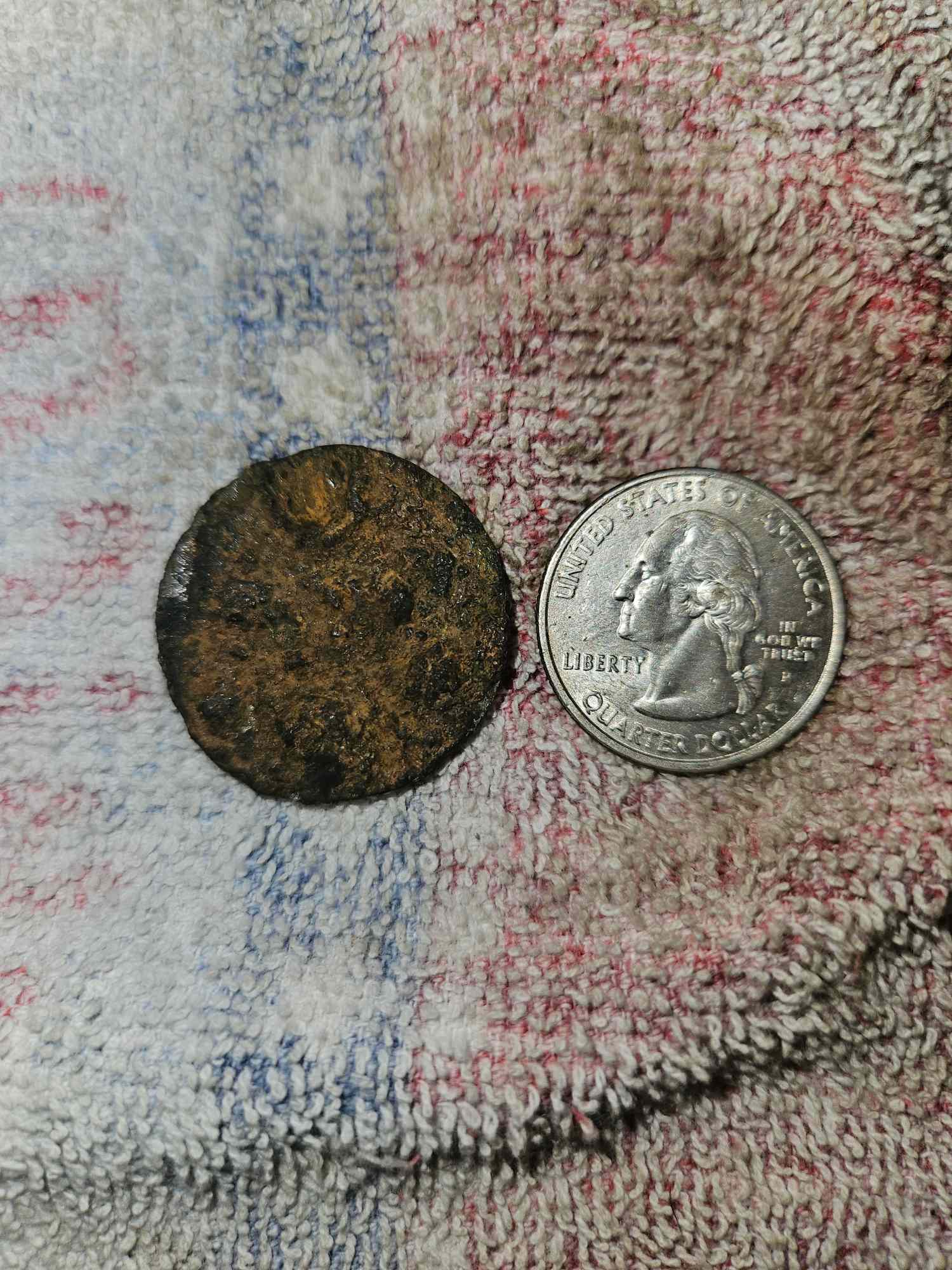
 ... looks to be the size of a 1700's - 1800's Spanish (milled) 2 reales...(we can safely assume it's not a 2023) ... what is the weight (grams) ?  somebody help this guy with a cleaning idea... Edited by mrwiskers
12/20/2023 2:07 pm
|
|
Moderator
United States
195053 Posts |
to the Community! |
|
New Member
 United States
3 Posts |
It weighs eight grams and is around 28mm to 29mm in diameter. It looks like a 56 on the front diagonally.
|
|
New Member
United States
3 Posts |
|
|
Pillar of the Community
United States
1780 Posts |
8g is too heavy for a Spanish 2 reales (6.7g), but the encrustation may add weight ...
...28-29mm is the correct diameter for a 17-1800's milled Spanish colonial 2 reale...
...have you checked to see if a magnet will stick? ...
Edited by mrwiskers
12/22/2023 09:03 am
|
|
Pillar of the Community
 Canada
1811 Posts |
Itzzjustwill Could we have a picture of the rim/edge? |
|
Moderator
Australia
16978 Posts |
Not everything round and made of metal is a coin. For example, it could be one of those punch-out tabs from an electrical box.
Don't say "infinitely" when you mean "very"; otherwise, you'll have no word left when you want to talk about something really infinite. - C. S. Lewis
|
|
Pillar of the Community
United States
8044 Posts |
Last photo looks like a bust facing right, with a bit of lettering around 3:00, so I do think it's a coin. The weight doesn;t quite match any of those French Louis XV coppers, but it might be considerably higher or lower due to all the corrosion..
Edit: Oops... on re-reading I see you said it looks like silver. Anyhow, the comment on seeing traces of lettering stands. I suppose the feature I saw that looks like a portrait could just be an anomaly at the edge of a corroded area.
Edited by tdziemia
12/24/2023 07:21 am
|
|
Pillar of the Community
United States
1780 Posts |
...if it's a punch-out tab, it'll be magnetic ... so, try a magnet ... if it sticks, that rules out any known coin circulating in the original colonies ... because of the size, if it's silver, it'll most likely be European, most common were Spanish & English ... dang, I love a mystery ...  Edited by mrwiskers
12/24/2023 09:57 am
|
|
Bedrock of the Community
United States
19536 Posts |
Lots of Pareidolia fun with this one. Hoping for a good outcome. |
|
Pillar of the Community
United States
1780 Posts |
...you could try reverse-electrolysis to loosten & remove the rust ... if you have access to a car battery charger, you can (fairly) easily do this. you'll need: 6 or 12 volt battery charger / 2 lengths (2 -3 ft. each) insulated copper wire, (medium gauge) / 2 alligator clips / an old stainless steel utensil to use as an anode / a non-metallic water container such as a 5 gal bucket (plastic) / 10 gal aquarium / plastic bowl (at least 3 gal capacity) / 16 oz. box of baking soda / 2 gals water . ...charger unplugged, attach wires to the + & - leads of the charger, & attach the alligator clips to the other ends of the copper wire. Fill your container with about 2 gallons of water, & mix in the box of baking soda. ..........stir until baking soda is dissolved, then stir some more ....... ...attach the positive wire/alligator clip to the utensil (acting as the anode) & place on one side of the container (in the water) ... attach the coin(?) to the negative alligator clip & place in the container on the opposite side, not touching each other, in the water ... ...plug the charger in, turn it on. In a few moments, you wil see a bubbling around the (?)coin, as the process has started. The rust is being pulled away from your (?)coin, & will attach to the utensil( anode) ... ...this process will take days, even weeks, depending on the amount of corrosion ... at least once a day, unplug the charger, remove the items, & stir the water to suspend the settled soda (which provides the electrolytes to the water) ... you may need to replace the water/ soda mixture at some point, if you don't notice bubbling around your (?)coin ... ...be patient, as this is a slow process ... I've done cannon balls & iron objects found in salt water, & been successful, & worth the effort ... ...this is best done outside, but not much fume danger here,so, find a well -ventilated area, where your set-up won't be easily disturbed ... ...keep us posted ... 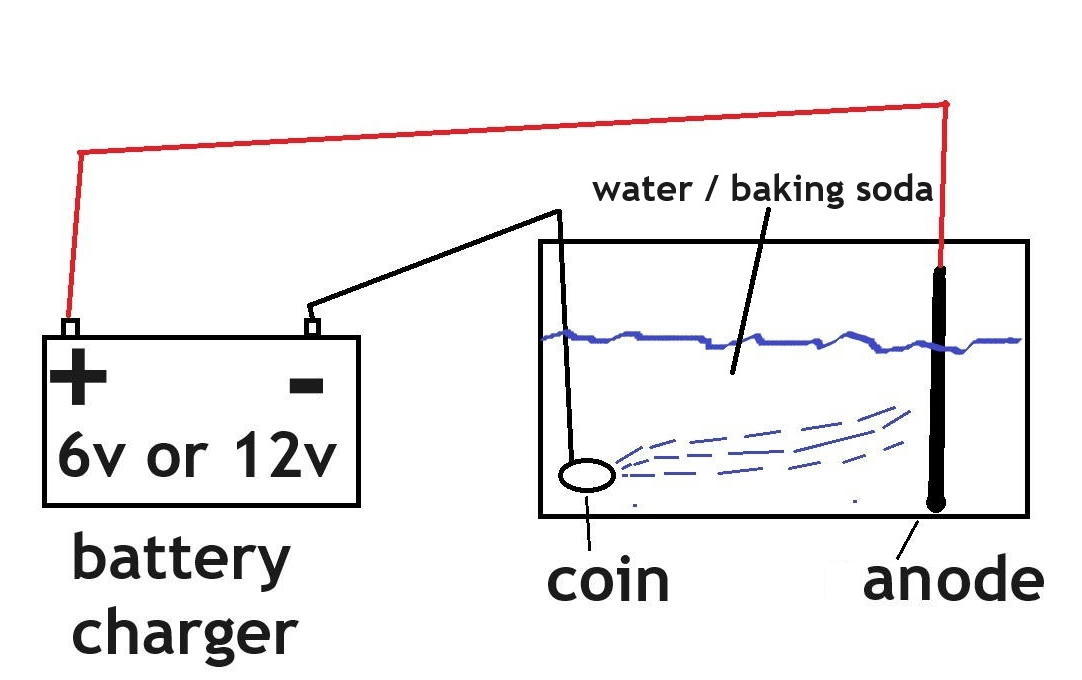 Edited by mrwiskers
12/24/2023 10:00 am
|
|
Pillar of the Community
United States
1791 Posts |
Electrolysis works well. I've used it on ancient coins with good results. The way I've done it is on a smaller scale though. An AC/DC adaptor (9-12 works best). Cut the DC plug end, strip the wires and attach alligator clips. A jar, glass, or bowl with water and either table salt or baking soda dissolved in it. Note: whatever vessel is used I wouldn't use for food again. Attach the coin to the negative and a utensil to the positive and immerse in the brine without them touching. Plug the AC end into the outlet and adjust the distance between the cathode and anode for optimal reaction. This generally took me anywhere from 15 minutes to 12 hours depending the severity to the crust. State of the coin will determine the final results as shown in these pictures. 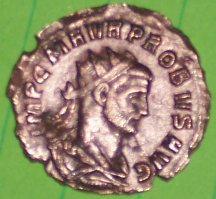 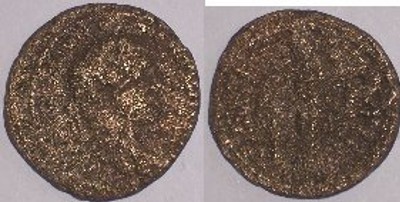 |
|
Pillar of the Community
United States
1780 Posts |
 ...your method seems better / simpler, Seeker ... I'd use it instead ... ...My only experience was with salt-water submerged artifacts: cannon balls, anchors, plummets, etc. ... much heavier objects ... ...Here's a 1500's British plummet (depth finder) I found diving in Indian Bay, Delaware ... 400 years of encrustation, took 4 months to desalinate ... 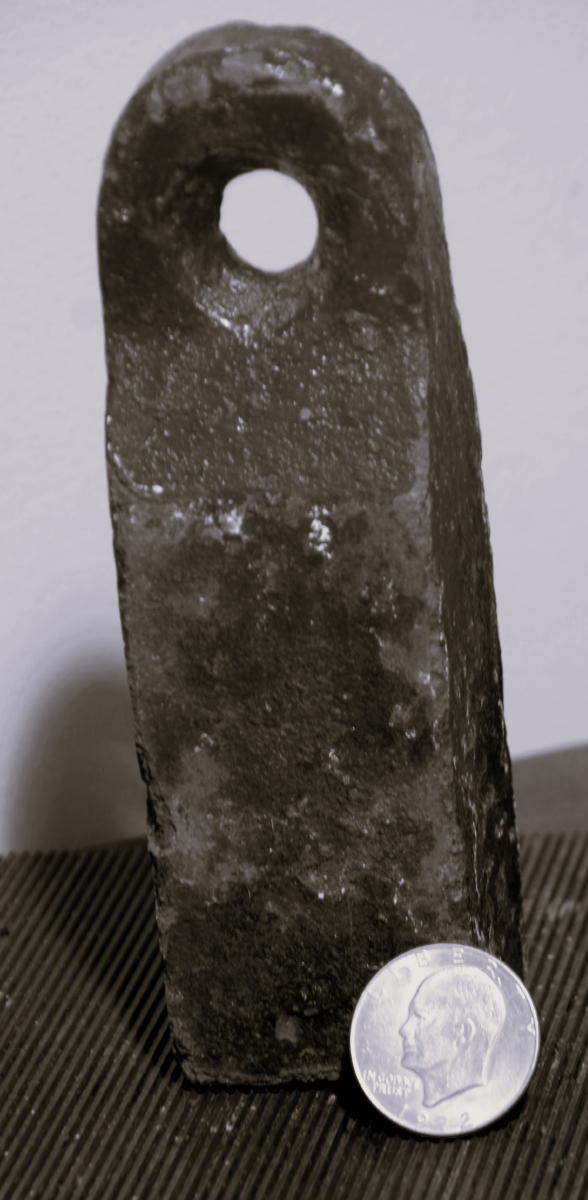 |
|
Pillar of the Community
United States
1791 Posts |
Well that's a lot bigger than a coin mrwiskers. I hope you used heavier wire like jumper cables to carry the amperage.
By the way, as entertainment for kids of all ages, you can make a pickle glow with this method. Put a nail in each end of the pickle and connect the wires. The saltier the pickle the better.
|
| |
Replies: 16 / Views: 3,171 |










 Posted 12/20/2023 2:02 pm