| Author |
 Replies: 12 / Views: 1,521 Replies: 12 / Views: 1,521 |
|
|
New Member
Canada
10 Posts |
Looking for advice on how to get the mud and other gunk off this coin without effecting the gorgeous green patina. This site is great and you guys are the best. Thanks for your help. Larry 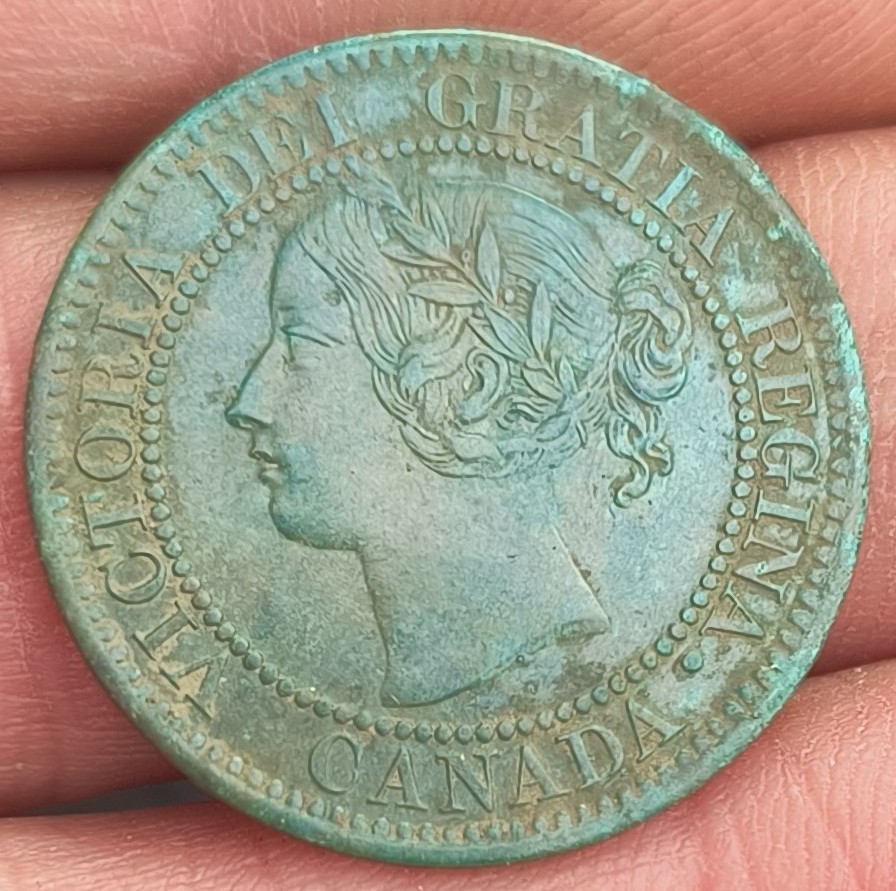 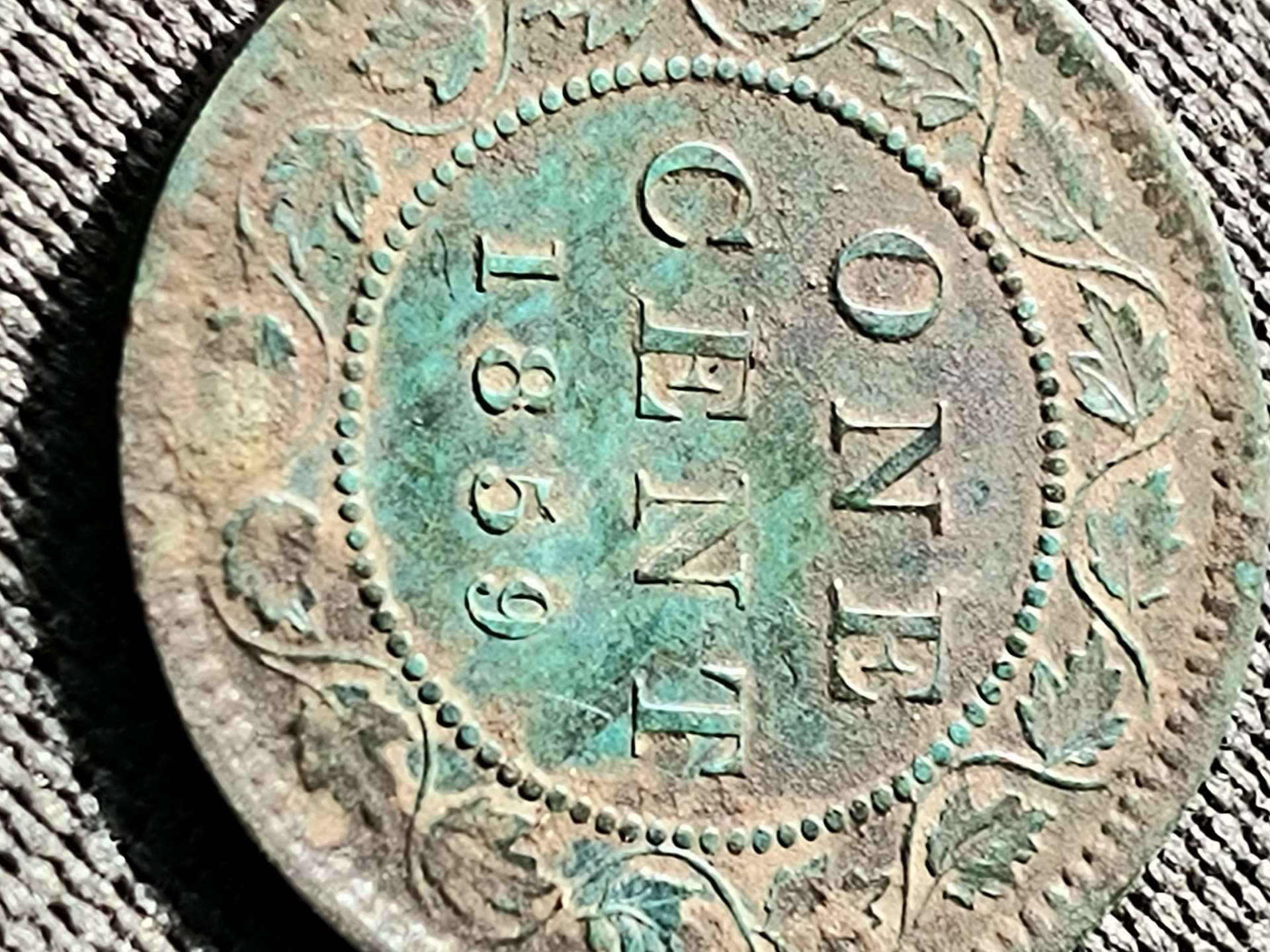 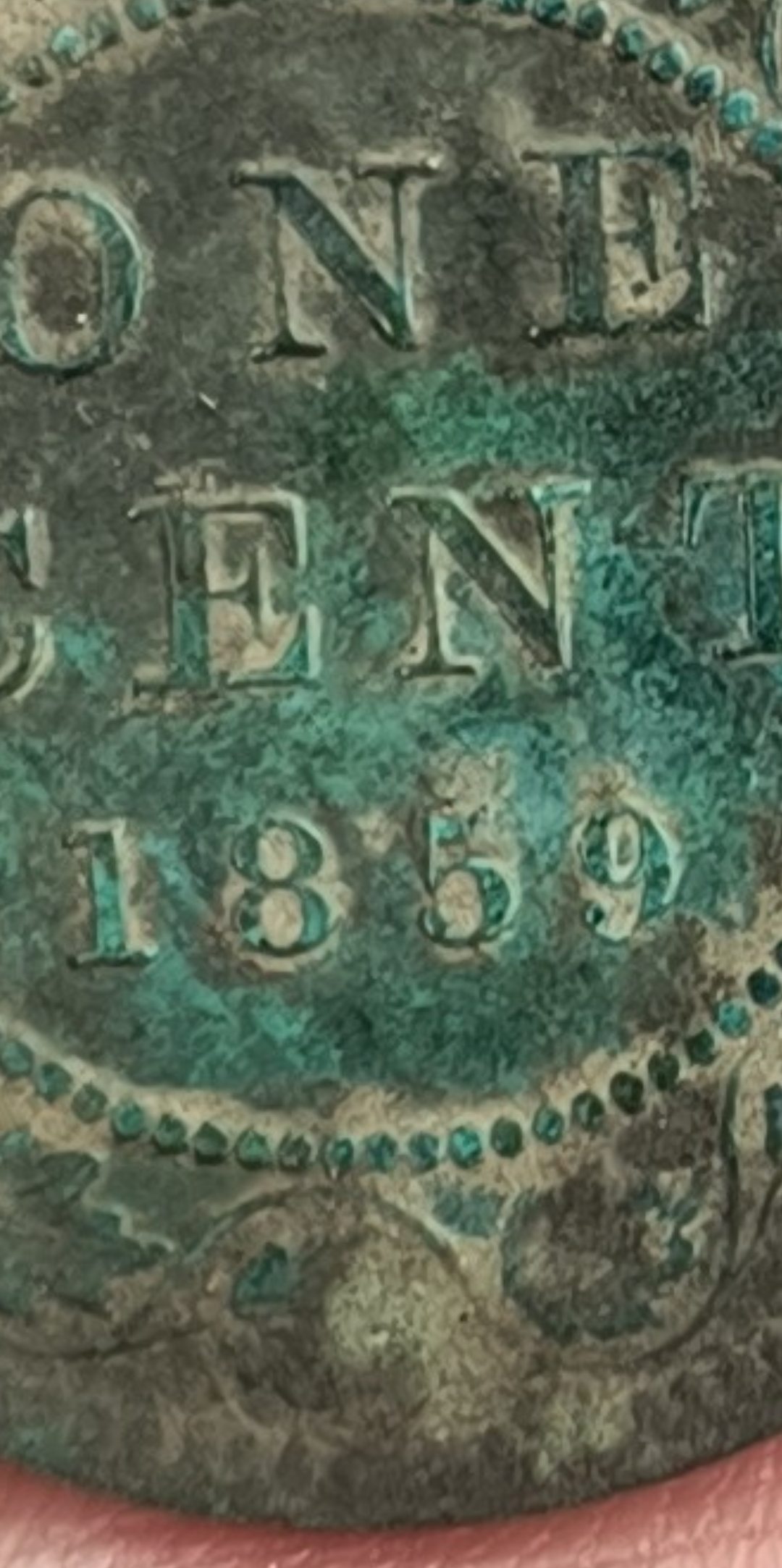 |
|
|
|
Moderator
 United States
56855 Posts |
|
|
Pillar of the Community
 Canada
5669 Posts |
The "gorgeous green patina' is vertigris and is slowly eating your coin away, as it is a chemical reaction, usually caused by PVC from album pages or holders. Acetone will remove the green "haze", but the hard, solid spots will have coin damage to the alloy underneath. If you clean the coin, you will have a surface with pits and scars, as a result of the corrosion to the copper/tin alloy. You have a nice '59 and, if you give it a quick dip in acetone, it may clear up a bit, but you'll have corrosion if you try to remove everything. Do an archive search on here for vertigris and/or acetone. Vicky large cents often show up with vertigris and it usually is a visual ID of a future slow death of the coin.
Edited by okiecoiner
02/22/2024 3:32 pm
|
|
Valued Member
Canada
363 Posts |
To me...your cent looks like its been dug up from metal detecting.
You may get the results you want by a simple soak in warm hydrogen peroxide and then seal with Renaissance wax.
It's been my observation than most dug coins are only appreciated by those who dig them up and their kind...I like it on certain coins and call it patina and not necessarily the slow death of a coin
|
|
New Member
 Canada
10 Posts |
Thoughts on reverse electrolysis?
|
|
Moderator
Australia
17031 Posts |
Electrolysis is generally regarded as a "technique of last resort", as it tends to be quite disruptive of the coin's surface.
Don't say "infinitely" when you mean "very"; otherwise, you'll have no word left when you want to talk about something really infinite. - C. S. Lewis
|
|
Bedrock of the Community
United States
94367 Posts |
Candidate for Verdi-care, I think.
|
|
New Member
Canada
10 Posts |
So I decided to reverse electrolysis the coin as I do have a lot of experience with rust removal. No scrubbing, no brushing, no rubbing dry. Why does my 59 not look copper? 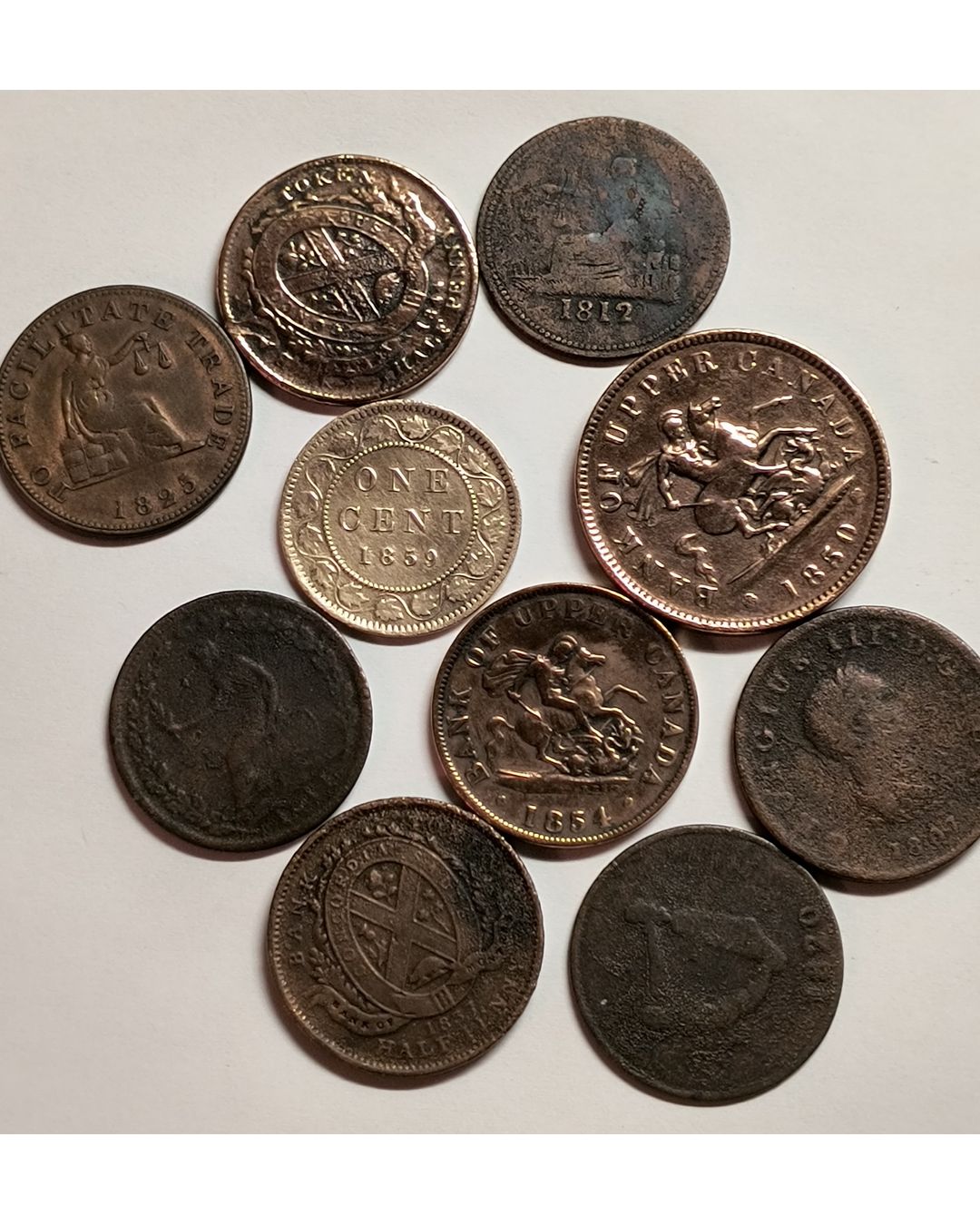 Edited by LarryjrK
02/22/2024 9:06 pm
|
|
Pillar of the Community
Canada
5669 Posts |
Well, the coin is bronze and the alloy many times gets very yellow/pale depending upon what chemically it came into contact with. 1859's like you have now look like they've been bleached, which may be like reverse electrolysis that you did or maybe the tin in the alloy made it look that way..
|
|
New Member
Canada
10 Posts |
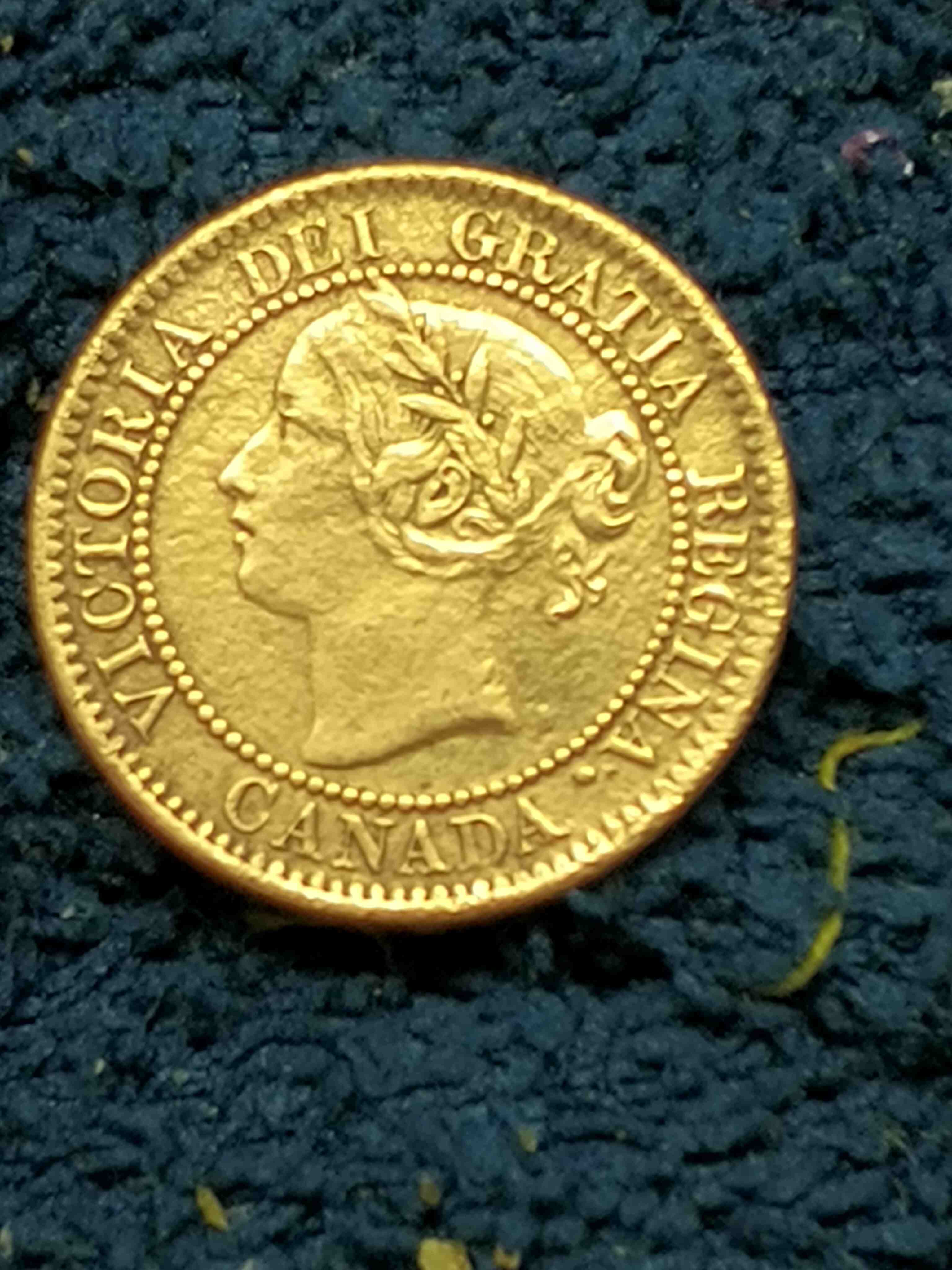 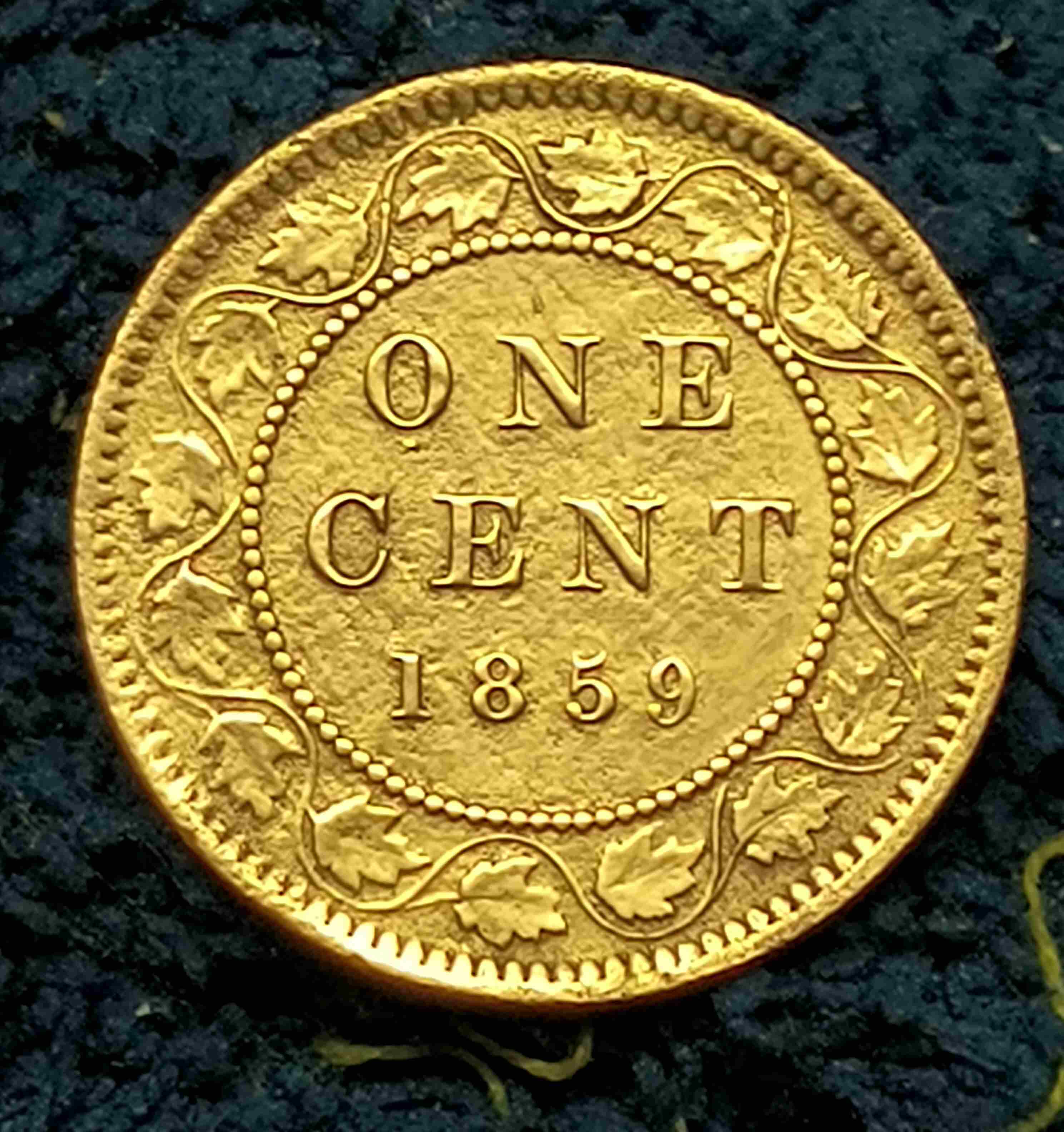 I heard that SPP-Ottawa does testing? I hope he reaches out to me. |
|
Moderator
United States
56855 Posts |
You need to turn on your email here on CCF and I think you need to have 50 posts. John1  |
|
Pillar of the Community
Canada
5669 Posts |
SPP probably won't contact you, but you may be able to reach out to him. He did all the XRF's for the reasearch paper and corelated the data, with Jaime assisting in gathering all the coins, Rob writing most of the words, and me furnishing coins and comments. Don't be let down if and when the XRF says "no". See what I mean about the coin surface when the green patina is removed?
|
|
New Member
Canada
10 Posts |
After a short soak in acetone the color is amazing. Not too Shiney, not too dull. This thing looks.amazing and with out a single scrub or abrasive material or product. Wow.. 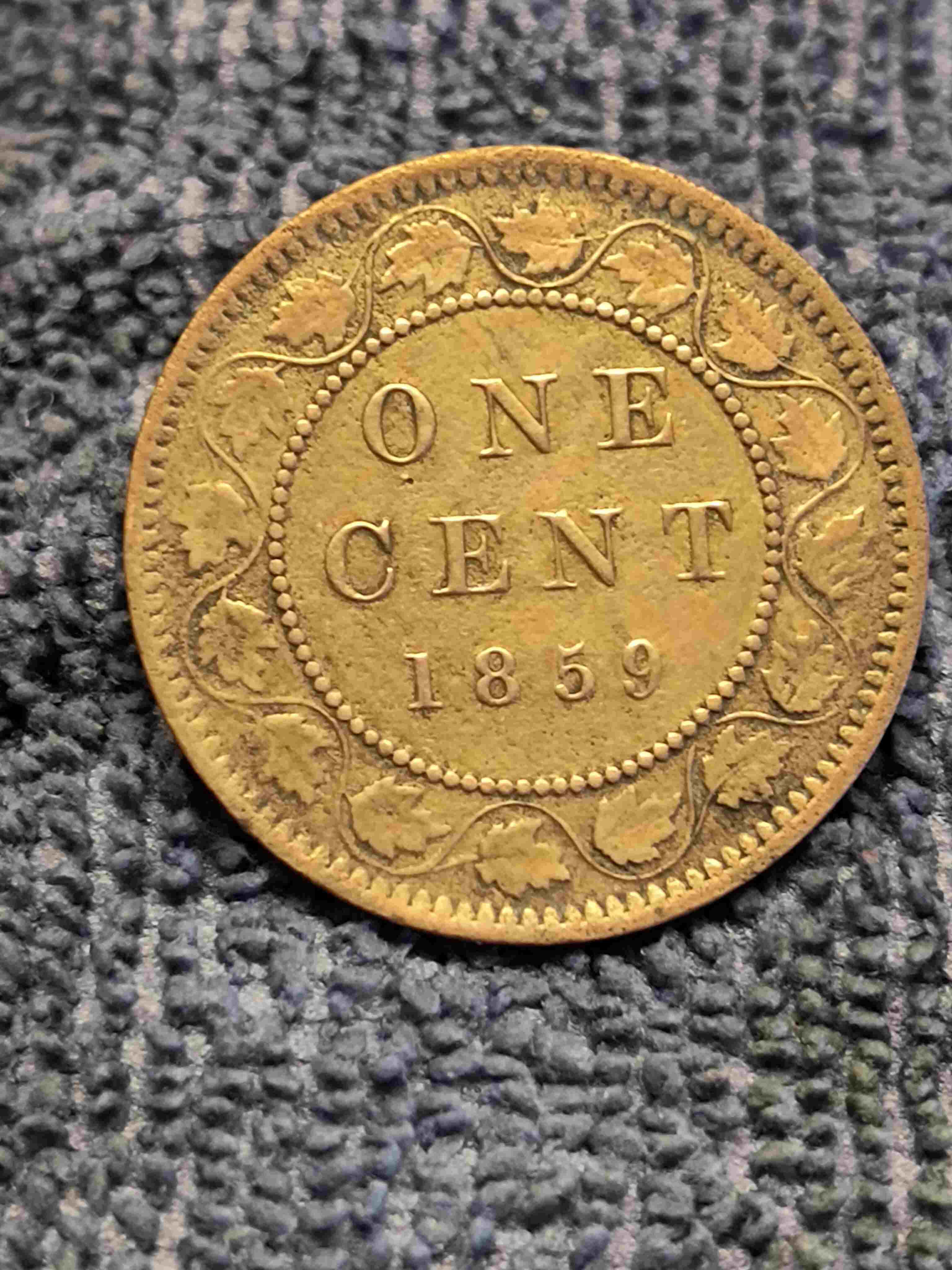 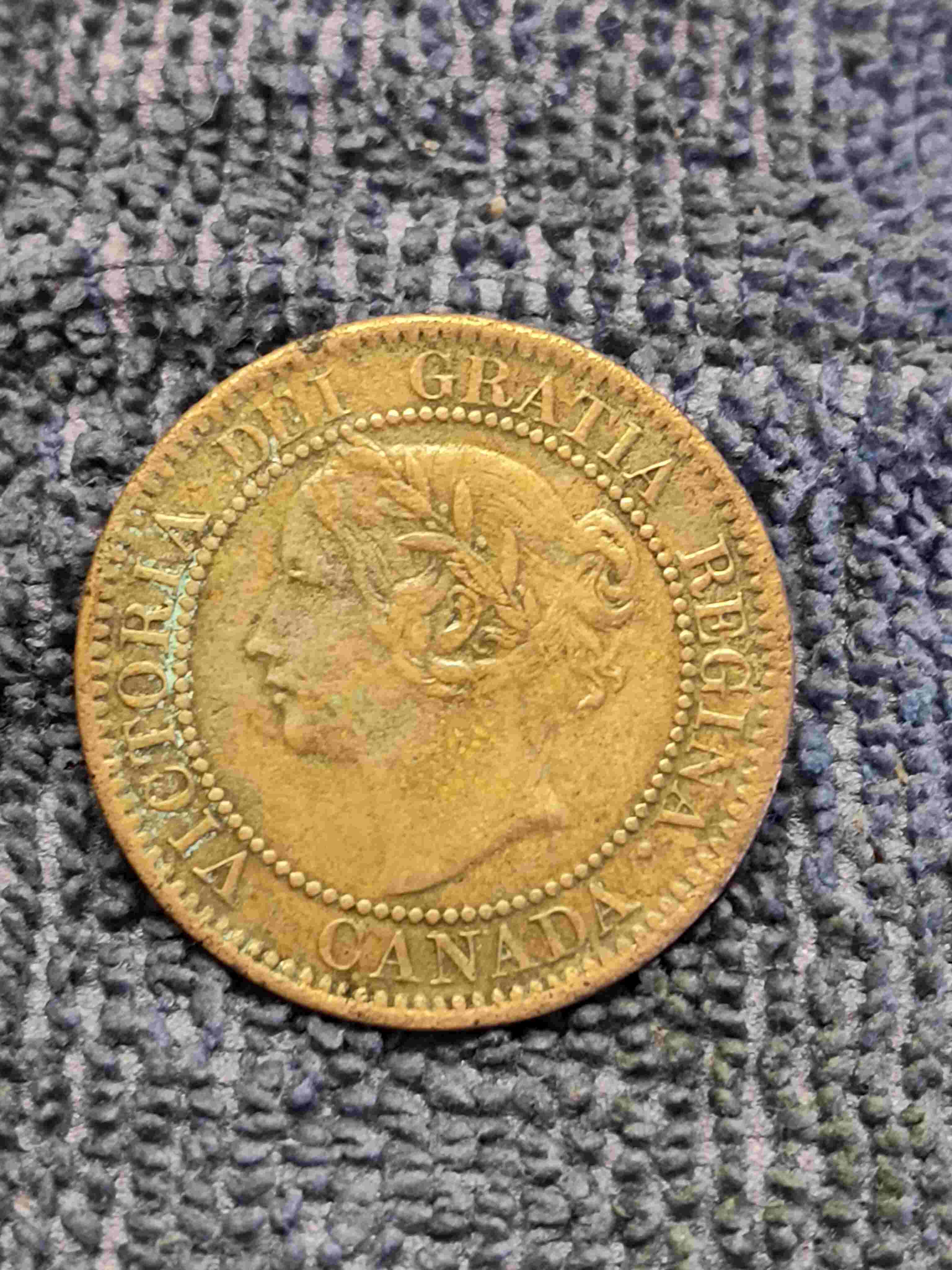 Edited by LarryjrK
02/24/2024 11:33 am
|
| |
Replies: 12 / Views: 1,521 |
|







 Posted 02/22/2024 3:30 pm


