| Author |
 Replies: 7 / Views: 730 Replies: 7 / Views: 730 |
|
|
Pillar of the Community
Italy
1136 Posts |
Hello everyone, I bought a small collection of coins today and it contained a bunch of cuban coins... I read the cuban centimos were minted in Philadelphia from 1915-1960 and this 1961 coin (along with 20,000,000 others) were minted in Slovakia... This coin is clearly on a nickel.planchette (and very very 'barber-esque'); I find it hard to imagine the u.s. sending 20 million planchettes to Slovakia for cuban coins minting; nor would I imagine Cuba having 20 million planchettes and sending them to Slovakia... Contrasting it with the 1963 and very obviously Soviet-ish minted coin (1.40 g and feels like a soda can tab)... Does anyone know the story behind these? 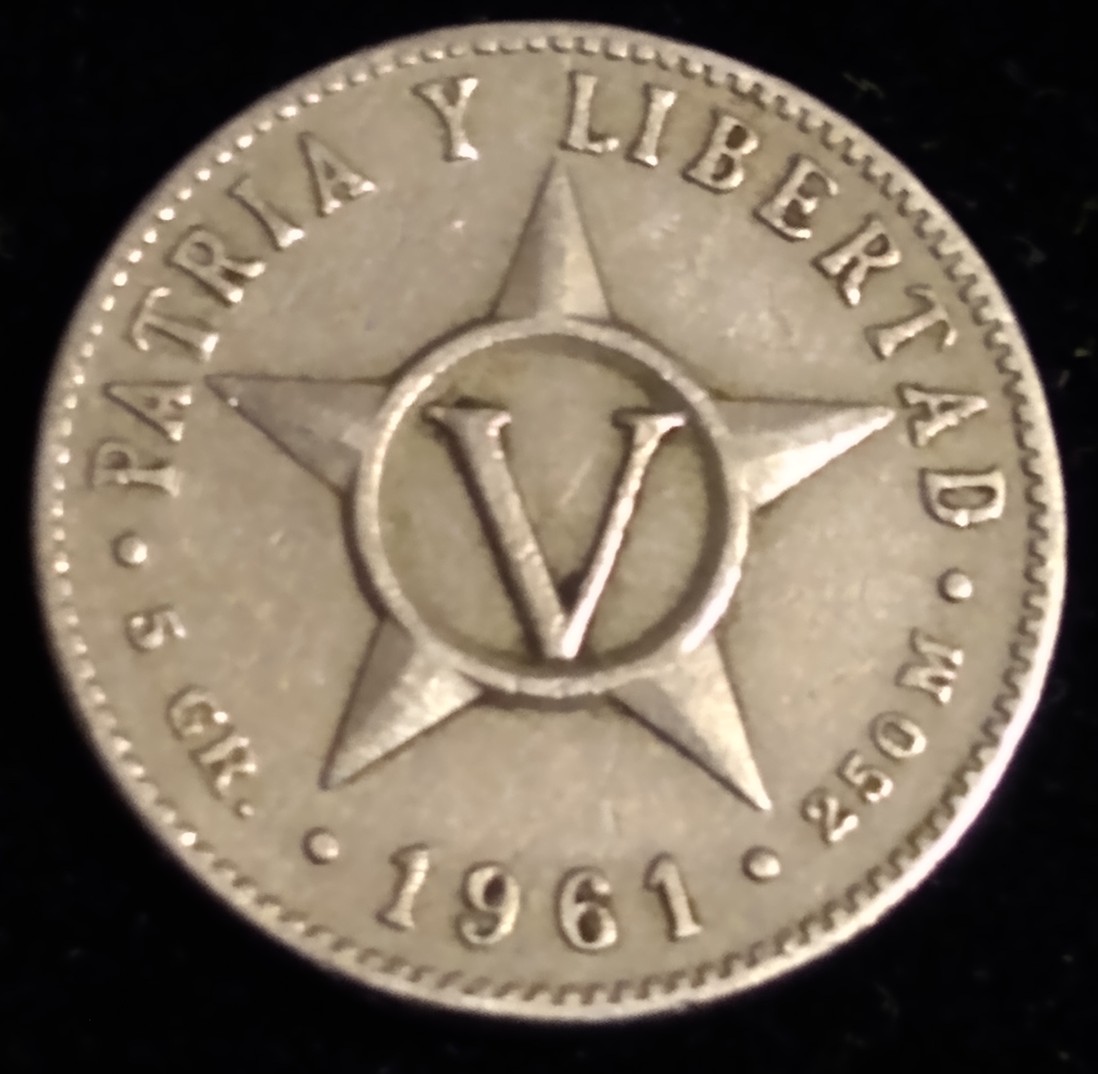 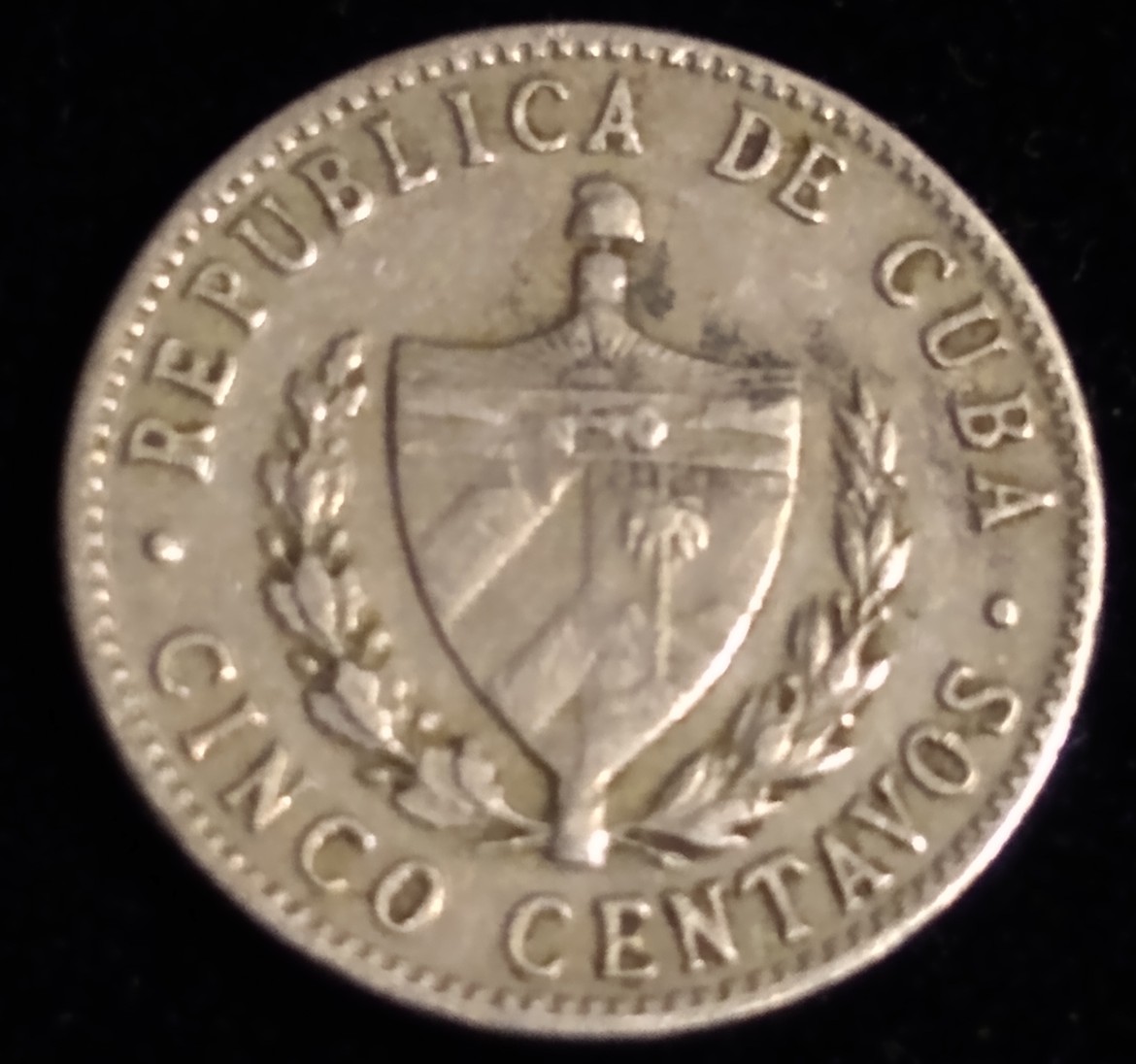 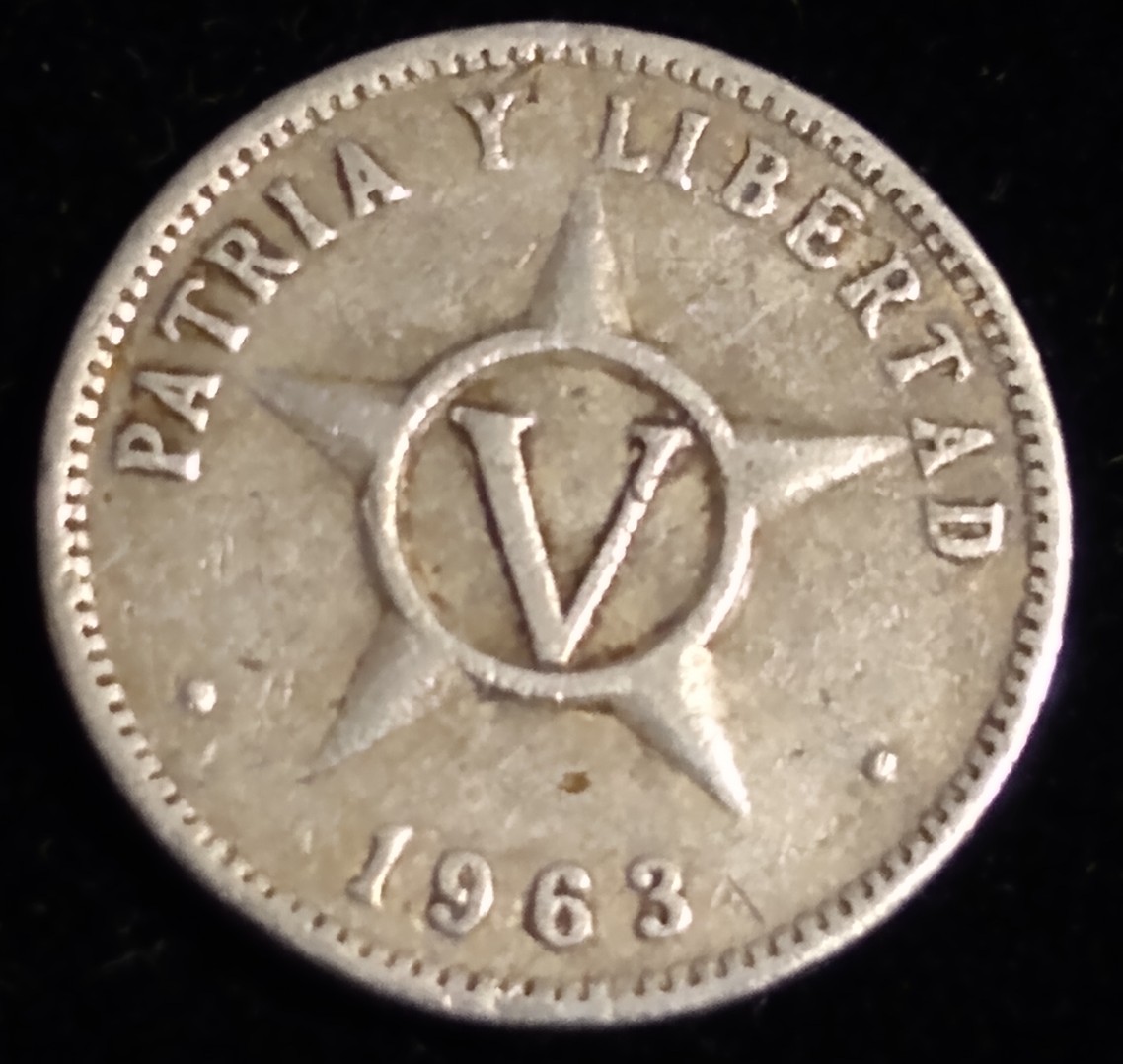 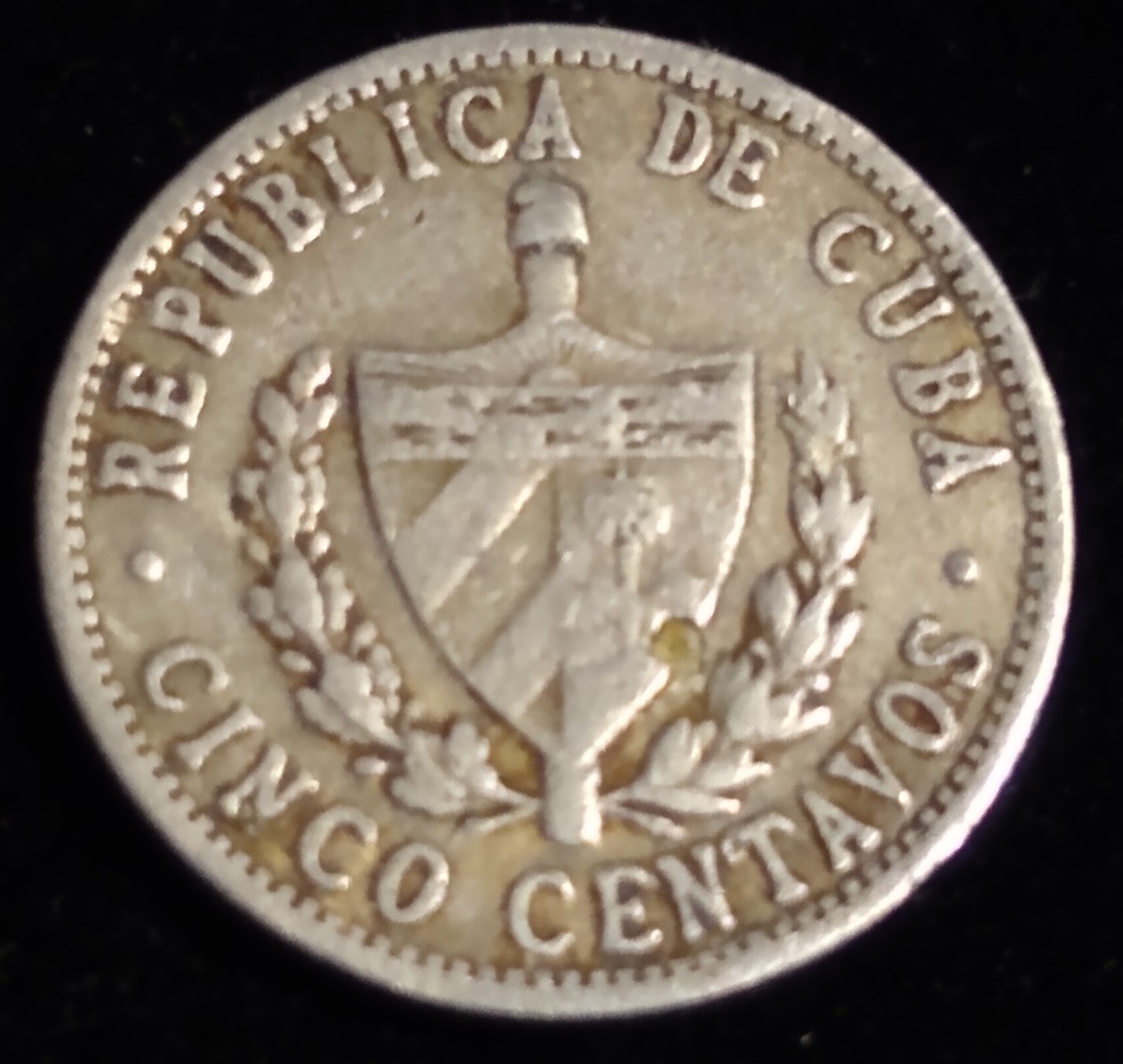 |
|
|
|
Moderator
 United States
56855 Posts |
|
|
Pillar of the Community
 Italy
1136 Posts |
@john1, that's where I got the information I paraphrased in my post from :)
|
|
Moderator
Australia
16989 Posts |
Communist mints could make nice-looking coins. For the most part, they simply chose not to. The Czechoslovakian mints were probably better at making decent-looking coins than the other Communist mints, which may be why the Cuban coin order was sent there instead of, say, East Germany or Moscow.
I have always assumed that Communists deliberately made their coins to look cheap and nasty for ideological reasons. People in Communist countries were taught from childhood that money was a capitalist tool, a necessary evil but one which would eventually be abolished as redundant once the socialist utopia arrived. So why spend money and effort on designing and making something that wouldn't be needed for much longer? I'm also sure this is also why the dates on typical Communist coins are so tiny and hard-to-read: they wanted to hide the fact that the arrival of utopia was way, way behind schedule.
Further, the cheap ingredients of your typical Communist coinage did not survive hoarding. The nickel-brass alloy favoured by the Soviets, for example, is particularly prone to rusting away to nothing after just a short time exposed to the elements or buried in the ground - as anyone trying to collect nice uncorroded Soviet coins can attest. I am certain this was a deliberate design feature, and not a bug. Good Communist citizens are supposed to put their trust in the State, not in their secret personal fortune they've buried in their backyard. There is a reason why the Soviet Union did not make any silver coins for circulation after 1931, and why none of the other Communist countries ever issued any silver circulating coins: silver was too easy to hoard, and money was supposed to have value only while the State said it had value, not because of some objective intrinsic value of the metal the pieces of money contained.
In the case of Cuba, I would assume the key messaging the new Communist government wanted to send immediately after the revolution was "don't panic, it's still business as usual", rather than immediately switching to more ideologically acceptable coinage straight away. Hence the new coins that still closely matched the old pre-Communist coins. Besides, pre-Communist Cuban coinage still had a "communist vibe" to it, with all the stars and revolutionary symbols. Which is probably also why Cuba was the only Communist country to not change it's coat of arms - not even slightly - after the Communist revolution.
Don't say "infinitely" when you mean "very"; otherwise, you'll have no word left when you want to talk about something really infinite. - C. S. Lewis
|
|
New Member
United States
38 Posts |
The USA imposed an Arms embargo in 1958. The full embargo was imposed set until February 3, 1962. The comprehensive set of sanctions that is recognized today as the embargo was formalized by President John F. Kennedy in 1962. It banned all trade and financial transactions with the island unless licensed by the Treasury Department subject to detailed regulations contained today in the 56-page Cuban Assets Control Regulations. Based on this information, the United States likely did mint the 1961 5 Centavo coins.
|
|
Pillar of the Community
Russian Federation
1559 Posts |
I disagree with Sap about the small numbers of the year of minting. They are quite large on the coins of the Soviet Union. But I will add that the design of coins in the Soviet Union was very boring. Only the nominal value surrounded by wheat leaves and the coat of arms on the reverse side. No scenes, no workers or peasants (except for a few denominations of the early Soviet period). That is why I did not want to collect coins of the USSR, they are boring and monotonous. Only the denomination of the coin changes, there is no artistic value in them. And if emergency money or too poor countries can be forgiven for this during a difficult period, then I doubt that there were no artists and engravers in the Soviet Union who would create real masterpieces in the world of coinage.
|
|
Pillar of the Community
Italy
1136 Posts |
Thank you all for engaging in this topic. I am certainly intrigued and I suppose numista needs an update. This is my favorite communist state *mint product I've found in Rome... http://goccf.com/t/424470Something about the size and the year...the reverse too. Edited by Roma2021
02/25/2024 4:44 pm
|
|
Bedrock of the Community
United States
37029 Posts |
|
| |
Replies: 7 / Views: 730 |
|







 Posted 02/22/2024 4:39 pm





