Good evening folks

I've been running my second conservation trial in the past days and I would like to present the results and ask for opinions and comments.
This time I tried two silver coins. They were found together and were extremely sticky and tarred. I was hoping the whole black thing was some sort of tar layer which would flake away but it's probably silver sulfide?
The process this time was:

24h in acetone
24h + 24h in water (plain, no ph correction)
24h in acetone
I tried leaving the last 3 baths on a relative hot place so I bet the temp of the solvent was around 30°C. In between all baths the coin was thoroughly dried.
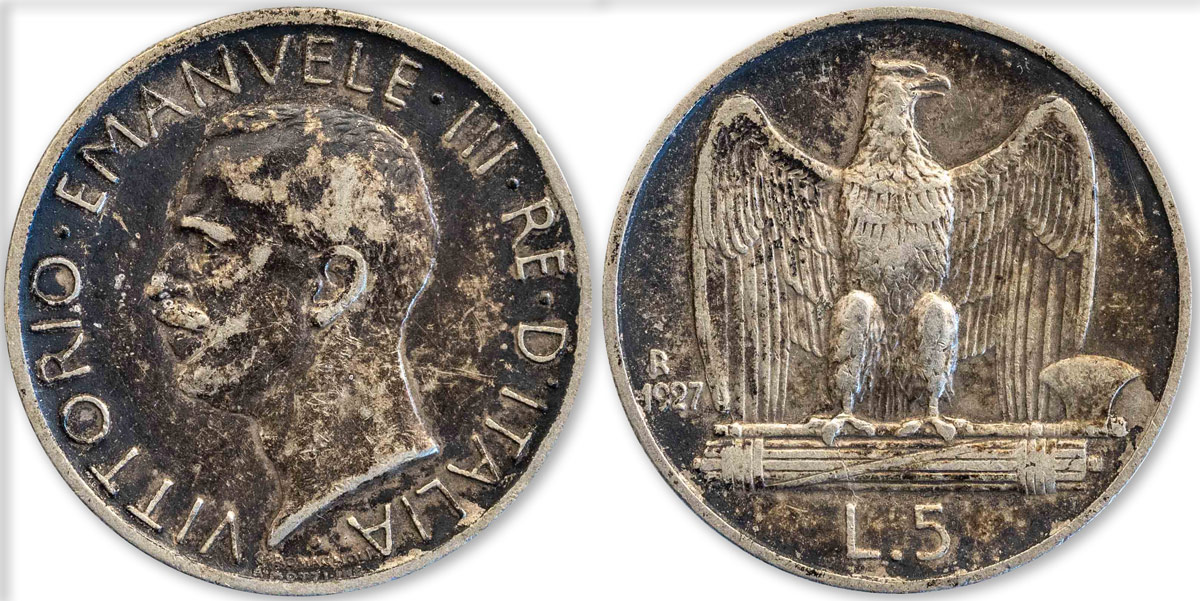
On coin #1 I couldn't help myself so I tried to gently swab with cotton swabs/balls. That did slightly lighten the black areas on the reverse. I did a couple of gently swab, didn't insist.
The coins have a quite nice iridescent patina (not visible on the photos) and it's worth noticing that the whole process didn't strip it at all. Would be nice to remove all the black stuff but living the iridescent luster.
I'm very curious of your comments.. I don't feel like the process did much! Which is expected if the whole black thing is sulfide. Did the treatment improve the look? same? worse? Would you have done things differently or attempted other techniques? Obviously I could dip them in a classic thiourea-based acidic dip but that would probably kill the iridescent effect.
Coin #1 before & after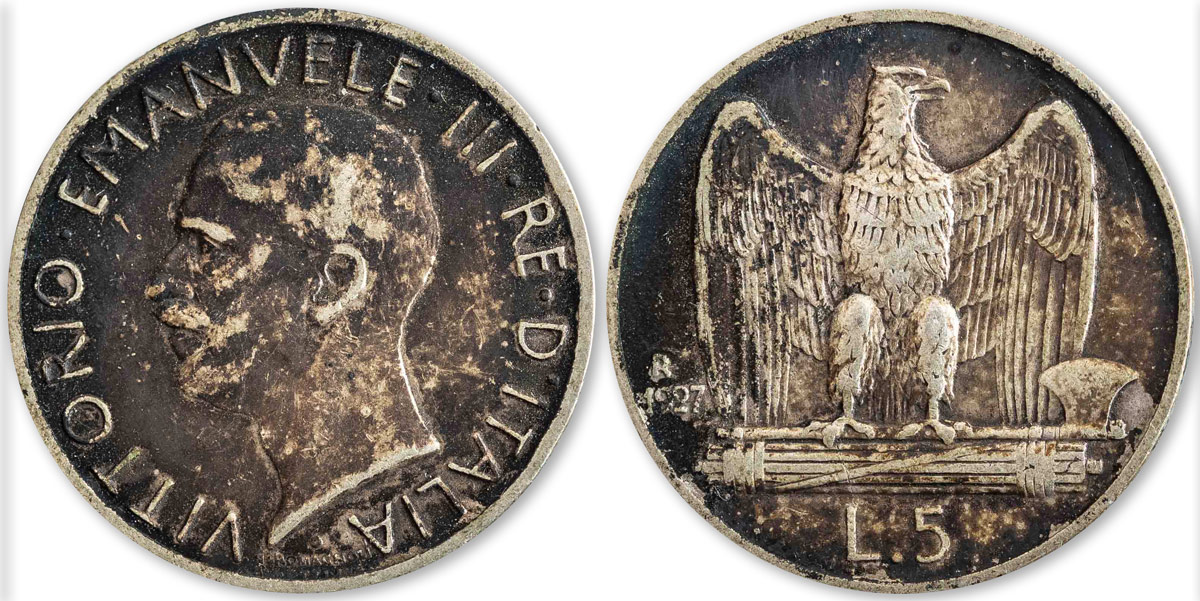







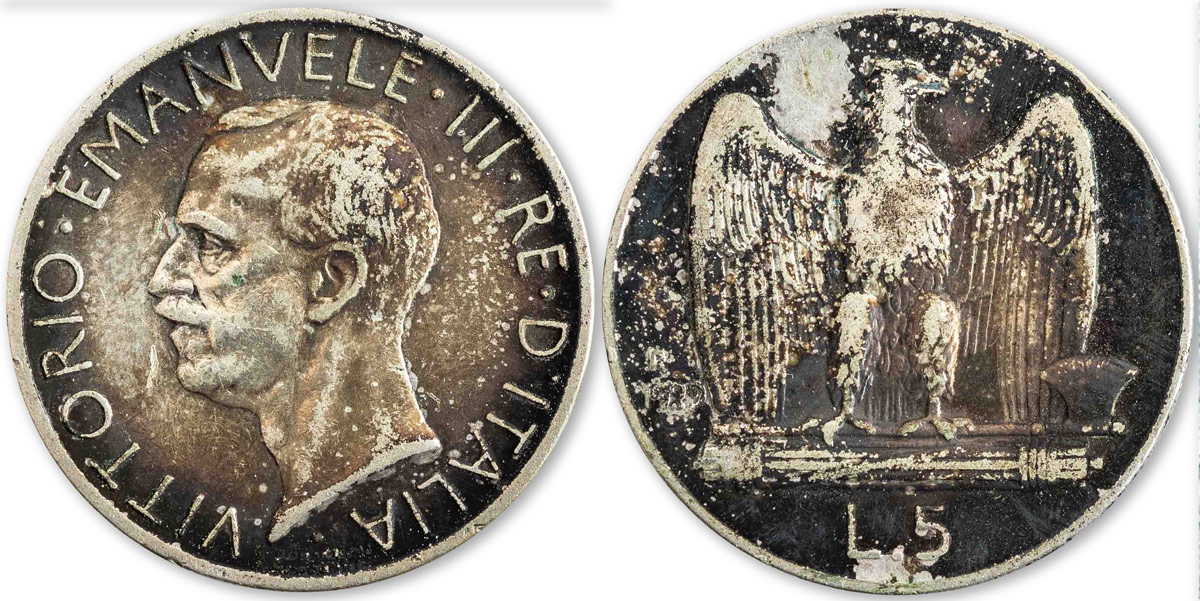
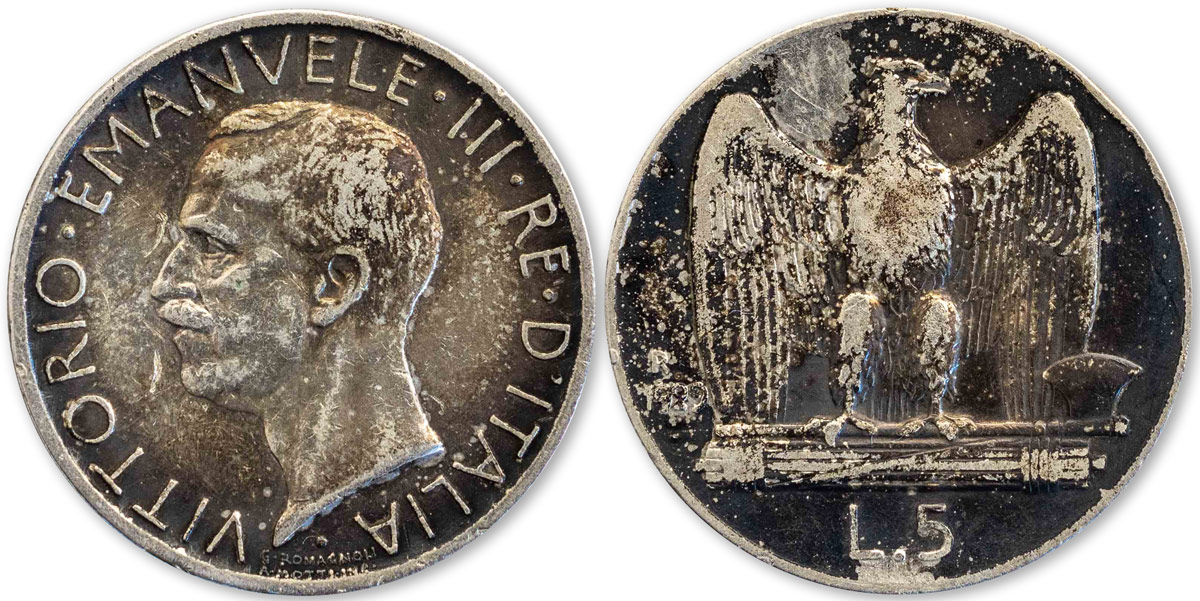


 Posted 04/24/2024 2:42 pm


