







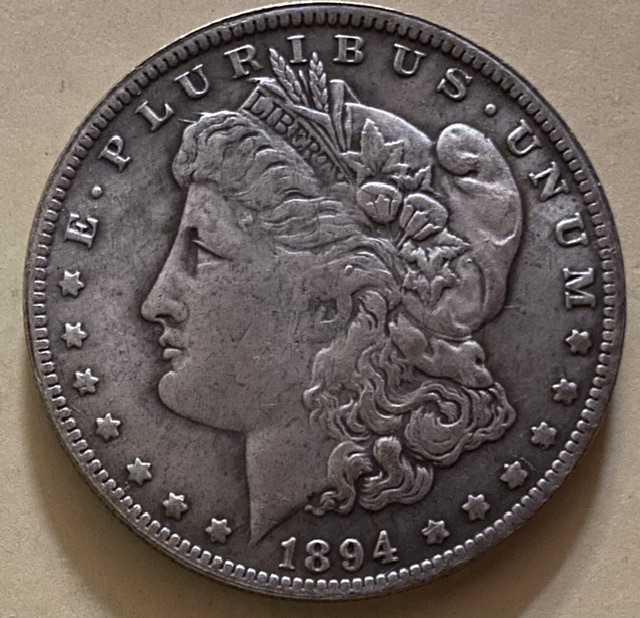
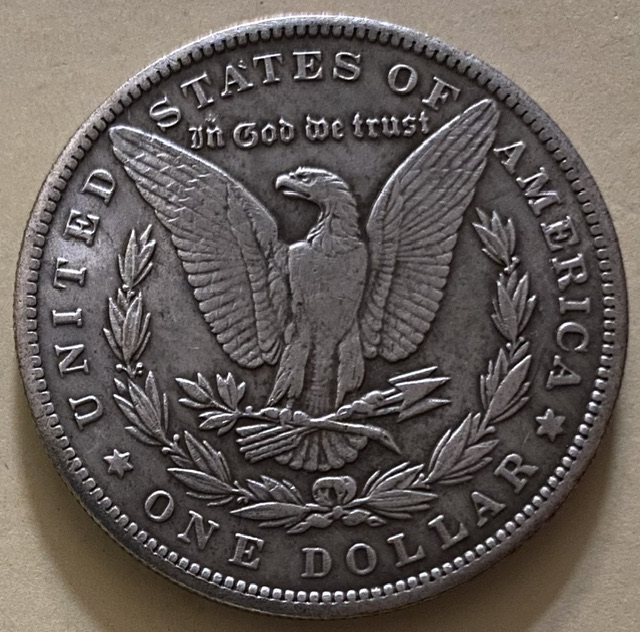


 Posted 05/17/2024 12:14 am


Your basic tests are:
- weight
- ferromagnetism; that's "sticking to a magnet" (a sure sign of fake silver)
- eddy current braking, or "slowing down in a moving magnetic field" (a good sign of authenticity).
- specific gravity
Of course, these tests all assume the fakers aren't using real silver. If the fakers are using genuine silver to make their fakes, all of these tests won't be of much help since such fakes would pass the test. But you shouldn't have to worry about this for coins that are selling for around bullion price anyways. The counterfeiters only use real silver for their top-tier numismatic fakes, where the collector premium is significantly more than bullion value.
- weight
- ferromagnetism; that's "sticking to a magnet" (a sure sign of fake silver)
- eddy current braking, or "slowing down in a moving magnetic field" (a good sign of authenticity).
- specific gravity
Of course, these tests all assume the fakers aren't using real silver. If the fakers are using genuine silver to make their fakes, all of these tests won't be of much help since such fakes would pass the test. But you shouldn't have to worry about this for coins that are selling for around bullion price anyways. The counterfeiters only use real silver for their top-tier numismatic fakes, where the collector premium is significantly more than bullion value.
Don't say "infinitely" when you mean "very"; otherwise, you'll have no word left when you want to talk about something really infinite. - C. S. Lewis


