| Author |
 Replies: 12 / Views: 850 Replies: 12 / Views: 850 |
|
|
New Member
United States
5 Posts |
|
|
|
|
Moderator
 United States
56855 Posts |
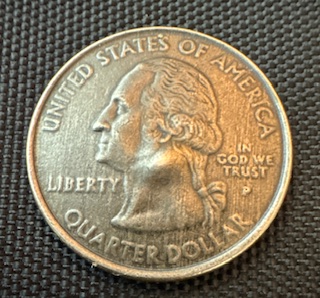
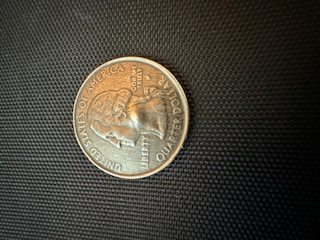
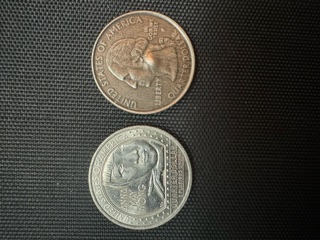
 It is not missing a clad layer,it is PMD from heat damage. John1  |
|
Pillar of the Community
United States
6841 Posts |
 heat damage |
|
New Member
 United States
5 Posts |
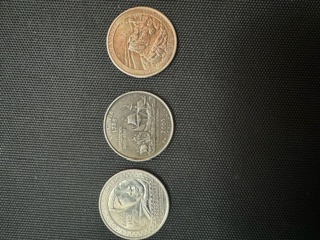
I'm not saying you're wrong because I'm obviously new at this. But I've seen heat damaged coins and wouldn't the colour be more visibly uneven depending on how it was heated? This looks to be dead even and doesn't appear to have any soot marks or anything like that. If this is heat damaged, somebody was careful enough to heat it perfectly even.
|
|
New Member
United States
5 Posts |
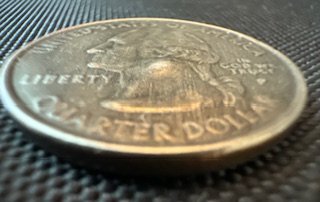
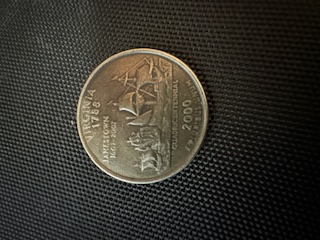
Aside from the possible heat damage, what should I make of the giant Abscess on George Washington's neck? I would not think that would be a heat damage issue, only because if it was able to deform that part of the coin then it would have deformed more of the coin. Without damage on the back of the coin it doesn't make much sense.
|
|
Pillar of the Community
United States
4135 Posts |
This is a heat damaged coin, the bulge is cause by extreme heat. Most everything bubbles when heat is applied, even metal. Remember 9/11 twin towers and trade center? That structure had metal beams that got so hot, it bubbled then melted.
Edited by oddguy
09/14/2024 08:03 am
|
|
Moderator
United States
56855 Posts |
Treetrucker, Type heat damage in the search box here on CCF. John1 |
|
Moderator
United States
105745 Posts |
Heat can cause that bubble on the neck, the copper core will take heat differently than the outer cladding. the outer surface can expand from head and separate from the core. |
|
Bedrock of the Community
United States
78480 Posts |
|
|
Bedrock of the Community
United States
94367 Posts |
to the CCF! |
|
Pillar of the Community
United States
2775 Posts |
The discoloration suggests heat related. Many ways to heat a coin. In the past the old timers some wiser than I would associate lumps like this (and worse) being caused by heat. Reason being is trapped gas in or between the layers could expand if put through a high/hot enough heat. Can form anywhere on the coin. Could effect one side or both pending how and where its trapped. Thanks, Doug.
|
|
Moderator
United States
194816 Posts |
to the Community! |
|
Pillar of the Community
United States
7174 Posts |
As stated in all the above posts, this is from heat. The reason it's this color is because it's had up to 24 years of circulation. Going through thousands if not millions of hands and pockets returned it back to its original color.
|
| |
Replies: 12 / Views: 850 |
|







 Posted 09/14/2024 04:07 am





