| Author |
 Replies: 24 / Views: 2,512 Replies: 24 / Views: 2,512 |
|
Valued Member
United States
67 Posts |
I have a 1973D US Penny that I suspect was struck on a Canadian 1 cent planchet. It weighs 3.31 grams and has the same patina look of a 1951 Canada 1 cent piece. Also used coin calipers and the width is a match as well at 1.65mm vs what it should be for a US around 1.55mm.
Is this coin worth sending in for grading? I have done some web searches and can find nothing documented regarding this potential error.
|
|
|
|
Bedrock of the Community
United States
76016 Posts |
 To CCF!  Errers and Varietys.
|
|
Bedrock of the Community
United States
94367 Posts |
We'll need sharp images to help. to the CCF! Edited by Coinfrog
09/22/2024 8:28 pm
|
|
Bedrock of the Community
United States
19313 Posts |
Yes--full, large and sharp pics are necessary.
|
|
Valued Member
 United States
67 Posts |
Here you go. The CoinSnap app said it's MS but who knows. 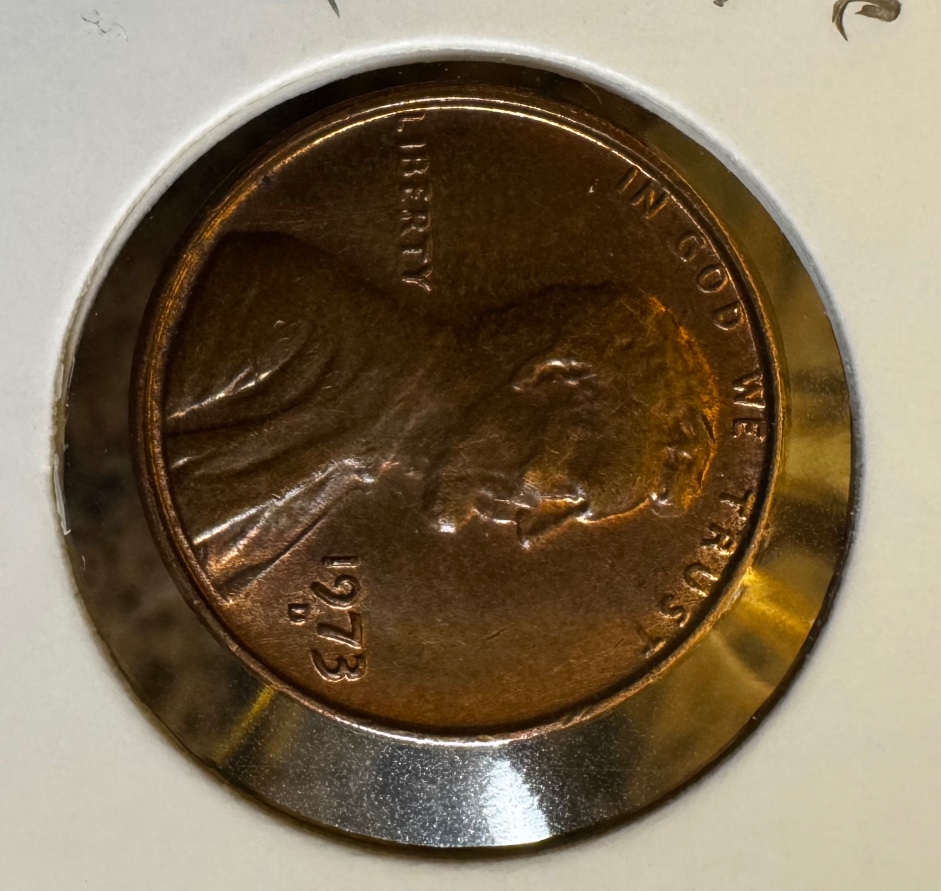 |
|
Valued Member
United States
67 Posts |
Reverse 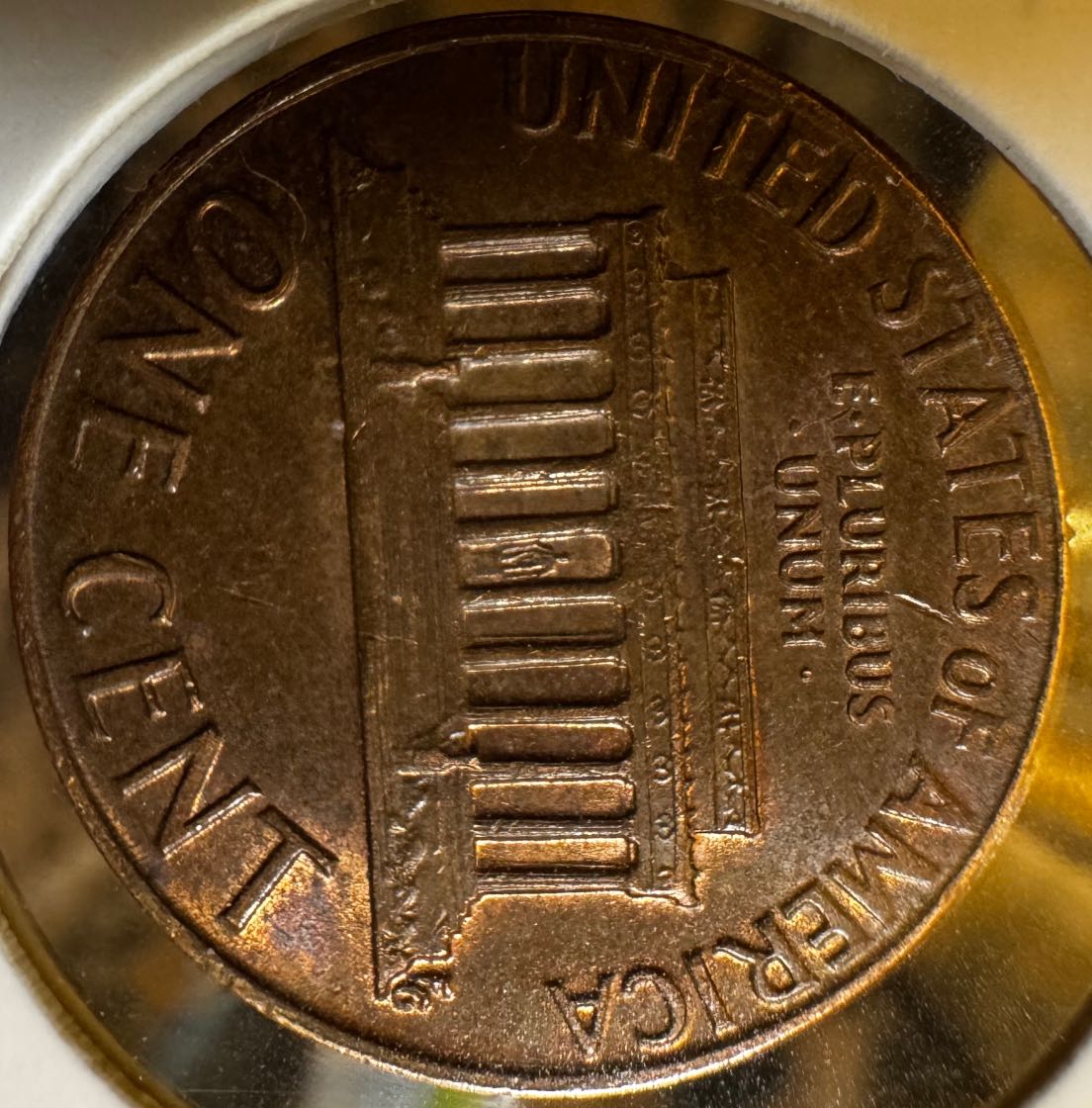 |
|
Moderator
 United States
100411 Posts |
to CCF Thanks for posting that image up, but for future images it is recommended that the coin be removed from the 2x2 as they can cause glare and focus issues. But for this coin, it look normal to me, maybe just a rolled thick planchet. |
|
Bedrock of the Community
United States
94367 Posts |
Overweight planchet, it happens. Struck on a Canadian cent planchet - c'mon, you must be kidding. to the CCF! |
|
Valued Member
United States
67 Posts |
Thanks, yes it looks very similar to a Canadian 1 cent piece. Same diameter, almost the exact same metal composition. My question is has a us penny ever been verified a Canadian 1c planchet. Matching exactly at 1.65mm looks like a good possibility.
|
|
Pillar of the Community
United States
1791 Posts |
If it was a thick planchet, that 0.1 mm difference is only 0.0039 inches which accounts for the .2 grams. I know I couldn't tell the difference between a 75% and a 98% copper alloy just by looking at them and I worked with metals.
|
|
Valued Member
United States
67 Posts |
This is from chatgpt. The compositions are very similar, an XRF may be the only way to tell if it's Canadian or not. U.S. 1973 Penny ( Lincoln Cent) • Composition: 95% copper, 5% zinc. • Weight: 3.11 grams. • Diameter: 19.05 mm. • Thickness: 1.52 mm. The U.S. penny was composed mostly of copper until 1982, when the composition switched to copper-plated zinc due to the rising cost of copper . Canadian 1973 Penny • Composition: 98% copper, 0.5% tin, 1.5% zinc (bronze). • Weight: 3.24 grams. • Diameter: 19.05 mm. • Thickness: 1.65 mm. |
|
Pillar of the Community
United States
3535 Posts |
I have no idea if that's even feasible, to have a 1973 US One Cent struck on a Canadian planchet.
Why would the Canadian planchet even be in the US Mint in first place?
|
|
Valued Member
United States
67 Posts |
Possibly an ingot roll meant for Canada's mint was marked/sent for the US by an outside supplier, both ingots would be very similar and they're neighbors.
|
|
Pillar of the Community
United States
7149 Posts |
You know that "wholesale" ingot roll from the supplier is still going to go through a "thinning" process at the US Mint.
|
|
Valued Member
United States
67 Posts |
Few more pics. Calipers measurement and photo of it next to a 1951 Canadian penny. 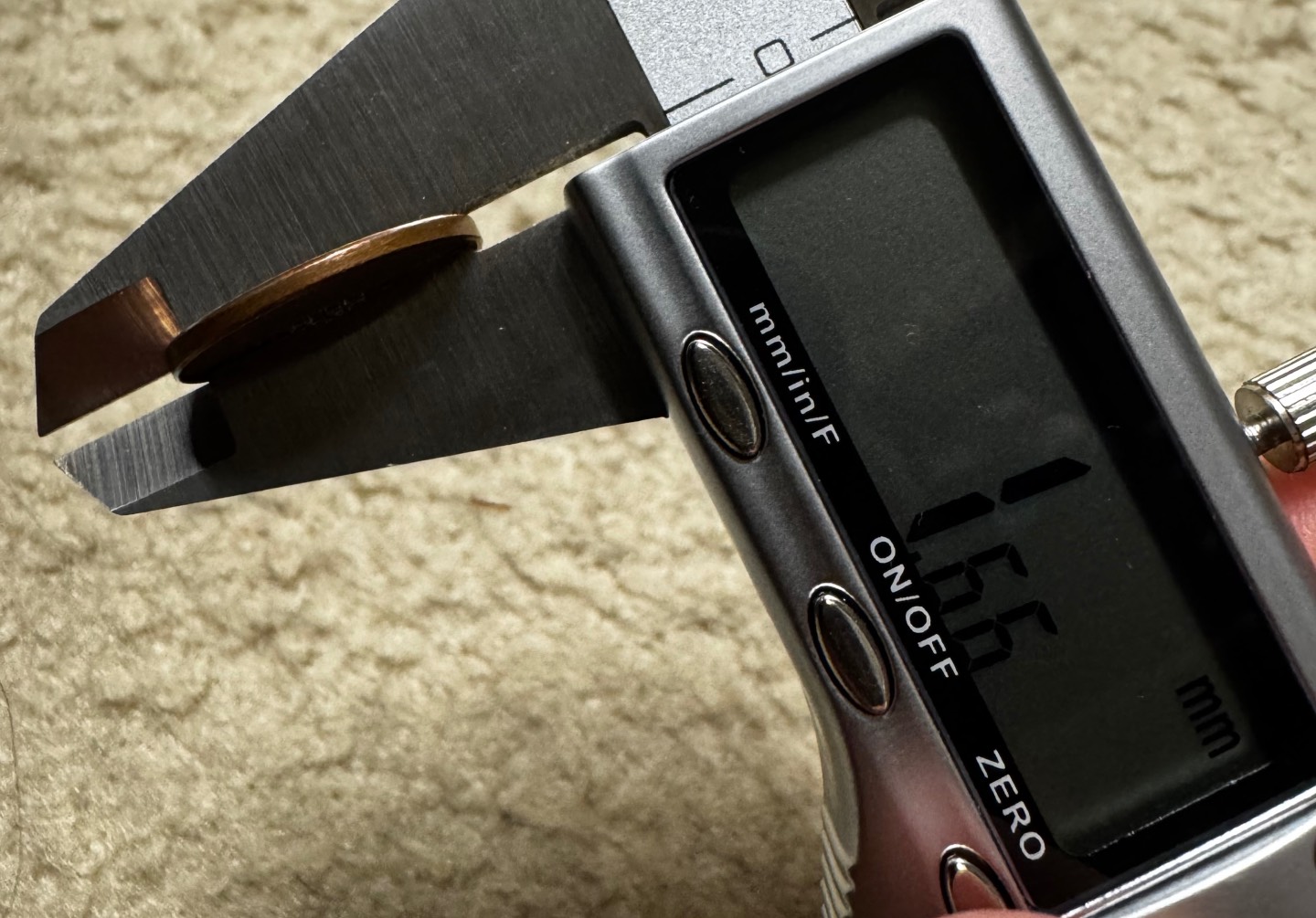 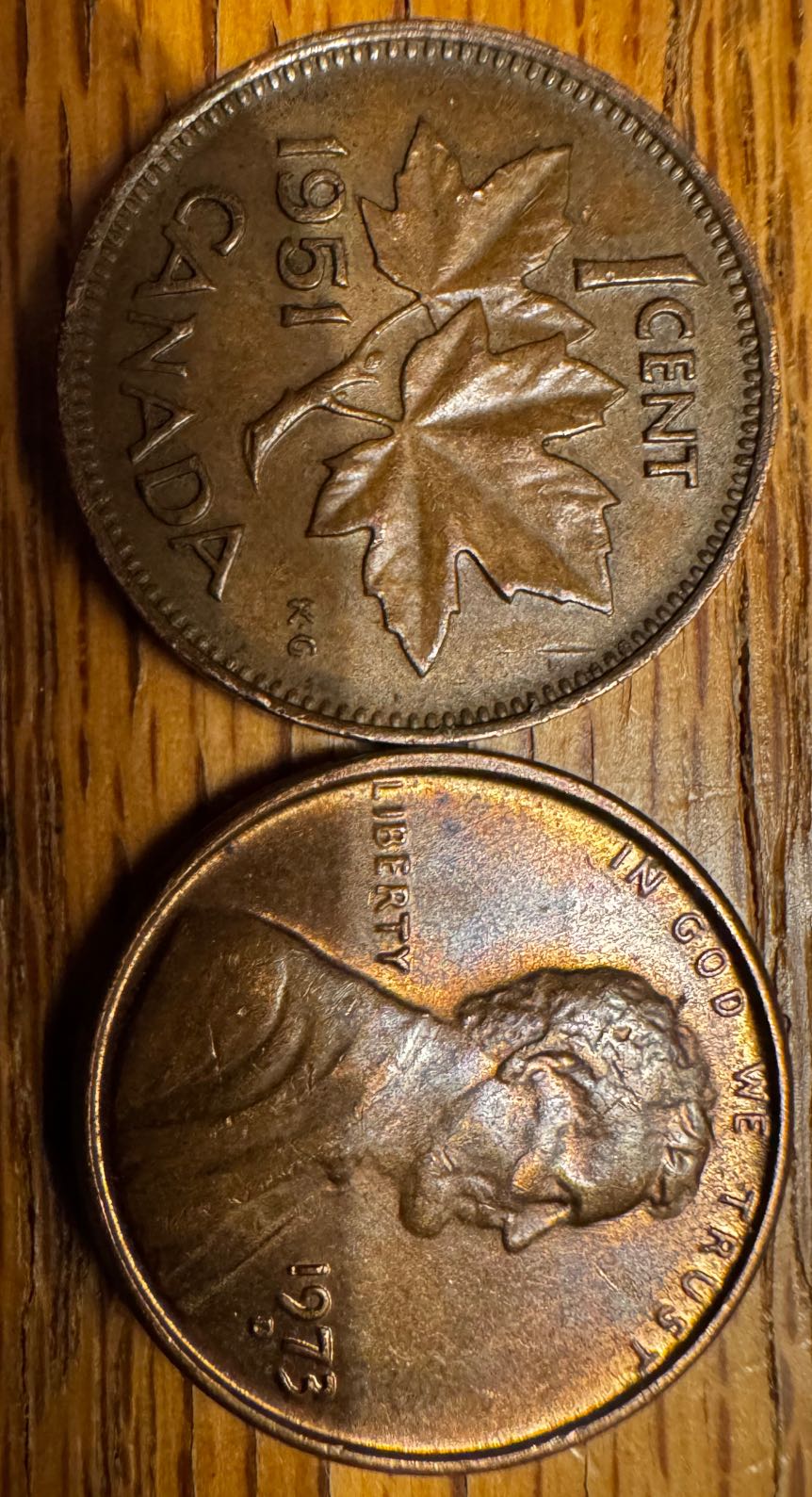 |
|
Bedrock of the Community
United States
10601 Posts |
Send it in - we can't tell anything from pictures. Let us know what happens.
|
| |
Replies: 24 / Views: 2,512 |








 Posted 09/22/2024 8:28 pm


