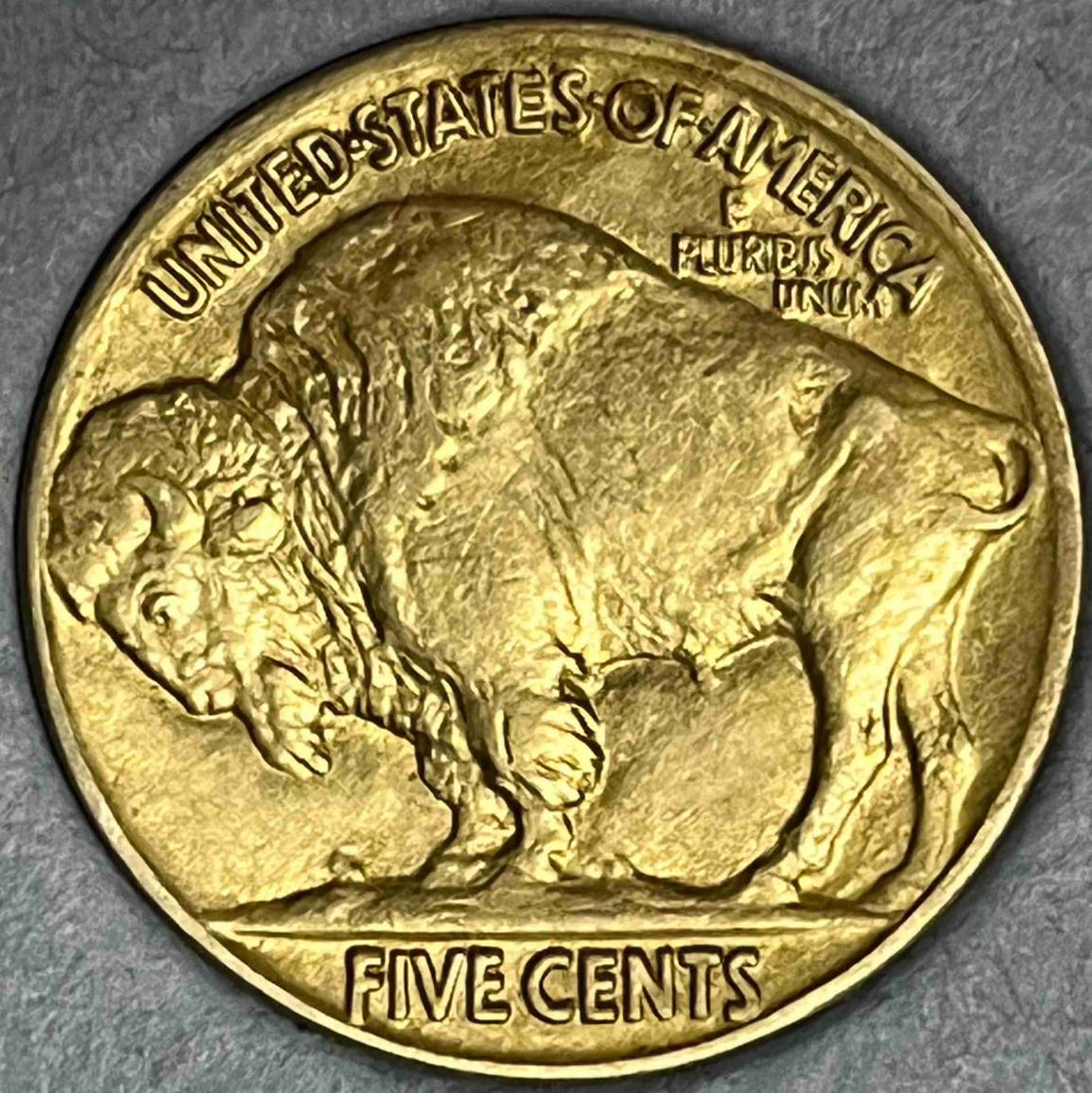
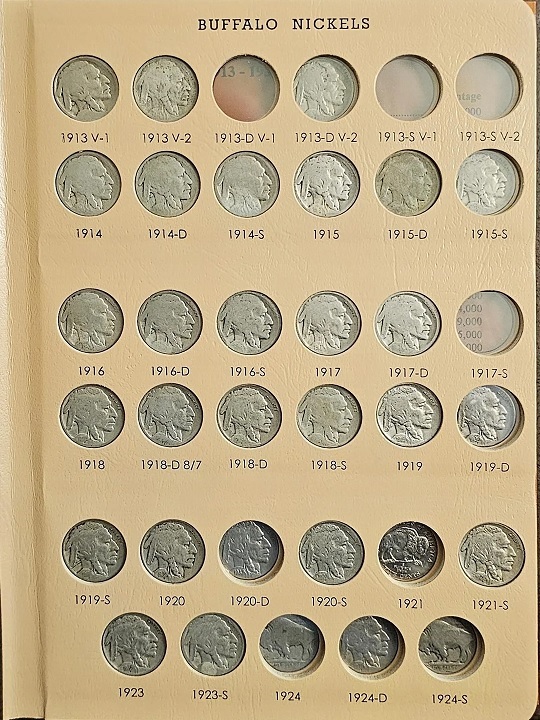
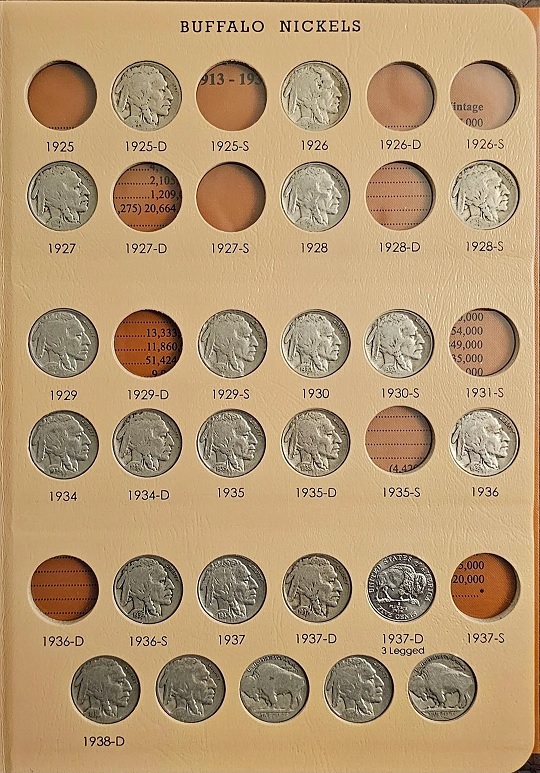
Buffalo nickels have been my specialty for over 55 years now. As a kid, I started pulling them from circulation if they had recognizable dates. (Yes, they still circulated in the 1960s.) They can be both a fun and frustrating collection.
Go at your own pace. Don't feel pressured to buy a specific coin. Read everything you can snag about the coin, and learn its quirks and challenges. If you are part of a local coin club, you may well be the only member collecting Buffs. As you learn, share what you learn with others.
An inexpensive way to gain knowledge is the
Buffalo Nickel Club, an online specialty coin club.
Here are a few thoughts about the
Buffalo nickel and collecting them.

The rarest
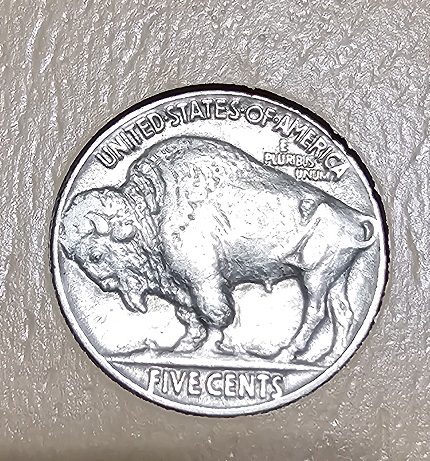
Buffalo nickel isn't a specific date or mint. It is any Buffalo that is (a) struck with a matching (obverse and reverse) early die state die pair, (b) struck well, (c) has minimal die clashing and die polishing, and (d) is in a higher grade (EF-40 and up). There are only a few dates where coins meeting these criteria can be considered reasonably common, mainly 1913 Type 1, 1913 Type 2, 1916, 1917, 1918, 1919, 1936, 1937, and 1938-D.
At almost any larger coin show, dealers will have "junk boxes" of
Buffalo nickels. You may be able to upgrade your coins at a reasonable price by picking through those boxes.
Learning to grade
Buffalo nickels is a challenge. They and the
Standing Liberty quarter, are the two most difficult 20th Century series to grade. Distinguishing die wear from strike weakness from die clash polishing from circulation wear takes time and practice. Read everything you can about grading this series, and practice your skills with coins you see in dealers' junk boxes and bulk albums. Don't believe the grades assigned to the coins by anyone. Examine the coins for yourself and work through the process. The knowledge you gain will last you for a lifetime.
As you grow your collection, you will start to notice the differences in strike and eye appeal for coins from each of the three mints. The branch mints faced many challenges in striking these coins, and well struck branch mint coins are very hard to find.
There are some notorious condition rarity coins in the series, where a half step in grade can more than double the price. Knowing how to grade the coins may lead you to an undervalued coin and (most importantly) help prevent you from overpaying for a coin.
Learn the different
obverse design varieties. This will help you determine dates on partial-date coins and also help you spot counterfeits. The
reverse design varieties are easier.
Every date and mint of the
Buffalo nickel series has been counterfeited in China. There are common things to look for, since the counterfeiters tend to use the same reverse dies for multiple dates and tend to change the date by hand on common obverse dies.
Enjoy the journey. This is a fascinating series, and is still filled with mysteries waiting to be discovered. Maybe you will be the discoverer. Consider:
How many 1913 obverse dies were mated with both the Type 1 and Type 2 reverse? (There are at least 4.)
How many used Philadelphia dies were shipped to the branch mints, for those mints to continue striking coins from the dies? How many Philadelphia reverse dies had branch mint marks added to allow this, effectively creating "ghost OMMs" in the series?
How many reverse dies remained in use across two (or more) years? Do any of these include known DDRs?
How many working dies were re-engraved by the three mints to restore the designs after die polishing or for reasons unknown?






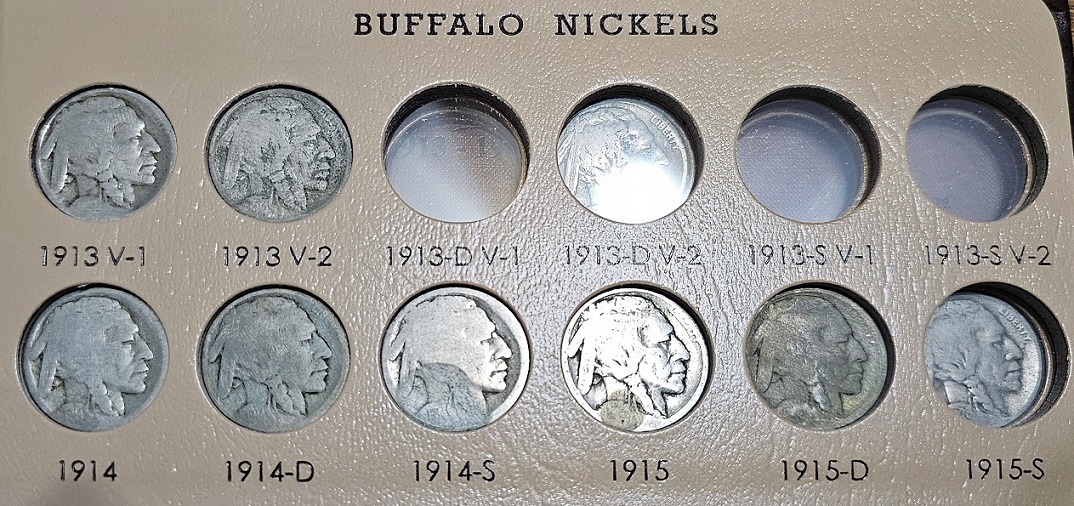
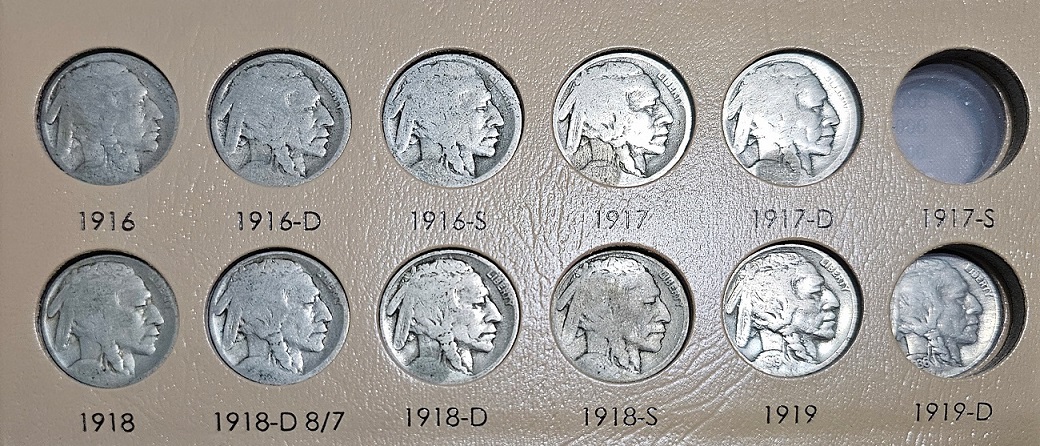
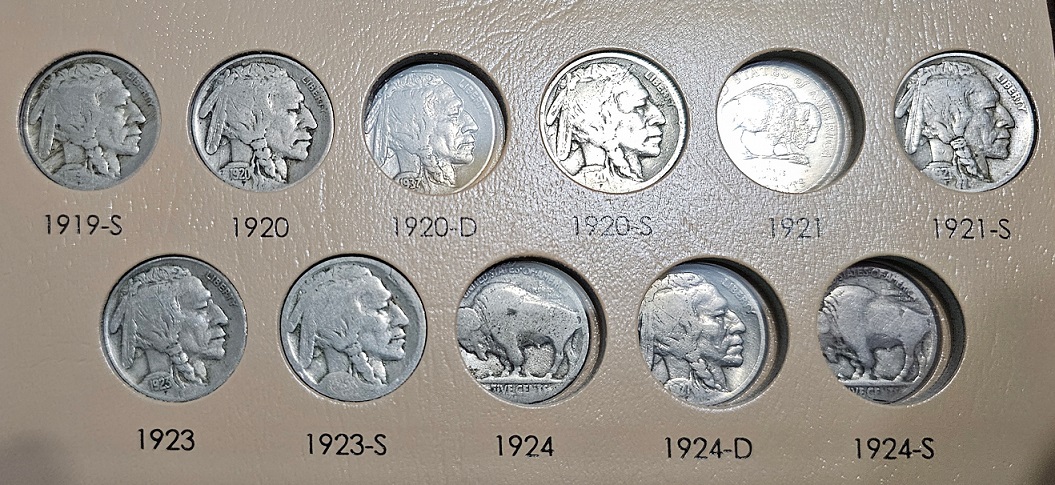
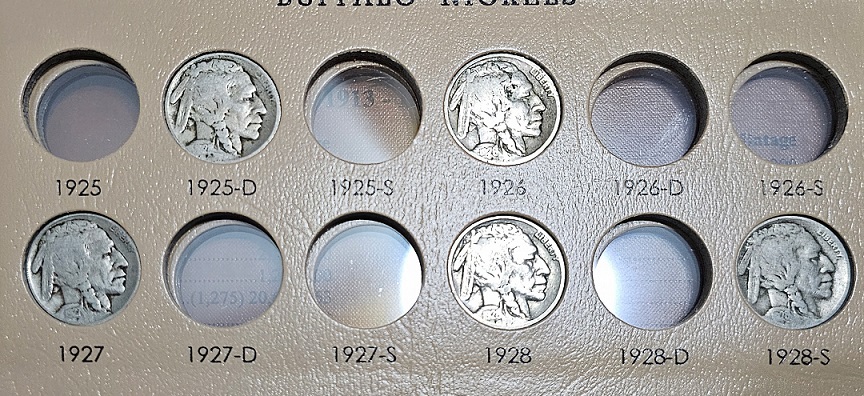
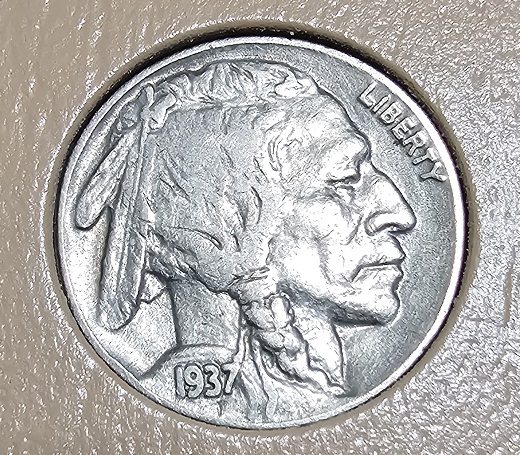
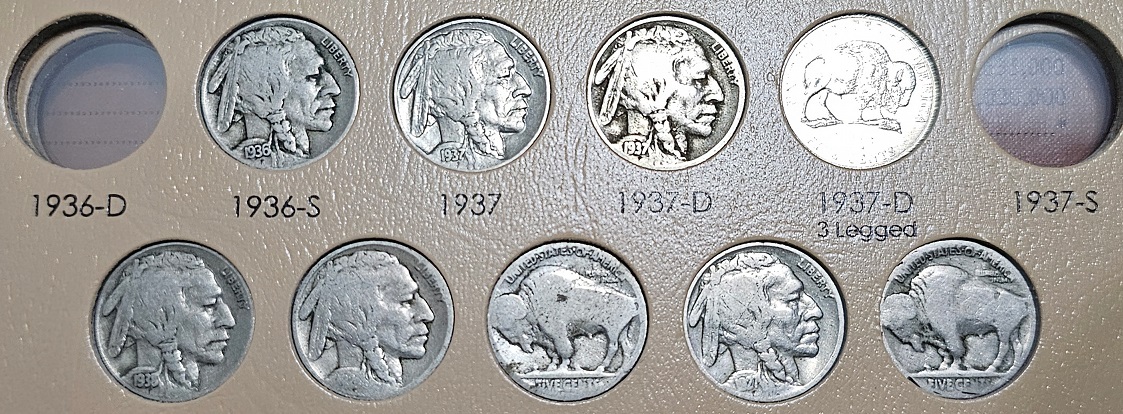

 Good start.

 Posted 12/28/2025 7:13 pm