








 Posted 01/03/2026 10:13 am


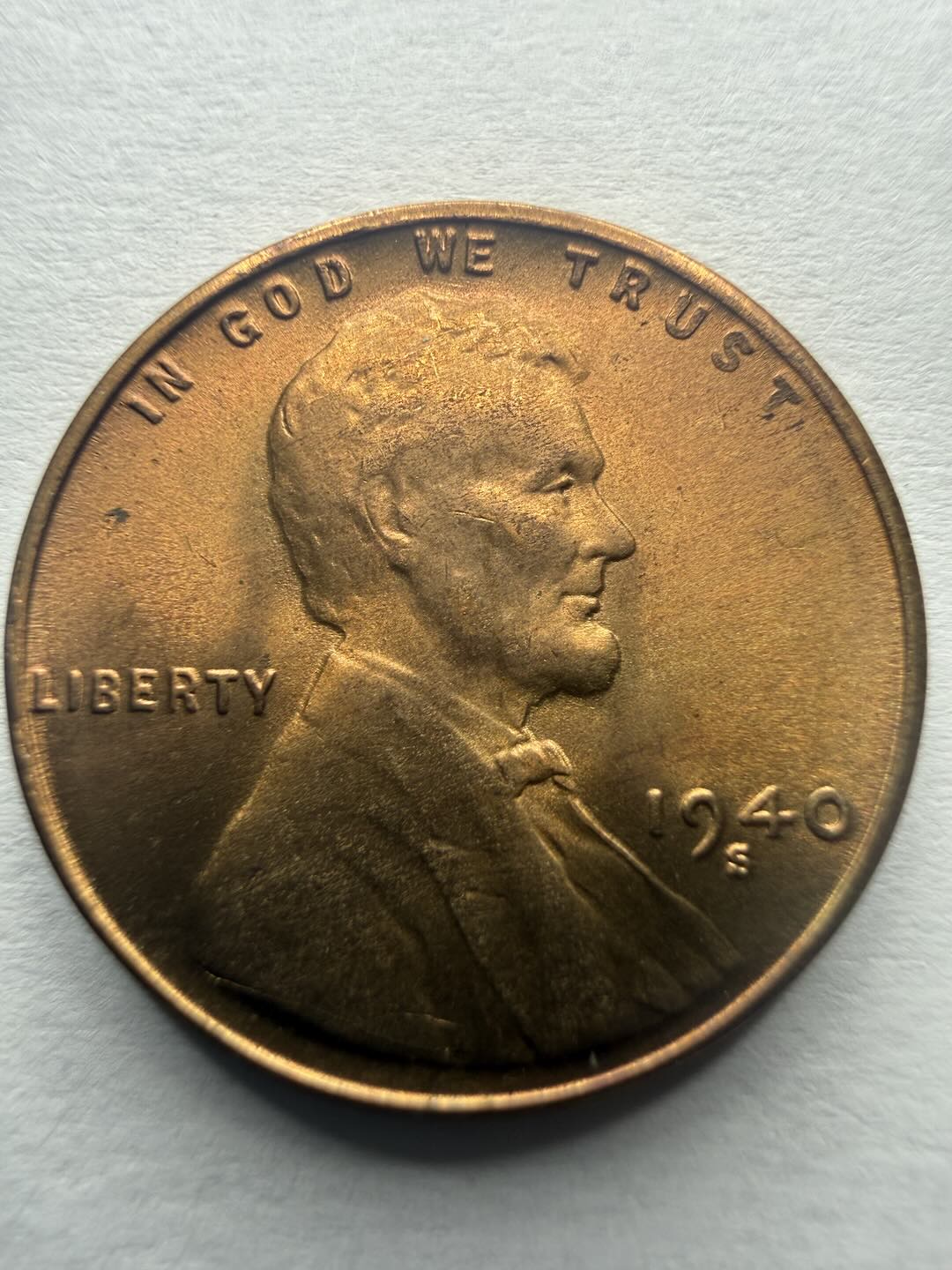
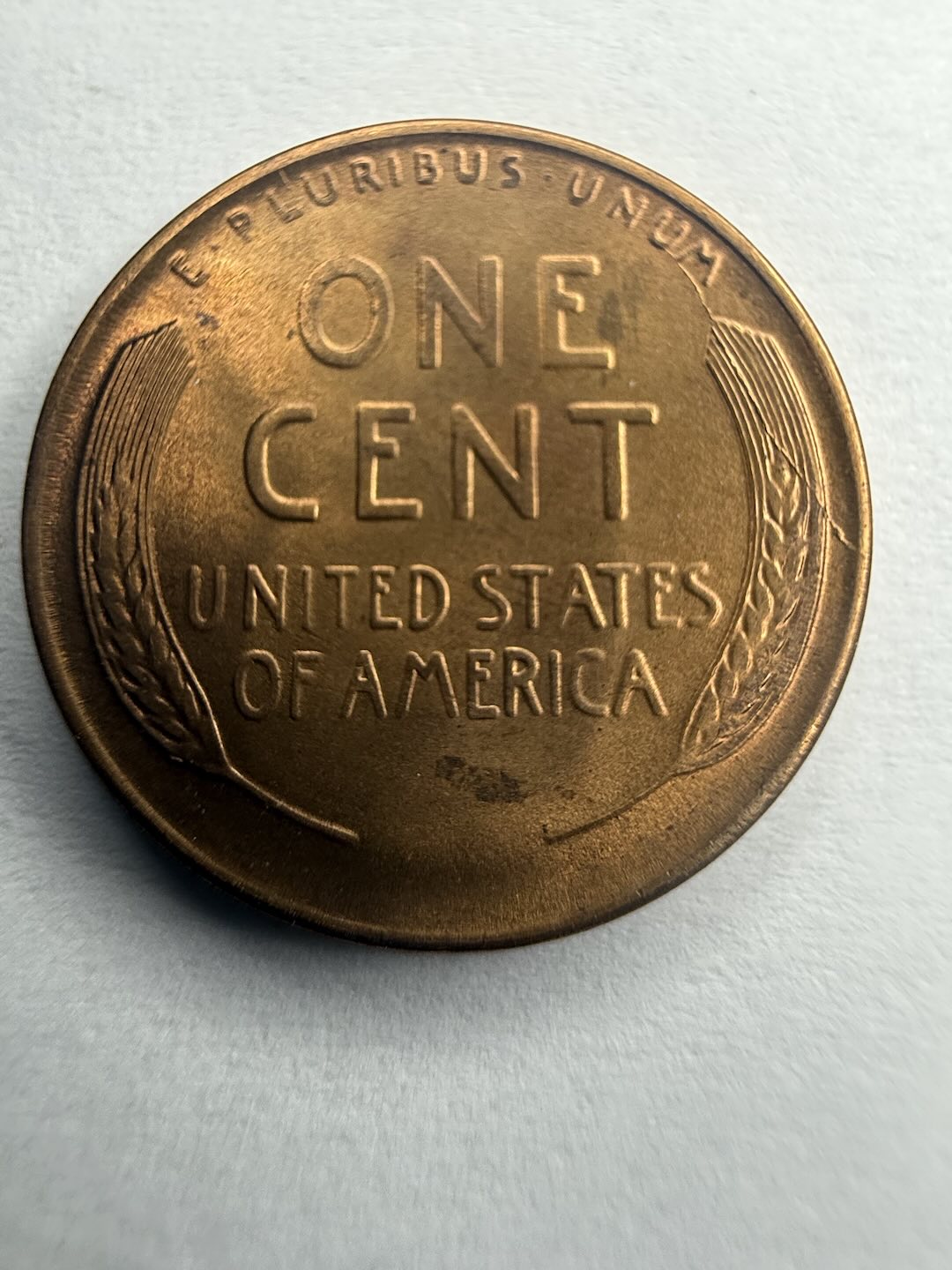
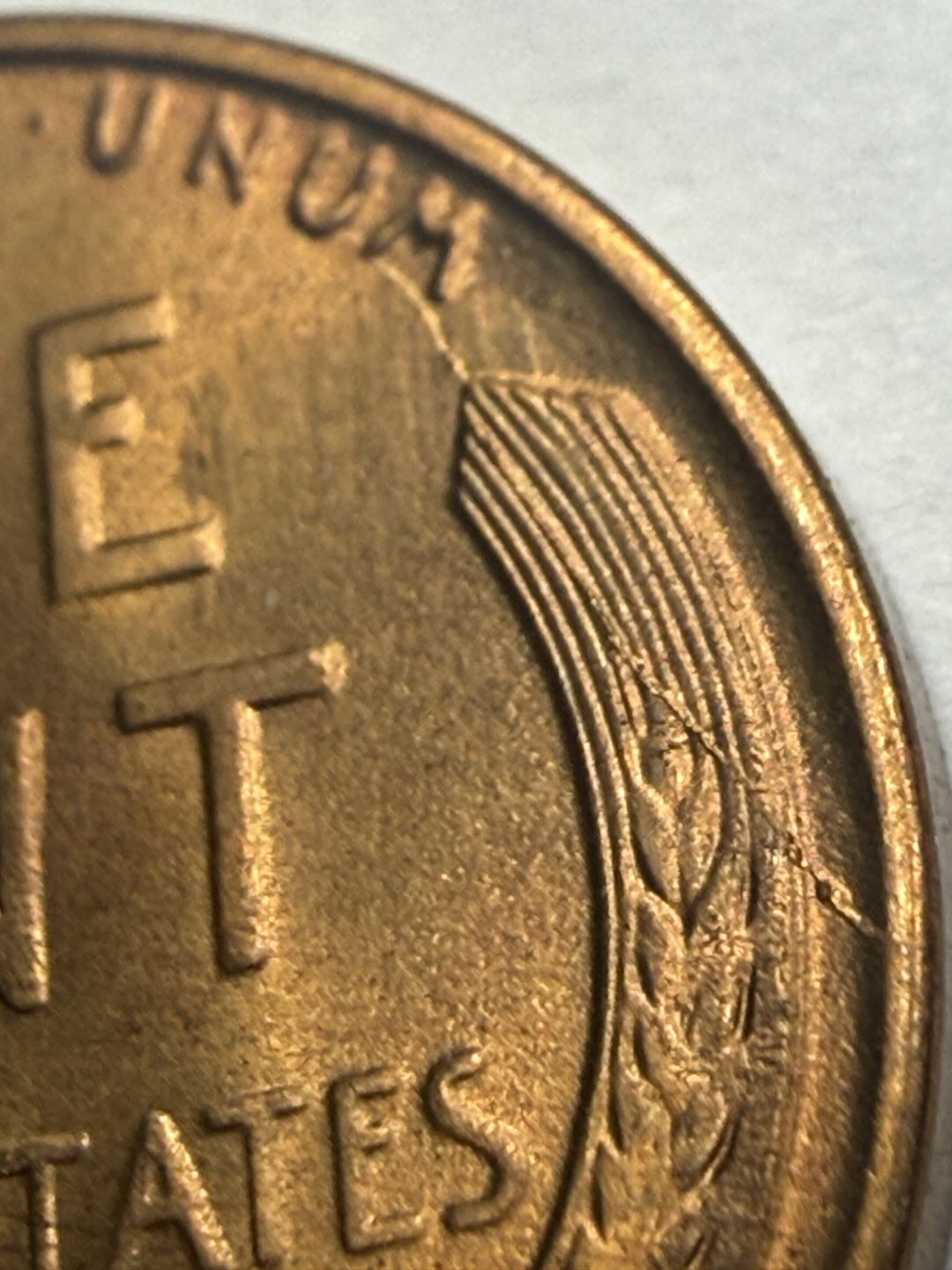
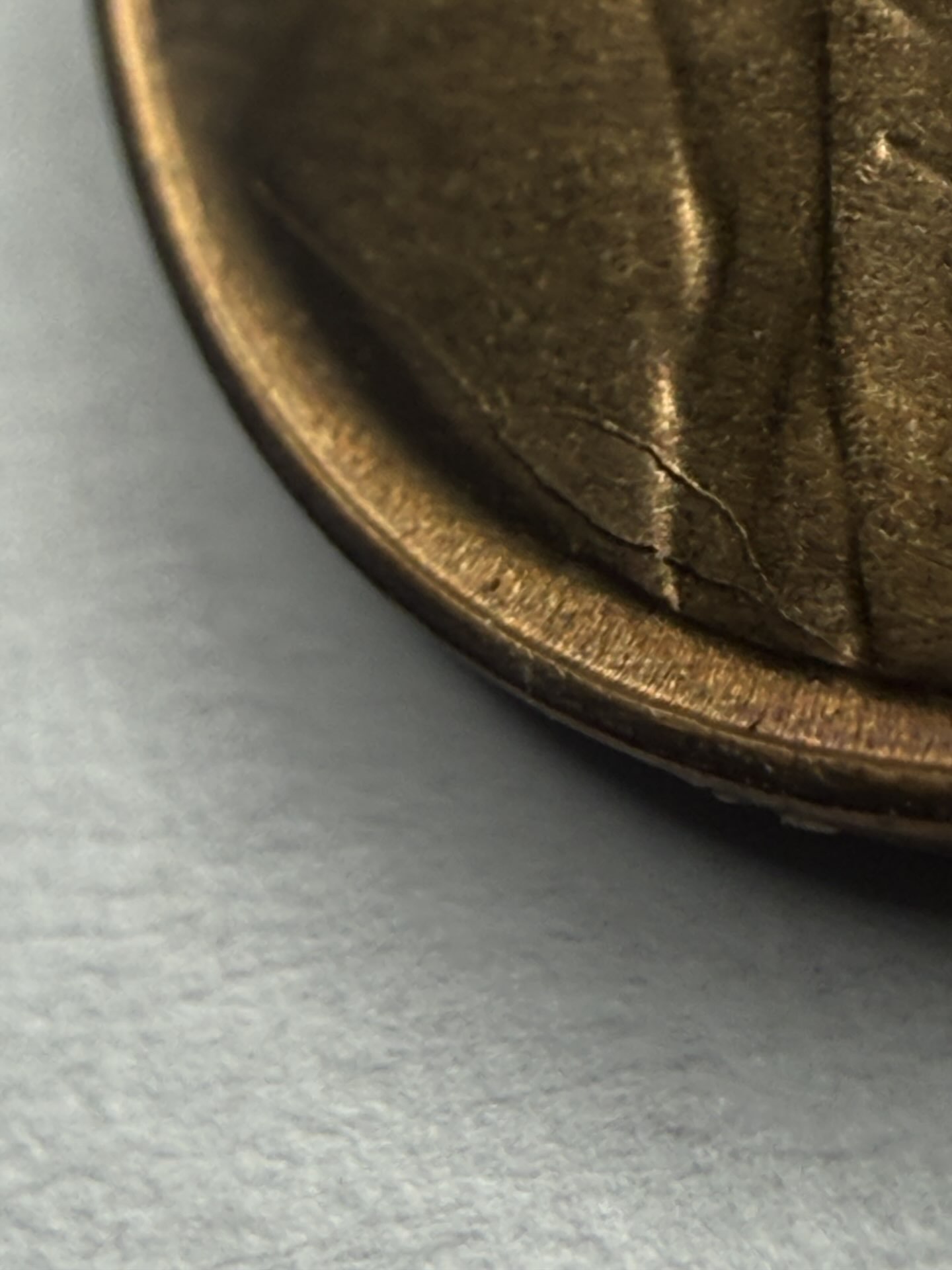
The San Francisco Mint had a really rough year in 1940. They overworked many of the die pairs, and this specific date accounts for a staggering number of Retained Cuds. It can be a scavenger hunt to match them, but here is the listing Cuds-On-Coins has for the 1940-S Retained Cuds.
Strike quality should not affect grading, because the technical grade should measure the state of preservation of the coin after it leaves the mint. In general, higher grade coins with weak strikes tend to be more accurately graded than mid-grade or lower coins, because the strike weakness is more evident. The same is true for die polishing, which is generally done to remove evidence of die clashing. On more heavily circulated coins, both strike weakness and clash polishing can look like circulation wear, and that leads to undergrading some coins.
Strike quality, die wear, and die polishing are factors in the eye appeal of a coin, and may well affect how potential buyers assess the coin's value. That said, eye appeal sometimes is factored into grading (especially on coins that are on the edge of two grade steps).
Strike quality should not affect grading, because the technical grade should measure the state of preservation of the coin after it leaves the mint. In general, higher grade coins with weak strikes tend to be more accurately graded than mid-grade or lower coins, because the strike weakness is more evident. The same is true for die polishing, which is generally done to remove evidence of die clashing. On more heavily circulated coins, both strike weakness and clash polishing can look like circulation wear, and that leads to undergrading some coins.
Strike quality, die wear, and die polishing are factors in the eye appeal of a coin, and may well affect how potential buyers assess the coin's value. That said, eye appeal sometimes is factored into grading (especially on coins that are on the edge of two grade steps).
Edited by fortcollins
01/03/2026 10:16 am
01/03/2026 10:16 am


