| Author |
 Replies: 14 / Views: 603 Replies: 14 / Views: 603 |
|
|
Pillar of the Community
United States
586 Posts |
|
|
|
|
Bedrock of the Community
 United States
10601 Posts |
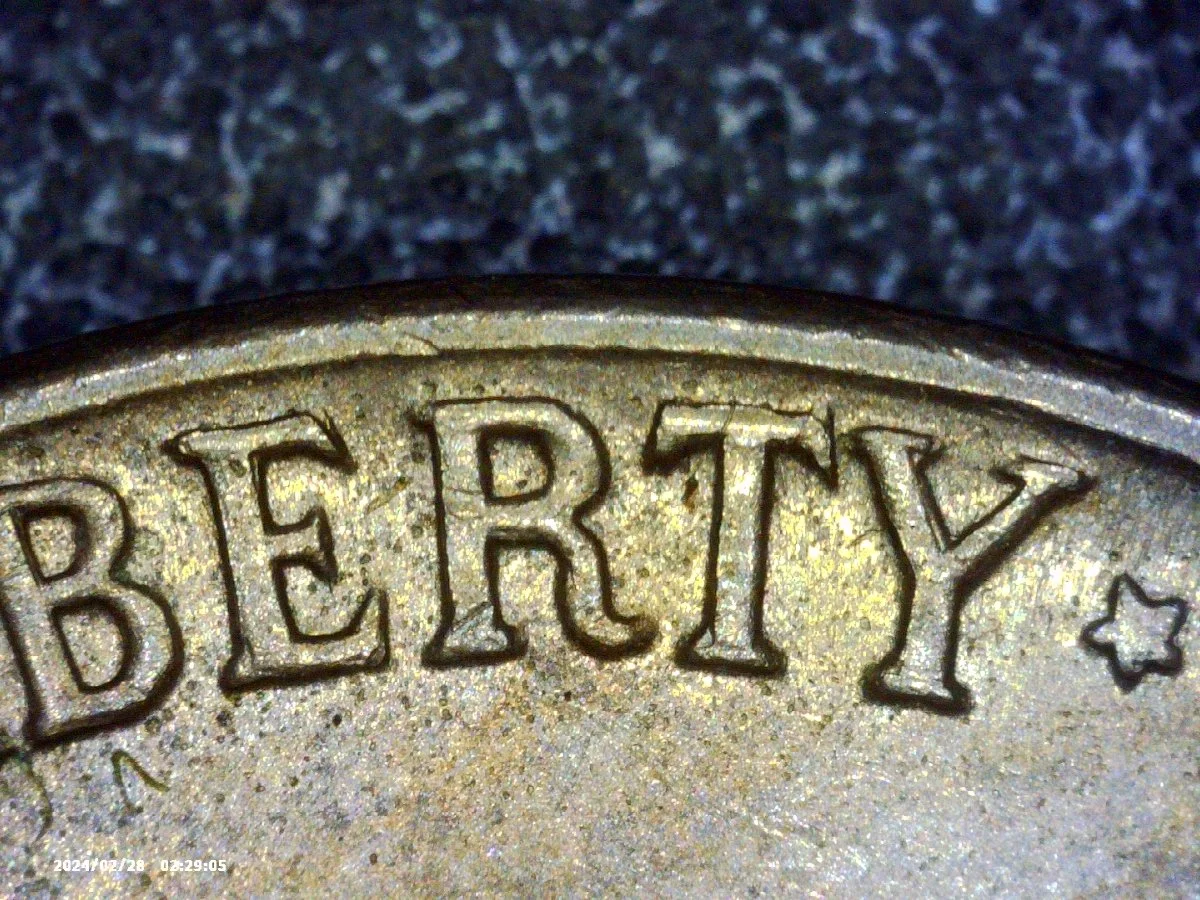
Ya know - after looking at the Y more closely you may be on to something - OP vs VV - DDO image (respectively) 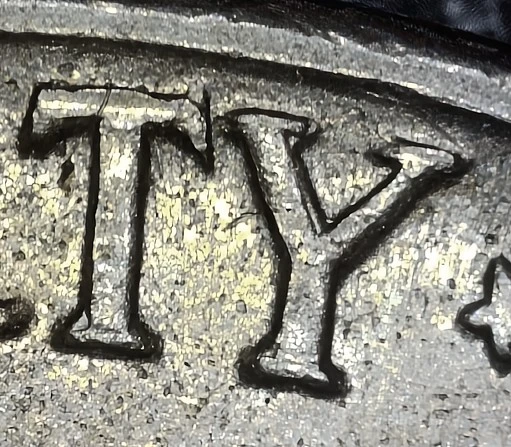 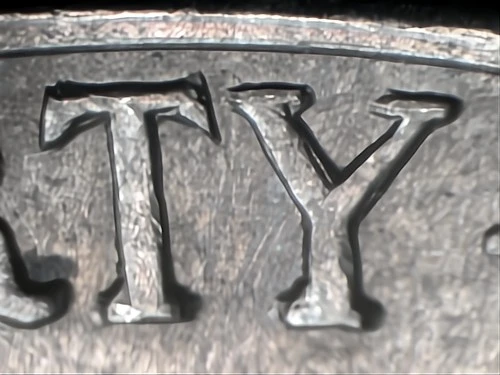 |
|
Pillar of the Community
United States
1809 Posts |
Edited by snailking1
01/30/2026 07:20 am
|
|
Pillar of the Community
 United States
6880 Posts |
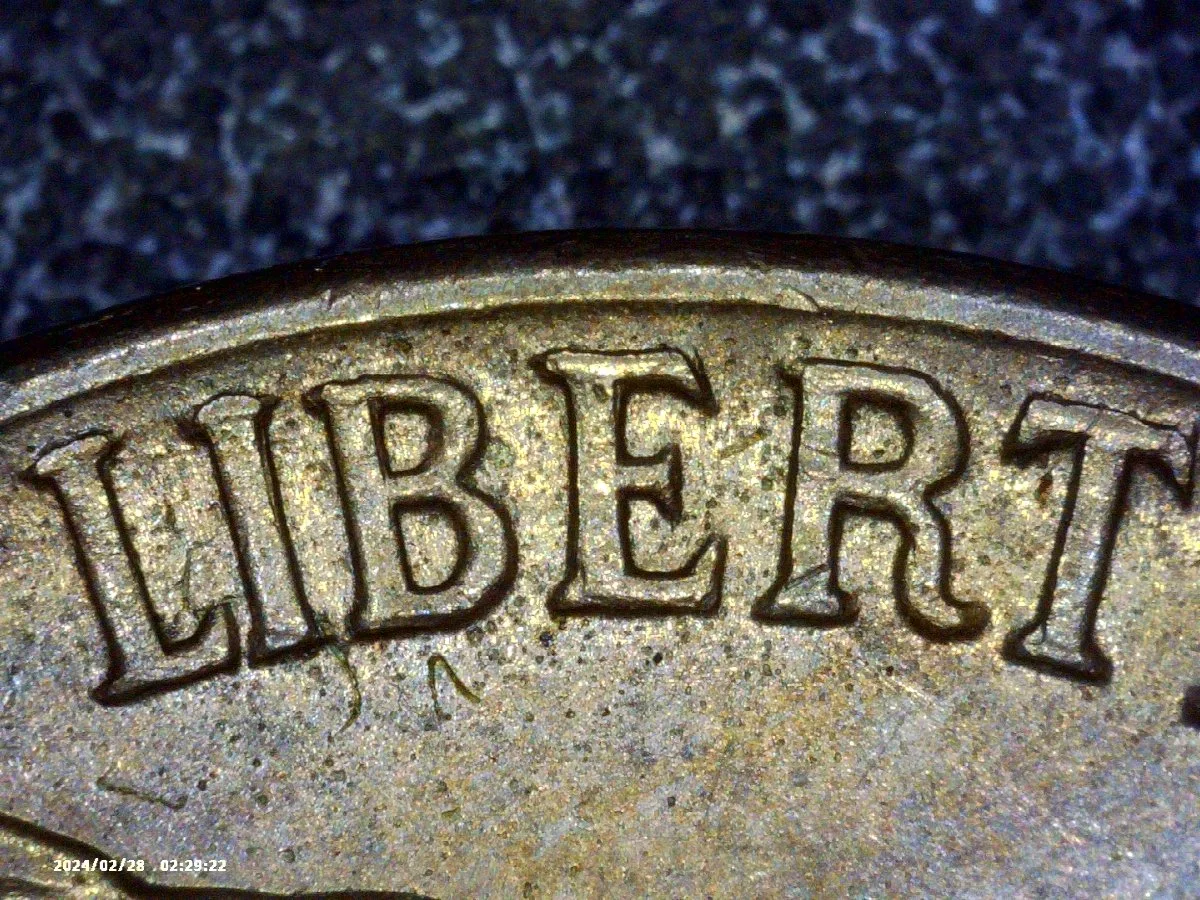
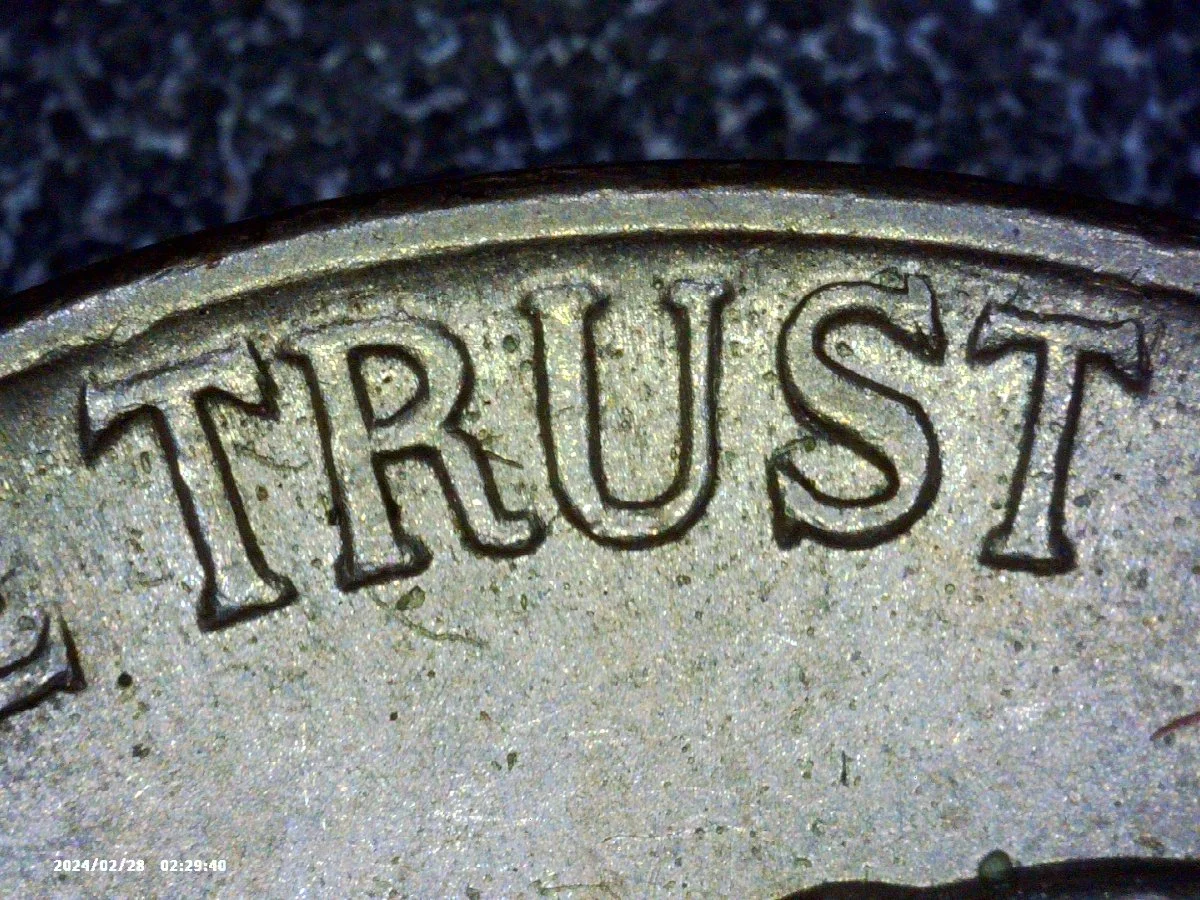
WDDO-002 has blocky lower left serifs on Liberty, and shows strongly on the G of God. I don't think it's that particular doubled die.
I do know that there is hub doubling in that era of nickel obverses, but a quick look at the PCGS plate coins didn't show that long interior line on the Y. Will do some more checking in a bit.
|
|
Pillar of the Community
United States
8959 Posts |
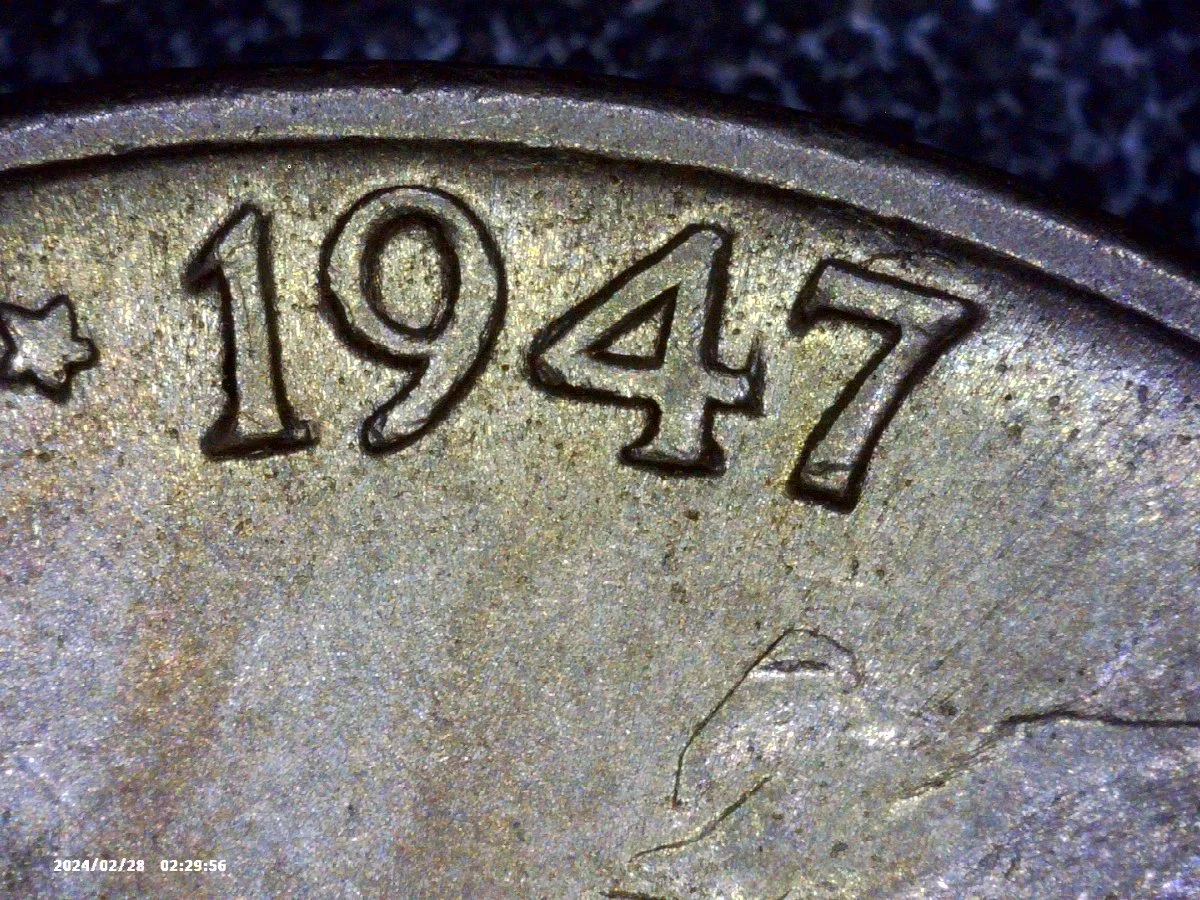
I could be wrong but do not think this is a doubled die. Look at the areas that are pointed out on Brian's varieties, I do not see this going on with the OP's coin, just MD that is also showing on the variety. I see no separation or thickness in the correct spots on the OP's coin.
-makecents-
|
|
Moderator
United States
105335 Posts |
I think what we see on the arm of the Y is MD, not seeing any split serifs here.
|
|
Pillar of the Community
United States
6880 Posts |
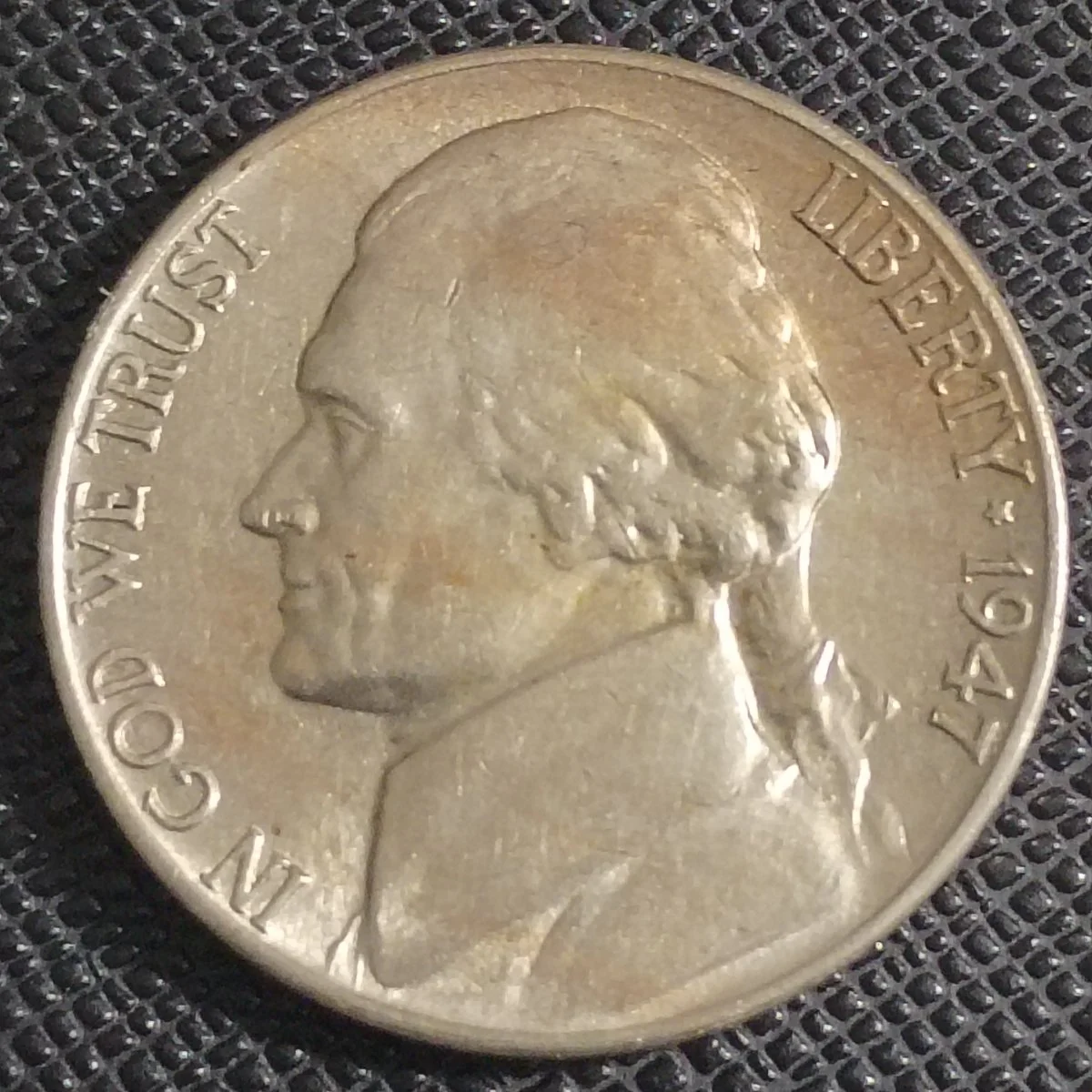
As mentioned, I think the doubling inside the arm of the Y is just the Jefferson nickel hub doubling. You can see it pretty well on this 1947 Philly nickel. Probably just an early working hub made from the fresh master die, and then an early working die made from the fresh working hub, thus preserving the detail. https://www.pcgs.com/cert/43785893I've had the same confusion (although much worse) with Kennedy half hub doubling pictured in doubled die listings. The catalog guys often don't spell out what doubling is hub vs. die in a particular entry. |
|
Pillar of the Community
United States
7577 Posts |
@Brandmeister , if it were a hub doubling ( regardless of how it is analized ) it would be considered a TRUE doubled die! which I do not believe this one is. Quote: hub doubling is the definition of a "true" doubled die, representing a major minting error where the die itself is produced with doubled design features. Unlike common Machine Doubling, hub doubling occurs when the hub and die are misaligned during the manufacturing process, meaning every coin struck by that die will display the same doubling. In numismatics, a hub is a master steel punch used in the coin-making process that features a positive, raised relief image of the coin's design. It is pressed into a blank die to create a negative, incuse image (the working die), which is then used to strike the final coins. Key details about hubs: Purpose: They create working dies, not coins directly. Appearance: The design on a hub looks exactly like the final coin (raised relief), unlike the negative, sunken design on a die. Production Process: The design is often reduced from a large plaster model to a steel master hub via a pantograph. Types: There are master hubs (used for master dies) and working hubs (used for working dies). Errors: A "doubled die" is often caused by a hub that has made multiple impressions on a die with a misalignment. Hubbing, or hobbing, is the process of using high-pressure hydraulic presses to sink the hub into the die. Edited by Chase007
01/30/2026 12:16 pm
|
|
Moderator
United States
194698 Posts |
Interesting find.  |
|
Bedrock of the Community
United States
78291 Posts |
I'll be sitting back on this one. Errers and Varietys.
|
|
Pillar of the Community
United States
6880 Posts |
Chase, I am not sure where your quote comes from. Perhaps you could provide a link. Master hub doubling, master die doubling, and working hub doubling are all distinct forms of doubling that can happen at their respective stages of tooling production. While those phenomena will result in struck coins that display doubled features, they are not regarded as forms of working die doubling. Coins struck from doubled working dies can be considered interesting and valuable. With very few exceptions—such as the 1941 doubled beak Washington quarters—coins produced from multiple working dies manufactured by a single doubled working hub are not regarded as particularly valuable. I don't know of any coins produced by dies descended from doubled master dies or doubled master hubs that have any additional market value specifically derived from that shared doubling.
|
|
Pillar of the Community
United States
7577 Posts |
I am not referring to master hub doubling nor master die doubling. just a reference to your statements: the doubling inside the arm of the Y is just the Jefferson nickel hub doubling ..... Probably just an early working hub made from the fresh master die... and again I do not believe this is a hub doubling. |
|
Pillar of the Community
United States
8959 Posts |
Brand, you are confusing hub doubling and a doubled working hub. Hub doubling is a doubled die.
ADDED: Now I could see it being from a doubled working hub, especially if it can be seen across mints.
ADDED AGAIN: I think you have the right idea, just getting the terms mixed up.
-makecents-
Edited by -makecents-
01/30/2026 2:05 pm
|
|
Pillar of the Community
United States
6880 Posts |
Quote:
Brand, you are confusing hub doubling and a doubled working hub. Hub doubling is a doubled die. No, no, no. What is on second base. Who is on first! Whoever defined the terminology so that a doubled working hub doesn't display hub doubling was either a pedant with a lazy afternoon, or possibly the most subtle troll in the history of numismatics. |
|
Pillar of the Community
United States
8959 Posts |
A doubled hub means that the hub itself has doubling on it, hub doubling is the effect that occurs when there is movement of either the hub or the working die in between hubbings when making a working die (doubled die). The doubled hub is created in the same way though, when the master die is making the working hub (doubled hub). Clear as mud.  -makecents-
|
| |
Replies: 14 / Views: 603 |
|








 Posted 01/30/2026 07:19 am





