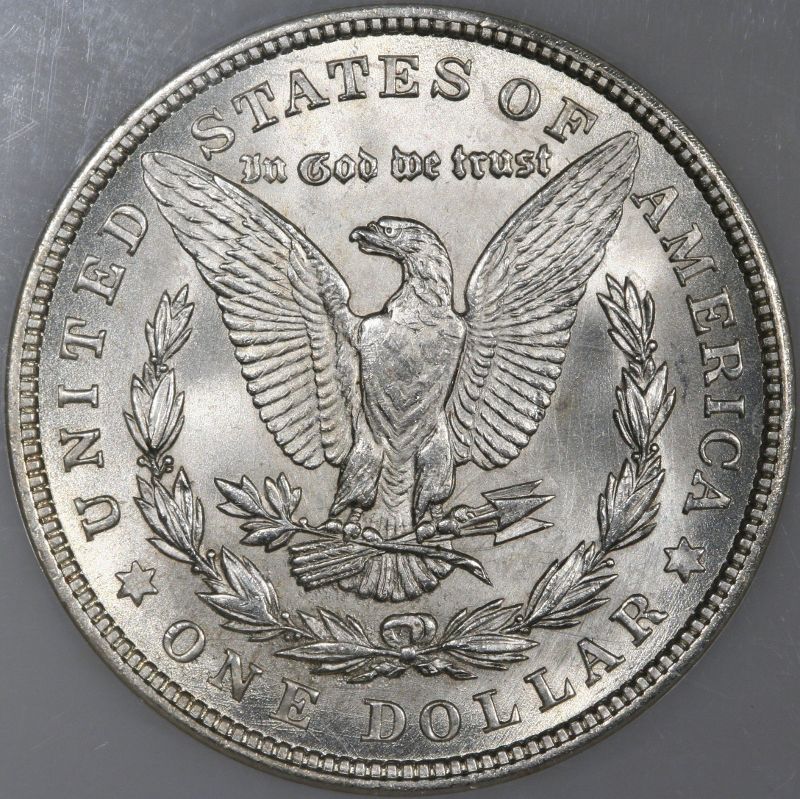
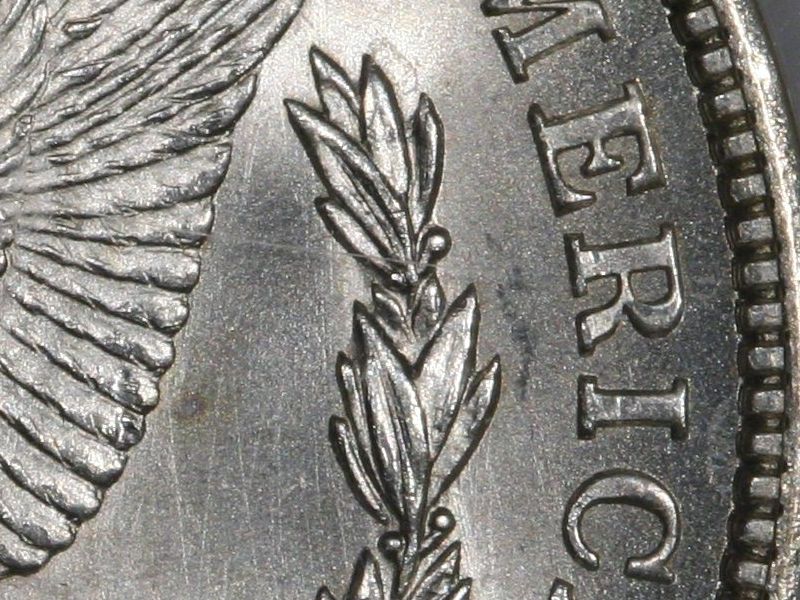
I am confused!!
SuperDave, your quote!
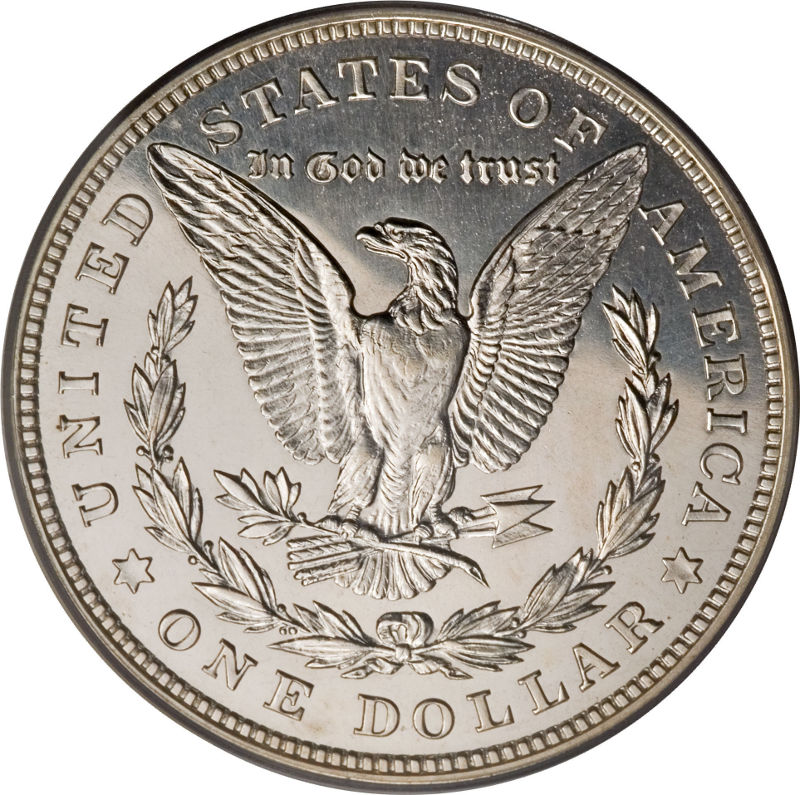
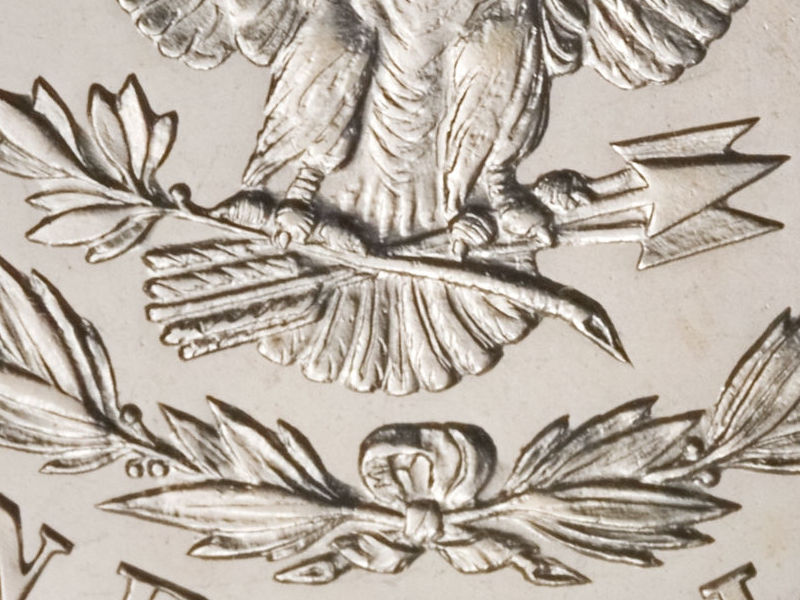
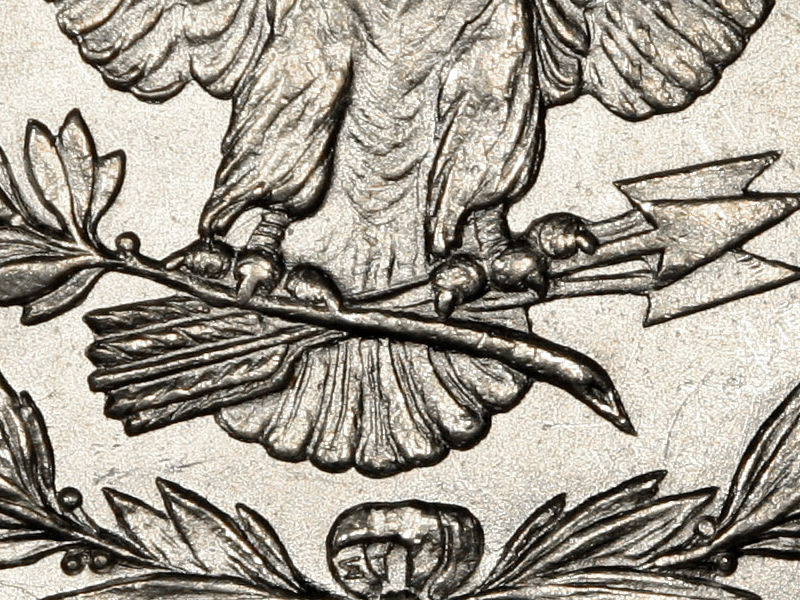
"The reverse dies, called D1 and D2, are characterized by these features: There are 17 berries in the wreath of D1, and 16 in D2, with the extra berry being found at the viewer's top right - D1 has a berry on the inside of the wreath here, and D2 does not. The top arrow fletch of D1 meets the eagle's talons at the center talon, whereas with D2 the fletch meets the eagle's talons between the right (viewer's left) and center talons. The olive branch on D1 is noticeably weaker than D2 in this area.
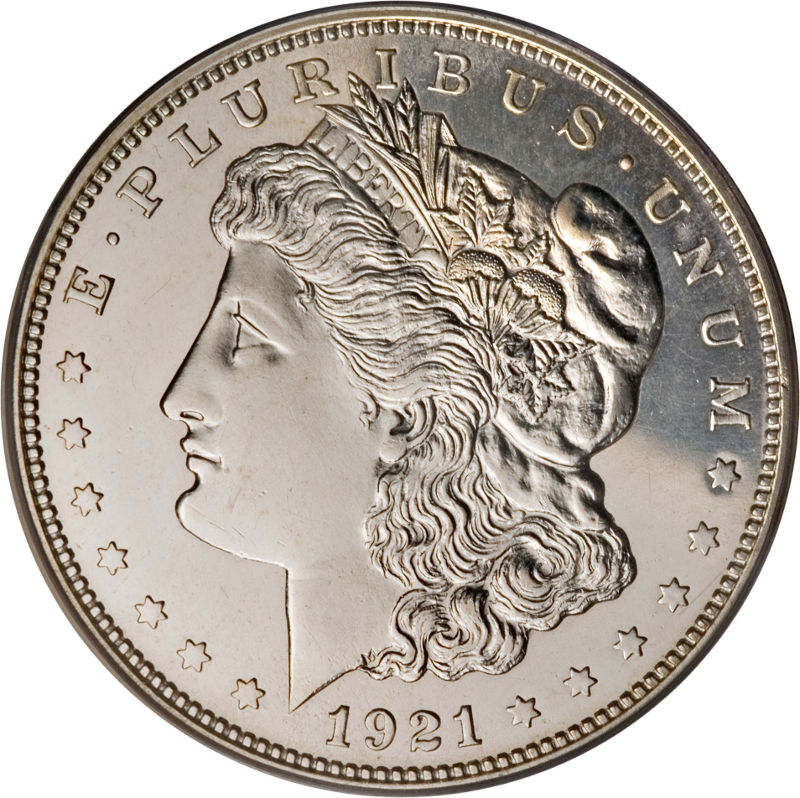
The coin shown here has the characteristics of a D2 reverse, most easily visible through the talon features I mention. Chapman Proofs used the D1 reverse. This coin, therefore, cannot be a Chapman Proof"
Qoute from "COINFACTS"
"Chapman" Proof, named after the Philadelphia coin dealer, Henry Chapman, whose name appears on a Mint invoice (dated June 11, 1921) selling him "10 proof silver dollars 1921". For years, the mintage was thought to have been limited to only the ten coins, but now we know that additional "Chapman" Proofs were struck. PCGS alone has certified 40 examples, the finest of which is a single PR-66 that far outshines the 13 PR-64's that are at the next level below. The only Proof Cameo example graded by PCGS is a single PRCA-64. "Chapman" Proofs are super brilliant and have only 16 berries in the wreath on the reverse, as opposed to 17 on the "Zerbe" Proofs. Additional die characteristics include a hollow area around Morgan's initial on the truncation line on the obverse (caused by die polishing) and light die striations around UN, AM, and RICA on the reverse.
You say the Chapman uses "D1" reverse with 17 berries? but the coinfacts page stares the Chapman has 16 berries, so it must use the "D2" die? this is so confusing. the 2 texts contradict each other








 First Page
 Previous Page


 Posted 07/24/2009 6:58 pm